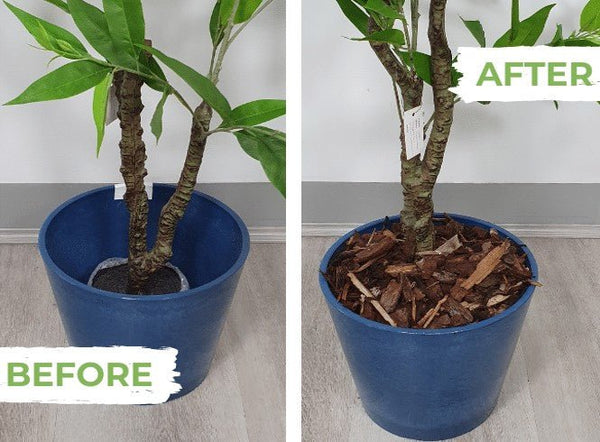
Choosing the right planter for your artificial plants can completely change the way your space looks and feels. You want something that not only fits your style but also highlights the beauty of your plants.
But with so many options out there, how do you pick the best one? This guide will help you find the perfect planter that suits your needs and makes your artificial plants stand out. Keep reading, and you’ll discover simple tips that make a big difference in your home or office decor.
Types Of Planters
Choosing the right planter for your artificial plants can change the look of your space. Planters come in many types, each with unique features.
Understanding the different materials, shapes, and styles helps you pick the best fit for your decor and plant size.
Material Options
Planters come in various materials. Each offers a different look and level of durability. Common materials include ceramic, plastic, metal, and wood.
- Ceramic:Heavy and elegant, ceramic planters hold moisture well.
- Plastic:Lightweight and affordable, plastic planters are easy to move.
- Metal:Modern and sturdy, metal planters often have a sleek finish.
- Wood:Warm and natural, wooden planters add rustic charm.
Shapes And Sizes
Planters come in many shapes and sizes. The right choice depends on your plant type and space.
| Shape | Best Use | Notes |
| Round | Most plants | Classic and versatile |
| Square | Modern decor | Fits tight spaces well |
| Rectangular | Window sills | Good for multiple plants |
| Tall | Tall plants | Supports height |
| Hanging | Trailing plants | Saves floor space |
Design Styles
Planter styles vary to match your room’s look. Choose a style that fits your home and plant display.
- Minimalist:Simple shapes and neutral colors.
- Bohemian:Bright colors and textured finishes.
- Industrial:Metal tones with rugged edges.
- Classic:Traditional shapes with ornate details.
- Rustic:Natural wood and earthy colors.
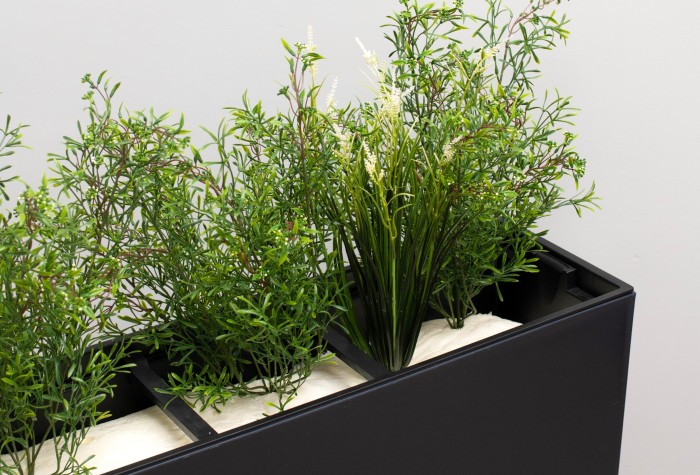
Credit: www.treelocate.com
Matching Planters To Artificial Plants
Choosing the right planter for your artificial plants enhances their beauty. Planters should complement the style and look of the plants. Consider factors like size, color, and texture.
Let’s explore how to match planters to your artificial plants effectively.
Consider Plant Size
Size matters when selecting a planter. A planter too large or too small can look awkward. Match the planter size to the plant for a balanced appearance.
- Measure the plant’s height and width.
- Select a planter slightly larger than the base of the plant.
- Ensure stability by choosing a planter with a wide base.
Complement Plant Colors
Color coordination between the planter and the plant is essential. Choose planters that enhance the plant’s colors.
| Plant Color | Planter Color |
| Green | Earth tones like brown or beige |
| Bright Flowers | Neutral colors like white or grey |
| Dark Foliage | Metallic or glossy finish |
Choose Suitable Textures
Texture adds depth to your plant arrangement. Select planters with textures that complement the plant’s artificial material.
Indoor Vs Outdoor Planters
Choosing the right planter for your artificial plants makes a big difference. Indoor and outdoor planters have different needs. Knowing these helps you pick wisely.
Consider where you will place the planter. This affects the material and care it needs. Let’s look at key factors for both indoor and outdoor use.
Durability Needs
Indoor planters do not face harsh conditions. They need to be sturdy but can focus more on style. Outdoor planters must withstand rough weather and weight.
Choose materials like plastic or ceramic for indoors. Outdoors, pick heavy-duty materials such as stone, metal, or resin for long-lasting use.
Weather Resistance
Outdoor planters must resist sun, rain, and cold. Indoor planters do not need strong weatherproofing but should be moisture resistant.
| Planter Type | Weather Resistance Needed |
| Indoor | Low – protect from spills and humidity |
| Outdoor | High – resist UV rays, rain, frost, and wind |
Maintenance Tips
Keeping your planters clean helps them last longer. Indoor planters need less care but still benefit from dusting and wiping.
- Clean indoor planters with a damp cloth once a week.
- For outdoor planters, rinse them monthly to remove dirt.
- Check for cracks or damage regularly on outdoor planters.
- Use a sealant on porous outdoor materials to protect from water.
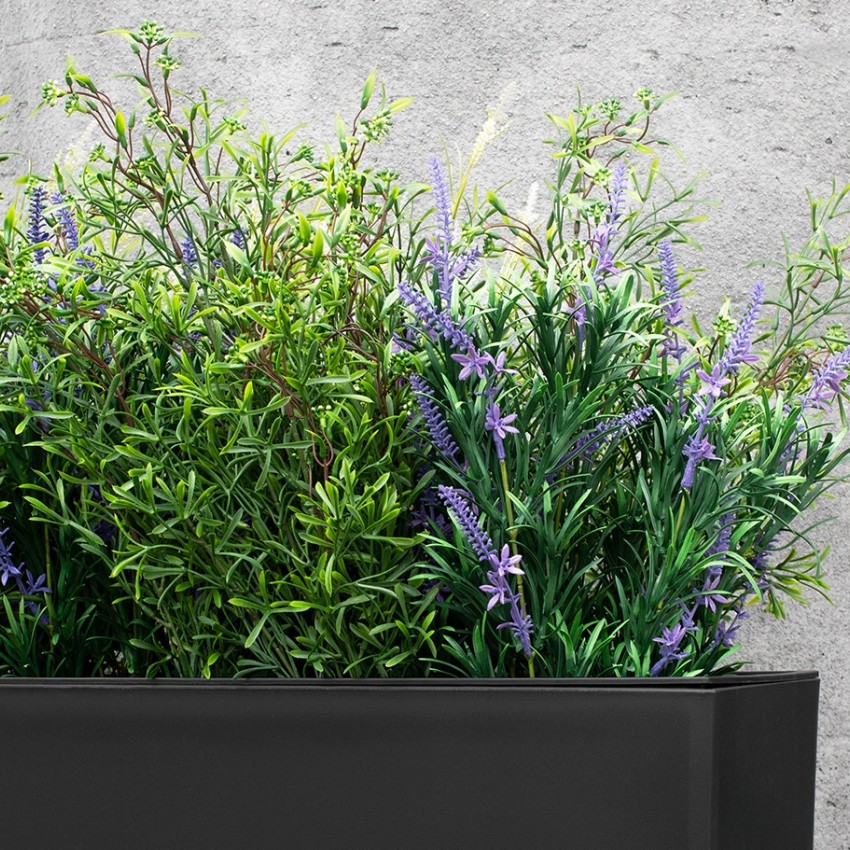
Credit: www.treelocate.com
Planter Features To Look For
Choosing the right planter makes your artificial plants look great. The right planter also helps keep them stable and clean. There are a few key features to consider before buying.
Focus on drainage, weight, and ease of cleaning. These features improve the look and lifespan of your display. Let’s explore what to look for in each category.
Drainage Solutions
Good drainage keeps water from building up, even if you water your artificial plants by mistake. Some planters have built-in holes or trays to catch extra water.
- Look for drainage holes at the bottom of the planter.
- Choose planters with removable trays to catch water.
- Consider self-watering planters with water reservoirs.
- A planter with good drainage prevents mold and damage.
Weight And Stability
Weight helps keep your planter steady. Lightweight planters may tip over easily, especially with tall or heavy artificial plants. Stability is important to avoid accidents.
| Planter Type | Weight | Stability Level |
| Ceramic | Heavy | High |
| Plastic | Light | Low to Medium |
| Metal | Medium to Heavy | Medium to High |
| Wood | Medium | Medium |
Ease Of Cleaning
Artificial plants attract dust. Choose planters that are easy to wipe or wash. Smooth surfaces and simple shapes make cleaning faster and better.
- Pick materials like ceramic or plastic for easy cleaning.
- Avoid planters with many crevices or rough textures.
- Check if the planter can be easily moved for cleaning underneath.
- Consider planters with removable liners for quick dust removal.
Budgeting Your Planter Purchase
Choosing the right planter for your artificial plants can be fun. Budgeting helps you find options that fit your needs.
Planters come in many styles and prices. Knowing your budget saves time and effort.
Affordable Options
There are many budget-friendly planters that look good. These planters use simple materials and basic designs.
Affordable planters work well for small spaces or temporary setups.
- Plastic planters are lightweight and cheap
- Ceramic pots come in many colors and styles
- Metal containers add a modern touch
Investing In Quality
Quality planters cost more but last longer. They also look more natural with your plants.
Good materials include wood, stone, and thick ceramics. These planters add value to your space.
- Wood planters offer warmth and style
- Stone pots are heavy and durable
- High-quality ceramic resists cracks and chips
Diy Planter Ideas
You can save money by making your own planter. DIY planters let you be creative and customize size and color.
Use recycled or simple materials to build planters that match your style and budget.
- Paint old pots for a fresh look
- Use wooden crates or boxes as planters
- Try making concrete planters with molds

Credit: roomfortuesday.com
Styling Tips With Artificial Plants
Artificial plants bring life to any room without the need for care. Choosing the right planters helps them look natural and stylish.
Good planters match the room’s style and make the plants stand out. Let’s explore simple tips to pick the best planters for your fake plants.
Grouping Planters
Group several planters of different sizes for a fuller look. This makes the display more interesting and natural.
Use planters with similar colors or shapes to keep the group balanced. Vary heights and widths to add depth.
- Place tall planters at the back
- Use medium sizes in the middle
- Put small planters at the front
Using Decorative Fillers
Fillers like stones, moss, or sand cover the soil and hide the base of your artificial plants. They add texture and color.
Choose fillers that match your planter style. Light-colored stones fit modern pots, while moss works well with rustic planters.
- Small white stones create a clean look
- Colored glass pieces add sparkle
- Moss gives a natural feel
- Sand suits beach-themed decor
Placement Ideas
Place planters where they catch the eye but do not clutter the space. Corners, shelves, and tabletops work well.
Use planters to fill empty spots or add green accents near seating areas. Rotate placement to keep the room fresh.
- Use tall planters beside doors or windows
- Place small pots on shelves or desks
- Group planters on coffee or side tables
- Line multiple planters along a hallway
Frequently Asked Questions
What Materials Are Best For Artificial Plant Planters?
Choose lightweight, durable materials like plastic, resin, or fiberglass. These resist weather and wear. They also complement artificial plants well, ensuring easy maintenance and long-lasting appeal.
How To Size A Planter For Artificial Plants?
Select a planter slightly larger than the plant’s base. This offers stability and allows room for fillers like foam or stones to secure the plant firmly.
Can Indoor And Outdoor Planters Differ For Artificial Plants?
Yes, indoor planters prioritize style and size, while outdoor planters focus on durability and weather resistance. Choose materials accordingly for longevity and aesthetic appeal.
Do Drainage Holes Matter For Artificial Plant Planters?
Drainage holes are optional since artificial plants don’t need watering. However, holes prevent water buildup if accidentally watered, protecting the planter and surrounding surfaces.
Conclusion
Choosing the right planter enhances your artificial plant’s beauty. Think about size, shape, and color to match your space. Materials matter too, for style and durability. A good planter makes your plant look real and fresh. Simple choices can brighten any room instantly.
Take your time to find the best fit. Enjoy the look of green without the fuss. Your perfect planter is out there, waiting.