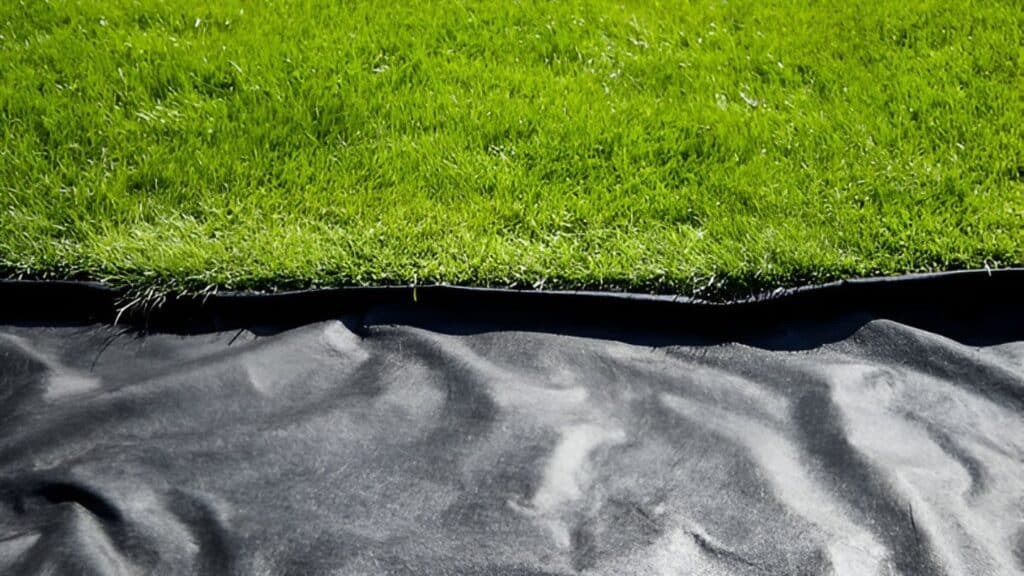
Are you tired of battling weeds in your garden or spending hours maintaining your outdoor space? You might have heard about landscaping fabric as a simple solution.
But is landscaping fabric really necessary for your yard? Before you make a decision, it’s important to understand how it works, its benefits, and any downsides that could affect your garden’s health. Keep reading to discover if this popular gardening tool is the right choice for your landscaping needs—and how it can save you time and effort while keeping your plants happy.
Benefits Of Landscaping Fabric
Landscaping fabric is a material used under soil or mulch in gardens. It helps gardeners control weeds and protect plants.
This fabric also helps keep soil healthy and stable. It supports plant growth by managing water and soil conditions.
Weed Prevention
Landscaping fabric blocks sunlight from reaching weed seeds. Without light, weeds cannot grow through the soil.
This reduces the need to pull weeds by hand or use chemicals. It keeps your garden clean and easy to maintain.
Soil Moisture Retention
The fabric slows down water evaporation from the soil. This helps the soil stay moist for a longer time.
Moist soil is important for plants to grow strong roots. It also means less frequent watering is needed.
Erosion Control
Landscaping fabric holds soil in place during rain or wind. This stops soil from washing or blowing away.
It protects slopes and garden beds from damage. This keeps your landscape looking neat and healthy.
Types Of Landscaping Fabric
Landscaping fabric is used to control weeds and promote healthy plant growth. It comes in different types, each serving specific needs in the garden.
Choosing the right landscaping fabric depends on your garden’s requirements. Here are the main types of landscaping fabric you can consider.
Woven Fabrics
Woven fabrics are made of polypropylene or polyester. They are strong and durable, allowing air and water to pass through.
These fabrics work well for gardens with heavy foot traffic. They help in preventing erosion and are good for long-term use.
Non-woven Fabrics
Non-woven fabrics are softer and more flexible. They are suitable for areas where plants need extra protection.
These fabrics are effective in blocking sunlight, thus preventing weed growth. They are easy to cut and install around plants.
Plastic Mulch Alternatives
Plastic mulch is an alternative to traditional fabrics. It is often used for vegetables and fruits to warm the soil and retain moisture.
While effective, plastic mulch does not allow air or water to pass. It may need to be replaced more often than fabric options.
- Choose woven for strength and durability
- Non-woven for flexibility and plant protection
- Plastic mulch for moisture retention and soil warmth
When To Use Landscaping Fabric
Landscaping fabric helps control weeds and manage soil. It acts as a barrier to stop unwanted plants from growing.
You should use landscaping fabric in places where weed control is needed without harming plant roots.
Garden Beds And Borders
Use landscaping fabric under garden beds to keep weeds from growing. It lets water and air reach the soil while blocking sunlight.
This fabric helps your plants grow better by reducing weed competition. It also makes garden maintenance easier.
- Place fabric under soil or mulch in beds
- Cut holes for plants to grow through
- Secure edges to stop fabric from moving
Pathways And Driveways
Landscaping fabric works well under pathways and driveways. It prevents weeds from growing between stones or gravel.
The fabric also stops soil from mixing with gravel or stones. This keeps the surface clean and stable.
- Lay fabric before adding stones or gravel
- Overlap seams to avoid gaps
- Use heavy fabric for high-traffic areas
Under Mulch Or Gravel
Placing landscaping fabric under mulch or gravel reduces weed growth. It allows water to pass through to the soil.
This method helps mulch last longer and keeps the area looking neat. It also limits soil erosion under the cover.
- Use fabric beneath mulch layers
- Secure edges to prevent shifting
- Replace fabric if damaged during maintenance
Credit: www.leisurelandscapes.com
Installation Tips
Using landscaping fabric helps control weeds and keeps your garden neat. Installing it correctly makes it work better and last longer.
Follow these tips to install landscaping fabric with ease and get the best results in your garden.
Preparing The Soil
Clear the area by removing grass, weeds, and debris. Smooth the soil surface to avoid bumps under the fabric.
Make sure the soil is dry before laying the fabric. This helps the fabric stay in place and last longer.
Laying The Fabric
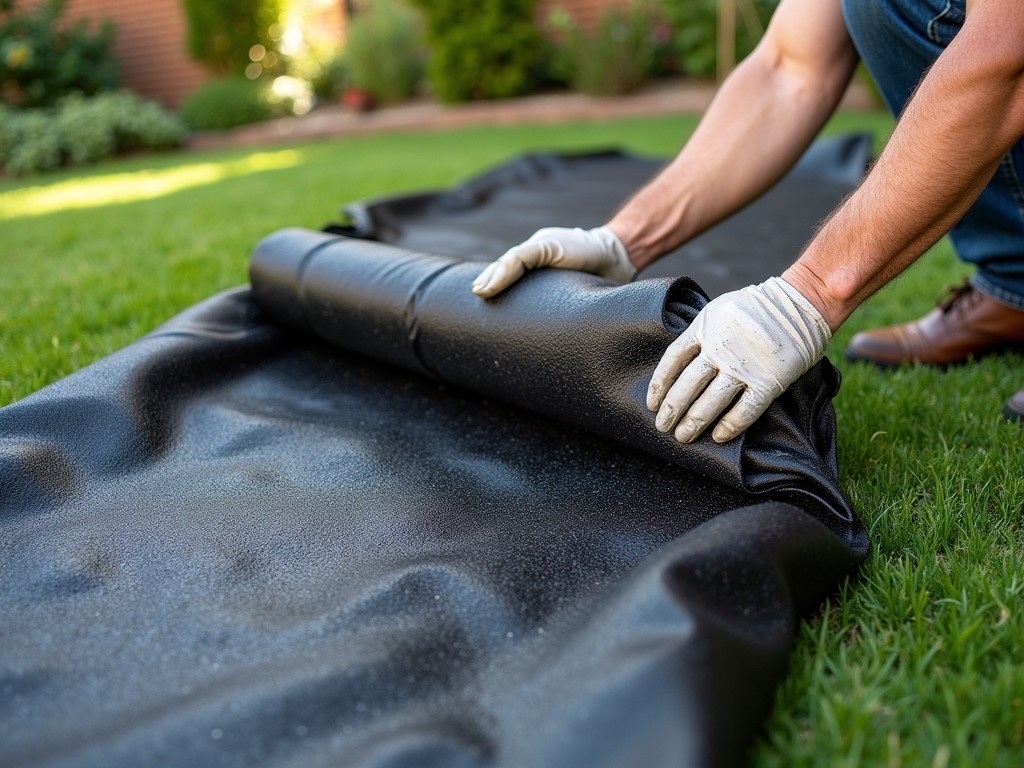
Roll out the landscaping fabric over the prepared soil. Make sure it covers the whole area without gaps.
Overlap edges by about 6 inches to stop weeds from growing between sections.
- Unroll the fabric slowly to avoid wrinkles
- Cut fabric to fit around plants and garden shapes
- Use sharp scissors or a utility knife for clean cuts
Securing The Edges
Fix the fabric edges firmly to the ground using garden staples or pins. This stops the fabric from moving in the wind.
Place staples every 1 to 2 feet along the edges and seams for best hold.
- Use U-shaped staples for better grip
- Press staples deep into the soil
- Check edges regularly and re-secure if needed
Adding Mulch Or Cover
Cover the fabric with mulch or stones to protect it from sunlight. This also improves the garden’s look.
Apply a 2 to 3 inch layer of mulch evenly over the fabric for good coverage.
- Use organic mulch like bark or wood chips
- Keep mulch away from plant stems to prevent rot
- Replace mulch as needed to maintain coverage
Common Challenges
Landscaping fabric can help with weed control. Still, it has some common problems gardeners face.
Knowing these challenges can help you decide if using landscaping fabric is right for your garden.
Fabric Degradation
Landscaping fabric breaks down over time. Sunlight and weather can cause it to tear or crumble.
Once the fabric starts to degrade, it loses its ability to block weeds effectively.
Water Drainage Issues
Some fabrics do not let water pass through easily. This can cause water to pool on the surface.
Poor drainage may harm plants by keeping roots too wet or too dry.
Plant Growth Limitations
Landscaping fabric can limit how plants grow. Roots may find it hard to spread through the fabric.
This can reduce plant health and slow down growth over time.

Credit: www.leisurelandscapes.com
Alternatives To Landscaping Fabric
Landscaping fabric stops weeds but is not the only way. Many gardeners use other methods to keep plants healthy and soil clear.
These alternatives can suit different garden styles and needs. They can be easier to use or better for the environment.
Organic Mulches
Organic mulches cover soil and stop weeds by blocking sunlight. They also add nutrients as they break down.
- Wood chips keep soil moist and cool
- Straw is light and easy to spread
- Leaves add nutrients and improve soil
- Grass clippings decompose quickly and feed plants
Chemical Weed Control
Herbicides kill or stop weed growth. Use them carefully to protect your plants and the environment.
| Chemical Type | How It Works | Notes |
| Pre-emergent | Stops weed seeds from sprouting | Apply before weeds appear |
| Post-emergent | Kills existing weeds | Use on young weeds for best effect |
| Selective | Targets specific weed types | Safe for lawn grass |
| Non-selective | Kills all plants it touches | Use with caution near desired plants |
Manual Weeding
Manual weeding removes weeds by hand or tools. It is natural and safe but needs regular effort.
Tools for manual weeding include:
- Hand trowel for small weeds
- Hoe for larger areas
- Weeding fork to loosen soil
- Kneeling pad for comfort

Credit: mulchpros.com
Frequently Asked Questions
What Is The Primary Purpose Of Landscaping Fabric?
Landscaping fabric mainly prevents weed growth by blocking sunlight. It allows water and air to reach soil, supporting healthy plants and reducing garden maintenance.
Does Landscaping Fabric Improve Soil Drainage?
Yes, landscaping fabric improves drainage by allowing water to pass through. It helps prevent waterlogging and root rot, promoting a healthier garden environment.
Can Landscaping Fabric Harm Plant Roots?
Properly installed landscaping fabric does not harm roots. It allows air, water, and nutrients to reach roots, ensuring plants grow strong and healthy.
How Long Does Landscaping Fabric Last In Gardens?
Landscaping fabric typically lasts 5 to 10 years. Its durability depends on material quality and exposure to sunlight and weather conditions.
Conclusion
Landscaping fabric can help control weeds and save time. It lets water and air reach the soil. But it may not stop all weeds forever. Some plants grow through or around the fabric. Choosing the right fabric depends on your garden needs.
It works best with mulch on top. Remember, good soil and regular care matter most. Use fabric as a tool, not a full solution. Think about your garden size and budget first. Simple steps lead to a healthy, beautiful yard.