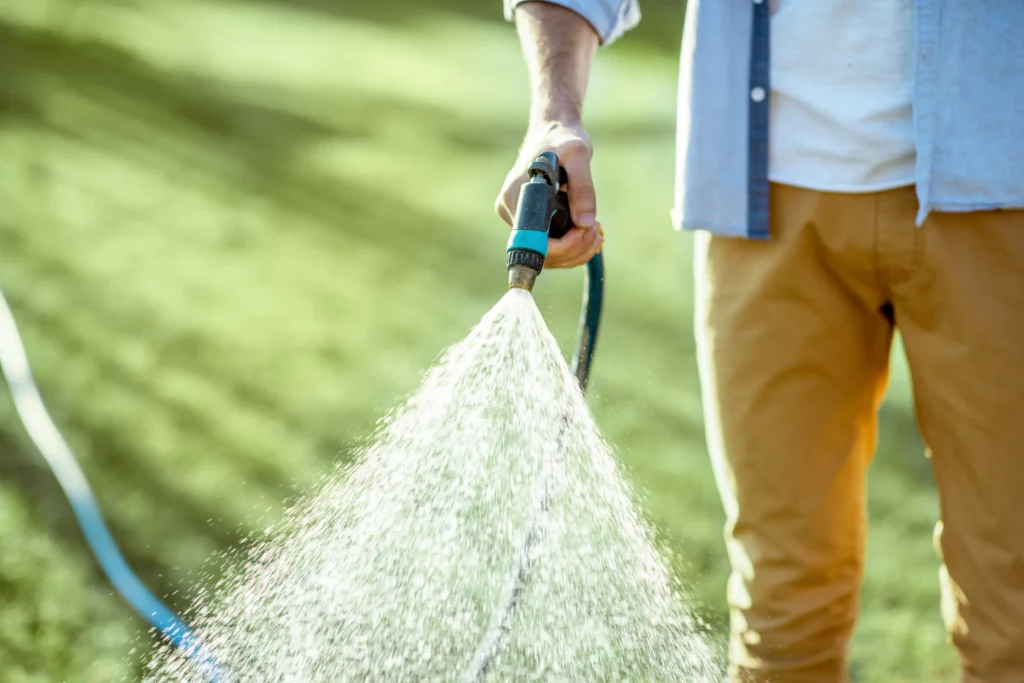
Is your garden hose barely trickling when you need a strong spray? Low water pressure can make watering your plants or washing your car frustrating and time-consuming.
But don’t worry—there are simple tricks you can use to boost your hose’s power quickly. You’ll discover easy and effective ways to increase water pressure in your garden hose so your outdoor tasks get done faster and with less hassle.
Keep reading, and you’ll have a stronger flow in no time!
Common Causes Of Low Water Pressure
Low water pressure in a garden hose can make watering plants slow and frustrating. Understanding the causes helps fix the problem quickly.
Several issues can reduce water flow. Checking these common causes can restore strong pressure to your hose.
Clogged Hose Or Nozzle
Dirt, debris, or mineral deposits can block the hose or nozzle. This blockage lowers water flow and pressure.
- Check the nozzle for dirt buildup.
- Remove the hose and look inside for clogs.
- Flush the hose with water to clear blockages.
- Use a small brush to clean the nozzle holes.
- Replace old or damaged nozzles if needed.
Leaks And Kinks
Leaks in the hose or kinks reduce water pressure by letting water escape or blocking flow.
| Problem | Effect on Water Pressure | Fix |
| Small Leak | Slow pressure drop | Patch with hose tape or replace section |
| Large Leak | Quick pressure loss | Replace hose immediately |
| Kinked Hose | Blocks water flow | Straighten hose or avoid tight bends |
Water Source Issues
Low water pressure can come from the main water source or outdoor faucet problems.
- Check if the main water supply is fully open.
- Make sure no other faucets are running at the same time.
- Inspect the outdoor faucet for damage or blockage.
- Test pressure from a different faucet to compare.
Credit: qiyitools.com
Simple Ways To Boost Pressure
Having low water pressure in your garden hose can be frustrating. Simple adjustments can help increase the flow efficiently.
Let’s explore easy methods to enhance the water pressure in your garden hose for more effective watering.
Check And Replace Nozzles
Nozzles can wear out, affecting water pressure. Ensure the nozzle is not clogged or damaged.
- Inspect for cracks or leaks.
- Clean any debris from the nozzle holes.
- Consider replacing old nozzles with new ones.
Remove Hose Kinks
Kinks in the hose can reduce water flow significantly. Straightening the hose helps improve pressure.
Use A Hose With Larger Diameter
A hose with a larger diameter allows more water to pass through, increasing pressure at the end.
| Hose Diameter | Water Flow Rate |
| 1/2 inch | Low |
| 5/8 inch | Medium |
| 3/4 inch | High |
Advanced Techniques For Pressure Increase
Low water pressure can make gardening chores harder. You can use advanced tools and changes to fix this issue. These techniques help boost your garden hose pressure.
Here are three ways to increase water pressure effectively. Each option works well depending on your setup and needs.
Install A Booster Pump
A booster pump pushes water with more force through your hose. It increases pressure instantly and keeps water flow steady. This is ideal for large gardens or long hoses.
Choose a pump that matches your water source and hose size. Electric booster pumps are common and easy to install near your outdoor faucet.
- Check pump flow rate to match your garden needs
- Install close to the faucet for best results
- Use a pressure switch to avoid pump damage
Add A Pressure Regulator
A pressure regulator controls the water pressure coming from your source. It stops pressure drops caused by leaks or pipe issues. This keeps pressure steady at the hose end.
Pressure regulators are easy to attach between the faucet and hose. They protect your hose and watering tools from too much pressure too.
- Set the regulator to your desired pressure level
- Use it to avoid pressure spikes
- Check for compatibility with your hose size
Upgrade To A High-pressure Hose
Standard hoses can limit water pressure due to narrow or weak walls. High-pressure hoses have thicker walls and wider tubes. This allows more water flow and less pressure loss.
Look for hoses labeled as high-pressure or reinforced. These hoses last longer and deliver stronger water flow.
- Choose hoses with larger inner diameters
- Look for reinforced or braided designs
- Pick hoses with good material for durability

Credit: www.bydesignandviz.com
Maintenance Tips For Consistent Pressure
Keeping a steady water pressure in your garden hose makes watering easier. Regular care helps avoid weak flow and saves water.
Follow some simple maintenance steps to keep your hose working well every time you use it.
Regular Hose Inspection
Check your hose often for cracks, holes, or leaks. These issues lower water pressure and waste water.
- Look along the entire hose length for damage.
- Check fittings and connectors for tightness.
- Replace damaged sections or the whole hose if needed.
- Test water flow before and after repairs.
Proper Storage Methods
Storing your hose correctly protects it from damage and keeps pressure steady. Avoid kinks and cracks caused by poor storage.
| Storage Tip | Reason |
| Coil hose loosely | Prevents kinks that block water |
| Keep hose out of sunlight | Stops material from drying and cracking |
| Store in a cool, dry place | Protects hose from extreme temperatures |
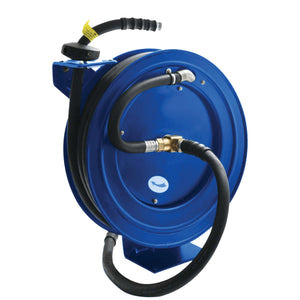
| Use hose reels or hangers | Keeps hose off the ground and tidy |
Preventing Build-up And Blockages
Debris and mineral deposits can clog your hose and reduce pressure. Clean your hose regularly to avoid blockages.
Follow these cleaning tips:
- Detach the hose and run water through it to flush out dirt.
- Use a brush or pipe cleaner to remove stubborn deposits inside.
- Check and clean the nozzle and connectors regularly.
- Use a vinegar solution to dissolve mineral build-up if needed.

Credit: www.angi.com
Frequently Asked Questions
How Can I Boost Garden Hose Water Pressure Quickly?
To boost water pressure, check for kinks or leaks in the hose. Use a wider diameter hose and clean clogged nozzles. Installing a pressure booster or a pump can also help increase flow efficiently.
Why Is My Garden Hose Water Pressure Low?
Low water pressure may result from hose leaks, blockages, or narrow hose diameter. Faucet valves partially closed or municipal water supply limits can also reduce pressure. Inspect your setup to identify and fix these common issues.
Does Hose Length Affect Water Pressure?
Yes, longer hoses reduce water pressure due to friction loss inside the hose. Shortening the hose or using a larger diameter hose helps maintain stronger water flow and better pressure throughout your garden.
Can A Pressure Regulator Improve Garden Hose Flow?
A pressure regulator controls maximum water pressure to prevent damage but does not increase it. To improve flow, consider a pressure booster or pump instead of a regulator. Regulators protect equipment but don’t enhance pressure.
Conclusion
Improving water pressure in your garden hose is simple and effective. Check for leaks and clear any clogs first. Use a shorter hose or one with a wider diameter. Clean or replace old nozzles to boost flow. Remember, small changes make a big difference.
Enjoy a stronger, steady water stream for your plants. Keep these easy tips in mind for better watering every time. Your garden will thank you.