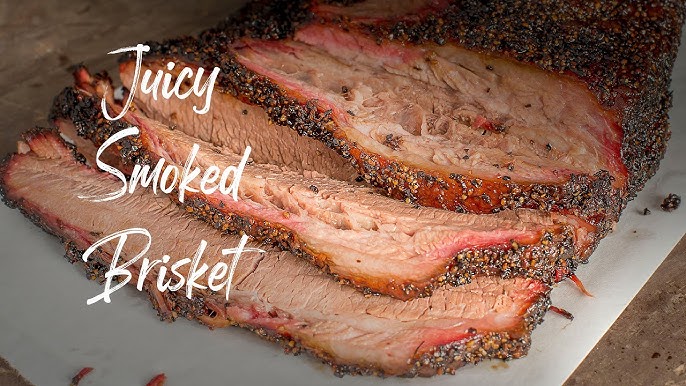
If you’ve ever wanted to impress your friends and family with a mouth-watering, smoky beef brisket, cooking it on a charcoal grill is the way to go. But it can feel tricky to get the perfect balance of tender, juicy meat and that rich, smoky flavor you crave.
Don’t worry—you’re about to learn step-by-step how to master this classic barbecue favorite. By the end of this guide, you’ll have the confidence to fire up your grill and serve a brisket that everyone will be talking about. Ready to become the grill master you’ve always wanted to be?
Let’s dive in.
Choosing The Right Brisket
Cooking a beef brisket on a charcoal grill can be a delightful experience. Choosing the right brisket is key to achieving a delicious result.
Let’s explore how to select, understand, and prepare your brisket for the grill.
Selecting Quality Meat
A quality brisket starts with a good cut of meat. Look for marbling, color, and texture.
- Choose brisket with even marbling for flavor.
- The meat should be deep red in color.
- Ensure the surface is firm to the touch.
Understanding Brisket Cuts
Brisket comes in two main cuts: the flat cut and the point cut. Each has different characteristics.
| Cut Type | Description |
| Flat Cut | Lean with a consistent thickness |
| Point Cut | More marbled and flavorful |
Preparing The Brisket For Grilling
Proper preparation can enhance the taste of your brisket. Trim excess fat and season the meat well before grilling.
Setting Up The Charcoal Grill
Cooking a beef brisket on a charcoal grill needs the right setup. A good setup helps cook the meat evenly and keeps it juicy.
Start by preparing your grill carefully. This guide will explain how to set it up for the best results.
Choosing The Charcoal Type
Pick charcoal that burns long and steady. Lump charcoal burns hotter but faster. Briquettes burn longer and give steady heat.
Good charcoal makes it easier to keep the right temperature for hours.
- Lump charcoal: hotter, burns faster
- Briquettes: steady, burns longer
- Use natural charcoal without chemicals
Arranging Coals For Indirect Heat
Place the coals on one side of the grill. This creates a hot side and a cooler side. Put the brisket on the cooler side.
This way, the meat cooks slowly without burning. You can close the lid to keep the heat steady.
- Light coals and pile them on one side
- Leave the other side empty for indirect heat
- Place a drip pan under the meat to catch drips
Controlling Grill Temperature
Use the grill vents to control airflow. Open vents increase heat. Close vents lower heat.
Check the temperature often. Keep it between 225°F and 250°F for slow cooking brisket.
- Open bottom vents to add oxygen and raise heat
- Close top vents to reduce heat
- Use a grill thermometer to monitor temperature
Seasoning And Marinating
Cooking beef brisket on a charcoal grill needs good seasoning and marinating. These steps add taste and make the meat tender.
Use the right dry rub and marinate time to get the best flavor from your brisket.
Essential Dry Rub Ingredients
A dry rub gives brisket a tasty crust. Use simple spices that bring out the meat’s natural flavor.
- Salt – enhances flavor and helps tenderize
- Black pepper – adds a mild heat
- Paprika – gives color and mild sweetness
- Garlic powder – adds a savory note
- Onion powder – deepens the flavor
- Brown sugar – balances spices with sweetness
- Cayenne pepper – optional for heat
Marinating Techniques
Marinating helps the brisket soak up flavors. Use a mixture of dry rub and liquid for best results.
Apply the dry rub evenly on all sides. Then wrap the brisket tightly in plastic wrap or place it in a sealed bag.
- Use a mix of apple cider vinegar or Worcestershire sauce for acidity
- Keep the brisket in the fridge while marinating
- Turn the meat once or twice to spread flavors
Timing For Maximum Flavor
Let the brisket marinate long enough to absorb flavors. Short marinating means less taste.
- At least 4 hours for mild flavor
- Overnight (8 to 12 hours) for stronger taste
- Do not marinate more than 24 hours to keep texture good

Credit: www.youtube.com
Grilling The Brisket
Grilling a beef brisket on a charcoal grill takes time and care. You need to control heat and smoke well. This helps cook the meat evenly and keep it juicy.
Following a few key steps will help you get the best flavor and texture. Let’s look at how to place the brisket, manage smoke and heat, and use a water pan.
Placing The Brisket On The Grill
Place the brisket away from direct heat. This means on the cooler side of the grill. It cooks slowly and avoids burning the outside.
Put the fat side up so the fat melts into the meat. This keeps the brisket moist and adds flavor.
- Use indirect heat to avoid flare-ups
- Keep the brisket fat side up for moisture
- Leave space around the meat for smoke circulation
Managing Smoke And Heat
Control the charcoal to keep a steady temperature between 225°F and 250°F. Too hot will dry the brisket out. Too low will take too long to cook.
Use hardwood chunks or chips for smoke. Add them every hour or so to keep a steady smoke flow. Avoid using too much smoke, as it can make the meat bitter.
- Keep grill temperature steady, around 225-250°F
- Add wood chunks or chips for smoke every hour
- Avoid thick, heavy smoke to prevent bitter flavor
Using A Water Pan For Moisture
Place a water pan under the brisket on the grill. It adds moisture to the cooking environment. This helps keep the meat tender and juicy.
Fill the pan with water or other liquids like apple juice for extra flavor. Check the pan often and refill as needed during cooking.
- Use a water pan to keep moisture in the grill
- Fill with water or flavored liquids like apple juice
- Refill the pan regularly during cooking
Monitoring And Adjusting
Cooking beef brisket on a charcoal grill needs close attention. Monitoring the temperature and adjusting the grill keep the meat tender and juicy.
Checking the internal temperature and controlling the charcoal and airflow help cook the brisket evenly. Avoiding mistakes improves your results.
Checking Internal Temperature
Use a meat thermometer to check the brisket’s internal temperature. Insert it into the thickest part without touching the bone.
The ideal temperature range is 195°F to 205°F. This range breaks down collagen and makes the brisket tender.
Adjusting Charcoal And Airflow
Controlling the heat means adding or removing charcoal and adjusting the grill vents. More charcoal raises the temperature, less lowers it.
- Open vents to increase oxygen and heat
- Close vents slightly to reduce temperature
- Add charcoal every hour for long cooks
- Use a water pan to keep the meat moist
Avoiding Common Pitfalls
| Common Issue | Cause | How to Fix |
|---|---|---|
| Brisket dries out | Too high heat or no water pan | Lower heat, add water pan |
| Uneven cooking | Poor airflow or charcoal placement | Adjust vents and spread charcoal |
| Meat takes too long | Low temperature or cold charcoal | Add fresh charcoal, check vents |
| Bitter taste | Too much smoke or wet charcoal | Use dry charcoal, control smoke |
Resting And Slicing
Cooking a beef brisket on a charcoal grill is just the start. Resting and slicing are key to great taste.
These steps help keep the meat juicy and easy to eat. Let’s look at how to rest and slice brisket.
Importance Of Resting The Meat
Resting lets the juices spread inside the brisket. This makes the meat tender and moist.
If you cut the meat too soon, the juices will run out and the brisket will be dry.
- Rest the brisket for 30 to 60 minutes after cooking.
- Wrap it loosely in foil or butcher paper to keep heat.
- Place it in a warm spot away from direct heat.
Best Techniques For Slicing
Cutting brisket the right way makes it easier to chew and enjoy. Slice against the grain.
The grain is the direction of the muscle fibers. Slicing against it shortens the fibers and softens the bite.
- Use a sharp knife for clean cuts.
- Slice brisket into thin pieces, about ¼ inch thick.
- Look closely to find the grain direction before cutting.
- Cut across the grain, not along it.
Serving Suggestions
Serve sliced brisket with simple sides to highlight its flavor. Classic options work well.
- Coleslaw adds a fresh crunch.
- Baked beans bring a sweet and smoky taste.
- Pickles offer a tangy contrast.
- Serve with barbecue sauce on the side.
Warm bread or rolls can help soak up the juices. Enjoy your meal fresh after slicing.
Troubleshooting Tips
Cooking beef brisket on a charcoal grill can be tricky. Problems like dry meat or uneven cooking may happen. These tips will help fix common issues.
Knowing how to handle flare-ups is also important. It keeps your brisket safe and tasty. Read on for helpful advice.
Fixing Dry Brisket
Dry brisket often comes from cooking too fast or at too high heat. You can fix dry meat by adding moisture and adjusting your grill.
- Wrap the brisket in foil with a splash of beef broth or apple juice.
- Lower the grill temperature to keep meat tender.
- Cook the brisket slower for better moisture retention.
- Use a water pan near the coals to keep the air humid.
Dealing With Uneven Cooking
Uneven cooking happens if the heat is not spread well on the grill. Some parts cook faster than others, causing a poor texture.
| Problem | Fix |
| Hot spots on grill | Move brisket around during cooking |
| Too close to coals | Raise grill grate or use indirect heat |
| Thick and thin parts cook differently | Trim uneven fat or fold thin ends |
| Inconsistent fire | Add charcoal gradually and keep lid closed |
Handling Flare-ups
Flare-ups happen when fat drips on hot coals. They can burn your brisket or cause uneven cooking.
To control flare-ups, try these:
- Keep a spray bottle of water nearby to douse flames.
- Move the brisket to a cooler part of the grill if flames get high.
- Trim excess fat before cooking to reduce drips.
- Use a drip pan under the meat to catch fat.

Credit: snakeriverfarms.com

Credit: snakeriverfarms.com
Frequently Asked Questions
How Long Should Beef Brisket Cook On A Charcoal Grill?
Beef brisket typically cooks for 8 to 12 hours on a charcoal grill. Maintain a steady temperature of 225-250°F for tender results. Use indirect heat and monitor with a meat thermometer for best doneness.
What Is The Best Charcoal For Grilling Brisket?
Lump charcoal is ideal for brisket grilling as it burns hotter and cleaner. It adds a natural smoky flavor. Avoid briquettes with additives, as they can alter taste.
How Do You Maintain Temperature On A Charcoal Grill?
Control airflow by adjusting vents on the grill. Add charcoal as needed to keep consistent heat. Use a water pan to stabilize temperature and prevent flare-ups.
Should Brisket Be Wrapped During Charcoal Grilling?
Yes, wrapping brisket in foil or butcher paper during the final cooking stage helps retain moisture. It speeds up cooking and keeps the meat tender and juicy.
Conclusion
Cooking beef brisket on a charcoal grill takes time and patience. Keep the fire steady and the heat low. Use a good rub to add flavor. Turn the meat often to cook it evenly. Let the brisket rest before slicing.
This helps keep it juicy and tender. Enjoy your meal with friends or family. Grilling brisket can be a fun and tasty experience. Try it again to improve your skills. Simple steps lead to great barbecue results.