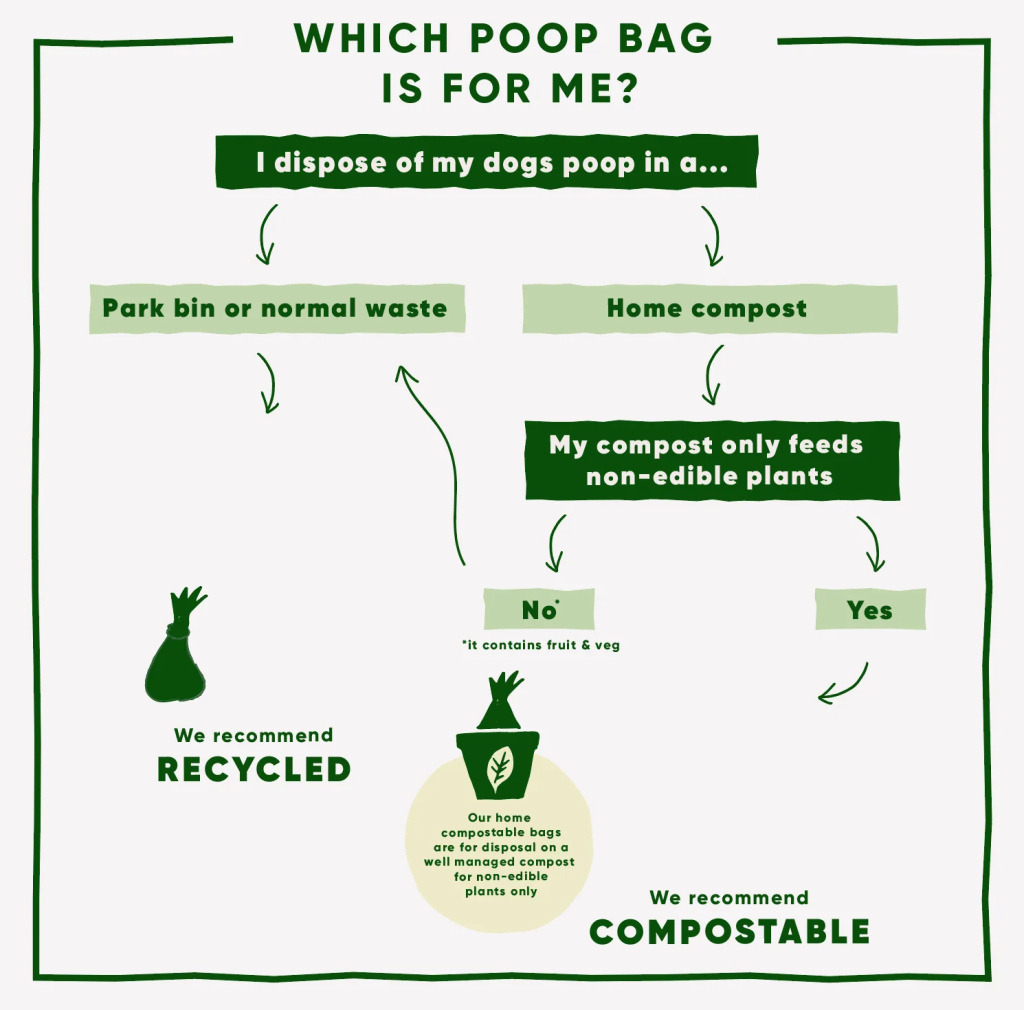
Have you ever wondered if you can put your dog’s poop in your compost bin? It’s a question many pet owners ask when trying to be more eco-friendly.
You want to reduce waste, save money on fertilizers, and create healthy soil for your garden. But is dog poop safe for composting, or could it cause more harm than good? Keep reading to discover the truth and learn how to handle pet waste the right way for your garden’s health and your family’s safety.
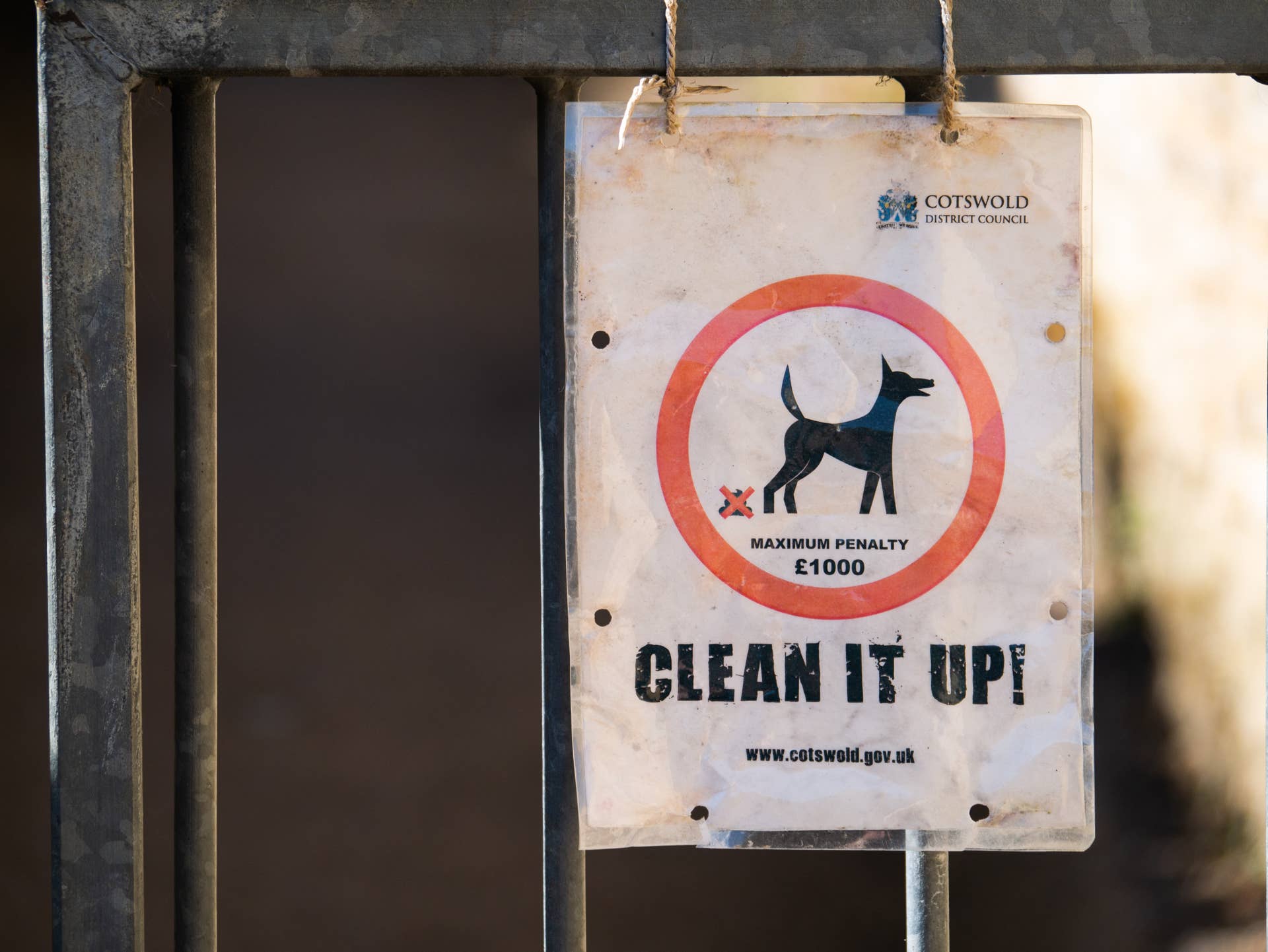
Credit: pethelpful.com
Dog Waste And Composting
Composting is a great way to recycle organic waste. Many people wonder if dog poop can go in their compost bin.
Dog waste is different from plant-based scraps. It needs special care before adding it to compost.
Why Dog Poop Is Different
Dog poop contains harmful bacteria and parasites. These can survive in normal compost bins.
Unlike kitchen scraps, dog waste is not plant material. It breaks down slower and needs higher heat.
- May contain pathogens like E. coli and Salmonella
- Can carry parasites such as roundworms and hookworms
- Needs special composting systems to kill germs
Health Risks To Consider
Using dog poop in compost without care risks spreading diseases. These can affect humans and other animals.
Children and pets are more vulnerable to infections from dog waste. It is important to handle it safely.
- Exposure can cause stomach upset and infections
- Parasites can live in soil for months
- Improper composting does not kill harmful germs
Composting Dog Poop Safely
Many people wonder if they can compost dog poop. It is possible, but it must be done carefully. Composting dog poop can be safe for your garden if you follow specific guidelines.
This guide will help you learn how to compost dog poop safely. We will discuss choosing a compost bin, the right temperature, and avoiding contamination.
Choosing The Right Compost Bin
Selecting the correct compost bin is crucial. A dedicated compost bin is best for dog waste. It keeps the waste separate from food scraps and garden compost.
- Pick a bin with a secure lid
- Choose a location away from food gardens
- Ensure good drainage to prevent odor
Temperature And Time Requirements
Dog poop needs high temperatures to break down safely. The compost pile should reach at least 140°F. This temperature helps kill harmful bacteria and parasites.
It may take several months for the waste to become safe compost. Regularly turning the pile helps maintain the necessary temperature.
Avoiding Cross-contamination
Cross-contamination is a risk when composting dog poop. Never mix dog waste compost with food compost. Use the finished compost only for non-edible plants.
- Wash hands after handling compost
- Use separate tools for pet waste composting
- Label the bin to avoid confusion
Alternatives To Backyard Composting
Dog poop is not safe for regular backyard compost bins. It can carry harmful germs. You need other ways to handle it safely.
This guide shows two good options for pet waste disposal. They keep your garden clean and safe.
Using Pet Waste Disposal Systems
Pet waste disposal systems are made for dog poop. They break down waste without harming your yard.
- Flushable dog waste bags that dissolve in water
- Special bins that use enzymes to decompose waste
- In-ground pet waste digester systems that work like mini septic tanks
- Commercial pet waste composters designed for safe breakdown
These systems keep germs away from your plants. They also stop bad smells.
Municipal Composting Programs
Some cities accept pet waste in their compost programs. This is a safe way to recycle dog poop.
| City | Program Name | Accepted Waste |
| Springfield | Green Bin Program | Dog waste in special bags |
| Rivertown | Compost Pickup | Pet waste and yard waste |
| Laketown | Organic Waste Collection | Pet waste with restrictions |
Check your local rules before using these programs. Follow instructions to keep the process safe and clean.

Credit: yardandgarden.extension.iastate.edu
Benefits Of Proper Dog Waste Disposal
Dog waste can harm the environment if not handled properly. It contains bacteria and parasites that can spread diseases.
Proper disposal keeps your yard clean and protects people and pets from health risks.
Environmental Impact
Dog poop left on the ground can wash into rivers and lakes. This pollutes water and harms fish and plants.
Proper disposal reduces harmful bacteria in water and stops bad smells in your neighborhood.
- Prevents water pollution
- Reduces harmful bacteria spread
- Keeps public spaces clean
Garden And Soil Health
Dog waste is not safe for regular compost bins. It can contain germs that harm plants and people.
Using proper methods for dog waste helps protect soil health and keeps your garden safe to use.
- Prevents harmful germs in soil
- Protects plants from damage
- Ensures safe gardening environment
Common Mistakes To Avoid
Composting dog poop can help reduce waste, but it needs care. Avoid mistakes to keep your compost safe and healthy.
Learn what to avoid when adding dog waste to compost. Follow simple rules to protect your garden and family.
Adding Dog Poop To Regular Compost
Putting dog poop in your regular compost bin can cause problems. It may carry germs and parasites that don’t break down well.
- Do not add dog poop to compost used for food plants.
- Avoid mixing dog waste with kitchen scraps in the same bin.
- Dog poop needs a special composting process with high heat.
- Using regular compost bins may not kill harmful bacteria.
Ignoring Safety Precautions
Safety is key when composting dog waste. Ignoring precautions can risk your health and others’.
| Precaution | Reason |
| Wear gloves when handling dog poop | Prevent direct contact with germs |
| Keep compost bin covered | Stop pests and odors |
| Wash hands after composting | Remove any bacteria |
| Use compost only on non-edible plants | Avoid food contamination |

Credit: misfitgardening.com
Frequently Asked Questions
Can Dog Poop Be Safely Composted At Home?
Dog poop is not recommended for home composting. It contains harmful pathogens that can survive in regular compost bins. Specialized composting systems with high heat are needed to break down these pathogens safely.
What Risks Come From Composting Dog Waste?
Composting dog waste improperly can spread bacteria and parasites. These pathogens pose health risks to humans and pets. It can contaminate soil and plants if not processed correctly.
How To Dispose Of Dog Poop Responsibly?
The safest way is to use biodegradable bags and dispose of dog poop in the trash. Alternatively, some communities offer dog waste composting services designed to handle pet waste safely.
Can Dog Poop Compost Be Used In Vegetable Gardens?
No, compost containing dog poop should never be used on edible plants. It may contain harmful organisms that can contaminate food crops and cause illness.
Conclusion
Dog poop is not safe for regular compost bins. It can spread germs and harm plants. Special composting methods are needed to break down dog waste properly. Use a pet waste composter or check local rules for disposal. Keep your garden healthy by avoiding dog poop in your compost.
Clean compost means better soil and happy plants. Always choose safe ways to handle pet waste. Your garden will thank you.