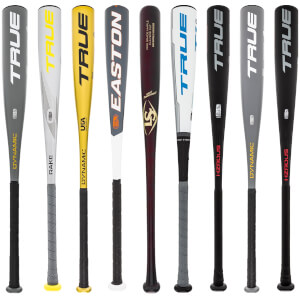
Have you ever held a baseball bat and wondered what it’s really made of? The material inside your bat plays a huge role in how it feels, how it performs, and even how much it costs.
Whether you’re a beginner or a seasoned player, knowing what goes into making a baseball bat can help you choose the right one for your game. You’ll discover the different materials used, why they matter, and how they affect your swing.
Keep reading to unlock the secrets behind the perfect bat made just for you.
Wooden Baseball Bats
Wooden baseball bats have been used for many years in the sport. They offer a traditional feel and are favored by many players.
These bats are made from different types of wood. Each wood type gives the bat unique qualities.
Types Of Wood Used
Wooden bats are mainly made from maple, ash, or birch. Each wood type changes the bat’s weight, strength, and feel.
Maple Bats
Maple bats are made from hard, dense wood. This makes them very strong and durable.
These bats have a smooth surface and a solid feel. They are popular for their power and control.
Ash Bats
Ash wood is lighter and more flexible than maple. This allows for faster swings and better bat speed.
Ash bats have a grainy texture. They can break more easily but offer good shock absorption.
Birch Bats
Birch is a mix between maple and ash. It has good hardness and some flexibility.
Birch bats are smooth like maple but lighter, giving a balanced feel for many players.
Advantages And Drawbacks
- Maple:Very strong and durable but heavier and less flexible.
- Ash:Lightweight and flexible but can break more easily.
- Birch:Balanced hardness and flexibility but less common.
Choosing the right wood depends on your playing style and personal preference. Each wood offers different benefits and some downsides.
Metal Baseball Bats
Metal baseball bats are popular among players of all ages. They are known for their durability and performance on the field.
These bats come in different materials like aluminum, alloy, and composite. Each type offers unique features for players.
Aluminum Bats
Aluminum bats are lightweight and easy to swing. They are a common choice for beginners and young players.
These bats provide a good balance between power and control. They are also less expensive compared to other metal bats.
Alloy Bats
Alloy bats are made from a mix of metals. This combination makes them stronger and more durable than pure aluminum bats.
These bats offer better performance for experienced players. They are slightly heavier, which can help generate more power.
Composite Bats
Composite bats are made from a blend of materials. They are known for their advanced technology and high performance.
These bats often have a larger sweet spot. They can be more expensive but are preferred by serious players.
Benefits And Limitations
Metal bats offer several benefits, like improved swing speed and durability. They are a reliable choice for many players.
- Lightweight for faster swings
- Durable and long-lasting
- Variety of options available
However, some players might find metal bats less flexible. It’s important to choose the right type for your skill level.
Composite Materials
Baseball bats made of composite materials use a mix of strong parts. These parts work together to create bats that are light and tough.
Composite bats offer good balance and can help players swing faster. They are popular among many baseball players today.
Carbon Fiber Bats
Carbon fiber bats use tiny threads of carbon woven into a strong material. This makes the bat light and very stiff.
These bats can help players hit the ball with more speed. They also last a long time without breaking.
Hybrid Bats
Hybrid bats mix different materials like wood, aluminum, and composites. Usually, the handle and barrel use different materials.
This mix gives a good feel and power. Players get the best parts of each material for hitting the ball well.
Performance Features
Composite bats have special features that improve how they work. They can absorb shock and reduce vibration.
- Lightweight design for faster swings
- Large sweet spot for better hits
- Durable materials resist cracks and dents
- Shock absorption lowers hand sting
Material Impact On Performance
Baseball bats come in different materials. Each material changes how the bat feels and works. Choosing the right bat depends on what you want to improve in your game.
Wood, aluminum, and composite are common materials. They affect weight, balance, durability, swing speed, power, and control. Understanding these helps players pick the best bat.
Weight And Balance
Weight and balance depend on the bat’s material. Wood bats are heavier and balanced differently than aluminum or composite bats. This affects how easy the bat is to swing.
| Material | Weight | Balance |
| Wood | Heavier | End-loaded or balanced |
| Aluminum | Lighter | More balanced |
| Composite | Light to medium | Custom balanced |
Durability
Durability varies a lot with material. Wood bats can crack or break. Aluminum bats resist dents and last longer. Composite bats resist cracks but may wear over time.
- Wood bats need more care to avoid damage.
- Aluminum bats handle impacts well and stay strong.
- Composite bats absorb shock but may lose pop after heavy use.
Swing Speed
Lighter bats help players swing faster. Aluminum and composite bats are lighter than wood bats. Faster swings give players more time to react to pitches.
Wood bats feel heavier but give solid feedback on contact. Composite bats often balance weight to boost swing speed without losing power.
Power And Control
Power depends on bat material and balance. Wood bats give strong hits but need skill. Aluminum and composite bats help generate power with less effort.
- Wood bats offer good control for skilled players.
- Aluminum bats provide consistent power and easier control.
- Composite bats balance power and control well, suitable for many players.
Regulations And Standards
Baseball bats must follow rules to keep the sport fair and safe. These rules cover the bat’s materials, size, and performance. Different leagues have their own guidelines to protect players and maintain game balance.
Understanding these regulations helps players and manufacturers know what is allowed. This also affects how bats are made and tested before use in games.
Professional League Rules
Professional leagues like Major League Baseball (MLB) have strict rules about bats. Only certain materials and sizes are allowed. Wooden bats are required in most cases.
- Bats must be made from a single piece of solid wood.
- Aluminum or composite bats are not allowed in professional play.
- The length cannot exceed 42 inches.
- The diameter at the thickest part must not be more than 2.61 inches.
- Bats must not have any enhancements that improve performance unfairly.
Youth League Restrictions
Youth leagues have different rules to protect young players. They often allow lighter materials to reduce injury risk. These rules can vary by age group and league organization.
| Age Group | Allowed Bat Material | Maximum Length | Performance Limit |
| 8-10 years | Aluminum, Composite | 30 inches | USA Baseball Standard |
| 11-13 years | Aluminum, Composite, Wood | 32 inches | USA Baseball Standard |
| 14-18 years | Wood, Aluminum | 34 inches | BPF 1.15 Limit |
Material Certification
Bat materials must be certified to meet safety and performance standards. Certification ensures bats are tested and approved by official organizations. This helps keep the sport fair and players safe.
- USA Baseball Stamp for youth bats
- BBCOR Certification for high school and college bats
- PSA (Performance Standard Approval) for professional wooden bats

Credit: www.youtube.com
Choosing The Right Bat Material
Baseball bats come in many materials like wood, aluminum, and composite. Picking the right material helps improve your play.
Each material has benefits and fits different player needs. Learn what suits you best before buying a bat.
Player Age And Skill Level
Younger and beginner players often use lighter bats. These bats help them swing faster and control the ball better.
Advanced players may prefer heavier bats made from wood or composite. These offer more power and durability.
- Kids: Aluminum or composite for light weight
- Teens: Wood or composite for balance of weight and power
- Adults: Wood for tradition, composite for power
Budget Considerations
Bats vary in price depending on the material and brand. Wood bats often cost less but wear out faster.
Aluminum and composite bats can be more expensive but last longer. Choose what fits your budget and needs.
- Wood bats: Affordable, need replacement over time
- Aluminum bats: Mid-range price, durable
- Composite bats: Higher price, best performance
Personal Preferences
Some players like the feel and sound of a wooden bat. Others prefer the lighter weight of aluminum or composite.
Try different bats to see what feels comfortable. Your swing style and comfort matter most in choosing a bat.
- Wood bats: Classic feel and sound
- Aluminum bats: Lightweight and fast swing
- Composite bats: Balanced weight and power
Care And Maintenance
Baseball bats need proper care to last longer and perform well. Different bats require different upkeep methods. Wood and metal bats have unique needs to stay in good shape.
Taking care of your bat helps avoid damage and keeps it ready for the next game or practice.
Wood Bat Upkeep
Wood bats are sensitive to moisture and cracks. Keeping them dry is very important. Avoid using them in wet conditions and store them in a dry place.
- Never leave a wood bat in a car on hot or cold days.
- Check for cracks or dents before each use.
- Use bat wax or conditioner to protect the surface.
- Handle the bat gently to avoid dents and splits.
Metal Bat Care Tips
Metal bats are tougher but still need care. Keep them clean and check for dents or bends. Avoid hitting hard objects like rocks or metal poles.
| Care Tip | Reason |
|---|---|
| Wipe down after use | Removes dirt and prevents rust |
| Store in a cool, dry place | Prevents warping and corrosion |
| Inspect for dents regularly | Ensures safety and performance |
| Avoid extreme temperatures | Protects bat integrity |
Extending Bat Lifespan
Following simple steps can help your bat last longer. Proper storage and gentle use make a big difference.
- Store bats upright in a bat rack or bag.
- Keep bats away from moisture and extreme heat.
- Clean bats regularly with a soft cloth.
- Do not use bats for anything other than baseball or softball.
- Replace bats if you notice serious damage or performance drop.
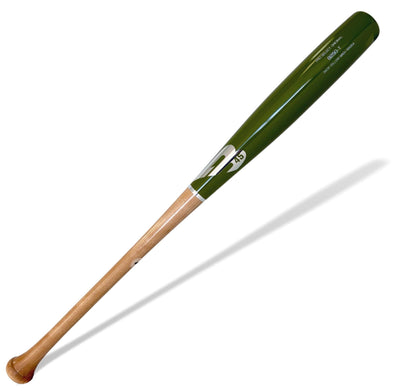
Credit: www.b45baseball.com

Credit: www.slugger.com
Frequently Asked Questions
What Materials Are Baseball Bats Commonly Made Of?
Baseball bats are commonly made of wood, aluminum, and composite materials. Wood bats use ash, maple, or birch. Aluminum bats are lightweight and durable. Composite bats combine carbon fiber and resin for performance.
Why Are Wooden Bats Preferred In Professional Baseball?
Wooden bats are preferred for their traditional feel and performance. They provide better control and feedback. Major leagues mandate wood for consistency and safety.
How Do Aluminum Bats Differ From Wooden Bats?
Aluminum bats are lighter and more durable than wood. They offer a larger sweet spot and better swing speed. However, aluminum bats are mostly used in amateur leagues.
What Benefits Do Composite Bats Offer Players?
Composite bats are lightweight and reduce vibration. They provide enhanced durability and better power transfer. Many players prefer composite for improved performance and comfort.
Conclusion
Baseball bats come in many materials like wood, aluminum, and composite. Each type affects how the bat feels and performs. Wood bats offer tradition and natural swing balance. Aluminum bats are lighter and often used in amateur games. Composite bats blend materials for strength and flexibility.
Choosing the right bat depends on your style and league rules. Understanding what bats are made of helps you pick the best fit. This knowledge makes playing baseball more enjoyable and effective. Keep these basics in mind when selecting your next bat.