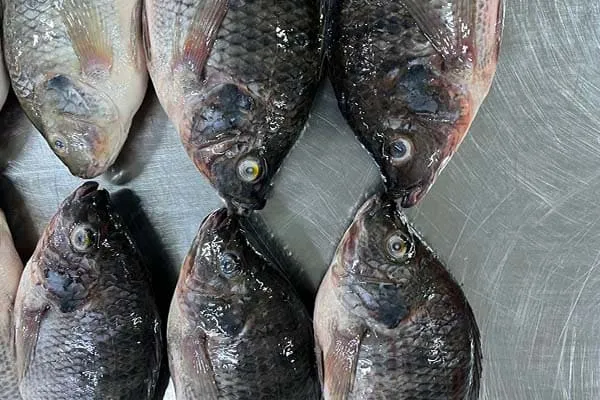
Have you ever found a package of tilapia in your freezer and wondered if it’s still safe to eat? You’re not alone.
Freezing is a fantastic way to keep your fish fresh, but knowing just how long it stays good can be a bit of a mystery. You want to make sure that when you finally decide to thaw and cook it, it’s still delicious and safe for your family.
We’ll dive into the specifics of how long tilapia is good for in the freezer. You’ll discover the best practices to ensure your fish maintains its flavor and nutritional value, and learn some tips to maximize its shelf life. So, let’s unravel the secrets of your freezer and ensure your next tilapia dish is a hit!
Credit: yanghuafishery.com
Tilapia Shelf Life In Freezer
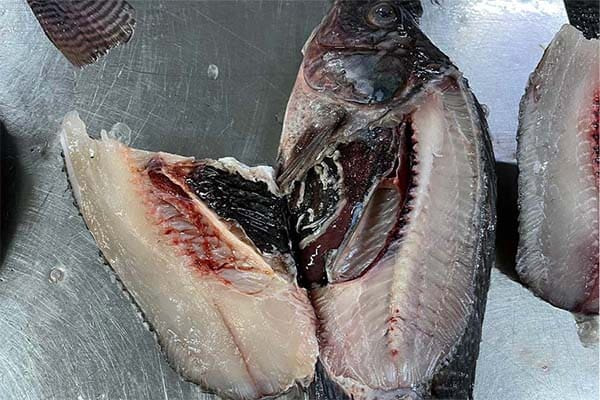
Freezing tilapia is a great way to keep it fresh for longer. Proper freezing helps maintain its taste and texture. Knowing the shelf life of tilapia in the freezer ensures safe and tasty meals. Different forms of tilapia have different freezer durations.
Fresh Tilapia Duration
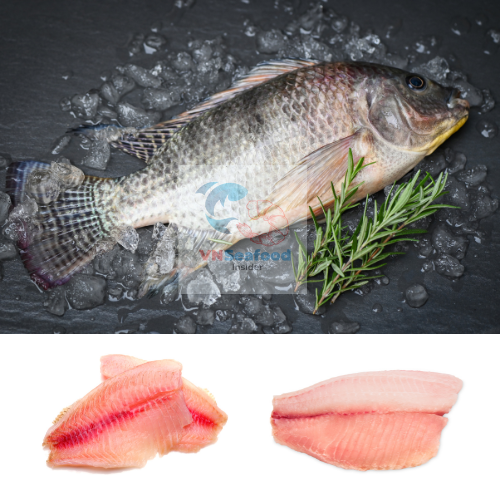
Fresh tilapia can last in the freezer for up to 6 months. Keep it tightly wrapped in freezer-safe packaging. Avoid air exposure to prevent freezer burn. Label the package with the freezing date. Use within this period for best quality and safety.
Cooked Tilapia Duration
Cooked tilapia stays good in the freezer for 2 to 3 months. Store it in airtight containers or sealed bags. Cool the fish before freezing to keep texture intact. Use within this time to enjoy its best flavor and freshness.
Credit: vnseafoodinsider.com
Factors Affecting Freezer Storage
Freezing tilapia is a smart way to keep it fresh for longer, but several factors influence how well it holds up in the freezer. Understanding these factors can help you maintain the best quality and safety of your fish. Let’s break down what really affects tilapia’s freezer storage life.
Packaging Methods
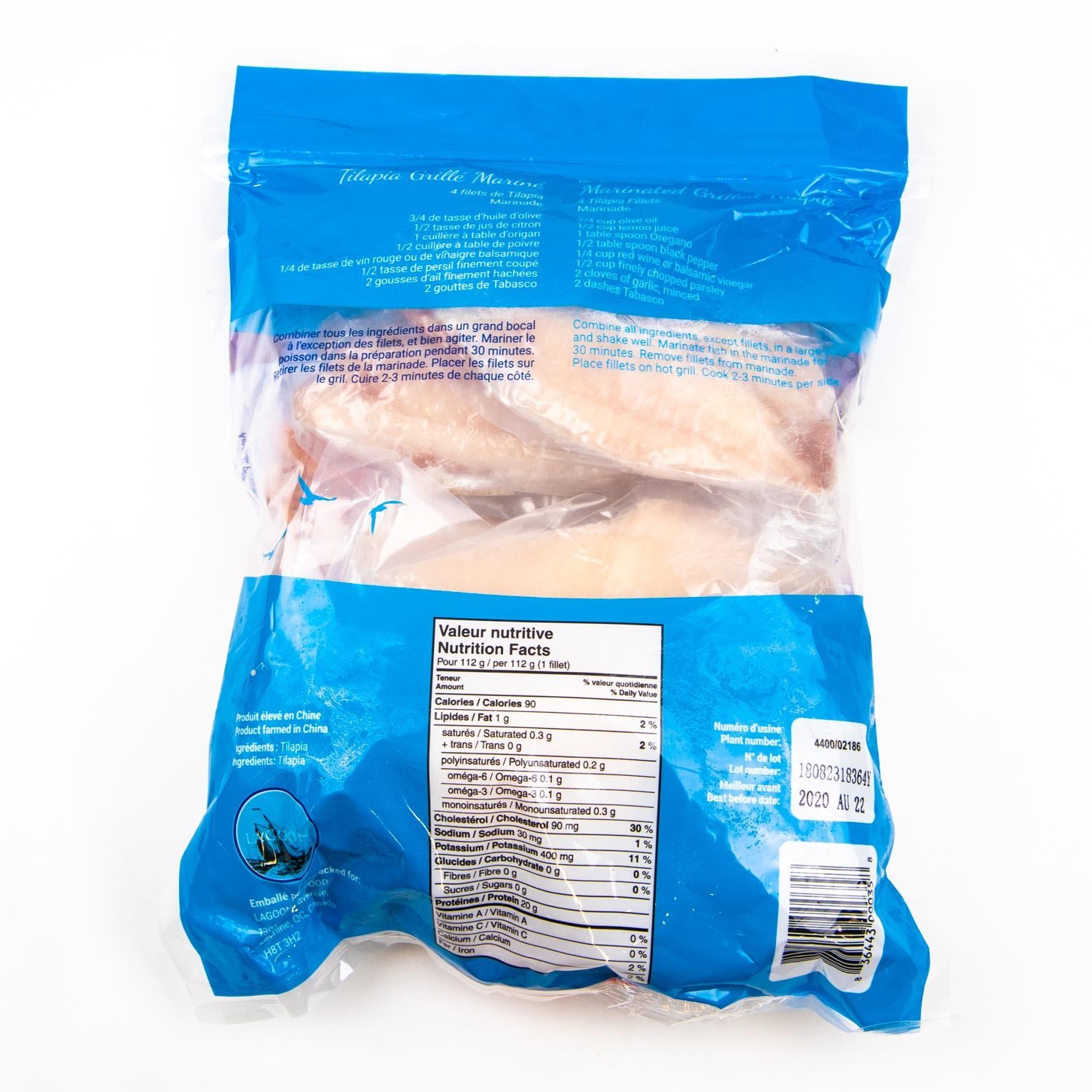
How you package tilapia before freezing has a huge impact on its shelf life. Airtight packaging prevents freezer burn, which dries out the fish and ruins its texture.
Use vacuum-sealed bags or heavy-duty freezer bags with as much air removed as possible. Wrapping the fish tightly in plastic wrap before placing it in a freezer bag adds an extra layer of protection.
Have you ever noticed your frozen fish tasting off or looking shriveled? That’s often poor packaging at fault. Proper wrapping keeps moisture in and air out, preserving flavor and freshness.
Freezer Temperature
Keeping your freezer at a consistent temperature is critical. Tilapia stored at 0°F (-18°C) or lower stays good much longer than fish kept in a fluctuating or warmer freezer.
Even slight temperature changes cause ice crystals to form and melt repeatedly, breaking down the fish’s texture. If your freezer door is opened frequently or doesn’t seal well, your tilapia’s quality will drop faster.
Do you check your freezer’s temperature regularly? Using a freezer thermometer can help you avoid accidental spoilage and keep your fish in prime condition.
Initial Freshness
The fresher the tilapia when it goes into the freezer, the better it freezes. Freezing fish that’s already starting to spoil won’t improve its quality or safety.
Look for firm, moist, and clean-smelling fish. If it smells fishy or feels slimy, it’s best to cook it immediately or discard it.
Think about your last experience freezing fish—did you freeze it right after buying or after a few days in the fridge? Timing makes a big difference in how long your tilapia stays good in the freezer.
Best Practices For Freezing Tilapia
Freezing tilapia properly is key to preserving its fresh taste and texture. If you want to enjoy your fish just like the day you bought it, you need to pay attention to how you prepare and store it. Let’s dive into some best practices that will help you freeze tilapia the right way.
Preparation Tips
Before freezing, rinse the tilapia under cold water to remove any surface bacteria. Pat it dry thoroughly with paper towels to avoid ice crystals forming during freezing. If you’re freezing fillets, consider cutting them into meal-sized portions for easier thawing later.
Removing excess moisture helps prevent freezer burn, which ruins the fish’s texture. Have you noticed how soggy fish feels after freezing? That usually means it wasn’t dried properly before freezing.
Storage Containers
Choosing the right container can make a big difference. Use airtight containers or heavy-duty freezer bags to protect the fish from air exposure. Squeeze out as much air as possible from freezer bags before sealing to reduce ice crystal formation.
Vacuum sealing is ideal if you have the equipment—it locks in freshness and extends freezer life. If you don’t, wrapping the fillets tightly in plastic wrap before placing them in a freezer bag adds an extra layer of protection.
Labeling And Dating
Always label your containers with the date you froze the tilapia. This simple step helps you keep track of freshness and avoid eating fish that’s been in the freezer too long. You might not realize how easy it is to forget when you stored it until it’s too late.
Consider writing the type of cut and portion size as well. That way, when you’re ready to cook, you’ll know exactly what you’re pulling out of the freezer without any surprises.
Signs Of Frozen Tilapia Spoilage
Frozen tilapia can last a long time in the freezer, but it does not stay fresh forever. Knowing the signs of spoilage helps avoid eating bad fish. Spoiled tilapia can cause stomach problems and unpleasant taste. Check the fish carefully before cooking or eating.
Appearance Changes
- Look for any discoloration, like dark spots or yellowing.
- Frost or ice crystals on the fish can mean freezer burn.
- Cloudy or dull color shows the fish is losing freshness.
- White patches or dryness also indicate spoilage.
Texture Differences
- Frozen tilapia should feel firm to touch after thawing.
- Soft, mushy, or slimy texture means it is spoiled.
- Sticky or overly dry fish signals freezer damage.
- Fish that breaks apart easily may be bad.
Odor Indicators
- Fresh tilapia has a mild, clean smell.
- A strong, fishy or sour odor means spoilage.
- Any strange or ammonia-like smell is a warning.
- Trust your nose; bad smell means do not eat.
Thawing Frozen Tilapia Safely
Thawing frozen tilapia properly is key to keeping its flavor fresh and ensuring it’s safe to eat. If you rush the process or use the wrong technique, you risk bacterial growth or a mushy texture. Let’s look at reliable ways to thaw tilapia that fit different schedules and kitchen setups.
Refrigerator Thawing
This is the safest and most foolproof way to thaw your frozen tilapia. Simply place the fish in its packaging or a sealed container on a plate to catch any drips. Allow it to thaw slowly in the fridge for about 12 to 24 hours depending on the thickness.
It might feel slow, but this gentle thaw keeps the fish at a safe temperature. Have you noticed the difference in texture when fish is thawed this way? It often tastes fresher and holds together better when cooked.
Cold Water Method
If you need to thaw tilapia faster, submerge the sealed fish in cold water. Change the water every 30 minutes to keep it cold and safe. This method usually takes about 1 to 2 hours, depending on the size of the fillets.
Be sure your packaging is leak-proof to avoid water contamination. This approach balances speed and safety well, especially if you forgot to plan ahead. How often do you find yourself needing a quicker thaw?
Microwave Thawing
Microwave thawing is the quickest but requires careful attention to avoid partially cooking the fish. Use your microwave’s defrost setting and check the tilapia every 30 seconds. Rotate or flip the fish to prevent hot spots.
Once thawed, cook the tilapia immediately to stop any bacterial growth. This method is great for last-minute meals but can affect texture if you’re not careful. Have you tried this and ended up with unevenly cooked fish?
Credit: mayrand.ca
Cooking Frozen Tilapia
Cooking frozen tilapia is easy and saves time. You do not need to thaw it first. This method keeps the fish fresh and moist. Proper cooking ensures great taste and texture. Follow simple tips for perfect results every time.
Direct Cooking Tips
- Rinse frozen tilapia under cold water briefly.
- Pat dry with paper towels before cooking.
- Use non-stick pans or baking sheets to prevent sticking.
- Cook on medium heat to cook evenly.
- Season the fish just before cooking for best flavor.
- Oven baking at 400°F usually takes 12 to 15 minutes.
- Pan-searing takes about 6 to 8 minutes per side.
Avoiding Overcooking
Tilapia cooks quickly, especially when frozen. Overcooked fish becomes dry and tough. Watch for the flesh to turn opaque and flaky. Use a fork to check tenderness gently. Remove from heat as soon as it flakes easily. Let the fish rest a few minutes to finish cooking inside.
Frequently Asked Questions
How Long Can Tilapia Stay Fresh In The Freezer?
Tilapia can stay fresh in the freezer for 6 to 8 months. Proper packaging in airtight containers or vacuum-sealed bags extends its quality. After this, texture and flavor may decline, though it remains safe to eat if frozen continuously.
What Is The Best Way To Freeze Tilapia?
The best way to freeze tilapia is to wrap it tightly in plastic wrap or aluminum foil. Then place it in a freezer-safe airtight bag or vacuum-seal it. This method prevents freezer burn and preserves freshness for longer storage.
Can Frozen Tilapia Be Refrozen Safely?
Refreezing tilapia is safe only if it was thawed in the refrigerator and hasn’t been left out long. Refreezing can reduce quality, so it’s best to freeze in portions to avoid multiple thawing cycles.
How Do I Know If Frozen Tilapia Has Gone Bad?
Signs of bad frozen tilapia include a strong fishy odor, slimy texture, or discoloration. If it smells off or has freezer burn spots, it’s best to discard it to avoid foodborne illness.
Conclusion
Tilapia stays fresh in the freezer for up to six months. Store it well in airtight bags or containers. This helps keep its taste and texture. Always check for freezer burn before cooking. Frozen tilapia is safe if kept at 0°F (-18°C) or below.
Eating it sooner gives the best flavor. Proper storage saves money and reduces food waste. Now you know how to keep tilapia fresh longer. Enjoy your fish safely and deliciously every time.