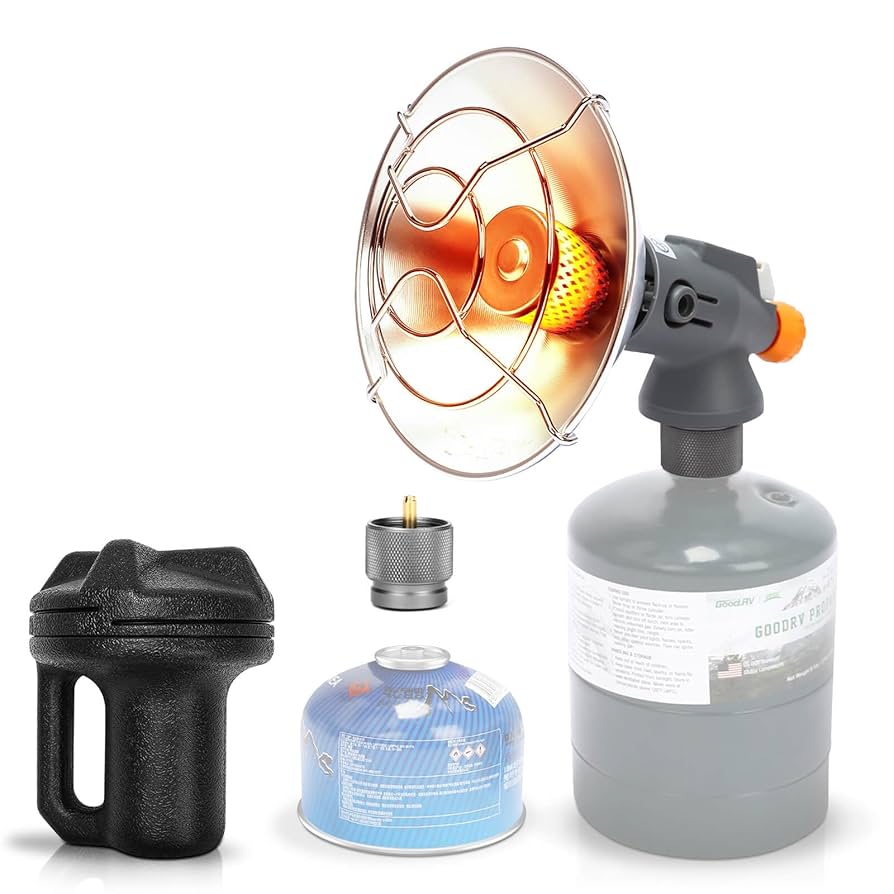
Are you planning a camping trip and wondering if you can use a propane heater inside your tent? Staying warm in chilly weather is crucial, but safety should always come first.
You might think a propane heater is the perfect solution, but is it really safe and practical? You’ll discover everything you need to know about using propane heaters in tents—how to stay cozy without risking your safety. Keep reading to find out the important facts that could make or break your next outdoor adventure.
Propane Heaters And Camping
Camping in cold weather can be tough. Propane heaters help keep your tent warm and cozy. They are popular among campers for their portability and quick heat.
Using propane heaters safely inside tents is important. You must choose the right type and understand how they work to avoid risks.
Types Of Propane Heaters For Tents
There are different propane heaters designed for tent use. Each type has unique features and safety levels.
- Catalytic Heaters:These heaters use a chemical reaction to produce heat without a flame. They are safer for tents because they emit fewer fumes.
- Radiant Heaters:These heaters use an open flame to give off heat. They warm objects directly and work fast but need careful ventilation.
- Convection Heaters:These warm the air inside the tent by heating it and circulating it. They are good for even heat but take longer to warm up.
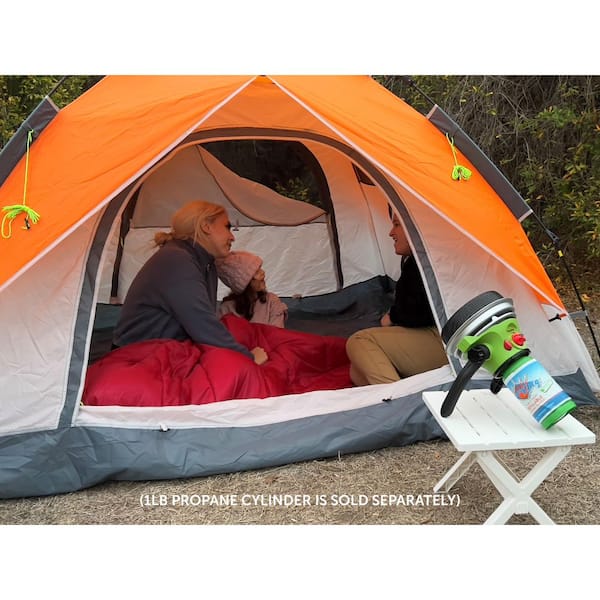
- Portable Tank Heaters:These connect to small propane tanks. They are easy to carry but must be placed outside the tent with heat directed inside.
How Propane Heaters Work
Propane heaters burn propane gas to create heat. The gas flows from a tank to the heater, where it mixes with air and ignites.
| Part | Function |
| Propane Tank | Stores the propane gas safely |
| Burner | Where propane and air mix and burn |
| Heat Emitter | Releases heat into the tent |
| Control Valve | Adjusts the gas flow to control heat |
Credit: www.outsideonline.com
Safety Risks Inside Tents
Using a propane heater in a tent can be risky. It’s important to understand the dangers involved.
Propane heaters might seem convenient, but they can pose serious safety risks. Let’s explore these risks.
Fire Hazards
Propane heaters can cause fires. They generate heat and use an open flame.
Flammable materials are often inside tents. This increases the risk of accidental fires.
- Keep heaters away from sleeping bags and clothes
- Never leave the heater unattended
- Use heaters on a stable, non-flammable surface
Carbon Monoxide Poisoning
Propane heaters can produce carbon monoxide. This gas is colorless and odorless.
Breathing in carbon monoxide can be dangerous. It can lead to serious health issues or death.
- Use heaters with an automatic shut-off feature
- Ensure there’s a working carbon monoxide detector
- Avoid using heaters overnight while sleeping
Ventilation Concerns
Tents are enclosed spaces. Proper ventilation is crucial when using propane heaters.
Without good ventilation, fumes can build up inside the tent. This can be harmful to health.
- Always keep a window or flap open
- Position the heater near an air opening
- Check for signs of poor air quality, like dizziness or headaches
Choosing The Right Heater
Using a propane heater in a tent can keep you warm on cold nights. It is important to pick the right heater for safety and comfort.
Choosing between portable and stationary heaters depends on your needs. Also, look for key safety features to protect yourself.
Portable Vs Stationary Heaters
Portable heaters are small and easy to carry. They work well for camping and quick setup. Stationary heaters are larger and stay in one place. They usually heat bigger spaces but need more setup.
- Portable Heaters: Lightweight and easy to move.
- Stationary Heaters: Larger, heats more space.
- Fuel Use: Portable heaters use small propane tanks. Stationary may use larger tanks or hookups.
- Setup: Portable is quick to set up. Stationary needs more time and care.
Safety Features To Look For
| Feature | Why It Matters |
| Tip-over Switch | Turns off heater if it falls over. |
| Oxygen Depletion Sensor | Shuts off heater if oxygen is low. |
| Automatic Shut-off | Stops heater if it overheats. |
| Stable Base | Prevents tipping and accidents. |
| Clear Instructions | Helps users operate heater safely. |
Always check these features before buying a propane heater for your tent. They help keep you safe and warm.

Credit: www.reddit.com
Safe Setup And Use
Using a propane heater in a tent can keep you warm during cold weather. It is important to set it up safely to avoid accidents.
Follow safety tips to reduce risks like fire and carbon monoxide poisoning. Proper use helps keep you safe and comfortable.
Proper Placement In Tent
Place the propane heater on a flat, stable surface inside the tent. Keep it away from fabric and flammable materials.
Keep a clear space of at least three feet around the heater. Do not place it near sleeping bags or backpacks.
- Use a heat-resistant mat under the heater
- Keep the heater away from tent walls
- Do not block exits or pathways
Maintaining Ventilation
Always keep some ventilation open in your tent. Fresh air helps prevent carbon monoxide buildup from the heater.
Open a window or door slightly. Avoid sealing the tent completely when the heater is on.
- Check vents regularly for blockages
- Use tents designed for indoor heaters if possible
- Never sleep with the heater running without ventilation
Using Carbon Monoxide Detectors
Carbon monoxide detectors save lives by alerting you to dangerous gas levels. Use one inside your tent when using a propane heater.
Choose a portable, battery-powered detector. Test it before each use to ensure it works well.
- Place the detector near the sleeping area
- Keep fresh batteries on hand
- Replace detectors every 5 years
Fuel Storage And Handling
Using a propane heater in a tent requires careful fuel storage and handling. Proper care reduces risks and keeps you safe.
Follow safety tips to store and transport propane fuel correctly. This helps prevent leaks, fires, or accidents.
Storing Propane Safely
Store propane tanks outdoors in a well-ventilated area. Keep them away from heat sources and direct sunlight.
- Keep tanks upright on a flat surface
- Do not store propane inside your tent or vehicle
- Check tanks regularly for damage or leaks
- Use a protective cap on the valve when not in use
- Store tanks away from flammable materials
Transporting Fuel Canisters
Carry propane canisters carefully to avoid damage. Secure them to prevent tipping or rolling during transport.
| Do | Don’t |
| Keep tanks upright and secure | Lay tanks flat or on their side |
| Transport in a ventilated area | Leave tanks in hot, enclosed spaces |
| Check for leaks before transport | Ignore signs of damage or leaks |
| Use protective valve caps | Remove valve caps |
Emergency Preparedness
Using a propane heater in a tent can be risky. It is important to prepare for emergencies. Knowing what to watch for and how to act keeps you safe.
This guide helps you recognize danger signs, give first aid for gas exposure, and plan emergency evacuations.
Recognizing Danger Signs
Propane heaters release carbon monoxide, which is dangerous. Early signs of trouble include headaches and dizziness. Watch for these symptoms in yourself and others.
- Dizziness or lightheadedness
- Headache that won’t go away
- Nausea or vomiting
- Confusion or weakness
- Flushed or pale skin
- Difficulty breathing
First Aid For Gas Exposure
If someone shows signs of propane gas exposure, act fast. Move them to fresh air immediately. Call for medical help if symptoms are severe.
| Symptom | Action |
| Mild headache or dizziness | Move to fresh air, rest |
| Nausea or vomiting | Keep calm, get fresh air |
| Severe breathing trouble | Call emergency services |
| Loss of consciousness | Call 911, start CPR if trained |
Emergency Evacuation Plans
Have a clear plan to leave your tent fast. Know all exits and safe meeting spots. Practice your plan with everyone in your group.
- Turn off the propane heater immediately.
- Gather all people quickly.
- Exit the tent calmly but fast.
- Move to your pre-planned safe area.
- Check that everyone is accounted for.
- Call for emergency help if needed.
Alternative Heating Options
Using a propane heater inside a tent can be risky. There are safer ways to stay warm. This guide explores other heating options for your tent.
These methods provide warmth without the dangers that come with open flames or gas leaks. Choose the best option based on your needs and camping style.
Electric Heaters
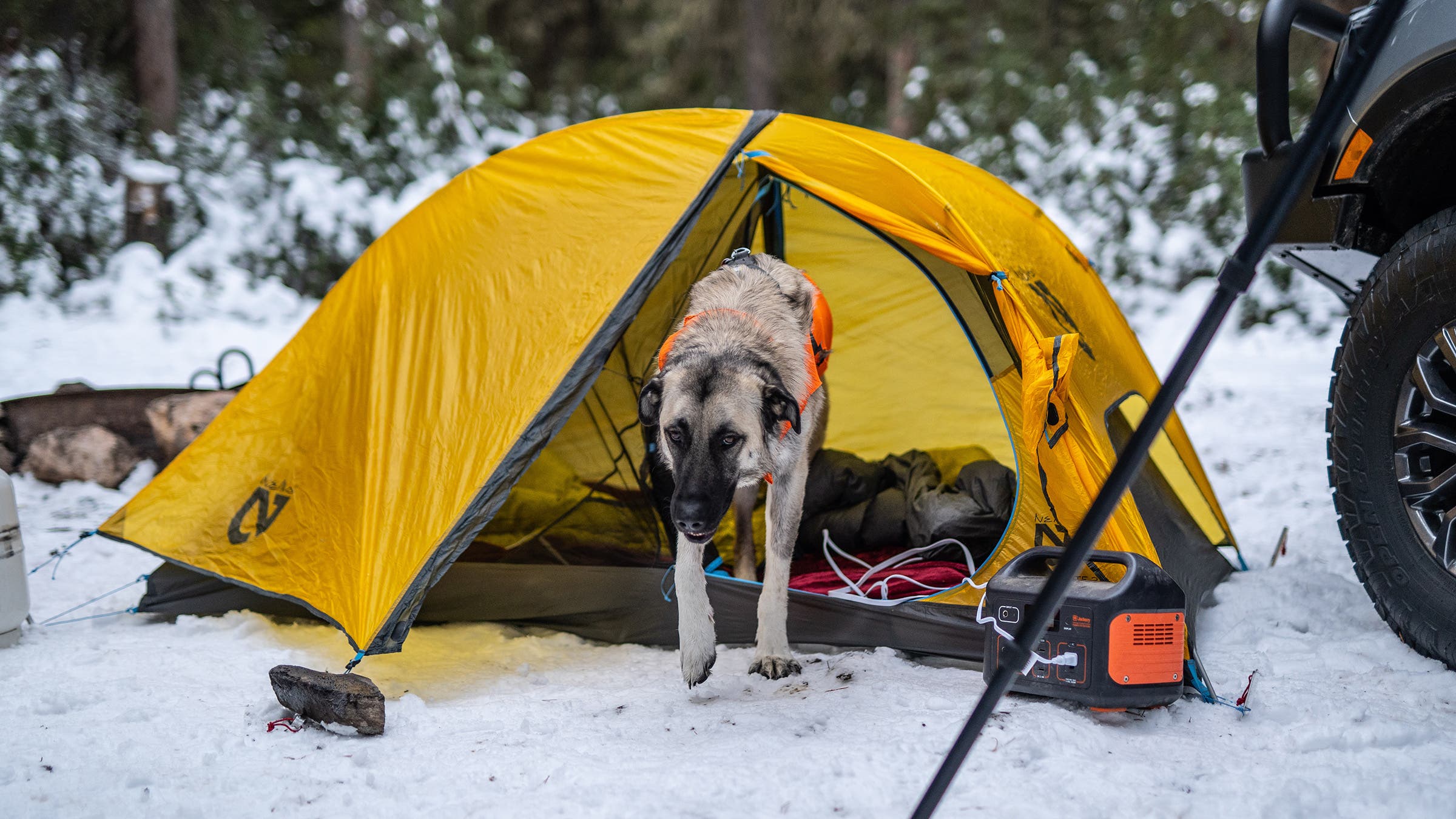
Electric heaters offer a safe and easy way to heat a tent. They do not produce carbon monoxide. You need a power source like a battery or generator.
- Use low-wattage models designed for camping
- Keep heaters away from flammable materials
- Ensure proper ventilation in your tent
- Turn off heaters before sleeping
Battery-powered Warmers
Battery-powered warmers are portable and safe. They include heated gloves, vests, and blankets. These devices use rechargeable batteries to provide heat.
| Device | Use Time | Heat Level |
| Heated Gloves | 4-6 hours | Low to Medium |
| Heated Vest | 6-8 hours | Medium to High |
| Heated Blanket | 3-5 hours | Medium |
Insulation Techniques
Good insulation keeps warmth inside your tent. It works without electricity or fuel. Use materials that block cold air and trap heat.
- Lay a thick ground pad under your sleeping area
- Use an insulated sleeping bag rated for cold temperatures
- Hang a thermal blanket on the tent walls
- Close vents and flaps to reduce drafts
- Wear warm clothing inside the tent
Credit: www.homedepot.com
Frequently Asked Questions
Can Propane Heaters Be Safely Used Inside Tents?
Yes, propane heaters can be used in tents if they are designed for indoor use. Always ensure proper ventilation to avoid carbon monoxide buildup and never leave the heater unattended.
What Safety Precautions Are Needed For Propane Heaters In Tents?
Use a heater with an automatic shut-off feature. Keep it away from flammable materials. Ensure your tent has ventilation to prevent carbon monoxide poisoning.
How To Prevent Carbon Monoxide Poisoning With Propane Heaters?
Ventilate your tent properly and use a carbon monoxide detector. Never use unvented heaters in enclosed spaces to avoid dangerous gas accumulation.
Are Propane Heaters Efficient For Camping In Cold Weather?
Yes, propane heaters provide quick and efficient heat, making them ideal for cold weather camping. Choose a model suitable for indoor tent use.
Conclusion
Using a propane heater in a tent can keep you warm on cold nights. Always follow safety rules to avoid risks like fire or gas leaks. Keep the tent well-ventilated to ensure fresh air inside. Choose heaters made for indoor or tent use only.
Regular checks help spot any problems early. Stay alert and never leave the heater running while you sleep. With care, a propane heater can make camping more comfortable and safe.