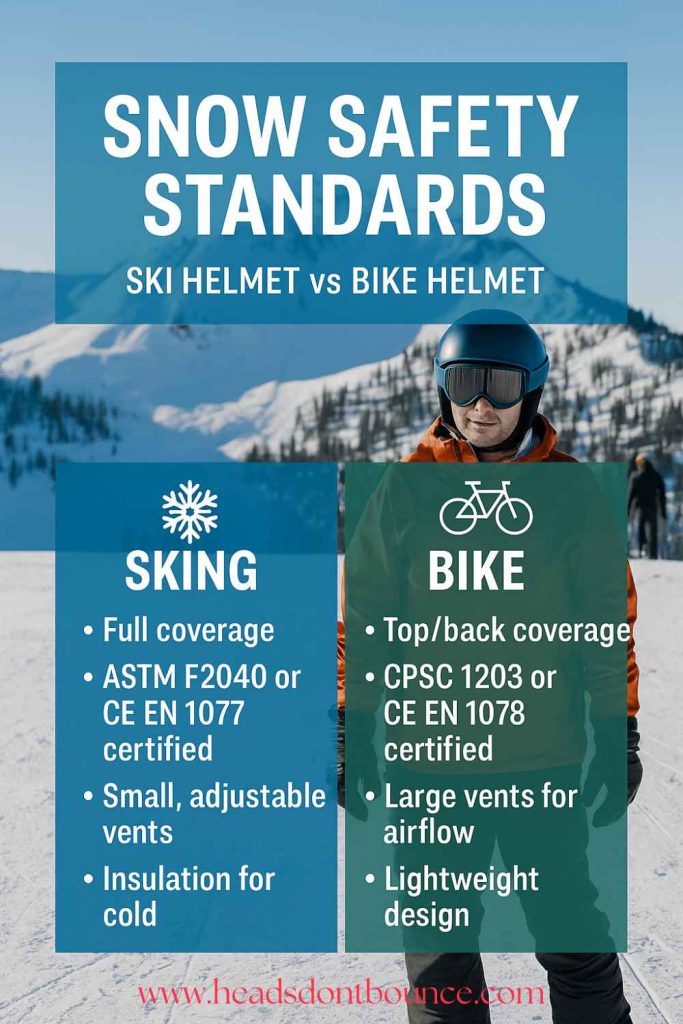
Are you wondering if your bike helmet can double as a ski helmet? It’s a common question, especially when you want to save money or keep things simple.
But before you hit the slopes with your bike helmet, it’s important to know if it can really protect you the way a ski helmet does. Your safety matters, and using the wrong gear could put you at risk. Keep reading to find out what you need to consider and how to make sure your head stays safe no matter the sport.
Bike Helmets Vs Ski Helmets
Bike helmets and ski helmets both protect your head. They look similar but have key differences.
It is important to know if you can use a bike helmet for skiing. Safety depends on the helmet’s design and standards.
Design Differences
Bike helmets have many vents to keep your head cool. Ski helmets have fewer vents to keep warmth inside.
Ski helmets often cover more of the ears. This helps protect from cold and impacts on slopes.
- Bike helmets have large ventilation holes
- Ski helmets have smaller or covered vents
- Ski helmets cover ears more fully
Material And Construction
Both helmets use hard outer shells and foam inside. The foam absorbs impact energy to protect your head.
Ski helmets often have thicker padding for cold weather. Some have special liners for warmth and comfort.
- Outer shell made of plastic or composite materials
- Inner foam made of expanded polystyrene (EPS)
- Ski helmets may include extra insulation layers
Impact Protection Standards
Bike helmets meet different safety tests than ski helmets. Each standard matches the risks of the sport.
Ski helmets must protect against impacts at colder temperatures and rougher falls. Bike helmets test for different impacts.
| Helmet Type | Common Safety Standard | Test Focus |
|---|---|---|
| Bike Helmet | CPSC (USA) | Impact from falls and crashes on pavement |
| Ski Helmet | ASTM F2040 | Impact protection in cold weather and rough terrain |
Safety Standards Explained
When skiing, safety is a top priority. You might wonder if a bike helmet can work for skiing. Understanding helmet safety standards helps answer this question.
Both bike and ski helmets are designed to protect your head. But they must meet different safety standards. Let’s explore these standards in detail.
Bike Helmet Certifications
Bike helmets must meet specific safety standards to ensure protection. These standards are set by various organizations.
- Consumer Product Safety Commission (CPSC)
- Snell Memorial Foundation
- European Committee for Standardization (CE EN 1078)
Ski Helmet Certifications
Ski helmets are tested differently. They must withstand cold temperatures and impacts with snow and ice.
| Certification | Region |
| ASTM F2040 | USA |
| EN 1077 | Europe |
| Snell RS-98 | International |
Why Standards Matter
Safety standards ensure that helmets can protect you in specific conditions. Without meeting these standards, a helmet might not offer the necessary protection.
Risks Of Using Bike Helmets For Skiing
Some people wonder if bike helmets work for skiing. Using a helmet made for biking can cause problems on the slopes. Skiing and biking have different needs for helmets.
This article looks at risks when using bike helmets for skiing. It covers weather effects, fit problems, and injury risks.
Temperature And Weather Considerations
Bike helmets are designed for warmer weather. Ski helmets protect better against cold and wet conditions.
- Bike helmets have more vents that let cold air in.
- Ski helmets often have insulation to keep your head warm.
- Bike helmets may not resist snow and water well.
- Ski helmets usually have special coatings to repel moisture.
Coverage And Fit Issues
Bike helmets fit differently than ski helmets. The coverage area and strap design matter for safety.
| Helmet Feature | Bike Helmet | Ski Helmet |
| Head Coverage | Limited to top and sides | Extended to back and ears |
| Fit Adjustments | Simple dial or straps | More padding and chin protection |
| Strap Design | Thin straps | Wider straps with extra support |
Potential Injury Risks
Using a bike helmet for skiing can increase injury risk. The helmet may not protect properly during winter falls.
Key injury risks include:
- Less protection for the back of the head, common in ski falls.
- Impact absorption designed for bike crashes, not ski impacts.
- Cold and wet conditions can reduce helmet strength and comfort.
- Loose fit can cause the helmet to move or come off during impact.
Common Myths About Helmets
Many people have wrong ideas about helmets for skiing. These myths can lead to unsafe choices on the slopes. It is important to know the facts to stay safe.
This article clears up three common myths about helmets. Learn why not all helmets are the same and who should wear ski helmets.
One Helmet Fits All
People often think one helmet fits all sports. But bike helmets and ski helmets have different designs. Ski helmets protect against cold and impacts on hard snow. Bike helmets do not have this protection.
- Bike helmets are lighter and have more vents for air.
- Ski helmets offer more insulation to keep your head warm.
- Ski helmets have a stronger shell to handle higher impacts.
- Proper fit is key for any helmet to work well.
Bike Helmets Are Sufficient For Skiing
Some believe bike helmets protect well enough on ski slopes. This is not true. Skiing risks are different and need helmets made for snow sports. Ski helmets reduce injury better in winter conditions.
| Helmet Type | Designed For | Key Feature |
| Bike Helmet | Cycling | Ventilation and light weight |
| Ski Helmet | Skiing and Snowboarding | Insulation and stronger shell |
Ski Helmets Are Only For Professionals
Many think ski helmets are only for expert skiers. This is false. Everyone on the slopes benefits from wearing a helmet. Beginners and casual skiers face risks too.
Reasons all skiers should wear helmets:
- Prevent head injuries from falls.
- Protect against collisions with others.
- Keep warm during cold weather.
- Improve visibility with bright colors.
Choosing The Right Helmet
Choosing the right helmet is important for safety and comfort. Skiing and biking need different helmet features. This guide helps you decide if you can use a bike helmet for skiing.
Understanding your needs and the helmet features helps you stay protected. Budget also plays a role in your choice.
Assessing Your Needs
Think about the type of skiing you do. Are you skiing on easy slopes or going fast on steep runs? Do you need extra warmth or ventilation? Your helmet should fit your skiing style.
- Casual skiing requires basic protection and comfort.
- Freestyle skiing needs a helmet with good impact resistance.
- Backcountry skiing may require extra insulation and safety features.
Key Features To Look For
Ski helmets and bike helmets differ in many ways. Ski helmets offer more insulation and better coverage for cold weather. They also have features to protect against multiple types of impacts.
| Feature | Bike Helmet | Ski Helmet |
| Insulation | Low | High |
| Ventilation | High | Moderate |
| Impact Protection | Single impact | Multi-impact |
| Coverage | Top and sides | Top, sides, and back |
| Chin Protection | Rare | Often included |
Budget Vs Safety
Spending more on a helmet can increase safety. Ski helmets usually cost more than bike helmets. A good helmet fits well and meets safety standards.
Consider these points before buying:
- Check if the helmet is certified for skiing.
- Try the helmet on to ensure a snug fit.
- Don’t choose a helmet just because it is cheap.
- Invest in helmets with tested impact protection.
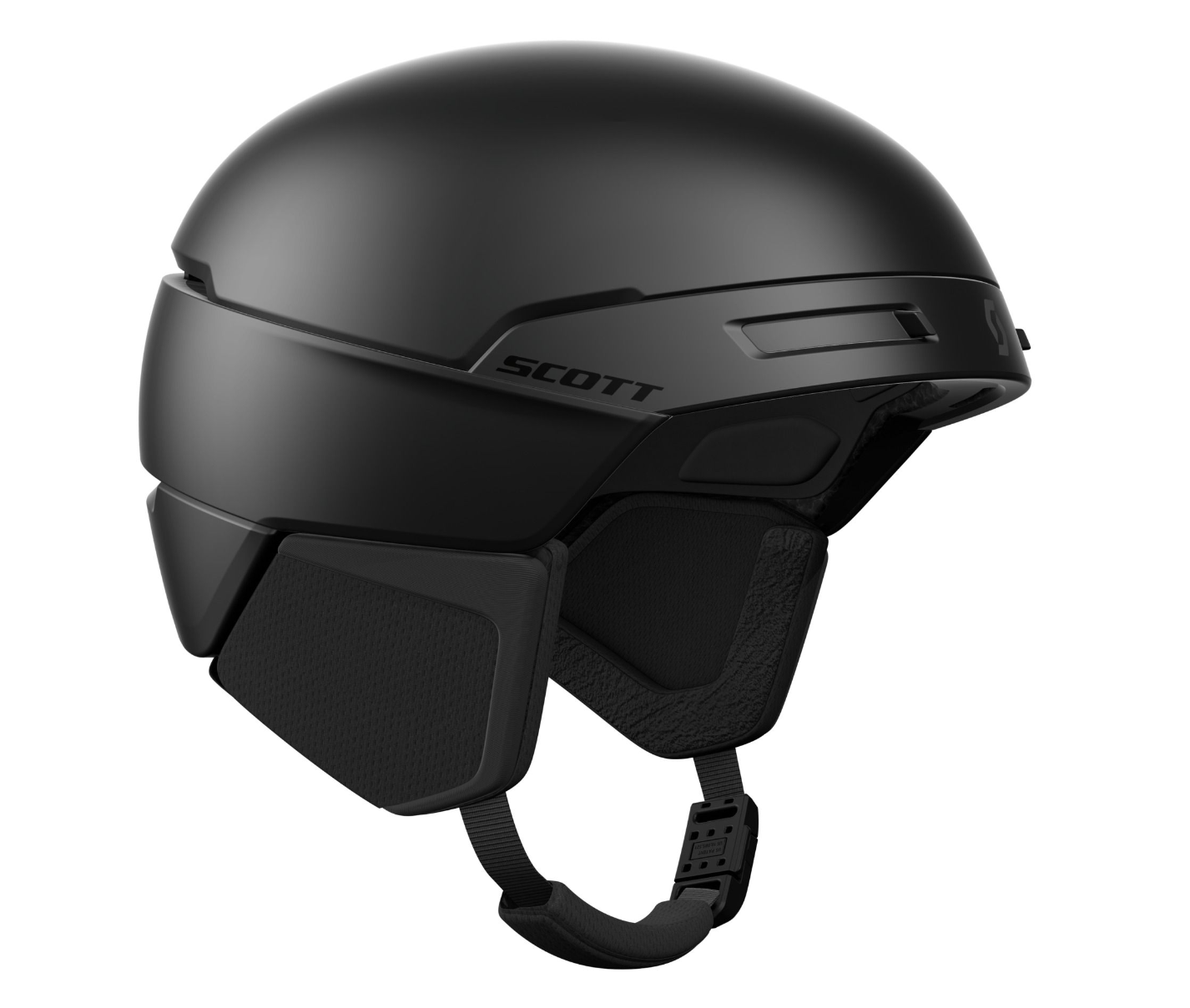
Credit: www.powder.com
Helmet Maintenance Tips
Using a helmet safely means taking good care of it. Proper maintenance keeps it strong and ready to protect you.
Regular checks and cleaning help your helmet last longer. Follow these tips to keep it in top shape.
Cleaning And Storage
Clean your helmet after each use. Use a soft cloth with mild soap and water. Avoid harsh chemicals or strong cleaners.
Store your helmet in a cool, dry place. Keep it away from direct sunlight and heat sources. Use a helmet bag if possible.
- Remove padding and wash it separately if possible
- Dry the helmet fully before storing
- Do not place heavy items on the helmet
When To Replace Your Helmet
Replace your helmet after a strong impact. Even if it looks fine, the inside may be damaged.
Helmets also wear out over time. Most manufacturers suggest replacing helmets every five years.
- Replace after any crash or hard fall
- Replace if the shell cracks or dents
- Replace every 5 years to ensure safety
Checking For Damage
Check your helmet regularly for cracks, dents, or loose parts. Look inside for broken foam or padding.
Test the straps and buckles. Make sure they fasten tightly and do not slip. Replace parts if they look worn out.
- Inspect shell for cracks or dents
- Check foam for compression or damage
- Test straps and buckles for strength
- Replace any damaged parts immediately
Expert Opinions On Helmet Use
Many people wonder if bike helmets work for skiing. Experts share their thoughts on this topic. Safety is the main concern.
We will look at views from safety experts, professional skiers, and helmet makers. This helps you decide what is best.
Safety Experts’ Views
Safety experts say helmets must meet specific standards. Ski helmets are tested differently than bike helmets. They protect against different types of impacts.
Bike helmets are made for crashes on hard, flat surfaces. Ski helmets must protect from falls on snow and ice. Experts warn that bike helmets might not be safe for skiing.
- Ski helmets meet ASTM F2040 or EN 1077 standards.
- Bike helmets meet CPSC or EN 1078 standards.
- Each standard tests for different impact types.
- Using the correct helmet reduces injury risk.
Professional Skiers’ Recommendations
Professional skiers recommend wearing helmets made for skiing. They want gear that fits well and protects during high-speed falls. Many say bike helmets feel less secure on snowy slopes.
Skiers often test different helmets. They choose ones with good ventilation and warmth. They avoid bike helmets because they do not cover the ears well or handle cold weather.
- Ski helmets have better ear coverage.
- They keep the head warm in cold weather.
- Bike helmets may not stay in place during ski falls.
- Proper ski helmets improve confidence on slopes.
Manufacturer Guidelines
Helmet makers advise using their products only for their intended sports. Ski helmet brands warn against using bike helmets for skiing. This is because of safety and design differences.
Manufacturers test helmets for specific impacts and temperatures. Using a helmet outside these guidelines can reduce protection and increase injury risk. They suggest buying a helmet made for skiing.
- Follow the helmet’s sport-specific certification.
- Do not use bike helmets for skiing or snowboarding.
- Check the helmet label for approved use.
- Replace helmets after any serious impact.

Credit: www.giro.com

Credit: www.giro.com
Frequently Asked Questions
Can Bike Helmets Protect You During Skiing?
Bike helmets are not designed for skiing impacts. Ski helmets provide better protection against cold, high-speed falls, and hard snow or ice.
Are Bike Helmets Safe For Skiing In Cold Weather?
Bike helmets lack insulation and ventilation for cold ski conditions. Ski helmets are built to keep you warm and dry.
What Makes Ski Helmets Different From Bike Helmets?
Ski helmets have enhanced padding, insulation, and impact protection for snow. Bike helmets focus on ventilation and lighter weight for cycling.
Can Using A Bike Helmet While Skiing Cause Injuries?
Yes, using a bike helmet may increase injury risk. It may not absorb impacts well or protect against ski-specific hazards.
Conclusion
Bike helmets and ski helmets serve different safety needs. Ski helmets protect better from cold and impacts. Using a bike helmet for skiing is not safe. It may not fit well or keep you warm. Always choose a helmet made for skiing.
Your head’s safety is worth the right gear. Stay protected and enjoy your time on the slopes.