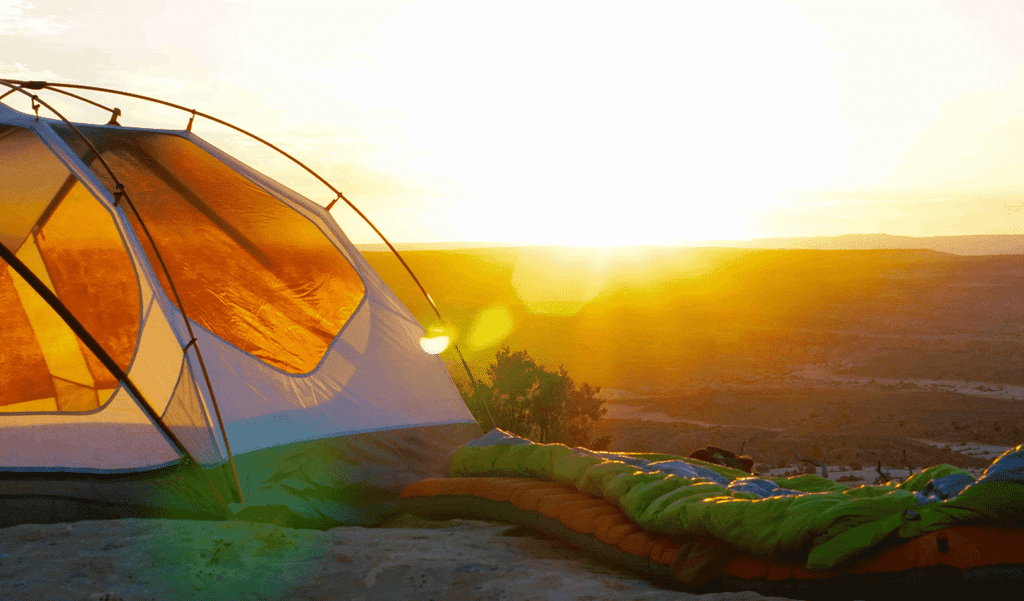
Imagine stepping out of your warm sleeping bag into a freezing tent. It’s uncomfortable, and it can ruin your camping trip.
You want to stay cozy and enjoy your time outdoors, no matter how cold it gets. But how do you keep your tent warm without bulky heaters or expensive gear? In this guide, you’ll discover simple, practical tips that make a big difference.
By the end, you’ll know exactly how to keep your tent warm and comfortable, so you can focus on the adventure, not the chill. Keep reading—you won’t want to miss these easy hacks!
Credit: www.jackery.com
Choose The Right Tent
Keeping a tent warm starts with picking the right one. Different tents offer various features for insulation and comfort. Understanding tent options helps you stay warm on cold nights.
This guide covers important points to consider when choosing a tent. Focus on materials, size and shape, and seasonal ratings. Each factor affects how well your tent keeps heat inside.
Insulated Tent Materials
Tent fabrics affect warmth by blocking wind and trapping heat. Look for tents made of thick, durable materials like polyester or nylon with coatings. These fabrics add layers that slow heat loss.
- Polyester fabric resists moisture and dries quickly
- Nylon is lightweight but strong and often coated for insulation
- Tents with a thermal reflective layer keep heat inside
- Double-wall tents reduce condensation and add warmth
Tent Size And Shape
The size and shape of your tent change how heat stays inside. Smaller tents trap body heat better. Shapes that reduce wind exposure help too. Choose a tent that fits your needs but keeps warmth in.
| Size | Effect on Warmth |
| Small (1-2 person) | Better heat retention, less air to warm |
| Medium (3-4 person) | Balanced space and warmth |
| Large (5+ person) | More space, harder to keep warm |
| Dome shape | Good wind resistance, heat retention |
| Tunnel shape | More space, may lose heat faster |
Seasonal Tent Ratings
Tents come with seasonal ratings showing their best use times. Choose a tent rated for the cold you expect. Three-season tents work for spring, summer, fall. Four-season tents handle winter cold and snow.
- Three-season tents: Lightweight, breathable, less insulated
- Four-season tents: Strong frame, insulated fabric, snow resistant
- Mountaineering tents: Designed for extreme cold and wind

Credit: hot-tent.com
Select A Good Campsite
Keeping a tent warm starts with choosing the right campsite. A good location can make a big difference. Consider the environment around you when setting up your tent.
Look for features that can protect you from cold and wind. The ground can also affect your warmth. Here are some tips to help you select a good campsite.
Sheltered Locations
Find a spot that offers natural shelter. Trees and bushes can block cold winds. Hillsides can offer some protection too. Look for these features when you set up camp.
- Set up near trees for wind protection
- Use hillsides as natural barriers
- Avoid open fields and exposed areas
Avoiding Wind Exposure
Wind can make it feel much colder. Choose a spot that reduces wind exposure. Check the weather forecast to know wind directions. This helps you plan your campsite location.
Position your tent so the entrance faces away from the wind. This can keep the inside warmer. Look for any natural windbreaks like rocks or hills.
Ground Conditions
The ground affects how warm your tent stays. Dry ground is better than wet ground. Wet ground can make the tent colder. Try to avoid areas that collect water after rain.
Look for flat ground that is free of rocks and sticks. These can damage your tent and make sleeping uncomfortable. A good ground layer can help insulate the tent.
Use Insulating Ground Layers
Keeping a tent warm starts with blocking cold from the ground. Insulating ground layers help stop heat loss through the floor.
These layers add comfort and keep you warmer inside your tent at night.
Sleeping Pads And Mats
Sleeping pads and mats create a warm barrier between your body and cold ground. They trap air which helps keep heat close to you.
- Foam pads are lightweight and provide good insulation.
- Inflatable pads can be adjusted for thickness and warmth.
- Self-inflating pads combine foam and air for comfort.
- Choose pads with a high R-value for colder weather.
Ground Tarps And Footprints
Ground tarps or footprints protect your tent floor and add a layer of insulation. They reduce moisture and cold from the earth.
| Type | Benefit | Material |
| Polyethylene tarp | Waterproof, blocks dampness | Plastic |
| Silnylon footprint | Lightweight, durable | Nylon with silicone |
| Tyvek sheet | Breathable, resists moisture | Polyethylene fibers |
Natural Insulation Options
Use natural materials from around your campsite to add warmth. These help trap heat and block cold air under your tent.
- Dry leaves and pine needles make a soft insulating layer.
- Grass can add cushion and reduce cold from the ground.
- Branches or small sticks create airflow and warmth beneath.
- Snow can be packed around tent edges for wind protection.
Opt For Warm Sleeping Gear
Keeping warm inside a tent is important for a good night’s rest. Choosing the right sleeping gear helps keep your body heat inside.
Warm sleeping gear works by adding layers that trap heat and block cold air. This guide shows useful gear choices to stay cozy.
Sleeping Bags For Cold Weather
Cold weather sleeping bags have thick insulation that holds heat well. Pick one rated for temperatures lower than you expect.
- Look for down or synthetic fill for good warmth
- Choose mummy-shaped bags to reduce empty space
- Check for draft collars and hoods to block cold air
- Use a sleeping pad under the bag for extra insulation
Thermal Blankets And Liners
Thermal blankets and liners add an extra warm layer inside your sleeping bag. They reflect heat back to your body.
| Type | Material | Purpose |
| Foil Blanket | Mylar | Reflects body heat |
| Fleece Liner | Fleece | Adds softness and warmth |
| Wool Blanket | Wool | Traps heat and breathes well |
Layering Clothing Inside
Wear several thin layers of clothing inside your sleeping bag. This traps air and keeps you warmer than one thick layer.
- Start with moisture-wicking base layers
- Add insulating mid-layers like fleece or wool
- Wear a hat and socks to keep extremities warm
- Remove wet clothes before sleeping
Retain Heat Inside The Tent
Keeping your tent warm is important during cold weather camping. You want to keep heat inside and stay comfortable at night.
There are simple ways to keep warmth inside your tent without risking safety. These tips help you enjoy your camping trip.
Heat Packs And Hot Water Bottles
Heat packs and hot water bottles add extra warmth inside your tent. They are easy to use and do not need power.
Place heat packs in your sleeping bag or near your feet. Hot water bottles work well wrapped in a cloth to avoid burns.
- Use reusable heat packs for longer warmth
- Fill hot water bottles with hot, not boiling water
- Keep them away from direct skin contact
Ventilation Strategies
Good ventilation helps reduce moisture inside the tent. Too much moisture can make you feel colder.
Keep a small vent open to let fresh air in. This stops condensation and keeps the air dry and warm.
- Open vents or windows slightly
- Avoid sealing the tent completely
- Use mesh panels to allow air flow
Using Portable Heaters Safely
Portable heaters can warm your tent quickly. Use only heaters made for indoor or tent use.
Never leave heaters unattended. Always follow safety instructions to prevent fire or carbon monoxide risks.
- Place heater on a flat, stable surface
- Keep flammable items away from the heater
- Use carbon monoxide detectors if possible
- Turn off heater before sleeping or leaving
Prevent Heat Loss
Keeping a tent warm is important on cold nights. Preventing heat loss helps you stay comfortable inside.
Heat escapes through openings, moisture, and thin materials. Use simple ways to keep warmth in your tent.
Sealing Tent Openings
Close all zippers tightly to stop cold air from coming in. Use extra fabric or tape to cover gaps.
Check around windows, doors, and vents. Cover holes with plastic or fabric to block drafts.
- Zip doors and windows fully
- Use tape or cloth to seal tears
- Close vents if possible
- Cover any holes quickly
Reducing Moisture Build-up
Moisture makes the tent colder and less comfortable. It comes from breath, sweat, and wet clothes.
Keep wet items outside and air the tent when safe. Use a small vent to let moisture escape without losing heat.
- Store wet clothes outside the tent
- Use a vent for airflow
- Wipe away condensation inside
- Use moisture-absorbing packets
Using Reflective Materials
Reflective materials bounce heat back inside the tent. They help keep warmth from escaping through walls and floor.
Place a reflective blanket under your sleeping bag or line the tent walls. This adds a layer that reflects your body heat.
- Put reflective blankets under sleeping bags
- Line tent walls with reflective sheets
- Use space blankets for extra warmth
- Make sure materials do not block vents
Campfire And External Heat Sources
Keeping a tent warm during camping trips can be tricky. Using campfires and other heat sources helps maintain warmth.
These heat methods add comfort in cold weather. It is important to use them safely and effectively.
Safe Campfire Practices
Campfires provide good warmth outside your tent. Always build fires at a safe distance from your tent to avoid fire risks.
Keep a bucket of water or sand nearby. Never leave a campfire unattended and fully put it out before sleeping.
- Clear the area of dry leaves and twigs
- Use a fire ring or pit if available
- Keep fire small and controlled
- Have water or sand ready to extinguish
- Extinguish fire completely before sleeping
Heat Reflection Techniques
Reflecting heat from a campfire helps keep your tent warmer. Use aluminum foil or a reflective blanket behind the fire.
This directs heat toward the tent and reduces heat loss. Position the reflector safely away from flames and your tent fabric.
- Place reflector behind the campfire
- Angle it to bounce heat toward the tent
- Use fire-resistant materials
- Maintain safe distance from tent and fire
Using Heat Rocks
Heat rocks are stones heated in a fire. They store heat and release it slowly near your tent.
Wrap hot rocks in a towel before placing them near you. This method provides steady warmth without direct flames.
- Heat rocks in campfire for 15-20 minutes
- Use thick gloves or tongs to handle hot rocks
- Wrap rocks in cloth to avoid burns
- Place near tent entrance or sleeping area
- Check rocks regularly to avoid overheating
Clothing Tips For Warmth
Keeping warm inside a tent depends a lot on what you wear. Your clothing helps keep heat close to your body. Choosing the right clothes can make camping in cold weather safer and more comfortable.
Layers, fabrics, and staying dry all play a role. This guide covers simple clothing tips to help you keep warm while camping.
Layering Basics
Wearing layers traps warm air and lets you adjust to temperature changes. Each layer has a job to do.
- Base layer:Wicks sweat away from your skin.
- Middle layer:Provides insulation and holds heat.
- Outer layer:Protects against wind and rain.
Choosing Thermal Fabrics
Some fabrics keep you warmer by trapping body heat. Use materials that stay warm even if they get damp.
| Fabric | Warmth | Moisture Handling | Notes |
| Wool | High | Good | Still warm when wet |
| Fleece | Medium | Good | Lightweight and soft |
| Polyester | Medium | Excellent | Dries quickly |
| Cotton | Low | Poor | Avoid in cold weather |
Keeping Dry And Comfortable
Wet clothes make you lose heat fast. Stay dry to keep warm and avoid chills.
- Wear waterproof jackets and pants.
- Change out of wet clothes quickly.
- Use moisture-wicking base layers.
- Keep extra dry socks and gloves in your bag.
- Ventilate your tent to reduce inside moisture.
Credit: www.baysports.com.au
Frequently Asked Questions
How Can I Insulate My Tent Effectively?
Use a reflective tarp under your tent to block cold from the ground. Add an insulated tent footprint and a sleeping pad for extra warmth.
What Clothing Is Best For Staying Warm In A Tent?
Wear moisture-wicking base layers, insulating mid-layers, and a windproof outer layer. Avoid cotton; choose wool or synthetic fabrics.
Are Portable Heaters Safe For Tents?
Use only propane or battery-powered heaters designed for tents. Ensure proper ventilation to avoid carbon monoxide buildup and fire hazards.
How Do I Prevent Heat Loss Through Tent Ventilation?
Close vents partially but maintain airflow to reduce condensation. Use draft stoppers at tent openings to keep warm air inside.
Conclusion
Keeping a tent warm takes simple steps anyone can follow. Use good insulation and block wind to stay cozy. Choose the right sleeping bag and wear warm clothes inside. Small heaters or hot water bottles help a lot too. Always keep air flowing a little to avoid moisture.
Warm tents make camping more fun and safe. Try these tips on your next trip and enjoy warmth all night. Staying warm outdoors is easier than you think.