Are you wondering if the bike helmet you already own can keep you safe on the ski slopes? It’s a smart question, especially if you want to save money or avoid carrying extra gear.
But before you hit the snow, it’s important to know whether your bike helmet offers the protection and comfort you need while skiing. You’ll discover the key differences between bike and ski helmets, what risks you might face, and how to choose the right helmet that truly keeps your head safe.
Keep reading to protect yourself better every time you ride or ski.
Bike Helmets Vs Ski Helmets
Many people wonder if bike helmets can protect them while skiing. Both helmets keep your head safe, but they are made for different sports. It is important to know their differences.
This article explains how bike helmets and ski helmets differ in design, materials, and how they handle air flow and warmth.
Design Differences
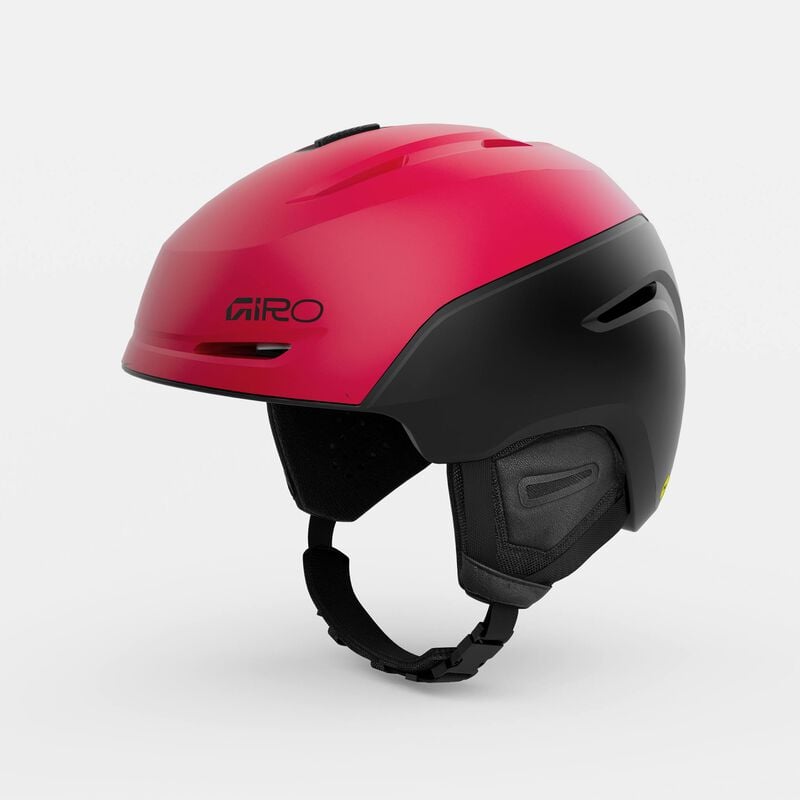
Bike helmets have a round shape with many air vents to keep you cool. Ski helmets cover more of your head and sometimes your ears. They have fewer vents to keep heat inside.
Ski helmets also have a thicker padding to protect against cold and impacts on snow. Bike helmets focus more on light weight and breathability for long rides.
Material And Construction
Both helmets use hard outer shells and foam inside to absorb shocks. Ski helmets often use stronger shells to handle cold weather and falls on hard snow or ice.
| Feature | Bike Helmet | Ski Helmet |
| Outer Shell | Plastic, lightweight | Hard plastic or composite, thicker |
| Inner Foam | EPS foam for impact | EPS foam plus extra insulation |
| Padding | Thin, breathable | Thicker, warm padding |
| Weight | Light | Heavier |
Ventilation And Insulation
Bike helmets have many vents to let air flow and cool the head during exercise. Ski helmets have fewer vents to keep warmth in the cold air.
- Bike helmets use open vents for cooling
- Ski helmets use covered or smaller vents
- Ski helmets often have removable ear covers for warmth
- Bike helmets focus less on insulation

Credit: www.giro.com
Safety Standards For Helmets
Helmets are essential for protecting your head during biking and skiing. Different helmets meet different safety standards. Understanding these standards helps you choose the right helmet for each activity.
Bike Helmet Certifications
Bike helmets must meet specific certifications to ensure safety. These certifications test helmets for impact and strap strength.
- CE EN 1078: Used in Europe
- CPSC: Common in the United States
- AS/NZS 2063: Standard in Australia and New Zealand
Ski Helmet Certifications
Ski helmets also have their own safety standards. These tests focus on cold-weather performance and crash impact.
- ASTM F2040: Used in the United States
- CE EN 1077: Common in Europe
- Snell RS-98: Known for high safety standards
Impact Protection Criteria
Impact protection is key for both bike and ski helmets. Tests measure how well helmets absorb energy from a crash.
| Test Type | Description |
|---|---|
| Drop Test | Simulates falling impact on the helmet |
| Retention Test | Checks if straps hold the helmet securely |
| Puncture Test | Assesses helmet’s resistance to sharp objects |
Risks Of Using Bike Helmets For Skiing
Using a bike helmet for skiing might seem like a good idea to save money. But bike helmets are not made for skiing conditions. They may not protect you well in winter sports.
It is important to know the risks before using a bike helmet on the ski slopes. Skiing needs helmets that handle cold, impacts, and coverage differently.
Temperature And Weather Challenges
Bike helmets are designed for warm weather. They have many vents for airflow. In cold skiing weather, these vents let cold air in.
Cold air can make your head very cold and uncomfortable. Snow and moisture can also enter the helmet easily. This can make your head wet and cold.
- Bike helmets have large vents that let in cold air.
- They do not protect against snow or rain well.
- Lack of insulation can cause cold headaches.
Impact Absorption Differences
Bike helmets and ski helmets use different materials inside to absorb impacts. Ski helmets protect against harder hits on icy surfaces.
Bike helmets are made for falls on pavement or dirt. They might not absorb the force from skiing crashes well. This can cause more head injuries.
- Ski helmets have thicker foam for strong impacts.
- Bike helmets may fail in high-speed ski crashes.
- Using a bike helmet can increase injury risk on slopes.
Fit And Coverage Issues
Bike helmets fit differently than ski helmets. Ski helmets cover more of the back and sides of the head for extra safety.
Bike helmets may leave some parts exposed. They also may not fit well with ski goggles and winter hats. Poor fit reduces protection and comfort.
- Ski helmets provide more head coverage.
- Bike helmets might not fit well with goggles.
- Loose fit can cause helmet movement and less safety.

Credit: www.giro.com
Common Myths About Helmet Use
People often think one helmet works for all sports. This idea can be risky. Helmets are made for specific activities.
We will look at three common myths about using bike helmets for skiing. Knowing the facts helps keep you safe.
One Helmet Fits All Activities
Many believe one helmet suits any sport. This is not true. Helmets are designed for different impacts and conditions.
Bike helmets protect from falls on pavement. Ski helmets protect from cold and hard snow impacts. Using the wrong helmet can cause injury.
Bike Helmets Are Sufficient For Snow Sports
Some think bike helmets work well for skiing. Bike helmets are not made for cold or snow. They lack insulation and proper coverage.
Ski helmets have extra padding to keep you warm. They also cover more of your head. This helps prevent injuries in snow sports.
Cost Savings Justify Helmet Crossover
People try to save money by using one helmet for many sports. This is not safe. A helmet should protect you well in each sport.
Spending a bit more on the right helmet is worth it. Safety is more important than saving money. Different helmets keep you safer.
Expert Recommendations
Bike helmets and ski helmets protect your head but are designed differently. Experts advise choosing the right helmet for each sport. Using the correct helmet reduces injury risks.
This guide explains when to pick ski helmets, when bike helmets may work, and how to keep helmets safe for use.
When To Choose Ski Helmets
Ski helmets are made for cold weather and impacts on snow or ice. They have extra insulation and better ear protection. Choose ski helmets for downhill skiing, snowboarding, and fast mountain activities.
Ski helmets meet specific safety standards for snow sports. They protect from falls on hard snow and collisions with trees or other skiers. Wearing a proper ski helmet improves comfort and safety on slopes.
Situations Allowing Bike Helmets
Bike helmets are lighter and ventilated for warm weather. They work best for biking, rollerblading, or commuting. Experts say you can use a bike helmet for casual snow activities if no ski helmet is available.
Use bike helmets only for slow, low-risk winter activities like sledding or walking on icy paths. Avoid bike helmets for fast downhill skiing or snowboarding. They may not protect well against cold or hard impacts.
- Bike helmets suit warm weather and mild snow activities
- Use only when ski helmets are not an option
- Not designed for cold or hard snow crashes
Maintaining Helmet Safety
Check helmets often for cracks or damage. Replace helmets after any strong impact. Worn-out helmets may fail to protect your head properly.
Keep helmets clean and dry. Avoid leaving them in hot places or direct sun. Proper care helps helmets last longer and stay safe for use.
- Inspect helmets for cracks before each use
- Replace helmets after a hard fall or crash
- Store helmets in cool, dry places
- Clean helmets with mild soap and water
Alternatives And Hybrid Options
Many people wonder if bike helmets are safe for skiing. Skiing needs protection from cold and fast impacts. Bike helmets are made for different crashes and conditions.
There are helmets designed to work for more than one sport. Some helmets mix features of bike and ski helmets. These options offer safety and comfort for both activities.
Multi-sport Helmets
Multi-sport helmets are made to be used while biking, skiing, or snowboarding. They often have good ventilation and ear protection. These helmets meet safety rules for different sports.
They are lighter than ski-only helmets but still offer warmth. You can switch between activities without changing your helmet. This saves money and space.
- Ventilation adjusts for cold or warm weather
- Built-in ear covers for skiing comfort
- Meets multiple safety standards
- Lightweight and durable design
Helmet Modifications
Some bike helmets can be changed to work better for skiing. Adding ear pads or a warmer liner helps keep heat in. You may also add a goggle clip for ski goggles.
These changes improve comfort but do not change the helmet’s crash protection. It is important to check if the helmet still meets ski safety standards after modifications.
- Add removable ear covers for warmth
- Attach a goggle clip for ski goggles
- Use a thicker liner for cold weather
- Inspect helmet for cracks or wear
Emerging Technologies
New helmet designs use materials that protect against many types of impacts. Some helmets have smart sensors to detect crashes. These help improve safety during both biking and skiing.
Advanced foam and shell materials absorb shock better. Some helmets have adjustable vents that close to keep warmth. These features make helmets more useful in many sports.
- Shock-absorbing materials for high and low impacts
- Smart sensors to alert emergency contacts
- Adjustable ventilation for different climates
- Lightweight and strong helmet shells

Credit: bernhelmets.com
Frequently Asked Questions
Can Bike Helmets Protect During Skiing?
Bike helmets are not designed for skiing impacts. Ski helmets provide better protection against cold, snow, and higher impact forces. Using a bike helmet for skiing can increase injury risk and discomfort.
Are Bike Helmets Safe For Winter Sports?
Bike helmets lack insulation and proper coverage for winter sports. They do not protect against cold weather or snow penetration. Ski helmets are safer for winter conditions and meet specific safety standards.
What Makes Ski Helmets Different From Bike Helmets?
Ski helmets have additional padding, insulation, and ear protection. They are built to withstand cold temperatures and multiple impact types. Bike helmets focus primarily on ventilation and lighter impact protection.
Can I Use A Bike Helmet Instead Of A Ski Helmet?
It is not recommended to substitute bike helmets for ski helmets. Ski helmets meet specific safety certifications for snow sports. Using a bike helmet risks inadequate protection and increased injury chances.
Conclusion
Bike helmets and ski helmets have different designs for safety. Ski helmets protect against cold and impact differently than bike helmets. Using a bike helmet for skiing might not give full protection. Always choose a helmet made specifically for skiing.
Your safety depends on the right gear. Don’t take risks with helmets that don’t fit the sport. Stay safe and enjoy your time on the slopes with proper equipment. Safety first, no matter the activity.