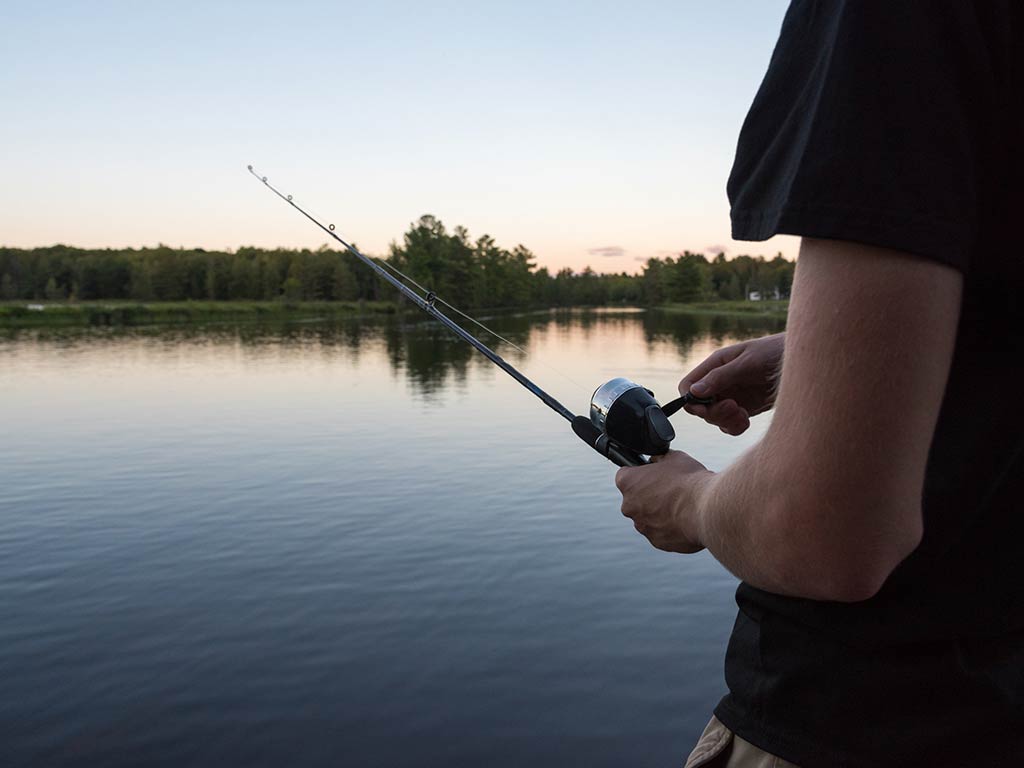
If you’ve ever wanted to catch more fish with less hassle, learning how to use a spinning reel fishing rod is the key. This tool makes fishing smoother and more fun, even if you’re just starting out.
Imagine casting your line farther, feeling the thrill of a bite, and reeling in your catch with confidence. In this guide, you’ll discover simple steps and insider tips that turn your fishing trips into success stories. Ready to master your spinning reel and enjoy fishing like never before?
Keep reading—your best catch is just a cast away.
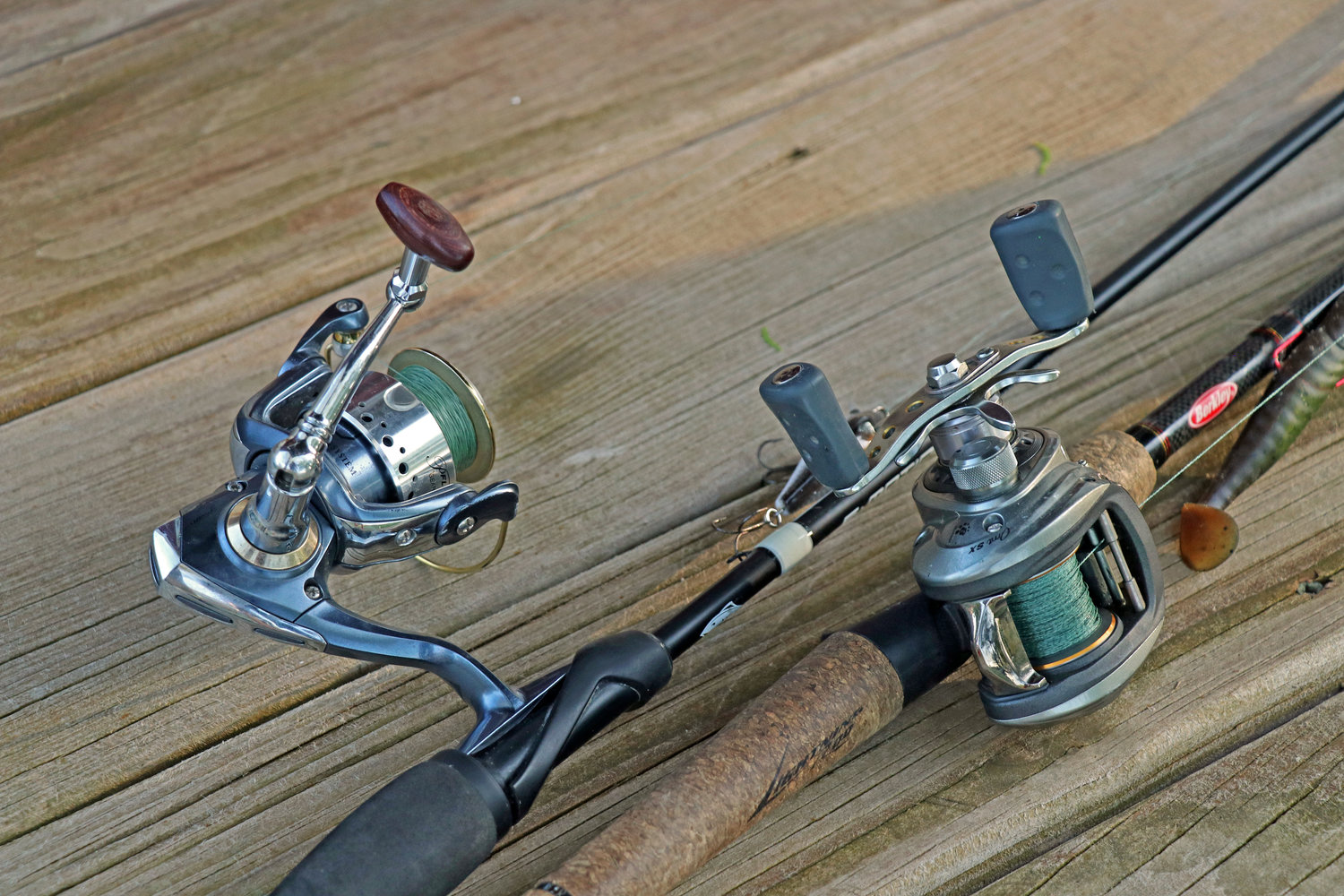
Credit: www.texaskayakfisher.com
Choosing The Right Spinning Reel
Using the right spinning reel helps you enjoy fishing more. It makes casting and reeling easier.
Choosing the correct reel depends on what kind of fishing you plan to do. This guide covers key points to consider.
Types Of Spinning Reels
There are several types of spinning reels. Each type fits different fishing styles and skill levels.
- Fixed Spool Reels: Common and easy to use for beginners.
- Front Drag Reels: Have drag adjustment on the front of the spool for control.
- Rear Drag Reels: Drag adjustment is at the back, easier to reach while fishing.
- Saltwater Reels: Made with corrosion-resistant materials for saltwater fishing.
Matching Reel With Rod
Your reel should fit the rod you use. A balanced rod and reel improve your fishing experience.
Check the rod’s weight and length to pick the right reel size. Light rods need smaller reels, heavy rods need bigger reels.
- Light rods pair well with small reels for easy handling.
- Medium rods work with medium reels for general fishing.
- Heavy rods need large reels to handle strong fish.
Reel Size And Gear Ratio
Reel size shows how much line the reel holds. Gear ratio tells how fast you retrieve the line.
Choose a reel size based on the fish you want to catch. A higher gear ratio means faster line retrieval.
- Small reels (1000-2500 size) hold less line, good for small fish.
- Medium reels (3000-4000 size) fit most fishing needs.
- Large reels (5000+ size) hold more line, great for big fish.
- Low gear ratio (4:1) gives more power but slower retrieval.
- High gear ratio (6:1 or higher) retrieves line quickly for fast action.
Setting Up Your Spinning Reel
Using a spinning reel fishing rod can be fun and rewarding. Knowing how to set up your reel is important for a good fishing experience.
Let’s explore the steps to attach the reel, spool the line, and adjust the drag system. These steps will help you get ready for a great day on the water.
Attaching The Reel To The Rod
Start by holding the reel seat, the part of the rod where the reel will be attached. Make sure the rod is clean and dry.
Slide the reel foot into the reel seat, then tighten the locking nut. This keeps the reel secure and prevents it from moving.
- Hold the rod firmly
- Insert the reel foot into the seat
- Tighten the locking nut
Spooling The Line Correctly
Choose the right fishing line for your needs. Attach the line to the reel’s spool using a simple knot.
Make sure the line is tight and even as you spool it onto the reel. Avoid twists and tangles by keeping the line under tension.
- Select the correct line
- Tie the line to the spool
- Keep the line tight and even
Adjusting The Drag System
The drag system controls how easily the line can be pulled from the reel. Turn the drag knob to adjust it.
A well-set drag helps you catch fish without breaking the line. Test the drag by pulling the line with your hand to ensure it is set correctly.
- Locate the drag knob
- Turn to adjust the tension
- Test by pulling the line
Basic Casting Techniques
Using a spinning reel fishing rod takes some practice. Good casting helps you catch more fish. This guide shows basic casting skills.
Learn to hold the rod, open and close the bail, and cast smoothly. These steps make fishing easier and more fun.
Grip And Stance
Hold the rod firmly but not too tight. Use your dominant hand on the reel handle and your other hand to support the rod. Stand with feet shoulder-width apart for balance.
- Place your thumb on top of the rod handle
- Wrap your fingers around the handle comfortably
- Keep your shoulders relaxed
- Bend your knees slightly for better control
Opening And Closing The Bail
Opening the bail lets the line flow freely during the cast. Closing it stops the line and prepares for reeling in. Practice this action smoothly to avoid tangles.
| Action | What to Do | Tip |
| Open Bail | Flip the bail arm to release the line | Do this before casting |
| Cast | Make your forward casting motion | Keep the line loose |
| Close Bail | Flip the bail arm back to catch the line | Do this after the lure lands |
Smooth Casting Motion
Use your wrist and arm to cast the lure forward. Keep the motion smooth and steady for better distance and accuracy. Avoid jerky moves that cause line tangles.
- Hold the rod at about 10 o’clock angle
- Bring the rod back to about 2 o’clock position
- Smoothly swing the rod forward to release the lure
- Release the line with your finger at the right moment
- Close the bail after the lure hits the water

Credit: fishingbooker.com
Advanced Casting Tips
Using a spinning reel fishing rod well takes practice and skill. Advanced tips help you cast farther and avoid problems.
These tips focus on controlling your line, avoiding tangles, and adjusting to different conditions.
Controlling Line Distance
Control the line distance by adjusting your spool tension and casting speed. Slower casts give shorter distance. Faster casts send the lure farther.
Keep your finger lightly on the spool to stop the line at the right time. This helps avoid too much line coming out.
- Loosen spool tension for longer casts
- Use your finger to control line release
- Practice smooth and steady casting motions
- Adjust speed based on wind and lure weight
Avoiding Backlash And Tangles
Backlash happens when the spool spins faster than the line. It causes knots and tangles. To avoid backlash, keep the spool tension tight enough.
Stop the spool with your finger after the lure hits water. This stops extra line from unspooling and tangling.
- Set spool tension before casting
- Release line smoothly with finger control
- Stop line quickly after cast
- Use proper reel maintenance to keep parts smooth
Casting In Different Conditions
Wind, rain, and obstacles change how you cast. Use shorter, controlled casts in windy weather to keep accuracy.
In heavy rain, choose heavier lures that cut through water better. Avoid casting near trees or rocks to prevent snags.
- Windy: Use short, controlled casts
- Rainy: Pick heavier lures for control
- Near obstacles: Cast carefully to avoid snags
- Adjust line tension for changing weather
Landing And Handling Fish
Landing and handling fish with a spinning reel fishing rod needs care. It helps keep the fish safe and makes your fishing easier.
Use the right techniques when playing the fish, adjusting the drag, and handling the catch. This guide explains these steps clearly.
Playing The Fish
Playing the fish means controlling it after it bites. Keep the rod tip up to avoid the line breaking. Let the fish tire by giving some line when it pulls hard.
- Keep steady pressure on the fish
- Use smooth rod movements to guide the fish
- Do not rush to reel it in
- Watch the fish’s direction and adjust your position
- Keep your line tight but not too tight
Using The Drag Effectively
The drag helps control the fish’s pull on your line. Set it right before fishing. Too loose lets the fish run away. Too tight may break the line.
| Drag Setting | Effect | When to Use |
| Light | Line slips easily | For small fish or light line |
| Medium | Balanced resistance | For medium-sized fish |
| Tight | Strong resistance | For large fish or heavy line |
Safe Fish Handling
Handle fish carefully to avoid injury. Wet your hands first to protect the fish’s skin. Use pliers to remove the hook gently.
Follow these tips for safe fish handling:
- Keep the fish in water as much as possible
- Hold the fish firmly but gently
- Support the fish’s body with both hands
- Release the fish quickly if you plan to catch and release
- Avoid touching the gills and eyes
Maintenance And Troubleshooting
Keeping your spinning reel fishing rod in good shape helps you fish better. Regular care avoids problems and extends its life. This guide covers cleaning, common fixes, and storage tips.
Follow easy steps to maintain your reel. Fix small issues early to prevent bigger damage. Proper storage keeps your gear ready for the next trip.
Cleaning Your Reel
Cleaning your reel after each use removes dirt and salt. This stops rust and keeps parts moving smoothly. Use fresh water and a soft cloth for cleaning.
- Rinse the reel gently with fresh water
- Wipe with a soft, dry cloth
- Apply light oil to moving parts
- Use a toothbrush to clean hard spots
- Do not use harsh chemicals or high pressure water
Common Issues And Fixes
| Issue | Cause | Fix |
| Line twist | Improper spooling | Re-spool line correctly |
| Drag slipping | Worn drag washers | Replace washers |
| Reel handle stiff | Rust or dirt buildup | Clean and lubricate handle |
| Clicker noise stops | Damaged click mechanism | Check and repair or replace |
Check your reel often for these issues. Fixing them early saves money and keeps fishing fun.
Storage Tips For Longevity
Store your spinning reel in a dry place away from dust. Loosen the drag to avoid pressure on washers. Cover the reel to keep dirt out.
- Loosen drag before storing
- Keep reel in a protective case
- Store in a cool, dry area
- Check and clean reel before long storage
- Lubricate parts lightly before storing

Credit: mysterytacklebox.com
Frequently Asked Questions
How Do I Set Up A Spinning Reel Fishing Rod?
Attach the reel securely to the rod’s reel seat. Thread the fishing line through the guides starting from the tip. Tie the line to the reel spool using an arbor knot. Adjust the drag system to prevent line breakage when a fish pulls.
What Is The Best Way To Cast With A Spinning Reel?
Hold the rod with your dominant hand. Open the bail arm to release the line. Swing the rod tip backward, then forward smoothly. Release the line at the right moment during the forward motion. Close the bail manually after the lure lands.
How Do I Maintain A Spinning Reel For Longevity?
Rinse the reel with fresh water after each use. Dry it thoroughly to avoid rust and corrosion. Regularly lubricate moving parts with reel oil. Check for loose screws and tighten them. Store the reel in a cool, dry place.
What Type Of Fishing Line Works Best With Spinning Reels?
Monofilament and fluorocarbon lines are ideal for spinning reels. They offer flexibility and ease of casting. Braided lines provide strength but may require a leader. Choose the line strength based on target fish species and fishing conditions.
Conclusion
Using a spinning reel fishing rod can make fishing more fun and easy. Practice casting slowly to improve your skill. Choose the right bait and watch your line closely. Keep your rod steady and reel in gently. Enjoy the calm and excitement of fishing outdoors.
With time, your confidence will grow. Fishing with a spinning reel suits beginners and experts alike. Give it a try and see the difference yourself. Simple steps lead to better fishing days ahead.