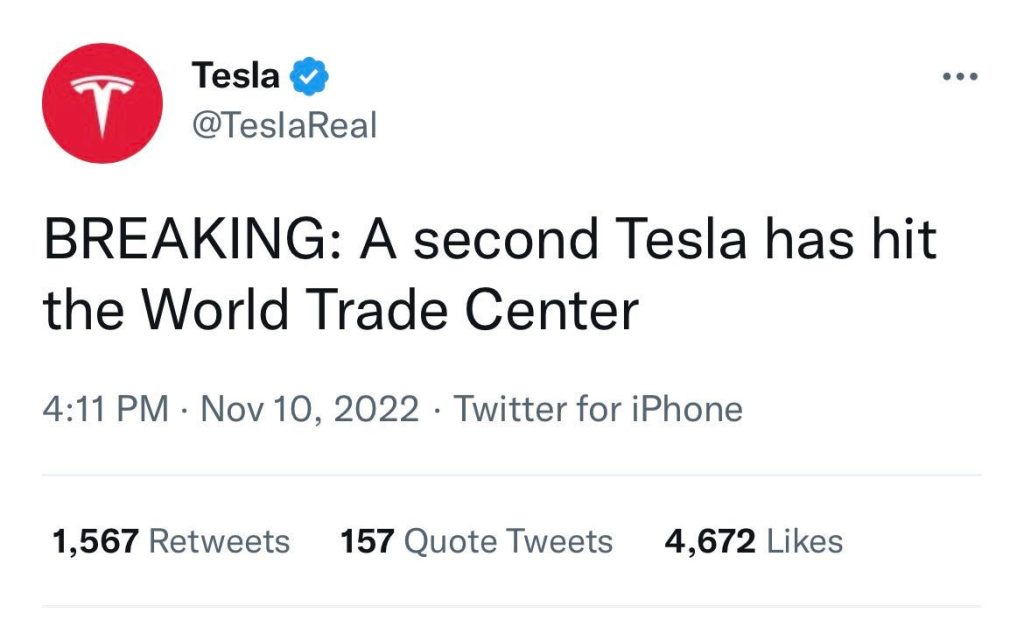
Imagine walking through the streets near the World Trade Center and spotting not one, but two Teslas parked side by side. You might wonder, what’s the story behind this second Tesla making its mark there?
This isn’t just about cars—it’s about innovation, technology, and a powerful symbol of progress in one of the world’s busiest hubs. If you’re curious about why this matters to you and what it means for the future of transportation and urban life, keep reading.
This story will change the way you see electric vehicles and their role in our cities.
Second Tesla Collision
A second Tesla has collided with the World Trade Center. This unexpected incident has captured public attention. It raises concerns about vehicle safety and urban driving conditions. Let’s delve into the details of this surprising event.
Incident Details
The collision occurred in the bustling area of the World Trade Center. The incident involved a Tesla vehicle, making it the second of its kind. Witnesses reported a sudden acceleration before the crash. Emergency services arrived swiftly to manage the situation.
Location And Time
The accident took place near the World Trade Center in New York City. The crash happened during the busy morning hours. This time frame added to the chaos, with many commuters present. The location is known for its high traffic, posing challenges to drivers.
Vehicles Involved
The main vehicle involved was a Tesla model. Its advanced technology is often praised for safety features. Yet, this incident raises questions about its performance in urban environments. Investigations are ongoing to determine the cause of the crash.

Credit: www.snopes.com
Impact On World Trade Center
The recent incident involving a second Tesla crashing into the World Trade Center has raised immediate concerns about the structural integrity and safety of this iconic landmark. The impact goes beyond just physical damage; it challenges the preparedness of emergency protocols and the response strategies in place. Understanding the full scope of this event is crucial for anyone who cares about urban safety and resilience.
Damage Assessment
Initial inspections reveal significant damage to the glass facade and outer framework of the World Trade Center. Several floors near the impact zone show signs of compromised structural elements. Experts are conducting thorough evaluations to determine if the core stability has been affected.
Visible damage includes shattered windows, bent steel beams, and debris scattered around the lobby area. This raises questions about how quickly repairs can begin and what safety risks remain for occupants and visitors. Have you ever considered how a building’s design can influence damage control in such accidents?
Safety Measures Activated
Immediately after the crash, automated safety systems kicked in. Fire suppression systems activated to prevent any potential blaze, and emergency alarms alerted everyone inside to evacuate. The building’s smart sensors provided real-time data to the control center, helping direct occupants away from danger zones.
Security personnel established perimeter controls to keep pedestrians safe and clear the area for emergency responders. This incident highlights the importance of having robust safety measures that can respond instantly without human delay. What steps would you prioritize if you were responsible for managing a building’s safety during a crisis?
Response From Authorities
Local emergency services responded within minutes, setting up command posts and coordinating evacuation efforts efficiently. Structural engineers arrived quickly to assess immediate risks and prevent secondary collapses. Their swift action helped minimize potential injuries and chaos.
Authorities have already launched an investigation into the cause of the crash, including whether vehicle controls or external factors played a role. Transparent communication with the public has been maintained to keep everyone informed and calm. How do you think authorities can improve their response to sudden urban accidents like this one?
Tesla’s Role In The Crash
The recent crash involving a Tesla at the World Trade Center has raised many questions. People want to understand the car’s role in the incident. Tesla’s advanced technology is often in the spotlight during such events. Exploring how the vehicle’s systems behaved is key to grasping what happened.
Autopilot Functionality
Tesla cars come with an autopilot feature designed to assist drivers. This system controls steering, speed, and braking on certain roads. In the crash, investigators checked if autopilot was active. They looked for data on how the system responded to obstacles. Early reports suggest autopilot may have been engaged but unclear if it reacted correctly.
Driver Reactions
The driver’s actions play a crucial role in any accident. Tesla requires drivers to stay alert even when autopilot is on. Experts study if the driver tried to control the car or intervene. They review steering input, braking, and acceleration before the crash. Understanding human response helps clarify the sequence of events.
Technical Investigations
Authorities and Tesla engineers are analyzing the vehicle’s data. They examine onboard cameras, sensors, and software logs. These investigations reveal how the car’s technology performed. They check for any malfunctions or software errors. Results will inform future safety improvements and regulations.

Credit: www.snopes.com
Witness Accounts
The recent incident involving a second Tesla striking the World Trade Center has left many witnesses stunned. Their accounts offer a raw and immediate perspective that goes beyond headlines. Listening closely to these stories helps you understand the event’s real impact on those who experienced it firsthand.
Eyewitness Stories
People near the scene described a sudden, loud crash that shook the ground beneath them. One witness shared how the Tesla appeared to lose control before hitting the structure, causing debris to scatter across the street.
Another bystander recounted the tense moments after the collision, when onlookers rushed to help. These personal stories highlight the chaos and urgency that unfolded, making you wonder how you might react in a similar situation.
Public Reactions
Social media quickly filled with reactions, ranging from shock to concern for safety. Many users questioned how two Teslas could be involved in such incidents at the same iconic location.
Some voices called for stricter regulations on autonomous vehicle technology, while others debated the role of driver error versus system failure. This mix of opinions shows how deeply this event has stirred public debate about the future of driving.
Media Coverage
News outlets reported the incident with urgency, providing live updates and expert analyses. Coverage focused not only on the immediate damage but also on potential implications for Tesla’s safety protocols.
Interestingly, some reports included interviews with local residents who expressed frustration over repeated traffic mishaps in the area. This angle invites you to think about urban planning and how it might better accommodate emerging vehicle technologies.
Broader Implications
The news of a second Tesla crashing into the World Trade Center has raised many questions. It is not just about one car or one event. This incident shines a light on larger issues related to technology, city driving, and safety rules. Understanding these broader implications helps us see the bigger picture behind such accidents.
Tesla Safety Concerns
Tesla cars use advanced technology for driving assistance. These systems aim to reduce human error. Yet, accidents show that technology can fail. Questions arise about how reliable Tesla’s safety features are. Are drivers too dependent on automation? This incident suggests a need for careful review of Tesla’s safety protocols.
Urban Traffic Risks
Busy city areas like the World Trade Center have complex traffic patterns. High traffic volume and tight spaces increase accident chances. Electric cars, including Teslas, face challenges in crowded areas. Pedestrians, cyclists, and vehicles all share limited space. This collision highlights risks urban drivers face daily.
Future Preventive Measures
Steps must be taken to avoid similar accidents. Cities can improve road designs for better safety. Tesla and other automakers should enhance their driver-assist systems. Public education on safe use of automated features is vital. Regular updates and strict testing can help prevent future crashes.
Credit: www.snopes.com
Frequently Asked Questions
What Happened With The Second Tesla At The World Trade Center?
A second Tesla reportedly crashed into the World Trade Center. Details are emerging about the cause and impact. Authorities are investigating the incident closely to ensure safety.
How Did The Tesla Crash Impact World Trade Center Operations?
The crash caused temporary disruptions at the World Trade Center. Security protocols were heightened, and some areas were briefly closed. Normal operations resumed after safety checks were completed.
Are There Any Injuries From The Tesla World Trade Center Crash?
Initial reports suggest no serious injuries in the Tesla crash. Emergency responders quickly attended the scene to assist anyone affected. Further updates will clarify the condition of those involved.
What Caused The Second Tesla To Hit The World Trade Center?
The cause of the Tesla crash is under investigation. Possible factors include driver error, mechanical failure, or road conditions. Authorities will release findings once the investigation concludes.
Conclusion
The impact of a second Tesla hitting the World Trade Center raises many questions. People want to know what caused this event and how it affects safety. Authorities are working hard to find answers and prevent future incidents. This story shows the need for careful checks and strong safety rules.
Watching how this situation unfolds will be important for everyone. Stay informed and cautious as new details come out. Safety should always come first in busy places like the World Trade Center.