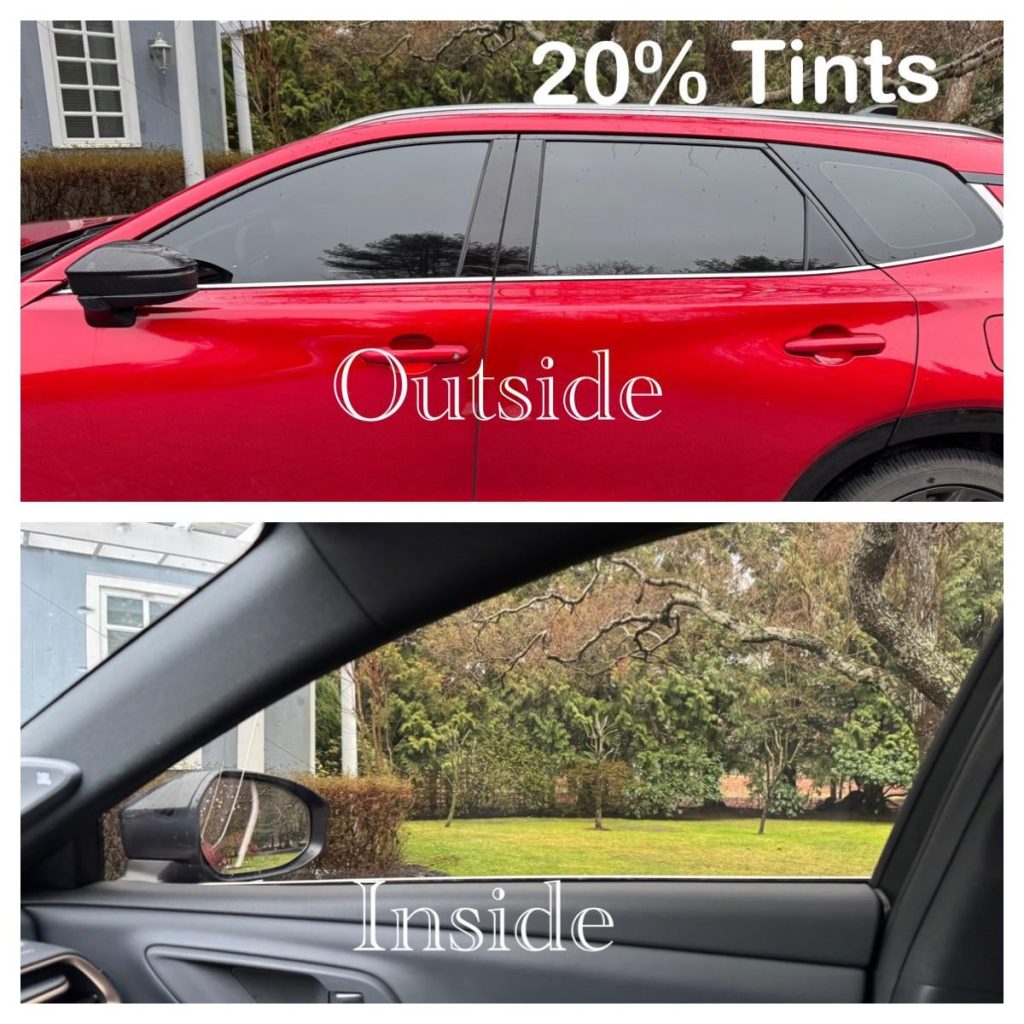
Are you thinking about upgrading your car’s look and comfort? A 30 percent window tint might be just what you need.
This level of tint offers the perfect balance between style, privacy, and protection. Imagine driving without glare, keeping your car cooler, and enjoying added privacy—all without sacrificing visibility. You’ll discover everything you need to know about 30 percent window tint and how it can improve your driving experience.
Ready to see the difference? Keep reading!
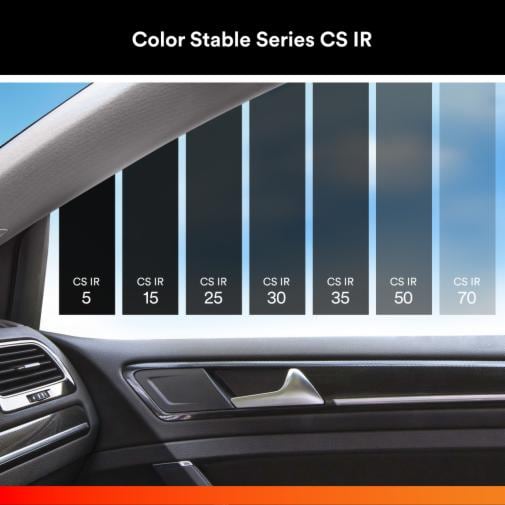
Credit: www.3m.com
Benefits Of 30 Percent Window Tint
Choosing 30 percent window tint offers many benefits for your vehicle or home. It strikes a perfect balance between visibility and protection. This tint shade lets you see outside clearly while keeping prying eyes away. It also helps protect against harmful sun rays and reduces heat inside your space. The following sections explain the main advantages of 30 percent window tint.
Enhanced Privacy
30 percent tint darkens windows enough to block most views from outside. This level of tint hides your belongings and activities from strangers. It provides a sense of security without making the glass too dark. Passengers can still see out easily. This tint keeps your space private and comfortable.
Uv Ray Protection
This tint blocks up to 99% of harmful ultraviolet rays. UV rays cause skin damage and fade interiors. With 30 percent tint, you reduce skin risks during long drives or sun exposure. Your car seats, dashboard, and furniture last longer without fading. It protects both your health and your investment.
Heat Reduction
Window tint cuts down on solar heat inside your vehicle or room. 30 percent tint lowers temperature by reflecting sunlight away. This reduces the need for air conditioning and saves energy. You feel cooler and more comfortable on hot days. It helps maintain a pleasant environment all year round.
Glare Minimization
Glare from the sun or headlights can strain your eyes. 30 percent tint reduces glare to improve visibility and comfort. It softens harsh light without making the interior dark. Drivers experience less eye fatigue and better focus. This makes driving safer during bright conditions.
Legal Considerations
Understanding the legal aspects of window tinting is crucial. This helps avoid penalties and ensures compliance with local laws. 30 percent window tint is popular, but laws vary by state. Knowing the specific rules ensures your vehicle remains roadworthy.
State Tinting Laws
Each state in the U.S. has its own window tint laws. These laws dictate how dark or reflective your window tint can be. Some states have stricter rules than others. It is important to check the regulations in your state before tinting your windows. This ensures compliance and avoids potential legal issues.
Tint Darkness Limits
Tint darkness is measured by Visible Light Transmission (VLT) percentage. This percentage indicates how much light can pass through the film and glass. A 30 percent tint means only 30 percent of light enters your car. States have different VLT limits for different windows. Front side windows often have stricter limits than rear windows. Familiarize yourself with these limits to stay within legal bounds.
Penalties For Violations
Violating tinting laws can lead to penalties. These can include fines or orders to remove the tint. Repeated offenses may lead to more severe consequences. Ensure your tint complies with local laws to avoid these issues. Regular checks can help maintain compliance and avoid unnecessary fines.
Choosing The Right Tint Material
Choosing the right tint material for your 30 percent window tint can make a big difference in performance and satisfaction. Different materials offer unique benefits and drawbacks, affecting heat reduction, durability, and appearance. Understanding these options helps you make a choice that fits your needs and lifestyle.
Dyed Vs. Ceramic Films
Dyed films are popular for their affordability and dark appearance. They work by absorbing heat and reducing glare, making your drive more comfortable on sunny days. However, dyed tints may fade over time and don’t block as much heat as other materials.
Ceramic films, on the other hand, use tiny ceramic particles to block heat and UV rays without interfering with electronic signals. They keep your car cooler and maintain clarity without darkening your view too much. If you want long-lasting performance and superior heat rejection, ceramic might be worth the extra cost.
Metalized Films
Metalized films contain tiny metal particles that reflect heat and UV rays effectively. They offer strong durability and a mirror-like finish that some drivers find appealing. However, metalized tints can interfere with GPS, radio, and cell phone signals, which might be frustrating if you rely on these devices in your car.
Consider whether signal interference matters to you before choosing metalized films. If you spend a lot of time using navigation or hands-free calls, this could be a deal breaker.
Hybrid Options
Hybrid tints combine dyed and metalized layers, aiming to balance heat rejection and signal clarity. They reduce glare and heat better than dyed films and minimize the interference seen in purely metalized options. This makes them a versatile choice for drivers seeking performance without sacrificing technology use.
Are you looking for a tint that offers both style and function? Hybrid films might offer the best of both worlds. Think about your driving habits and what features matter most before deciding.
Installation Process
The installation process of 30 percent window tint is important for a smooth finish. It requires attention to detail and a clean surface. Proper installation improves tint durability and appearance.
Professional Vs. Diy
Choosing professional installation ensures expert handling and fewer mistakes. Professionals use special tools and clean rooms to avoid dust and bubbles.
DIY installation can save money but needs patience and steady hands. Mistakes may cause wrinkles, bubbles, or peeling over time.
Professionals often offer warranties, while DIY results depend on your skill level. Consider your comfort and experience before deciding.
Preparation Steps
- Clean windows thoroughly with a lint-free cloth and glass cleaner.
- Remove any stickers or dirt that could trap air bubbles.
- Measure the window size accurately before cutting the tint film.
- Use a spray bottle with soapy water to help position the film.
- Gather necessary tools like a squeegee, utility knife, and microfiber towel.
Good preparation reduces errors and speeds up the installation process.
Maintenance Tips
- Wait at least a week before cleaning tinted windows.
- Use a soft cloth and mild, ammonia-free cleaner.
- Avoid sharp objects or abrasive materials on the tint surface.
- Check for peeling or bubbles regularly and repair them quickly.
- Park in shaded areas to protect tint from sun damage.
Proper care extends the life and look of your window tint.
Common Myths About 30 Percent Tint
Many people have wrong ideas about 30 percent window tint. These myths cause confusion and hesitation. It is important to clear up these false beliefs. Understanding the truth helps make better choices for your vehicle.
Visibility Concerns
Some think 30 percent tint blocks too much light. It actually lets in plenty of daylight. Night driving is safe with this tint level. The tint reduces glare without harming vision. Many drivers find it easier to see with 30 percent tint.
Signal Interference
People worry 30 percent tint blocks phone or radio signals. Quality tint films do not interfere with signals. They use non-metallic materials that allow signals to pass. You can keep using your devices without problems. Signal loss is very rare with 30 percent tint.
Durability Doubts
Some believe 30 percent tint peels or fades quickly. Good tint films are durable and long-lasting. They resist heat, scratches, and fading. Proper installation also helps the tint last longer. Many tints come with warranties for peace of mind.
Credit: www.ebay.com
Cost Factors
Understanding the cost factors of 30 percent window tint helps you make smarter choices. The price you pay depends on several things, including the type of tint, installation quality, and your vehicle’s size. Let’s break down these elements so you know what affects the price and how to get the best value.
Price Range
The cost of 30 percent window tint can vary widely. Basic films might start around $100, while premium ones can go up to $400 or more. Prices shift based on:
- The brand and technology of the tint
- The number of windows being tinted
- Whether you choose DIY kits or professional installation
Have you checked if your local shops offer discounts for multiple windows? Sometimes, bundling windows lowers your overall cost.
Quality Vs. Price
It’s tempting to pick the cheapest option, but quality matters. Higher-quality films last longer, block more UV rays, and resist fading better. Cheap tints may peel or bubble within months, costing you more in the long run.
Think about this: paying a bit more upfront can save you from frequent replacements. What’s your tolerance for redoing work or dealing with poor visibility?
Long-term Savings
Good window tint can reduce heat inside your car, lowering your need for air conditioning. This saves fuel and cuts down on wear and tear. Plus, it protects your interior from sun damage, keeping your car looking new longer.
Consider how much you spend on cooling your car annually. Could a quality tint help you save enough to cover its cost over time? Your wallet might thank you more than you expect.
Comparing Tint Percentages
Choosing the right window tint percentage can change how your car looks and feels. Comparing different tint levels helps you find the balance between style, privacy, and safety. Let’s break down what you should know about higher and lower tint percentages and how they impact your driving experience.
Higher Vs. Lower Tint Levels
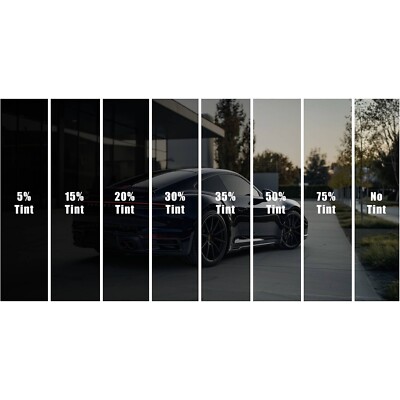
Higher tint levels, like 5% or 10%, block out more light, making your windows nearly opaque. This offers maximum privacy but can reduce visibility, especially at night. Lower tint levels, such as 35% or 50%, let in more light, improving visibility but offering less privacy.
Choosing 30% tint hits a middle ground. You get decent privacy without sacrificing too much visibility. Think about how often you drive at night and in what conditions. Do you want to prioritize seeing clearly or keeping prying eyes away?
Optimal Choices For Privacy
If privacy is your main goal, darker tints naturally do the job better. A 30% tint blocks a good amount of light, enough to obscure the view inside your car from most angles during the day.
However, some states have legal limits on how dark your tint can be. Make sure you check local laws before deciding. You don’t want to invest in a tint that could get you fined or forced to remove it later.
Balancing Tint And Visibility
Visibility is key for safe driving, especially at night or in bad weather. A 30% tint allows enough light to pass through, helping you see the road clearly without the harsh glare from the sun.
Ask yourself: do you often drive in low-light conditions? If yes, a 30% tint might be a smart choice. It balances protection from the sun’s rays and glare while keeping your view clear.
Remember, your tint choice affects not just your style but your safety. What’s your priority when you get behind the wheel?

Credit: www.amazon.com
Frequently Asked Questions
What Is 30 Percent Window Tint?
30 percent window tint blocks 30% of visible light entering a vehicle. It offers moderate shade and privacy while maintaining good visibility. This tint level balances heat reduction, glare control, and aesthetics, making it popular among drivers seeking comfort and style.
Is 30 Percent Tint Legal On Car Windows?
In many states, 30 percent window tint is legal on front and side windows. However, laws vary by location, so always check local regulations before tinting. Compliance ensures you avoid fines and maintain safe visibility while driving.
How Does 30 Percent Tint Affect Heat Reduction?
30 percent tint significantly reduces heat inside the car by blocking sunlight. It helps keep the vehicle cooler on hot days. This tint level improves comfort and protects the interior from UV damage without overly darkening the windows.
Can 30 Percent Tint Improve Driving Safety?
Yes, 30 percent tint reduces glare from sunlight and headlights, enhancing driver visibility. It helps minimize eye strain and distractions. Properly installed tint maintains clear vision, contributing to safer driving conditions day and night.
Conclusion
Choosing 30 percent window tint offers good balance and benefits. It blocks sunlight while still letting some light in. This tint helps keep your car cool and protects your skin. It also adds privacy without making windows too dark. Many drivers find this level just right for daily use.
Think about your needs and local rules before deciding. Proper tinting can make your ride more comfortable and safe. Simple choice, clear benefits.