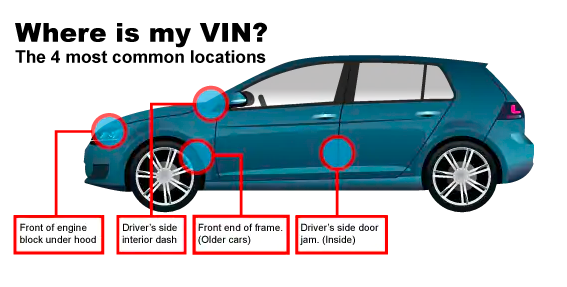
Are you trying to find the VIN number on your car but don’t know where to look? Your Vehicle Identification Number is like your car’s fingerprint—unique and important for many reasons.
Whether you need it for registration, insurance, or checking your car’s history, knowing exactly where to find your VIN saves you time and hassle. You’ll discover the most common spots to locate your VIN quickly and easily. Keep reading, and you’ll never have to wonder, “Where can I find the VIN number on my car?
” again.
Common Vin Locations
Finding your car’s Vehicle Identification Number (VIN) might seem tricky, but it’s usually in a few standard spots. Knowing where to look saves time and helps you verify your vehicle’s identity quickly. Let’s check out the most common VIN locations you can easily access.
Dashboard Near Windshield
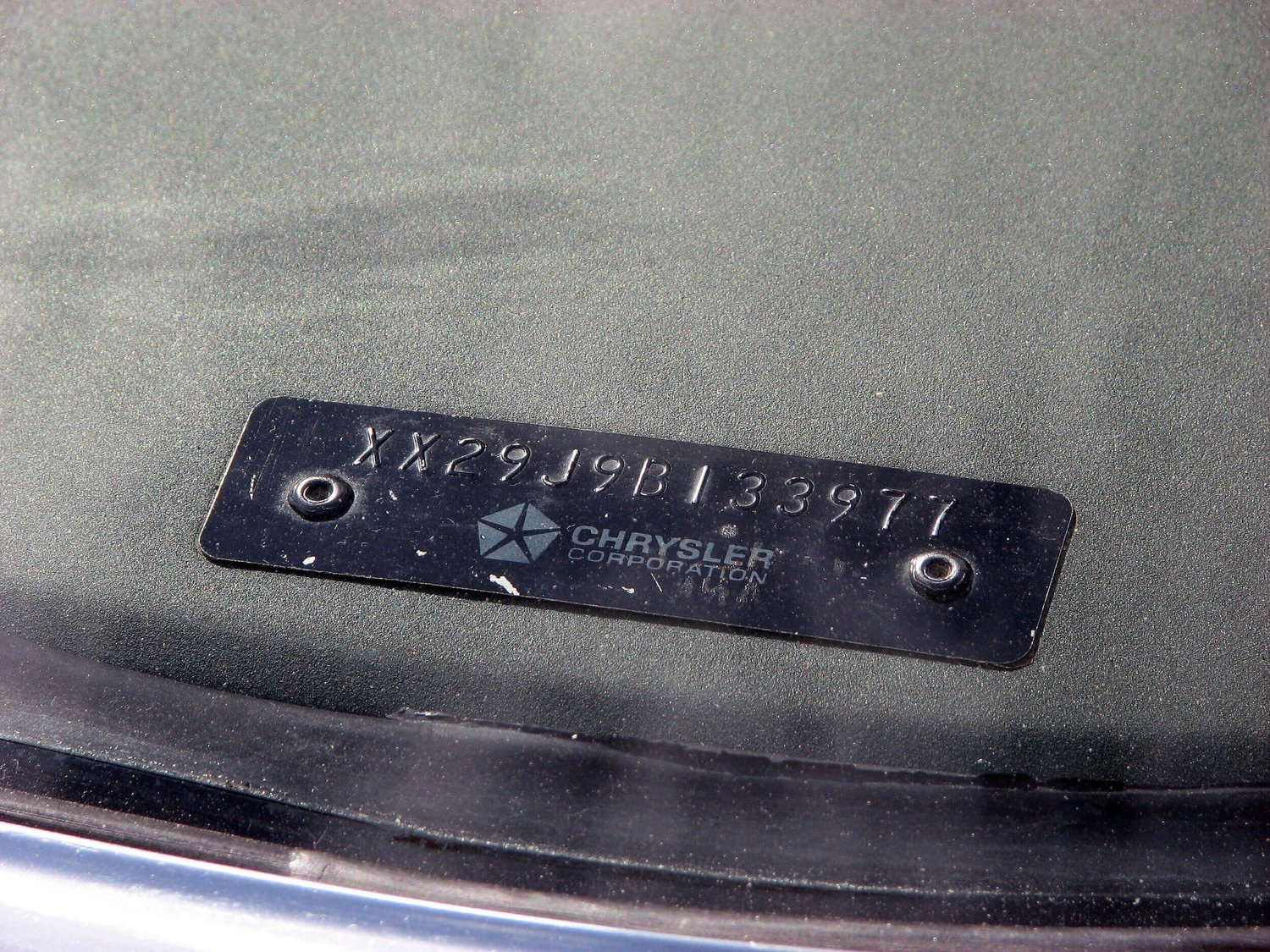
Look at the lower corner of the dashboard on the driver’s side, right where it meets the windshield. You can see the VIN through the glass from outside the car. This spot is convenient because you don’t have to open any doors or compartments to find it.
Driver’s Side Door Frame
Open the driver’s door and inspect the door frame or the edge of the door itself. Most cars have a sticker or metal plate with the VIN printed on it here. This location is practical if you can’t see the dashboard area or if the car windows are tinted too dark.
Engine Block
The VIN is often stamped directly onto the engine block. This spot is less visible and requires opening the hood. Checking here is useful if you want to confirm the engine matches the car’s official records, especially when buying a used car.
Vehicle Title And Registration
Your car’s VIN is always listed on official documents like the title and registration papers. These documents are a reliable source when you can’t physically check the car. Just make sure the VIN on the paperwork matches the one on the vehicle to avoid any issues.
Vin On Exterior Parts
The Vehicle Identification Number (VIN) appears in several exterior locations on a car. These parts provide visible and accessible spots for the VIN. Checking these areas helps verify the vehicle’s identity quickly. Each location has unique features for easy spotting.
Under The Hood
The VIN often appears on a metal plate or sticker inside the engine compartment. It is usually on the firewall or near the front of the engine bay. This spot is easy to check during vehicle inspections. Look for a clear, stamped or printed number that matches official documents.
Front Wheel Well
Inside the front wheel well, the VIN may be stamped or on a metal plate. This area is near the suspension components and behind the tire. It can be hard to see without turning the wheel or using a flashlight. The number here should be clean and easy to read, free of rust or damage.
Rear Wheel Arch
The VIN may also be found near the rear wheel arch. This location is often beneath the car body, near the tire. It is less common but still a valid spot for the VIN. Check for stamped metal or a fixed plate that holds the vehicle’s unique code.
Vin On Interior Components
The Vehicle Identification Number (VIN) often hides inside the car’s interior. These spots protect the VIN from weather and damage. Checking inside the car can be easy once you know where to look. The VIN on interior parts helps confirm the car’s identity.
Driver’s Side Door Jamb
Open the driver’s door and check the door jamb area. You will find a sticker or metal plate with the VIN. It is usually near the latch or on the frame. This spot is common and easy to access. Look carefully, as dirt can cover the number.
Behind The Glove Box
Open the glove box and empty it. Press the sides to release the glove box door completely. The VIN might be on a sticker or metal plate behind it. This place is less visible but still important. Use a flashlight for better viewing.
Under Seats Or Carpets
Lift the front seats or pull back the carpets carefully. Some cars place the VIN on a metal plate under the seats. Others hide it beneath the carpet near the floor. These areas keep the VIN safe from daily wear. Check both driver and passenger sides for the number.

Credit: cartalk.pandahub.com
Using Technology To Locate Vin
Technology makes finding a car’s VIN easier and faster. Digital tools help locate the VIN without needing to search every corner of the vehicle. These tools save time and reduce errors by providing clear, direct access to the VIN.
Vin Scanners And Apps
VIN scanners are devices designed to read the VIN barcode on cars. They quickly scan and display the VIN on a screen. Many smartphones have apps that use the camera to scan the VIN barcode. These apps show the VIN immediately, making it simple for users to find the number without manual searching.
Manufacturer Websites
Car makers often provide VIN lookup tools on their websites. Entering some car details can help find the VIN location or confirm the number. These websites sometimes offer diagrams and instructions for locating the VIN on specific models. This is helpful for people unsure where to look on their vehicle.
Service Manuals
Service manuals give detailed information about a car’s parts and layout. They usually include the exact VIN location on the vehicle. These manuals can be digital or printed and show diagrams that point to the VIN spot. Using a service manual helps find the VIN quickly and with confidence.
Tips For Quick Vin Identification
Finding the Vehicle Identification Number (VIN) quickly can save time and reduce frustration. Some simple tips help spot the VIN easily on your car. These tricks improve visibility and confirm accuracy.
Checking In Bright Light
Good lighting reveals small details clearly. Look for the VIN in direct sunlight or use a flashlight. Bright light reduces shadows and glare. It helps to see the numbers and letters without strain.
Cleaning The Area
Dirt and dust often hide the VIN plate or sticker. Wipe the area gently with a cloth before inspecting. Remove any mud or grime carefully. A clean surface shows the VIN plainly and avoids mistakes.
Cross-referencing With Documents
Match the VIN on the car with your paperwork. Check the registration, insurance, or owner’s manual. Confirming the number ensures the right vehicle. It prevents confusion and possible legal issues.
Credit: northfleet.in
Why Vin Location Matters
The location of a Vehicle Identification Number (VIN) is not just a detail on your car. It plays a crucial role in many important areas. Knowing exactly where to find the VIN helps in verifying the car’s identity quickly and accurately. This knowledge supports safety, legality, and peace of mind for every vehicle owner.
Preventing Theft And Fraud
Thieves often try to change or hide a car’s identity. The VIN acts like a fingerprint for your vehicle. It is stamped in places that are hard to alter or remove. Law enforcement uses the VIN to trace stolen cars. A clear and visible VIN location helps stop illegal activities fast.
Vehicle History Checks
Before buying a car, checking its history is vital. The VIN shows details like accidents, repairs, and ownership changes. A well-known VIN location makes this check easier and more reliable. It helps buyers avoid cars with hidden problems or bad records.
Legal And Insurance Purposes
Governments and insurance companies rely on the VIN for official records. The VIN must match on all documents like registration and insurance papers. A properly placed VIN reduces errors and fraud in legal processes. It also speeds up claims and registration tasks.
Credit: www.dirtlegal.com
Frequently Asked Questions
Where Is The Vin Number Located On Most Cars?
The VIN number is typically found on the dashboard. It is near the windshield on the driver’s side. You can also find it on the driver’s side door post. Always check the car’s manual for exact locations.
How Can I Read My Car’s Vin Number?
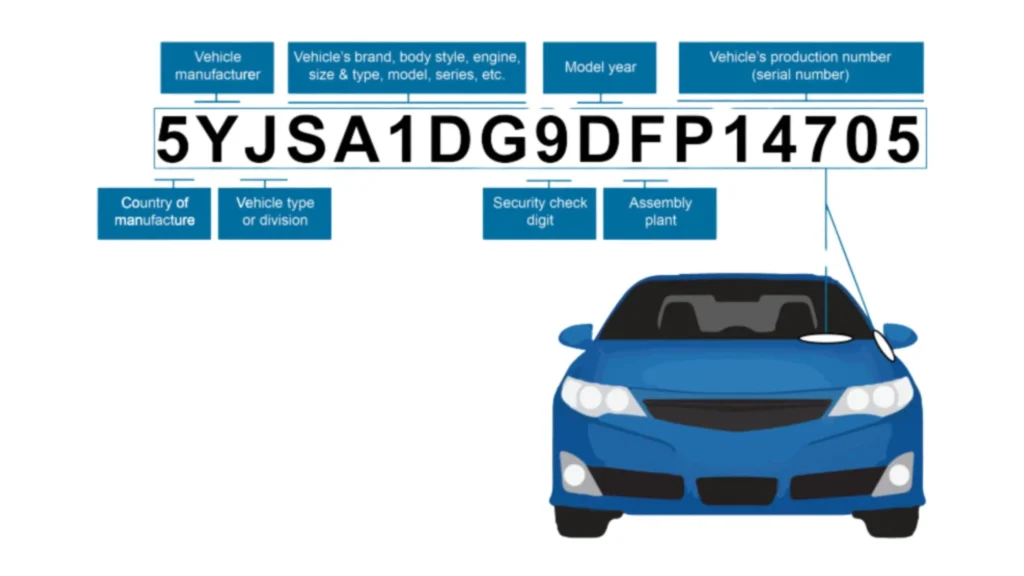
Reading your VIN is easy. It’s a 17-character code consisting of letters and numbers. Each section provides specific vehicle information. Use a VIN decoder online for detailed insights.
Is The Vin Number On The Engine?
No, the VIN is not usually on the engine. It is primarily on the dashboard and door post. However, engine numbers are different and are located directly on the engine.
Can I Find My Vin Number Online?
Yes, if you’ve registered your car, you might find it online. Check your insurance documents or vehicle registration records. Many car service websites may also store this information if you’ve serviced your car there.
Conclusion
Finding the VIN number on a car is easier than you think. Check common spots like the dashboard, driver’s side door, or engine bay. Knowing where to look helps with buying, selling, or checking your vehicle’s history. Keep your VIN handy for insurance or repairs.
Remember, every car has a unique VIN. Take a moment to find it and keep it safe. This small step makes many car tasks simpler and faster.