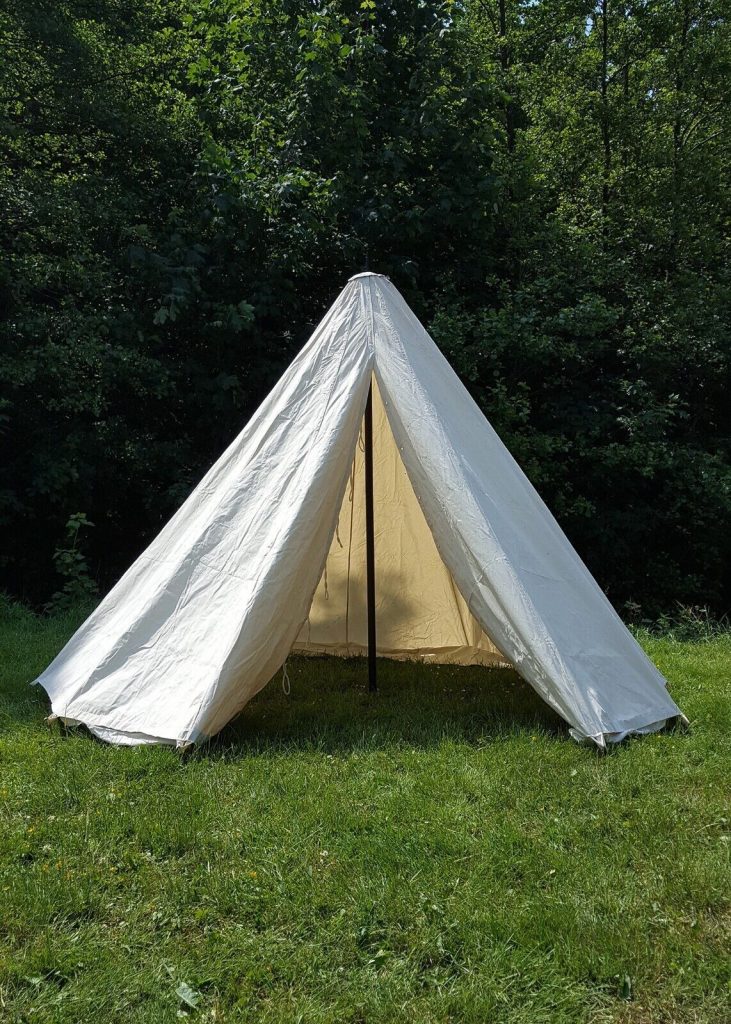
Imagine having a shelter that is not only sturdy and weather-resistant but also stylish and easy to set up. That’s exactly what a conical tent offers you.
Whether you’re planning a camping trip, hosting an outdoor event, or simply want a cozy spot in your backyard, a conical tent can be your perfect solution. You’ll discover why this unique tent design stands out, how it can make your outdoor experience better, and what to look for when choosing one.
Keep reading to find out how a conical tent can transform your next adventure.
Credit: www.ebay.com
Benefits Of Conical Tents
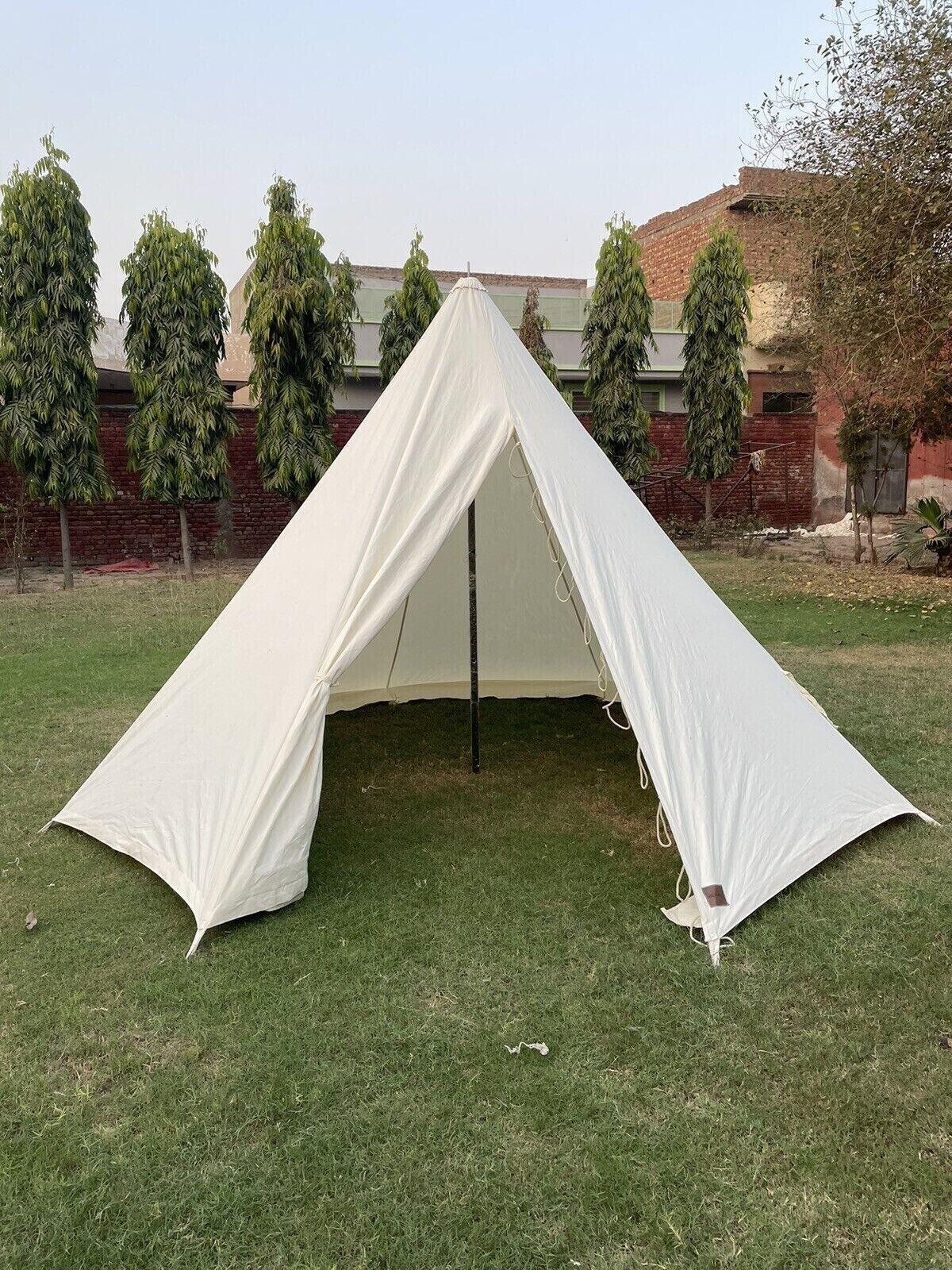
Conical tents have a unique shape that offers many advantages. They are popular for camping and outdoor events.
These tents stand out because of their strong design and practical use. Let’s explore their main benefits.
Weather Resistance
The conical shape helps rainwater slide off quickly. This prevents water from pooling on top of the tent.
Strong winds pass around the tent easily, making it stable in bad weather. The materials used are often waterproof and windproof.
- Sloped design reduces water buildup
- Strong against wind pressure
- Waterproof fabric keeps inside dry
Spacious Interior
The tall peak of a conical tent creates more headroom. This makes the inside feel larger and more open.
Many people can fit comfortably inside. It is easy to move around or store gear without feeling cramped.
- High peak offers extra vertical space
- Wide base allows more floor area
- Comfortable for groups or families
Easy Setup
Conical tents use simple pole systems that are quick to put up. You need fewer parts compared to other tents.
The design is straightforward, so beginners can set it up without help. This saves time and effort.
- Simple pole structure
- Less time to assemble
- Good for beginners and experienced campers
Materials Used
A conical tent needs strong and durable materials. These materials keep the tent safe from weather and wear. Knowing what they are helps you pick the right tent.
We will look at the types of canvas, waterproof coatings, and how the frame is built. Each part plays a key role in the tent’s strength and comfort.
Canvas Types
Canvas is the main fabric for conical tents. It comes in different types based on weight and weave. Heavy canvas lasts longer but weighs more. Light canvas is easy to carry but may wear out faster.
- Duck Canvas:Tight weave, very strong and durable.
- Hemp Canvas:Natural fiber, good breathability.
- Poly-cotton Blend:Mix of cotton and polyester for water resistance.
- Waxed Canvas:Canvas treated with wax for extra water protection.
Waterproof Coatings
Waterproof coatings protect the canvas from rain and moisture. They keep the inside dry and help the tent last longer. Different coatings work in different ways.
| Coating Type | Description | Pros | Cons |
|---|---|---|---|
| Polyurethane (PU) | Plastic coating applied to fabric surface | Good waterproofing, flexible | Can crack over time |
| Silicone | Silicone layer added for water resistance | Very water repellent, durable | More expensive |
| Wax | Wax applied to fabric for water resistance | Natural look, easy to repair | Needs regular reapplication |
Frame Construction
The frame holds the conical tent up. It must be strong and light. Common materials include wood, aluminum, and steel. Each has its own benefits.
- Wood:Traditional, natural look, but heavier.
- Aluminum:Lightweight, rust-resistant, easy to carry.
- Steel:Very strong but heavier and may rust without treatment.
Design Features
A conical tent is a simple yet effective shelter. Its design is both functional and stylish.
The tent’s shape provides stability and efficient space usage. It is popular for camping and outdoor events.
Ventilation Systems
Proper ventilation is crucial for comfort. A conical tent often includes air vents.
These vents allow fresh air to circulate. They help keep the interior cool and reduce moisture.
- Top vents at the peak
- Side vents near the ground
- Adjustable flaps for control
Door And Window Options
A conical tent may have different door styles. Some include windows for light and views.
Doors can be zippered or flapped. Windows may have mesh screens to keep bugs out.
- Single or double doors
- Clear vinyl windows
- Roll-up flaps for windows
Flooring Choices
Flooring in a conical tent can vary. It affects comfort and protection from the ground.
Some tents come with removable floors. Others have built-in options for easy setup.
- Waterproof groundsheet
- Detachable fabric flooring
- Raised platforms for camping

Credit: www.ebay.ca
Choosing The Right Size
Picking the right size for a conical tent is important for comfort and function. A tent that fits your needs well will make your outdoor experience better.
This guide helps you think about key factors like capacity, weight, and seasonal use before buying a tent.
Capacity Considerations
Think about how many people will use the tent. Also, include space for gear and movement inside the tent.
- Number of sleepers
- Gear storage needs
- Extra space for comfort
- Pets or children inside the tent
Weight And Portability
Weight matters if you carry the tent on your back. A lighter tent is easier to move but may be smaller or less sturdy.
| Size | Weight Range | Best For |
| Small (1-2 people) | 2-4 kg | Backpacking, solo trips |
| Medium (3-4 people) | 4-7 kg | Car camping, short hikes |
| Large (5+ people) | 7+ kg | Group camping, base camp |
Seasonal Use
Choose tent size based on the seasons you camp in. Larger tents offer more space for gear in winter.
Seasonal tips:
- Summer: Smaller tents with good ventilation work well.
- Winter: Larger tents protect against cold and hold gear.
- Spring/Fall: Medium tents balance weight and space.
Setting Up Your Tent
Setting up a conical tent takes planning and care. A well-pitched tent keeps you safe and comfortable outdoors.
Follow simple steps for site selection, assembly, and maintenance. This guide helps you enjoy your camping experience.
Site Selection
Choose a flat and dry area to pitch your tent. Avoid low spots that can collect water in rain.
- Clear away rocks, sticks, and debris
- Check for overhead branches that may fall
- Pick a spot with some wind protection
- Ensure the ground is firm for stakes
Assembly Steps
Follow these steps to set up your conical tent quickly and safely.
- Lay out the tent fabric on the ground.
- Insert the center pole and stand it upright.
- Attach and secure the tent fabric to the pole.
- Stake the tent corners firmly into the ground.
- Tighten all ropes and guy lines for stability.
Maintenance Tips
Keep your conical tent in good shape by following these care tips.
| Task | Frequency | Details |
| Clean tent fabric | After each trip | Use mild soap and water; air dry completely |
| Check poles and stakes | Before each use | Replace bent or broken parts |
| Store tent dry | Long term | Keep in a cool, dry place to prevent mold |
Credit: stock.adobe.com
Styling Your Outdoor Shelter
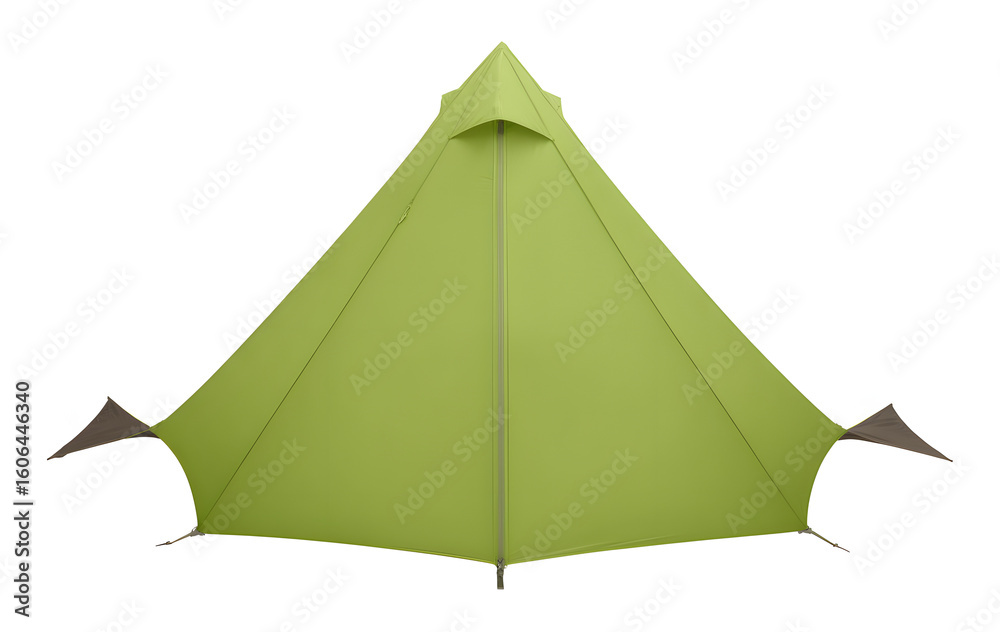
A conical tent is a great outdoor shelter for camping or relaxing in nature. Styling it well makes your space cozy and inviting.
Simple touches can turn the tent into a nice place to rest or gather with friends. Let’s explore easy ways to style your tent.
Decor And Furnishings
Choose soft rugs and blankets to add comfort inside the tent. Cushions and low chairs create a warm seating area.
Natural materials like wood or wicker fit well with outdoor themes. Keep furniture light and easy to move.
- Use colorful cushions for a cozy feel
- Add a small table for snacks or games
- Lay down a durable rug for warmth
- Include storage baskets to keep things tidy
Lighting Ideas
Good lighting makes the tent usable at night. Soft lights create a calm and welcoming mood.
Solar lanterns and string lights are safe and easy to use. Avoid harsh or bright lights inside.
- Hang string lights around the tent poles
- Use solar lanterns on tables or the floor
- Try battery-powered candles for soft light
- Place lights near seating for reading
Personalizing Space
Add personal touches like photos or small art pieces. These details make the tent feel like your own space.
Bring items that remind you of home or your hobbies. This makes your outdoor shelter comfortable and unique.
- Hang lightweight fabric with prints or patterns
- Place a favorite blanket or pillow inside
- Display small plants or flowers in pots
- Bring books or games for fun times
Popular Uses
A conical tent offers versatile shelter for many outdoor activities. Its simple shape makes it easy to set up and durable against wind.
People use these tents for camping, events, and festivals because they provide good space and protection from weather.
Camping Adventures
Conical tents are popular among campers for their quick setup and stable design. They work well in forests, mountains, and open fields.
- Easy to pitch with a single center pole
- Good ventilation through the top opening
- Strong against wind and rain
- Spacious interior for sleeping and gear
Backyard Events
These tents add charm and shelter to outdoor parties or family gatherings. They create a cozy space for guests to relax.
| Event Type | Recommended Tent Size | Benefits |
| Birthday Party | 10 feet diameter | Shade and weather protection |
| Picnic | 8 feet diameter | Wind shield and seating area |
| Small Wedding | 15 feet diameter | Elegant look and spacious |
Festival Shelters
At festivals, conical tents serve as personal shelters or vendor booths. They stand out because of their unique shape.
- Easy to decorate with lights and fabrics
- Provide shade and privacy
- Offer a cool place to rest during hot days
- Simple to transport and set up
Care And Storage
Proper care and storage keep your conical tent strong and ready to use.
Following simple steps helps the tent last many seasons without damage.
Cleaning Techniques
Clean your tent gently to avoid tearing the fabric or damaging poles.
- Brush off dirt before washing.
- Use mild soap and cold water for cleaning.
- Do not use bleach or harsh chemicals.
- Rinse thoroughly to remove soap residue.
- Let the tent dry completely in shade before storing.
Proper Folding
Folding your tent properly prevents creases and damage to the fabric.
Follow these folding tips:
- Lay the tent flat on a clean surface.
- Fold the tent in half, matching the edges.
- Roll or fold the tent tightly but not too hard.
- Wrap poles separately to avoid scratches.
- Store the folded tent in its bag or a breathable cover.
Long-term Storage
Keep your tent safe during long breaks by storing it properly.
| Storage Tip | Details |
| Dryness | Store the tent only when fully dry to stop mold growth. |
| Ventilation | Use a breathable bag or loose storage area for airflow. |
| Temperature | Keep away from extreme heat or freezing cold. |
| Protection | Store away from sharp objects and pests. |
Frequently Asked Questions
What Is A Conical Tent Used For?
A conical tent is mainly used for camping, festivals, and outdoor events. Its shape offers good wind resistance and spacious interiors.
How Is A Conical Tent Different From Other Tents?
Conical tents have a single central pole and sloping sides. This design makes them stable, easy to set up, and weather-resistant.
What Materials Are Conical Tents Made From?
They are typically made from canvas or polyester. These materials are durable, waterproof, and breathable, ensuring comfort and protection.
How Do You Set Up A Conical Tent?
Setup involves placing the central pole, attaching the tent fabric, and securing guy lines. It usually takes less than 20 minutes.
Conclusion
Conical tents offer a simple and strong shelter option. Their shape helps resist wind and rain well. Easy to set up, they suit many outdoor activities. You can find them in different sizes and materials. This tent style combines tradition with practical design.
Whether camping or hosting events, it provides reliable cover. Choosing a conical tent means comfort and protection outdoors. A smart choice for many adventure lovers and families.