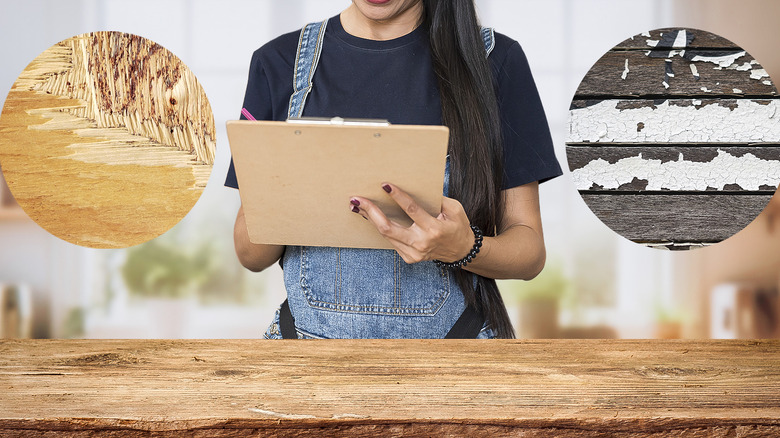
Is your cutting board scratched and chipped? You might not realize it, but those tiny grooves and cracks could be a serious health risk.
When you prepare food on damaged surfaces, bacteria can hide and multiply, putting you and your loved ones in danger. If you want to keep your kitchen safe and pass ServSafe inspections with ease, understanding how to handle a scratched and chipped cutting board is a must.
Keep reading to learn what you should do next and how to protect your food—and your health.

Credit: www.food-safety.com
Risks Of Using Damaged Cutting Boards
Cutting boards that are scratched and chipped can cause health problems. These damages make the board unsafe for food preparation.
Using damaged boards increases the chance of bacteria and germs spreading. Knowing the risks helps keep food safe.
Bacterial Growth In Cracks
Cracks and scratches on cutting boards trap food particles and moisture. These places become a perfect home for bacteria to grow.
Bacteria can multiply quickly in these hidden spots. It is hard to clean the cracks properly, which raises health risks.
Cross-contamination Hazards
Damaged cutting boards can transfer bacteria from one food to another. This can cause cross-contamination in the kitchen.
Using the same scratched board for raw meat and vegetables can spread harmful germs. This can lead to foodborne illnesses.
- Raw meat juices hide in cracks
- Bacteria spread to other foods
- Risk of sickness increases
Impact On Food Safety
Damaged cutting boards reduce overall food safety in the kitchen. They make it harder to keep food clean and safe.
Using chipped boards can lead to contamination, causing food poisoning. Safe food handling requires smooth and intact boards.
Inspecting Cutting Boards For Damage
Cutting boards can get damaged from daily use. Scratches and chips can hide bacteria. This makes food unsafe.
Regular inspection helps keep your kitchen safe. Look closely for any damage on your cutting boards.
Identifying Scratches And Chips
Scratches are small cuts or grooves on the board’s surface. Chips are pieces missing from the edges or surface. Both can trap bacteria.
Check the board under good light. Run your fingers over the surface to feel rough spots. Look at edges for cracks or missing pieces.
- Scratches: shallow or deep lines on the board
- Chips: broken or missing parts along edges or surface
- Discoloration may show bacteria buildup
- Warping can also indicate damage
When To Replace A Cutting Board
Replace cutting boards if scratches or chips are deep. Damaged boards can hide germs that cleaning may miss.
Also replace if the board is cracked, warped, or has rough surfaces that cannot be cleaned. These signs mean the board is unsafe.
- Deep scratches or grooves that hold food particles
- Chips that create sharp edges or holes
- Cracks that go through the board
- Warped or uneven surfaces
- Persistent stains or odors
Cleaning And Sanitizing Tips
A cutting board that is scratched and chipped can harbor bacteria. Cleaning and sanitizing it properly keeps food safe. Follow these simple steps to care for your cutting board.
Use the right washing, sanitizing, and drying methods. This helps avoid cross-contamination and extends the board’s life.
Proper Washing Techniques
Clean the cutting board right after use. Use hot, soapy water to remove food particles. Scrub all surfaces, especially scratches and chips.
- Rinse the board with warm water.
- Apply dish soap and scrub well.
- Use a brush to reach into grooves.
- Rinse thoroughly with hot water.
- Dry with a clean towel or air dry.
Effective Sanitizers To Use
Sanitize the cutting board to kill germs after washing. Use approved sanitizers that are safe for food contact surfaces.
| Sanitizer | How to Use | Notes |
|---|---|---|
| Bleach Solution | 1 tablespoon bleach in 1 gallon water | Apply, let sit 1 minute, rinse well |
| Quaternary Ammonium Compounds | Follow product label instructions | Safe for food surfaces if used correctly |
| Vinegar | Spray undiluted, let sit 10 minutes | Natural option but less effective on all germs |
Drying And Storage Practices
Dry the cutting board completely to prevent bacteria growth. Store it in a clean, dry area away from contaminants.
- Use a clean towel or air dry the board.
- Store upright to allow air circulation.
- Avoid stacking wet boards together.
- Regularly inspect for deep scratches and replace if needed.

Credit: www.reddit.com
Materials And Maintenance
Cutting boards can get scratched and chipped with use. These damages may cause food safety risks. Choosing the right material and keeping the board well maintained helps keep it safe and lasts longer.
Some materials hold up better under daily use. Proper cleaning and care prevent damage and keep bacteria away. Let’s look at how to pick a good cutting board and how to care for it.
Choosing Durable Cutting Boards
Choose cutting boards made from strong materials. Hard plastics and hardwoods resist scratches and chips. Avoid soft woods that wear out quickly.
- High-density polyethylene (HDPE) is safe and long-lasting
- Maple and walnut are strong hardwood options
- Avoid glass or ceramic boards that chip easily
- Look for boards with a smooth, non-porous surface
Routine Maintenance To Prevent Damage
Clean cutting boards after each use with hot, soapy water. Dry them fully to stop warping or cracking. Check for deep scratches that can hide bacteria.
Use sandpaper or a board scraper to smooth minor scratches. Replace boards if they have many deep cuts or chips. Regular care keeps boards safe and extends their life.
- Wash with warm water and soap after every use
- Sanitize boards regularly with a bleach solution or vinegar
- Do not soak wooden boards in water
- Oil wooden boards monthly to prevent drying
- Store boards upright in a dry place
Servsafe Guidelines For Cutting Boards
Cutting boards must be safe to use in food preparation. Scratched and chipped boards can harbor germs.
ServSafe offers clear rules to keep cutting boards clean and safe. Following these rules helps stop food contamination.
Compliance With Safety Standards
Cutting boards should not have deep scratches or chips. These damages can hold bacteria and cause illness.
ServSafe requires cutting boards to be smooth and easy to clean. Replace boards that are badly damaged or worn out.
- Use boards made from approved materials like plastic or hardwood
- Check boards regularly for scratches and cracks
- Remove and replace boards that are cracked, chipped, or deeply scored
- Sanitize boards after each use to kill bacteria
Handling And Usage Best Practices
Always clean cutting boards with hot, soapy water after use. Dry them completely before storing.
Use separate boards for raw meat, vegetables, and cooked foods. This prevents cross-contamination.
- Label cutting boards for specific food types
- Do not use boards with chips or deep scratches
- Store boards in a clean, dry place
- Inspect boards daily to ensure safety

Credit: www.reddit.com
Frequently Asked Questions
Why Is My Cutting Board Scratched And Chipped?
Cutting boards can get scratched and chipped due to frequent knife use. Over time, hard chopping and slicing can wear down the surface. To minimize damage, use boards made from durable materials like wood or plastic and regularly maintain them by sanding and oiling.
How Can I Fix A Chipped Cutting Board?
To fix a chipped cutting board, first sand the area to smooth it out. Use food-safe mineral oil to condition the board. Regular maintenance helps prevent further damage. Avoid putting cutting boards in the dishwasher, as the heat and water can worsen chips.
What Is Servsafe’s Advice On Damaged Cutting Boards?
ServSafe recommends replacing heavily scratched or chipped cutting boards. Damaged boards can harbor bacteria and are difficult to clean effectively. Regular inspections are advised to ensure cutting boards remain in good condition and safe for food preparation.
Can A Scratched Cutting Board Be Sanitized?
Yes, a scratched cutting board can be sanitized with a bleach solution. Mix one tablespoon of bleach with one gallon of water. Soak the board for a few minutes, then rinse thoroughly. However, deep scratches may still harbor bacteria, making replacement a safer option.
Conclusion
A scratched and chipped cutting board can hide germs and bacteria. This makes food unsafe and can cause illness. Always check your cutting boards for damage before use. Replace them if they have deep cuts or cracks. Clean boards well to keep your kitchen healthy.
Taking care of your tools helps protect your family. Safety in the kitchen is simple but very important. Use smooth, clean boards for better food safety every day.