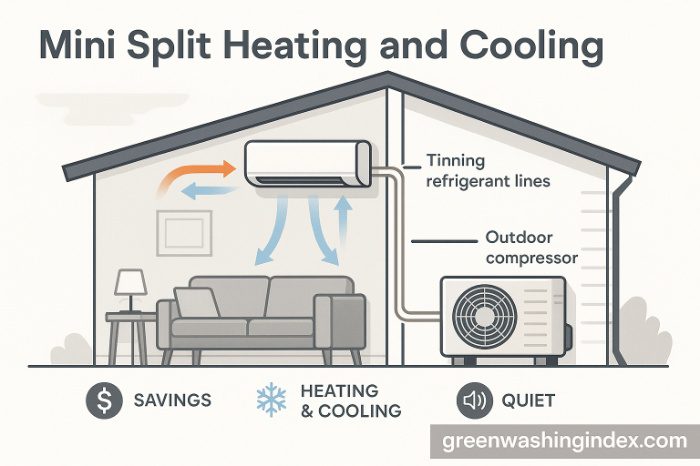
Have you ever wondered what makes your split system air conditioner work so efficiently to keep your home cool? Understanding the key parts of a typical residential split system air conditioner can help you take better care of your unit and improve its performance.
You’ll discover exactly what components make up your air conditioner and how each one plays a vital role in creating a comfortable living space. Keep reading to learn what’s inside your system and why knowing this can save you time and money on maintenance.
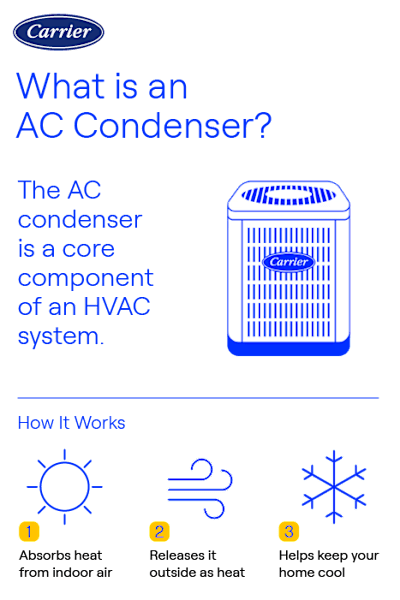
Credit: www.carrier.com
Outdoor Unit
The outdoor unit is a key part of a residential split system air conditioner. It works with the indoor unit to cool your home.
This unit is placed outside your house. It holds important parts that help remove heat from inside.
Compressor Function
The compressor is like the heart of the outdoor unit. It pumps refrigerant through the system.
It squeezes the refrigerant gas to raise its pressure and temperature. This makes heat removal possible.
Condenser Coil Role
The condenser coil cools the hot refrigerant gas from the compressor. It changes the gas back to liquid.
Heat from the refrigerant passes through the coil and is released outside the house.
- Releases heat to the outdoor air
- Helps refrigerant cool down
- Prepares refrigerant to return inside
Fan Mechanism
The fan blows air over the condenser coil. This helps remove heat from the refrigerant.
The fan keeps the outdoor unit cool and allows it to work efficiently during hot days.
- Draws air through condenser coil
- Supports heat transfer to outside air
- Prevents outdoor unit from overheating
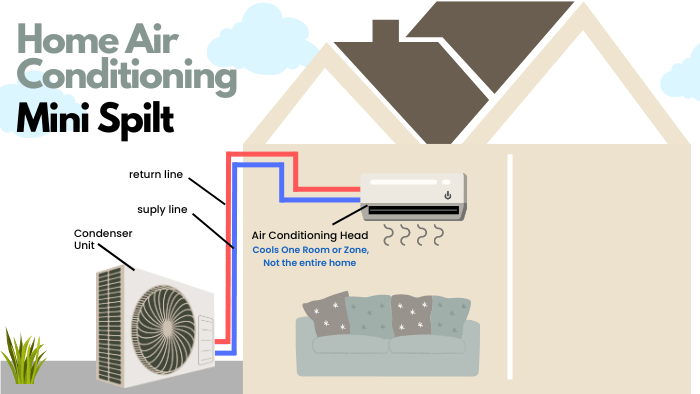
Credit: thegentlemenpros.com
Indoor Unit
The indoor unit is a key part of a residential split system air conditioner. It works inside your home to cool the air. This unit connects with the outdoor unit to complete the cooling process.
It contains several important components that help move air and remove heat. Understanding these parts helps explain how your air conditioner keeps your home comfortable.
Evaporator Coil Purpose
The evaporator coil cools the warm air inside your home. It holds refrigerant that absorbs heat from the air. As air passes over the coil, the refrigerant removes heat and moisture.
This process lowers the air temperature and reduces humidity. The cooled air then moves through your home’s ductwork for comfort.
Air Handler Operation
The air handler moves air through the indoor unit and your home’s duct system. It pulls warm air inside and pushes cooled air back out. The air handler contains the evaporator coil and blower fan.
- Draws warm air from rooms
- Pushes air over the evaporator coil
- Circulates cooled air into living spaces
- Filters air to remove dust and particles
Blower Fan Dynamics
| Function | Description |
| Air Movement | Pushes air through the evaporator coil and ducts |
| Speed Control | Adjusts airflow to match cooling needs |
| Noise Level | Designed to operate quietly for indoor comfort |
| Energy Use | Uses electricity efficiently to save power |
Thermostat
A thermostat is a key part of a residential split system air conditioner. It controls the temperature inside your home. The thermostat helps keep rooms comfortable by turning the air conditioner on and off.
Thermostats come in different types. Some are simple dials, while others are digital with advanced features. They allow you to set the temperature you want.
Temperature Control
The thermostat measures the room temperature and compares it to the set temperature. If the room is warmer than the set level, the air conditioner starts cooling. If the room is cooler, the air conditioner stops.
This control keeps the temperature steady. It prevents rooms from getting too hot or too cold. This makes your home more comfortable all day.
Energy Efficiency
Using a thermostat helps save energy. It stops the air conditioner from running too long. This cuts down electricity use and lowers your bills.
Some thermostats have timers or smart features. These can adjust the temperature when you are away or asleep. This reduces energy waste without losing comfort.
- Turns AC off when not needed
- Adjusts temperature based on time
- Maintains steady room temperature
- Reduces electricity bills
Refrigerant Lines
A typical residential split system air conditioner uses refrigerant lines to move cooling gas between the indoor and outdoor units. These lines carry the refrigerant in two states: liquid and gas.
Proper design and care of refrigerant lines ensure efficient cooling and system longevity.
Refrigerant Flow
Refrigerant flows through two main pipes: the suction line and the liquid line. The suction line carries cool gas back to the compressor. The liquid line carries high-pressure liquid refrigerant to the indoor coil.
- Suction Line: Larger diameter, insulated to prevent heat gain.
- Liquid Line: Smaller diameter, usually uninsulated.
- Flow Direction: From outdoor to indoor unit and back.
- Pressure Changes: Refrigerant changes pressure and temperature during flow.
Insulation Importance
Insulation on refrigerant lines helps keep the cold refrigerant cool. It stops heat from entering the suction line. Without insulation, the system uses more energy and cools less effectively.
| Insulation Benefit | Effect on System |
| Prevents Heat Gain | Keeps refrigerant temperature low |
| Reduces Energy Use | Lowers electricity bills |
| Prevents Condensation | Stops water damage and mold |
| Extends Equipment Life | Reduces wear on compressor |
Expansion Valve
The expansion valve is a key part of a residential split system air conditioner. It controls the flow of refrigerant into the evaporator coil. This helps the system cool your home efficiently.
This valve adjusts pressure and temperature, which affects how well the system works. Understanding its role helps explain how your air conditioner stays comfortable.
Pressure Regulation
The expansion valve reduces the refrigerant pressure before it enters the evaporator. This drop in pressure allows the refrigerant to expand and cool. The valve keeps pressure balanced for steady operation.
- Controls refrigerant flow rate
- Maintains proper pressure difference
- Prevents liquid refrigerant from flooding the evaporator
- Ensures smooth system cycling
Cooling Efficiency
The expansion valve improves cooling by adjusting refrigerant flow to match the cooling load. It helps the evaporator absorb more heat from the indoor air. This makes the system more energy efficient.
| Factor | Effect on Cooling |
| Accurate flow control | Optimizes refrigerant use |
| Pressure drop | Enables evaporation and heat absorption |
| Responsive adjustment | Adapts to temperature changes |
| Prevents overcooling | Maintains consistent indoor comfort |
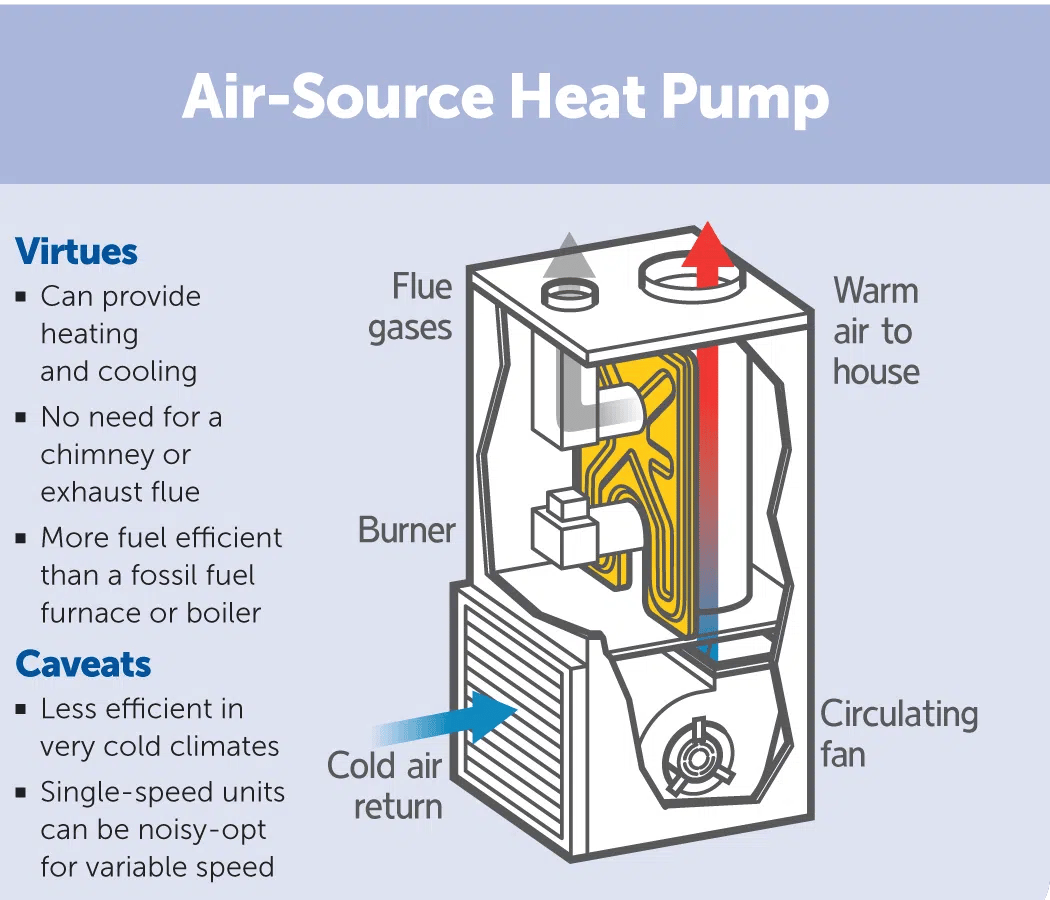
Credit: www.greenbuildermedia.com
Ductwork System
The ductwork system moves cooled air from the air conditioner to rooms. It plays a key role in keeping the home comfortable. Good ductwork ensures air flows well and reaches every space.
This system includes ducts, vents, and registers. Proper design and installation help the air conditioner work efficiently and lower energy costs.
Air Distribution
Air distribution means how air moves through the duct system. Proper air flow keeps rooms cool and fresh. The ducts must be sized right to deliver enough air. Vents and registers control where air goes.
- Duct size affects air flow and noise.
- Supply vents send cool air into rooms.
- Return vents pull air back to the system.
- Registers allow adjusting air direction and volume.
- Balanced air flow improves comfort and efficiency.
Sealing And Insulation
Sealing and insulation protect the ducts from leaks and energy loss. Leaks reduce cooling and waste power. Insulation keeps air temperature steady inside ducts.
| Component | Purpose | Benefit |
| Sealing (mastic or tape) | Close gaps and cracks | Prevents air leaks |
| Insulation wrap | Cover ducts | Keeps air cold or warm |
| Proper joints | Secure duct connections | Reduces noise and leaks |
Frequently Asked Questions
What Are The Main Parts Of A Residential Split Ac?
A typical residential split AC includes an indoor unit, outdoor unit, compressor, condenser coil, evaporator coil, and refrigerant lines. These parts work together to cool indoor air efficiently and quietly.
How Does The Indoor Unit Function In A Split Ac?
The indoor unit contains the evaporator coil and blower fan. It absorbs heat from the room air and circulates cooled air back into the space.
What Role Does The Outdoor Unit Play In Cooling?
The outdoor unit houses the compressor and condenser coil. It releases heat absorbed from indoors to the outside environment.
Why Are Refrigerant Lines Important In Split Systems?
Refrigerant lines connect indoor and outdoor units. They carry refrigerant that absorbs and releases heat, enabling the cooling cycle.
Conclusion
A typical residential split system air conditioner has key parts that work together. The indoor unit cools the air inside your home. The outdoor unit releases heat outside. Pipes connect these units to move refrigerant. A compressor helps circulate the refrigerant.
Fans move the air through the system. Understanding these parts helps you care for your AC. Regular maintenance keeps it running smoothly and saves energy. A well-maintained system keeps your home comfortable all year. Simple knowledge can make a big difference.