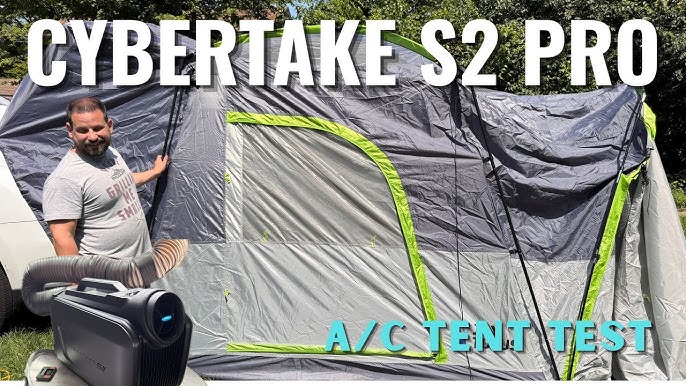
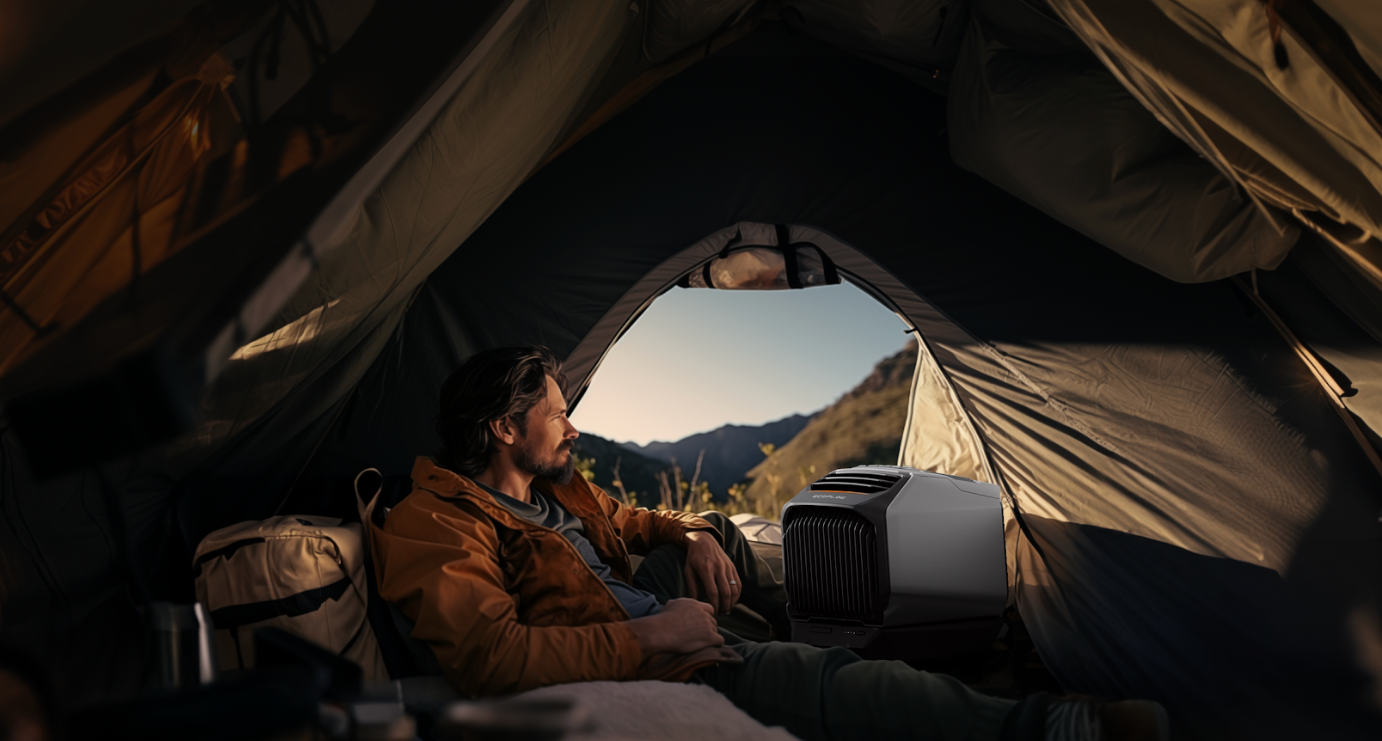
Imagine stepping into your tent after a long day of hiking, only to be greeted by cool, refreshing air that makes you want to stay inside longer. That’s the magic of A/C tent camping.
If you’ve ever struggled with heat and humidity while camping, this could change everything for your next trip. You’re about to discover how adding air conditioning to your tent can turn a rough night into pure comfort. Ready to learn how to make your outdoor adventures cooler and more enjoyable?
Keep reading, because your camping experience is about to get a serious upgrade.

Credit: www.coreequipment.com
Choosing The Right Tent
Choosing the right tent is key for a comfortable A/C tent camping trip. Your tent must fit your needs and work well with your air conditioner.
Think about size, ventilation, material, and how the tent matches your A/C unit. These factors keep you cool and safe outdoors.
Size And Ventilation
Size matters to fit you and your gear. Make sure there is space for your A/C unit without crowding the tent.
- Choose a tent with enough room for all campers
- Look for tents with multiple windows or vents
- Good ventilation helps air flow and keeps you cool
- Check if the tent has a special flap or opening for the A/C hose
Material And Durability
Tent fabric should block heat and resist wear. Durable materials last through many camping trips.
| Material | Benefit | Notes |
| Polyester | Lightweight and water-resistant | Good for warm weather |
| Nylon | Strong and quick-drying | Common in many tents |
| Canvas | Very durable and breathable | Heavier but cooler inside |
Compatibility With A/c Units
Your tent must fit your A/C unit properly. Check for openings or adaptors made for air conditioners.
- Measure your A/C unit before buying a tent
- Look for tents with A/C sleeves or ports
- Use seal strips to keep air from leaking
- Ensure the tent fabric around the A/C is heat resistant

Credit: www.youtube.com
Selecting Portable A/c Units
Choosing the right portable air conditioner can make tent camping more comfortable. Portable A/C units help keep the tent cool during hot weather. It is important to pick a unit that fits your camping needs.
This guide explains types of portable air conditioners, power sources, and noise levels. These details will help you decide which unit works best for your camping trips.
Types Of Portable Air Conditioners
There are three main types of portable air conditioners for tent camping. Each type has benefits and limits. Knowing the differences can help you choose the right one.
- Evaporative Coolers:Use water to cool the air. They work best in dry climates.
- Compressor-Based Units:Use refrigerant to cool. They are more powerful but use more energy.
- Battery-Operated Fans:Provide airflow but do not cool the air. Good for mild heat.
Power Sources And Efficiency
Portable A/C units need power to run. Some use electricity from a campsite outlet. Others run on batteries or solar panels. Efficiency affects how long the unit can cool your tent.
| Power Source | Advantages | Disadvantages |
| Electric Outlet | Strong cooling, steady power | Needs campsite with electricity |
| Batteries | Portable, no cords | Limited runtime, needs recharging |
| Solar Panels | Eco-friendly, renewable | Depends on sunlight availability |
Noise Levels And Portability
Noise can affect your camping experience. Some units run quietly while others make more sound. Portability is also key for easy setup and transport.
- Look for units with low decibel ratings to reduce noise.
- Choose lightweight models for easy carrying.
- Consider the size of the unit to fit your tent space.
Power Solutions For A/c Camping
Camping with an air conditioner needs a steady power source. Without power, your A/C will not work well.
There are different ways to power your A/C while camping. Each option has its own benefits and things to watch out for.
Using Generators Safely
Generators can give strong power for your A/C. It is important to use them with care to avoid accidents.
Keep generators outside your tent. This stops harmful gases from building up inside. Use a heavy-duty extension cord made for outdoor use.
- Place the generator on a flat surface outside
- Never run it inside or near open windows
- Turn off the generator before refueling
- Use proper cords and check for damage
Solar Power Options
Solar panels can give clean energy for camping. They work best in sunny spots and during the day.
You need a solar panel, a charge controller, and batteries to store power. This setup keeps your A/C running even when the sun goes down.
- Choose panels with enough wattage for your A/C
- Use a good battery to store energy
- Keep panels clean and facing the sun
- Check connections to avoid power loss
Battery Packs And Inverters
Battery packs store power you can use anytime. Inverters change battery power to run your A/C.
Choose battery packs with enough capacity. This helps your A/C run longer without stopping.
- Pick a battery with high amp-hour (Ah) rating
- Match the inverter wattage to your A/C needs
- Use pure sine wave inverters for better performance
- Keep batteries charged and avoid deep discharges
Setting Up Your A/c Tent
Setting up a tent with air conditioning makes camping more comfortable. It needs careful planning to keep the tent cool and safe.
Follow these tips to place your tent well, connect the A/C properly, and keep good airflow inside.
Proper Tent Placement
Choose a flat and shaded area to set your tent. Avoid low spots that collect water when it rains.
- Pick a spot away from strong winds
- Clear rocks and sticks from the ground
- Place the tent door facing away from the sun
- Keep the tent near a power source if possible
Securing A/c Connections
Connect the A/C unit to your tent with care. Ensure the hoses and cables fit tightly to avoid leaks.
| Connection Part | Tip for Secure Setup |
|---|---|
| Air Hose | Use clamps or tape to seal the joint |
| Power Cord | Keep cords dry and away from foot traffic |
| Window Flap | Seal gaps with weatherproof tape |
Ensuring Ventilation And Airflow
Good airflow helps the A/C cool the tent well. Keep vents clear and open to allow fresh air inside.
- Do not block tent vents with gear or walls
- Open windows or mesh panels for air exchange
- Check that the A/C exhaust is not inside the tent
- Use fans inside to move cool air around
Maintaining Comfort Inside The Tent
Keeping your tent comfortable during camping improves your overall experience. Simple changes can help control temperature and air quality inside.
Focus on managing humidity, using insulation, and organizing the tent layout. These steps keep the space dry, warm, and spacious.
Managing Humidity Levels
Humidity inside the tent causes dampness and discomfort. Good airflow and moisture control keep the tent dry.
- Open vents or windows to allow air circulation.
- Use a small battery-powered fan to improve airflow.
- Keep wet clothes and gear outside the tent.
- Use moisture absorbers or silica gel packs in the tent.
- Pitch the tent on dry ground to avoid dampness from soil.
Using Insulation And Reflective Materials
Insulation keeps heat in during cold nights and blocks heat on hot days. Reflective materials help control sunlight exposure.
| Material | Purpose | Tips |
| Foam Sleeping Pads | Insulate from cold ground | Place under sleeping bags |
| Reflective Blankets | Block and reflect sunlight | Cover tent roof or walls |
| Thermal Liners | Trap warm air inside | Attach inside tent walls |
Optimizing Tent Layout
Organizing the tent space helps improve comfort and airflow. Plan where to place gear and sleeping areas.
Try these layout tips:
- Keep the tent entrance clear to let fresh air in.
- Store gear in vestibules or outside the sleeping area.
- Arrange sleeping bags away from walls to reduce condensation.
- Use mesh pockets or organizers to keep items off the floor.
Safety Tips For A/c Camping
Camping with air conditioning can make your trip more comfortable. It is important to stay safe while using electrical equipment outdoors.
Knowing how to avoid hazards, control temperature, and prepare for emergencies helps protect you and your gear.
Avoiding Electrical Hazards
Electricity powers your A/C but can be dangerous if not handled properly. Use only outdoor-rated extension cords and plugs.
- Check cords for damage before use
- Keep all plugs dry and off the ground
- Do not overload circuits or outlets
- Turn off power before plugging or unplugging devices
- Keep children and pets away from electrical equipment
Monitoring Temperature And Humidity
Keep the tent comfortable by watching the inside temperature and humidity levels. High humidity can cause mold and discomfort.
| Condition | Recommended Level |
| Temperature | 65°F to 75°F (18°C to 24°C) |
| Humidity | 40% to 60% |
Use a thermometer and a small hygrometer to check conditions inside the tent. Adjust the A/C settings as needed.
Emergency Preparedness
Prepare for emergencies by having a plan and the right supplies ready. Know how to quickly turn off the A/C.
- First aid kit
- Flashlights with extra batteries
- Fire extinguisher rated for electrical fires
- Battery-powered radio
- Emergency contact numbers
Practice shutting off power to the A/C unit and unplugging it in case of an emergency.
Additional Comfort Enhancements
Adding comfort to your A/C tent camping makes your trip more relaxing. Small upgrades can improve your sleep and overall experience.
This guide covers cooling bedding, lighting choices, and ways to reduce noise in your tent.
Cooling Bedding And Gear
Use bedding that helps lower body temperature during hot nights. Look for materials that breathe well and wick away sweat.
- Cooling gel pillows to keep your head cool
- Lightweight cotton sheets for better airflow
- Portable battery-powered fans inside the tent
- Moisture-wicking sleeping bags designed for summer
- Cooling mattress pads to reduce heat buildup
Lighting Options
Good lighting helps you see clearly without disturbing your rest or neighbors. Choose soft, adjustable lights inside your tent.
| Type of Light | Best Use | Power Source |
| LED Lantern | Bright, area lighting | Batteries or rechargeable |
| Clip-on Reading Light | Focused light for books | Battery-operated |
| String Lights | Soft ambient lighting | Solar or battery |
| Headlamp | Hands-free lighting | Rechargeable or batteries |
Noise Reduction Techniques
Quiet your sleeping area by blocking outside noise. Use simple tools and smart placement to reduce sound.
- Set up your tent away from busy trails or roads
- Use earplugs designed for sleeping
- Place rugs or mats inside the tent to absorb sound
- Hang heavy blankets on tent walls to block noise
- Choose a tent with thicker fabric or noise-reducing panels
Credit: www.ecoflow.com
Frequently Asked Questions
What Is A/c Tent Camping?
A/C tent camping involves using air-conditioned tents to stay cool. This type of camping is perfect for hot climates. It ensures campers remain comfortable, especially during summer. With A/C tents, you can enjoy the outdoors without the discomfort of excessive heat.
How Does An A/c Tent Work?
An A/C tent uses a portable air conditioning unit or a built-in system. The unit cools the air inside the tent. It circulates cool air to maintain a comfortable temperature. Ventilation and insulation are key components for efficient cooling in these tents.
Are A/c Tents Energy Efficient?
A/C tents can be energy efficient if used correctly. Choosing the right size and placement helps optimize efficiency. Using solar-powered units can further enhance energy savings. Proper insulation reduces the need for excessive cooling, conserving energy.
What Are The Benefits Of A/c Tent Camping?
A/C tent camping offers comfort in hot weather, ensuring a pleasant experience. It allows campers to enjoy nature without overheating. This type of camping is ideal for families with children or elderly members. It enhances sleep quality and overall enjoyment.
Conclusion
A/C tent camping makes outdoor stays cooler and more comfortable. It helps you enjoy nature without feeling too hot. You can sleep better and have more fun during warm nights. Choosing the right air conditioner for your tent is important.
Simple steps can improve your camping experience a lot. Try A/C tent camping on your next trip. Feel the fresh air and stay cool all night. Camping with A/C brings a new level of comfort outdoors.