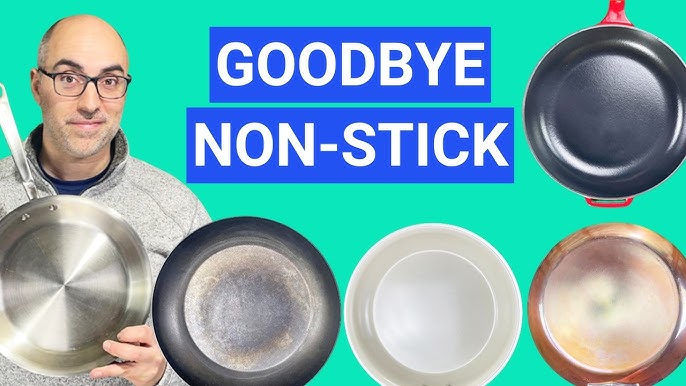
Are you worried about the safety of your cookware? When it comes to All Clad pans, many people wonder if they are truly safe or if hidden toxins could be lurking in your kitchen.
You want to cook healthy meals without worrying about harmful chemicals sneaking into your food. This article will clear up the confusion and give you the facts you need. By the end, you’ll know exactly what’s inside your All Clad pans and whether they are a safe choice for you and your family.
Keep reading to protect your health and cook with confidence!
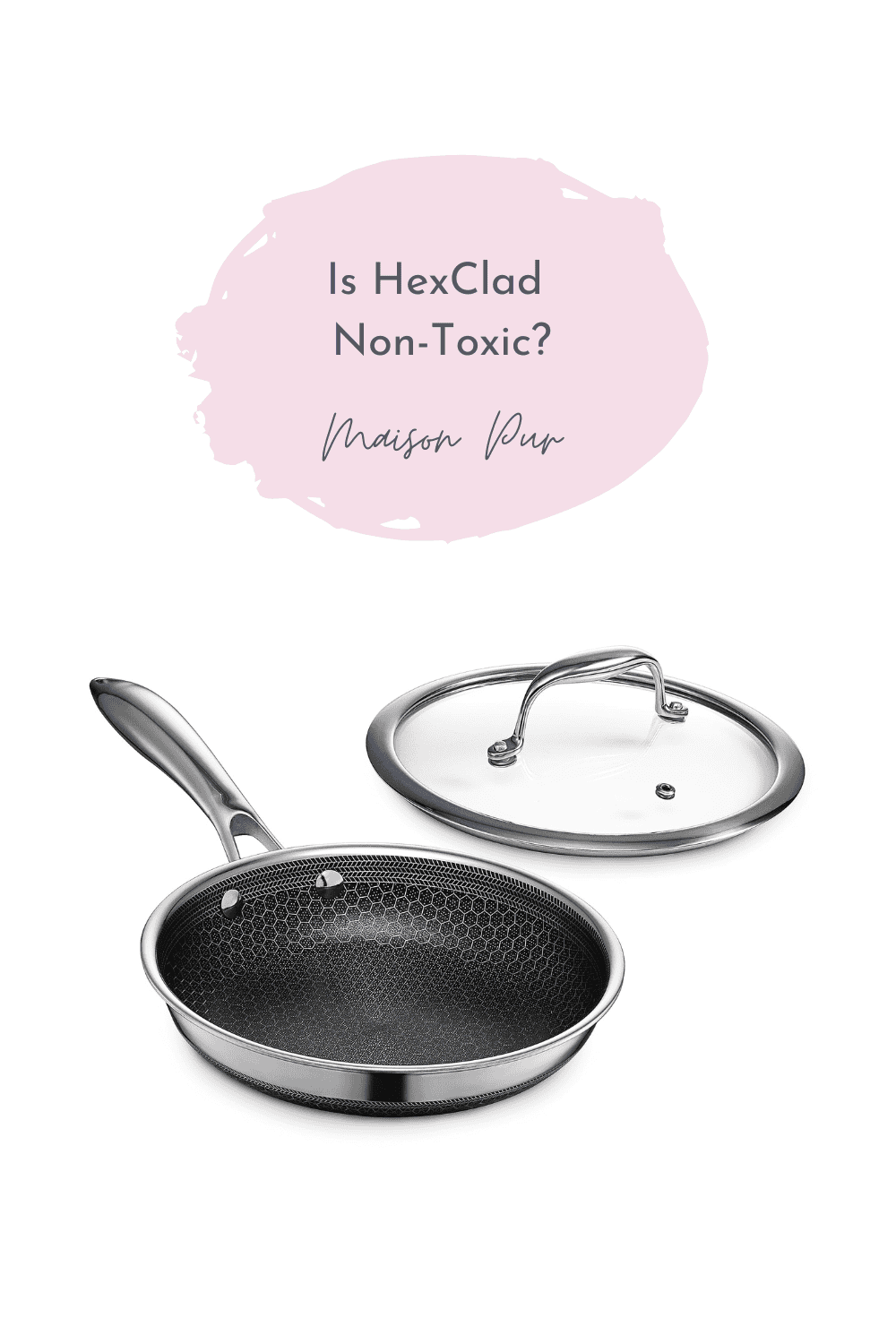
Credit: maisonpur.com
Clad Pans Explained
Clad pans are popular cookware that cooks food evenly. They have layers of different metals bonded together.
This design helps distribute heat well and prevents hot spots. Many chefs and home cooks use clad pans.
What Are Clad Pans?
Clad pans are pots or pans made by fusing several metal layers. The layers work together to improve cooking.
The outer layer usually handles heat well. The inner layer touches food and is safe to cook on.
- Multiple metal layers bonded tightly
- Even heat distribution for cooking
- Durable and long-lasting cookware
Materials Used In Clad Pans
Clad pans use different metals for their layers. Each metal adds a special quality to the pan.
Common metals include stainless steel, aluminum, and sometimes copper. Each metal has a specific role.
- Stainless Steel:Safe for cooking, resists rust and stains.
- Aluminum:Excellent heat conductor, spreads heat evenly.
- Copper:Great heat control but often used inside layers only.

Credit: www.amazon.com
Common Concerns About Toxicity
Many people worry if All Clad pans are safe to use. They ask if these pans release harmful substances during cooking. Understanding what materials are inside helps clear these concerns.
This article looks at metals and coatings in All Clad pans. It also explains health risks linked to cookware. This can help you decide if these pans are right for you.
Metals And Chemical Coatings
All Clad pans use layers of different metals. They often include stainless steel and aluminum. Stainless steel is common and does not usually release harmful substances.
All Clad pans do not have chemical coatings like non-stick sprays. This lowers the chance of toxic chemicals mixing with food. The metal layers are bonded tightly to stop leaks.
- Stainless steel is durable and safe for cooking
- Aluminum core helps with heat but is sealed inside
- No added chemical coatings reduce toxicity risks
Health Risks Associated With Cookware
Using pans that release metals or chemicals can cause health issues. Some metals can irritate the stomach or cause allergic reactions. Chemicals from coatings may be harmful if heated too much.
All Clad pans are designed to limit these risks. They do not have toxic coatings. The metals used are stable and safe at normal cooking temperatures.
- Metal exposure from All Clad pans is very low
- There is no risk from chemical coatings in these pans
- Proper use and care keep the pans safe for cooking
Safety Of Different Clad Pan Types
Clad pans are popular for cooking because they heat evenly. People often ask if these pans are safe to use. The safety depends on the materials used in the pans.
We will look at three main types of clad pans: stainless steel, copper core, and aluminum core. Each type has different safety features.
Stainless Steel Clad Pans
Stainless steel clad pans are very common. They are made with layers of stainless steel and other metals. Stainless steel is non-reactive, so it does not release harmful chemicals into food.
These pans are safe for most cooking tasks. They do not rust easily and can handle high heat without damage.
Copper Core Clad Pans
Copper core clad pans have a layer of copper inside. Copper conducts heat well but can react with food if exposed. Usually, the copper is covered by stainless steel to prevent contact.
- Copper can be toxic if it leaches into food.
- The stainless steel layer keeps food safe.
- Do not use pans with damaged layers.
Proper care can keep copper core pans safe. Avoid scratching or damaging the inner layers.
Aluminum Core Clad Pans
Aluminum core clad pans heat quickly and evenly. Aluminum can react with acidic foods and cause a metallic taste or discoloration.
| Core Material | Safety Concerns | Protection Layer |
|---|---|---|
| Aluminum | Can react with acidic foods | Usually stainless steel or non-stick coating |
| Copper | Can leach copper if exposed | Stainless steel layer |
| Stainless Steel | Non-reactive and safe | Stainless steel itself |
Make sure the aluminum core is fully covered. This keeps food safe and avoids flavor changes.
Signs Of Unsafe Cookware
Using safe cookware is important for your health. Not all pans stay safe after long use. It is key to know when your clad pans might be unsafe.
Look for signs that show your pan could be harmful. This helps prevent chemicals or metals from leaking into food.
Wear And Tear Indicators
Clad pans can wear out with use. Scratches, dents, and discoloration can mean the protective layers are damaged.
- Scratches on the cooking surface
- Peeling or flaking layers
- Discoloration or rust spots
- Warped or bent shape
- Loose handles or rivets
These signs show your pan may no longer be safe. Damaged surfaces can release metals or toxins into food.
When To Replace Your Clad Pan
Replace your clad pan if you see deep scratches or peeling. If the pan warps or the handle feels loose, it is time to get a new one.
Frequent cooking on damaged pans can affect your health. Do not wait too long to change unsafe cookware.
- If cooking surface is scratched deeply
- If metal layers are peeling or flaking
- If pan is warped and no longer flat
- If handles are loose or broken
- If rust appears on the surface
Proper Use And Maintenance
All Clad pans are made with layers of metal for even heat. They are safe to use if cared for properly. Using and cleaning them right keeps pans lasting longer.
Taking care of your pans means avoiding damage and cleaning them the best way. This helps keep the pan’s surface smooth and safe.
Cleaning Tips
Clean All Clad pans after each use. Use warm water and mild soap. Avoid harsh cleaners that can scratch the surface.
For stuck food, soak the pan in warm soapy water. Use a soft sponge or cloth to clean. Do not use steel wool or abrasive pads.
- Use warm water and mild dish soap
- Soak pans with stuck food before cleaning
- Use soft sponges or cloths only
- Dry pans immediately after washing
Avoiding Damage
Do not use metal utensils on All Clad pans. They can scratch and damage the cooking surface. Use wooden, silicone, or plastic tools instead.
Avoid sudden temperature changes. Do not put a hot pan in cold water. This can cause warping or damage to the pan layers.
- Use non-metal utensils only
- Do not heat empty pans for long
- Avoid sudden temperature changes
- Store pans carefully to prevent scratches

Credit: www.youtube.com
Choosing The Right Clad Pan
Choosing the right clad pan is important for safe cooking. Not all clad pans are the same. Some materials can be harmful if not made properly.
This guide helps you find a safe and good-quality clad pan for your kitchen.
Factors To Consider
Look at the materials used in the pan. Stainless steel and aluminum are common. Check if the pan has a non-stick coating. Some coatings may release toxins if heated too high.
- Material type and quality
- Layering method of metals
- Non-stick coating safety
- Heat resistance and durability
Trusted Brands And Certifications
Choose pans from brands known for quality and safety. Certifications show the product meets safety standards. Look for marks like FDA approval or food-safe labels.
| Certification | What It Means |
| FDA Approved | Safe for food contact |
| LFGB Certified | Meets German food safety laws |
| NSF Certified | Meets public health standards |
Frequently Asked Questions
Are All-clad Pans Safe For Cooking?
Yes, All-Clad pans are safe for cooking. They are made with high-quality stainless steel and aluminum. These materials are non-toxic and durable. All-Clad pans do not leach harmful chemicals into food. They are designed to provide even heating and excellent cooking performance.
Do All-clad Pans Contain Harmful Chemicals?
No, All-Clad pans do not contain harmful chemicals. They are crafted from food-safe materials. The stainless steel and aluminum used are free from toxins. All-Clad ensures their products meet strict safety standards. You can cook with confidence using All-Clad cookware.
Is The Non-stick Coating On All-clad Pans Toxic?
No, the non-stick coating on All-Clad pans is not toxic. All-Clad uses PFOA-free non-stick coatings. These coatings are safe for everyday cooking. They provide easy food release without harmful chemicals. All-Clad prioritizes safety and quality in their non-stick cookware.
Are All-clad Pans Made With Teflon?
All-Clad pans do not use Teflon for their non-stick coatings. They use PTFE-based coatings that are PFOA-free. These coatings ensure safety during cooking. All-Clad’s non-stick options are designed for longevity and performance. You can enjoy safe and efficient cooking with All-Clad pans.
Conclusion
Not all clad pans are toxic. Most use safe, high-quality materials. Stainless steel layers prevent harmful chemicals from leaching. Proper care keeps pans in good shape. Avoid overheating to protect the surface. Choose reputable brands for better safety. Clad pans offer durability and even cooking.
They can be a healthy option in your kitchen. Always check product details before buying. Cooking with clad pans can be safe and easy.