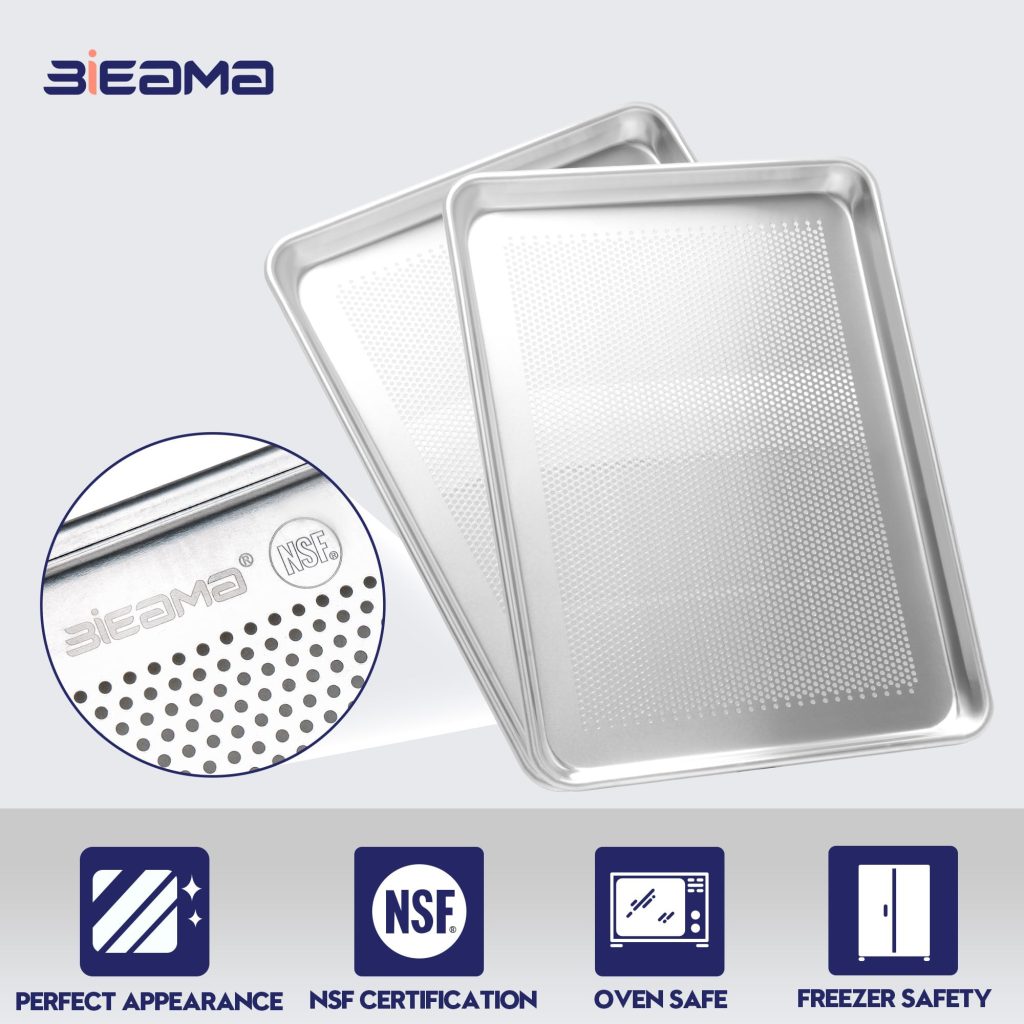
Are you wondering if aluminum cookie sheets are safe to use for baking your favorite treats? You’re not alone.
Many people worry about whether aluminum can affect the taste of their cookies or even their health. The truth might surprise you. You’ll discover what makes aluminum cookie sheets popular, what experts say about their safety, and simple tips to use them confidently.
Keep reading to find out how you can bake delicious, worry-free cookies every time.
Health Risks Of Aluminum
Aluminum is a common metal used in many kitchen items. People often wonder if aluminum cookie sheets are safe to use. Understanding the health risks of aluminum helps you make smart choices.
Aluminum can enter the body through food, water, or air. The effects of this exposure are still studied by scientists.
Aluminum Exposure And Its Effects
The body can absorb aluminum from cooking with aluminum pans or sheets. Small amounts usually cause no harm. But high exposure might affect health.
Aluminum can build up in bones, brain, and other tissues. Some people may have allergic reactions or skin irritation from direct contact.
- Aluminum exposure happens through food, water, and air
- Low exposure is generally safe
- High exposure may harm bones and brain
- Some people may get skin irritation
Links Between Aluminum And Diseases
Studies explore if aluminum causes diseases like Alzheimer’s. So far, results are not clear or conclusive. Scientists keep researching to find definite answers.
Some research suggests aluminum may affect brain health. Other studies show no strong link between aluminum and disease. Using aluminum products with care can reduce risk.
- No clear proof aluminum causes Alzheimer’s or other diseases
- Some studies find possible links to brain problems
- More research is needed to confirm effects
- Use aluminum products safely to limit exposure

Credit: kitchenatics.com
Aluminum In Cookware
Aluminum is a common metal used in cookware. It heats up quickly and spreads heat evenly.
Many people wonder if aluminum cookie sheets are safe to use for baking. This depends on the type of aluminum used.
Types Of Aluminum Cookie Sheets
Aluminum cookie sheets come in different types. Each type has its own features and safety levels.
The two main types are anodized and non-anodized aluminum sheets. They differ in how they are made and perform in the kitchen.
Anodized Vs. Non-anodized Aluminum
Anodized aluminum is treated to make a hard surface. This process protects the metal from reacting with food.
Non-anodized aluminum is raw metal. It can react with acidic foods and sometimes wear down faster.
- Anodized aluminum:Durable, resists scratches, safe for baking
- Non-anodized aluminum:Less durable, may react with food, lighter
Safety Of Aluminum Cookie Sheets
Aluminum cookie sheets are common in many kitchens. Many people wonder if they are safe to use for baking.
This article explains how aluminum interacts with food and the risk of aluminum leaching.
How Aluminum Interacts With Food
Aluminum is a lightweight metal that heats quickly and evenly. It is popular for baking sheets. The metal can react with acidic or salty foods.
- Acidic foods like tomatoes or citrus can cause aluminum to break down.
- Salty foods may speed up this reaction.
- Non-acidic foods usually do not affect aluminum much.
- Aluminum pans with non-stick coatings reduce food contact with metal.
Potential For Aluminum Leaching
Leaching means small amounts of aluminum can pass into food during cooking. This can happen more with certain foods and long cooking times.
| Factor | Effect on Aluminum Leaching |
|---|---|
| Food Acidity | Higher acidity increases leaching risk. |
| Cooking Time | Longer times raise aluminum exposure. |
| Food Salt Content | Salt can speed up aluminum release. |
| Pan Coating | Non-stick coatings reduce leaching. |
Expert Opinions On Usage
Aluminum cookie sheets are common in many kitchens. People often ask if they are safe to use. Experts have shared their views on this topic.
This article covers what food safety experts and the medical community say about aluminum cookie sheets.
Food Safety Experts’ Views
Food safety experts say aluminum cookie sheets are generally safe. They note that the metal can react with acidic foods but not with cookies.
- Aluminum is lightweight and heats quickly.
- It does not release harmful chemicals when used for baking cookies.
- Experts advise avoiding aluminum pans for very acidic foods like tomatoes.
- Coated or anodized aluminum sheets reduce any metal contact with food.
Medical Community Insights
Doctors and health experts agree that aluminum cookie sheets pose little risk. The amount of aluminum that could transfer is very low.
| Concern | Medical View |
| Aluminum Exposure | Low risk from baking with cookie sheets |
| Health Effects | No strong evidence linking baking sheets to illness |
| Safe Use Tips | Use non-reactive coatings or avoid acidic foods |
Alternatives To Aluminum Sheets
Aluminum cookie sheets are popular, but some worry about safety. Many safe alternatives exist for baking cookies and other treats.
This guide will explore other safe baking materials and their pros and cons. You can find the best choice for your kitchen needs.
Other Safe Baking Materials
There are several safe materials to use instead of aluminum sheets. These include stainless steel, silicone mats, glass, and ceramic baking sheets.
- Stainless Steel:Durable and resists rust. Good heat conductor but may brown cookies unevenly.
- Silicone Baking Mats:Non-stick and reusable. They do not conduct heat as well but are easy to clean.
- Glass Baking Sheets:Even heat distribution. They take longer to heat and can break if dropped.
- Ceramic Sheets:Great for even baking and attractive appearance. They are fragile and heavy.
Pros And Cons Of Alternatives
| Material | Pros | Cons |
| Stainless Steel | Durable, rust-resistant, easy to clean | Can cause uneven browning |
| Silicone Mats | Non-stick, reusable, flexible | Slower heat transfer, may not brown well |
| Glass | Even heat, does not react with food | Fragile, heats slowly |
| Ceramic | Even baking, attractive design | Heavy, can chip or crack |

Credit: www.amazon.ca
Best Practices For Safe Baking
Aluminum cookie sheets are popular for baking. They heat quickly and evenly. Still, some worry about safety when using aluminum bakeware.
Following best practices can keep your baking safe and healthy. Simple care and smart use protect your food and bakeware.
Maintaining Aluminum Bakeware
Clean your aluminum cookie sheets gently to keep them in good shape. Harsh scrubbing can damage the surface and cause aluminum to leach into food.
- Wash with warm water and mild soap after use.
- Avoid using metal scrubbers or harsh cleaners.
- Dry thoroughly to prevent rust or stains.
- Do not put aluminum sheets in the dishwasher often.
- Store in a dry place away from strong acids or bases.
Tips To Minimize Health Risks
Aluminum can react with acidic or salty foods. This reaction may increase aluminum in your food. Use these tips to reduce any health risks.
| Tip | How to Apply |
| Use parchment paper or silicone mats | Line cookie sheets before baking sticky or acidic foods |
| Avoid cooking highly acidic foods | Skip tomato, citrus, or vinegar-based recipes on aluminum sheets |
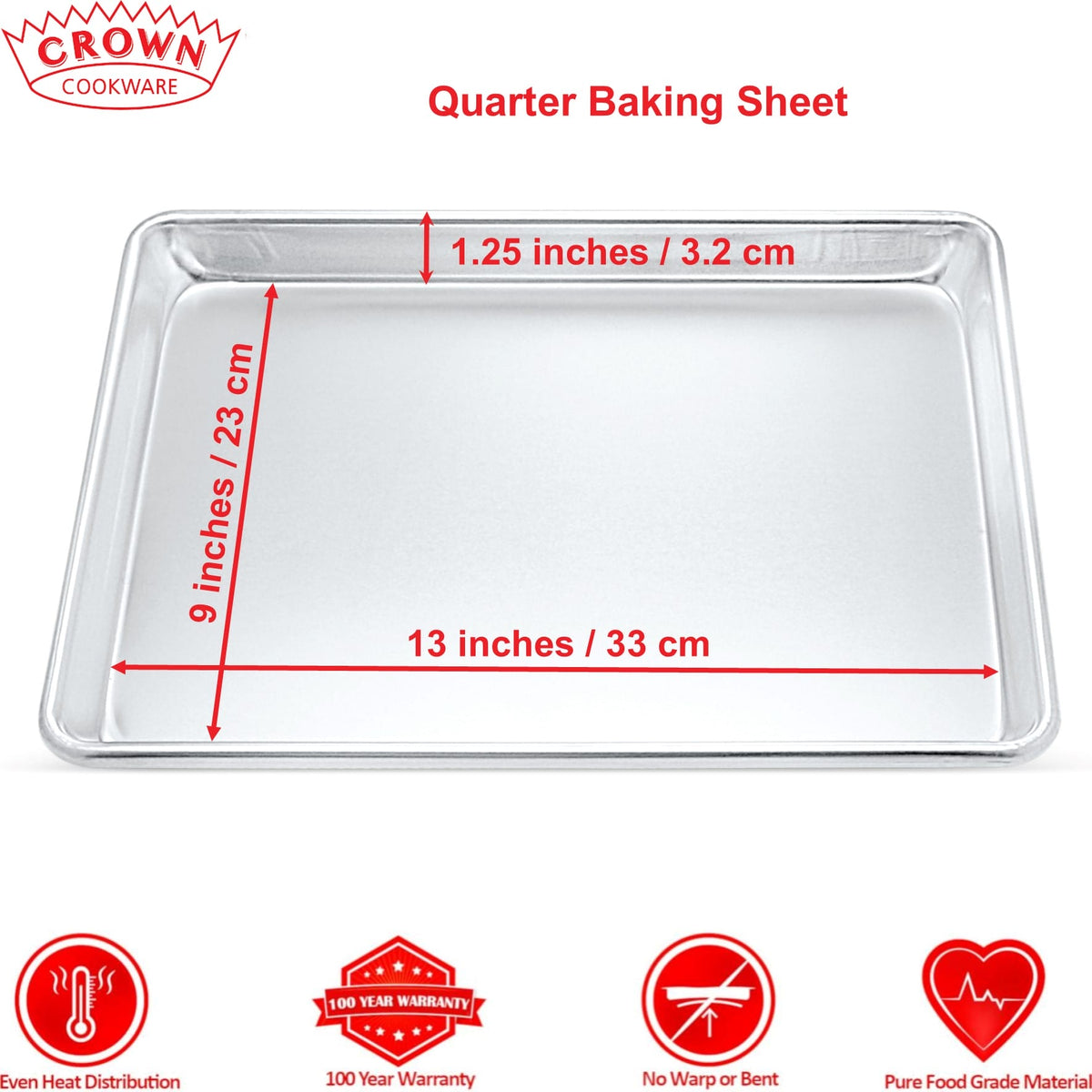
| Replace worn or pitted bakeware | Check for scratches and replace if surface is damaged |
| Use anodized aluminum if possible | Choose treated aluminum sheets that resist leaching |
Credit: www.crowncookware.com
Frequently Asked Questions
Are Aluminum Cookie Sheets Safe For Baking?
Yes, aluminum cookie sheets are safe for baking. They are widely used in kitchens due to their even heat distribution. However, avoid using them with acidic foods, as it can cause reactions. For extra safety, consider using parchment paper or silicone mats to prevent direct contact with food.
Do Aluminum Cookie Sheets Leach Into Food?
Aluminum can leach into food, especially acidic or salty foods. However, the amount is usually minimal and not harmful. To minimize exposure, use parchment paper or silicone mats. Anodized aluminum sheets are a good alternative, as the anodizing process reduces leaching risks.
How To Clean Aluminum Cookie Sheets Safely?
To clean aluminum cookie sheets, use warm soapy water and a soft sponge. Avoid using abrasive materials or harsh chemicals, as they can damage the surface. For stubborn stains, baking soda and vinegar can be effective. Rinse thoroughly and dry to prevent water spots.
Can Aluminum Cookie Sheets Warp In The Oven?
Yes, aluminum cookie sheets can warp in the oven due to rapid temperature changes. To prevent warping, avoid sudden temperature shifts and ensure even heat distribution. Using thicker, high-quality sheets can also reduce the risk of warping during baking.
Conclusion
Aluminum cookie sheets are safe for everyday baking. They heat evenly and cook cookies well. Avoid using damaged or worn-out sheets. Lining with parchment paper adds extra protection. Clean sheets gently to keep them lasting longer. Many home bakers trust aluminum for great results.
Choose quality sheets and follow care tips. Enjoy baking without worry or confusion. Safe, simple, and effective tools make baking fun.