
Have you ever wondered if the baking sheets you use every day might be harming your health? You probably trust them to cook your favorite meals safely, but what if some common materials in these sheets release harmful chemicals when heated?
Knowing the truth about baking sheets can protect you and your family from hidden risks. Keep reading to discover what you need to watch out for and how to choose safer options for your kitchen. Your health is worth it.
Common Materials In Baking Sheets
Baking sheets come in many materials. Each type has different uses and safety concerns.
Knowing what baking sheets are made of helps you pick the best one for your kitchen.
Aluminum And Its Coatings
Aluminum is a popular baking sheet material. It heats up fast and spreads heat evenly.
Many aluminum sheets have coatings to stop food from sticking. These coatings can be natural or synthetic.
- Natural coatings include anodized layers that make the surface harder and less reactive.
- Synthetic coatings may contain chemicals like PTFE or ceramic to prevent sticking.
- Uncoated aluminum can react with acidic foods and may leach aluminum into food.
Nonstick Surfaces
Nonstick baking sheets are easy to clean and reduce the need for oil or butter. They often use special chemical coatings.
| Type | Main Material | Pros | Cons |
| PTFE (Teflon) | Polytetrafluoroethylene | Very nonstick, easy cleaning | Can release fumes if overheated |
| Ceramic | Silicon and oxygen compounds | Free of PTFE and PFOA, heat resistant | Less durable, may chip |
| Anodized Aluminum | Aluminum with treated surface | Durable, non-reactive surface | Not fully nonstick |
Silicone And Other Alternatives
Silicone baking mats and sheets are flexible and nonstick. They do not release harmful chemicals.
- Silicone sheets can be reused many times and clean easily.
- They heat evenly but may not brown food as well as metal sheets.
- Other alternatives include glass and stone, which are safe but heavier.

Credit: www.amazon.ca
Potential Health Risks
Baking sheets are common in kitchens. People worry if they are safe for health. Some materials can release harmful chemicals when heated.
Understanding risks helps you choose safer options. This guide covers key concerns about baking sheets.
Chemical Leaching Concerns
Certain baking sheets have coatings or materials that may release chemicals. These chemicals can mix with food during cooking. Long-term exposure might affect health.
- Non-stick coatings can break down at high heat
- Aluminum sheets may leach metal into acidic foods
- Certain plastics are not safe for oven use
- Some metals can cause heavy metal buildup in the body
Effects Of Overheating
Overheating baking sheets can worsen chemical release. It can also damage the sheet, making it unsafe.
| Overheat Effect | Possible Health Impact | Prevention |
| Coating breakdown | Inhalation of toxic fumes | Use low to medium heat |
| Metal leaching | Metal accumulation in body | Avoid cooking acidic foods on metal sheets |
| Warping or cracking | Food contamination | Replace damaged baking sheets |
Allergic Reactions And Sensitivities
Some people are allergic or sensitive to materials in baking sheets. This can cause skin or digestive reactions.
Common triggers include:
- Nickel in metal sheets
- Chemicals in non-stick coatings
- Residues from cleaning agents
Using hypoallergenic or natural material sheets may reduce risks.
Safe Usage Tips
Using baking sheets safely is important for your health. Some baking sheets can release harmful substances if not chosen or cared for properly.
These tips will help you pick the right baking sheet and keep it safe to use in your kitchen.
Choosing The Right Baking Sheet
Select baking sheets made from safe materials like stainless steel or silicone. Avoid those with non-stick coatings that can peel or release toxins at high heat.
- Look for heavy-gauge stainless steel sheets for durability.
- Use silicone baking mats as a safe non-stick option.
- Avoid aluminum sheets with scratched or damaged surfaces.
- Check if non-stick coatings are PFOA and PTFE free.
Proper Cleaning Techniques
Cleaning your baking sheets correctly keeps them safe and lasts longer. Avoid harsh scrubbing that can damage surfaces and cause toxic layers to break down.
| Cleaning Method | Safe for Baking Sheets? |
| Gentle dish soap and sponge | Yes |
| Steel wool or abrasive scrubbers | No |
| Soaking in warm water | Yes |
| Dishwasher (check manufacturer guidelines) | Sometimes |
Avoiding High-temperature Damage
High heat can break down some baking sheets and release harmful chemicals. Always use your baking sheet within safe temperature limits.
- Check the maximum temperature rating before use.
- Do not use non-stick sheets above 450°F (230°C).
- Avoid leaving empty sheets in a hot oven for too long.
- Replace any sheet that warps or peels from heat damage.

Credit: www.amazon.ca
Eco-friendly Baking Options
Many baking sheets have coatings that may release harmful substances when heated. Choosing eco-friendly options helps keep your kitchen safe. These choices also reduce waste and protect the environment.
Here are some safer alternatives to traditional baking sheets. Each option offers benefits for health and sustainability.
Reusable Silicone Mats
Reusable silicone mats are made from food-grade silicone. They are non-stick and heat resistant. These mats replace parchment paper and foil, cutting down on waste.
Silicone mats are easy to clean and can be used many times. They do not release toxins when heated. This makes them a safe and eco-friendly choice.
Uncoated Metal Sheets
Uncoated metal baking sheets are usually made of stainless steel or aluminum. They have no chemical coatings that can break down. This reduces the risk of toxic fumes during baking.
These sheets last a long time and can be recycled. They are a simple and natural option for eco-conscious bakers.
Natural Fiber Liners
Natural fiber liners are made from materials like cotton or hemp. They can be used to line baking sheets. These liners are biodegradable and free from chemicals.
They help prevent sticking and can be washed and reused. This option reduces plastic and chemical use in baking.
Consumer Reviews And Experiences
Many people ask if baking sheets are toxic. This topic concerns those who bake often. Consumer reviews show different opinions and experiences.
Some users share worries about chemicals in baking sheets. Others report safe and positive use. Let’s look at common complaints and positive feedback.
Common Complaints
Some consumers say non-stick baking sheets release smells or fumes. They worry about harmful chemicals like PFOA or PTFE. Others mention peeling or scratching of coatings.
Users also report uneven baking or warping of thin sheets. Some feel that cheaper sheets can discolor or rust after a few uses.
- Non-stick coating peeling or scratching
- Unpleasant smells during first uses
- Concerns about chemical fumes
- Warping or bending at high heat
- Discoloration or rust over time
Positive Feedback
Many users find baking sheets safe and easy to clean. They say sheets with quality coatings last long and bake evenly. Reviews praise aluminum sheets for quick heat.
Some bakers like sheets without coatings to avoid chemicals. They report good results with simple oiling or parchment paper. Many feel safe when using baking sheets as directed.
- Easy cleanup and food release
- Even baking results
- Durable and long-lasting sheets
- No chemical smells after seasoning
- Safe use with proper care
Expert Recommendations
Experts suggest choosing baking sheets with safe coatings or no coatings. They say avoid high heat to protect non-stick layers. Parchment paper helps reduce direct contact.
Experts advise washing sheets by hand and avoiding metal utensils. They recommend checking product labels for chemical information. Proper use lowers risk of exposure.
- Select PFOA-free or ceramic-coated sheets
- Use parchment paper or silicone mats
- Do not overheat sheets beyond recommended temps
- Hand wash with mild soap, no scrubbing pads
- Replace sheets if coating peels or damages
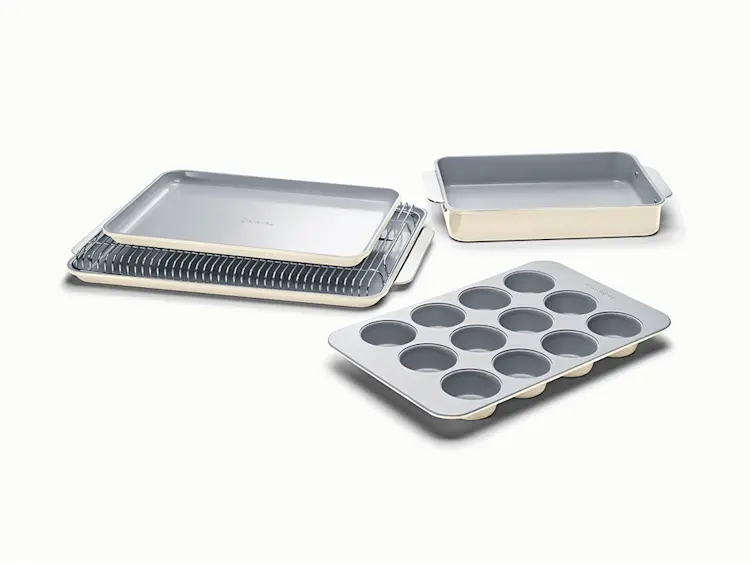
Credit: www.carawayhome.com
Frequently Asked Questions
Are Non-stick Baking Sheets Harmful?
Non-stick baking sheets can be harmful if overheated. They release toxic fumes at high temperatures. Always check the manufacturer’s guidelines for safe use. Opt for PFOA-free options to minimize risks. Regularly inspect for scratches or damage. This ensures safety and longevity.
Can Aluminum Baking Sheets Be Toxic?
Aluminum baking sheets can leach metals into food, especially acidic foods. To minimize exposure, use parchment paper or a silicone mat. Anodized or non-stick coated aluminum sheets reduce this risk. They are a safer option for frequent use. Always follow care instructions for the best results.
Are Silicone Baking Mats Safe To Use?
Silicone baking mats are generally safe when used correctly. They are heat resistant and non-toxic. Avoid using with direct heat or sharp tools. Always purchase food-grade silicone mats from reputable brands. This ensures quality and safety in your baking endeavors.
Do Scratched Baking Sheets Pose Health Risks?
Scratched baking sheets, especially non-stick ones, can pose health risks. They may release harmful particles or chemicals. Replace damaged sheets promptly to ensure safe cooking. Regularly check for signs of wear and tear. This helps maintain a healthy cooking environment.
Conclusion
Baking sheets can be safe if chosen carefully. Avoid ones with harmful coatings or materials. Look for options labeled non-toxic or food-safe. Clean them properly after each use to stay safe. Using baking sheets wisely protects your health. Choose well-made products for peace of mind.
Cooking should be enjoyable and safe every time. Stay informed and make smart choices in your kitchen. Safety matters as much as taste and convenience.