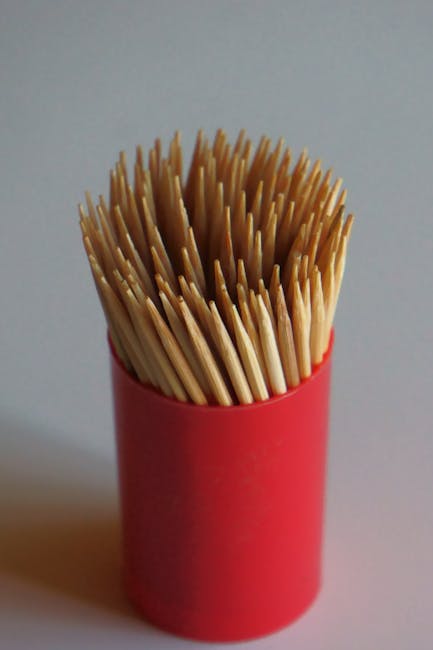
Have you ever wondered if your bamboo utensils can safely take a spin in the dishwasher? You’re not alone.
As more people turn to eco-friendly options in their kitchens, bamboo utensils have become a popular choice. They’re not only sustainable but also stylish and durable. However, when it comes to cleaning, there’s a bit of confusion. Can you just toss them in the dishwasher, or should you hand wash them to keep them in tip-top shape?
We’ll dive into everything you need to know about caring for your bamboo utensils. By the end, you’ll have the confidence to keep your utensils looking great and lasting long. Keep reading to discover the best ways to maintain your bamboo kitchen tools!
Bamboo Utensils And Dishwashers
Bamboo utensils have become popular for their eco-friendliness and natural appeal. But many wonder if these utensils can handle the heat and water pressure inside a dishwasher. Understanding how bamboo reacts in dishwashers can help you care for your utensils better and extend their lifespan.
Material Properties Of Bamboo
Bamboo is a natural, fibrous material known for its strength and lightweight nature. It is made up of cellulose fibers bound together by lignin, which gives it a rigid structure. However, bamboo is porous and can absorb water if not properly sealed or treated.
This porosity means bamboo can swell or warp when exposed to excessive moisture. Also, bamboo utensils often have a protective coating or oil finish to prevent water absorption. Without this finish, the material is more vulnerable to damage from prolonged exposure to water.
Impact Of Dishwasher Heat And Water
Dishwashers use hot water and strong jets to clean dishes thoroughly. The high temperature inside the dishwasher can cause bamboo to dry out and crack over time. Constant exposure to water and heat cycles can degrade the protective finish on bamboo utensils.
Have you noticed your bamboo spoon developing rough spots or discoloration after several dishwasher runs? This happens because the intense heat strips away natural oils, leaving the bamboo brittle. Hand washing with mild soap and drying immediately is often better to maintain their condition.
Common Misconceptions
Many assume bamboo is as durable as plastic or metal when it comes to dishwasher safety. But bamboo is a natural wood-like material, so it requires more delicate care. The belief that bamboo utensils are dishwasher safe without any issues is not accurate.
- Some think bamboo utensils are waterproof; they are actually water-resistant to a degree.
- Others believe dishwasher detergent won’t harm bamboo, but harsh chemicals can strip finishes.
- It’s a myth that bamboo utensils won’t warp; repeated dishwasher cycles increase the risk.
Would you rather risk damaging your eco-friendly utensils or invest a few extra minutes in hand washing? Taking that small step can save you money and keep your bamboo tools looking great longer.

Credit: www.amazon.ca
Risks Of Using A Dishwasher
Using a dishwasher for bamboo utensils might seem like a convenient choice, but it carries several risks. The high heat and strong water jets can damage the delicate structure of bamboo. Understanding these risks helps you decide how to care for your utensils and keep them lasting longer.
Warping And Cracking
Bamboo is a natural material that reacts strongly to heat and moisture changes. Dishwasher cycles expose utensils to hot water and rapid drying, which can cause them to warp or crack.
Have you ever noticed your wooden spoon bending out of shape after a wash? That’s exactly what can happen to bamboo. These changes not only ruin the look but also reduce the utensil’s functionality.
Loss Of Finish And Coating
Many bamboo utensils have a protective finish or coating to keep them smooth and water-resistant. The harsh detergents and high temperature in dishwashers can wear away these layers quickly.
Without this finish, your utensils become more porous and vulnerable to stains and odors. Would you want your cooking tools to absorb flavors and smells from everything you prepare?
Potential For Bacterial Growth
It might seem strange, but dishwasher use can sometimes increase the risk of bacteria on bamboo utensils. Damaged or cracked bamboo holds moisture and food particles, creating a perfect environment for bacteria.
Instead of being sanitized, your bamboo utensils could become less hygienic over time. How confident are you that your dishwasher is keeping your utensils truly clean?
Proper Cleaning Methods
Proper cleaning methods keep bamboo utensils safe and durable. Bamboo is natural and needs gentle care to last long. Harsh cleaning can cause cracks and warping. Using the right cleaning steps removes dirt without damage. Follow simple rules to maintain your bamboo tools in great shape.
Handwashing Techniques
Always wash bamboo utensils by hand. Avoid soaking them in water for long periods. Use warm water and a soft sponge or cloth. Gently scrub to remove food particles. Rinse thoroughly with clean water. Do not use steel wool or abrasive pads. These can scratch and weaken the bamboo surface.
Recommended Soaps And Cleaning Agents
Use mild dish soap for cleaning. Avoid strong chemicals or bleach. These can harm the bamboo fibers. Natural soaps or those labeled gentle are best. You may also use a mix of baking soda and water. This helps remove stains without harshness. Always rinse well to remove soap residue.
Drying And Storage Tips
Dry bamboo utensils immediately after washing. Use a clean towel to remove moisture. Let them air dry fully before storing. Store in a dry, well-ventilated place. Avoid leaving them in damp or enclosed spaces. This prevents mold and mildew growth. Keep utensils away from direct sunlight to avoid cracking.
Maintaining Bamboo Utensils
Bamboo utensils need special care to last longer and stay useful. Proper maintenance keeps them strong and attractive. These utensils resist water and stains well but can dry out or crack without care.
Simple steps help preserve bamboo’s natural look and durability. Clean them gently and avoid harsh treatments. Regular upkeep also prevents bad smells and stains from building up.
Oiling Frequency And Types
Oiling bamboo utensils keeps the wood hydrated and smooth. Apply food-safe mineral oil or beeswax to protect the surface. Do this every one to two months, depending on use.
Use a clean cloth to spread the oil evenly. Let it soak in for several hours or overnight. Wipe off any extra oil before use to avoid stickiness.
Avoiding Prolonged Soaking
Do not soak bamboo utensils in water for long. Water can cause swelling, cracking, or warping. Wash quickly with mild soap and warm water instead.
Dry utensils immediately with a towel to remove moisture. Air drying on a rack works well but avoid direct sunlight. This prevents damage and keeps utensils strong.
Handling Stains And Odors
Remove stains and odors using natural remedies. Rub utensils with lemon juice or baking soda paste. Let it sit for a few minutes, then rinse off.
For strong odors, soak utensils in vinegar and water mix for a short time. Rinse thoroughly and dry well. These methods keep bamboo fresh and clean.
When To Replace Bamboo Utensils
Knowing when to replace your bamboo utensils is key to maintaining both their performance and safety in your kitchen. Bamboo is durable, but like all natural materials, it wears down over time. Recognizing the right moment to let go of your bamboo tools ensures you cook safely and sustainably.
Signs Of Wear And Damage
Check your bamboo utensils regularly for cracks, splinters, or deep scratches. These imperfections can harbor bacteria and make cleaning difficult. If your utensils start to feel rough or show discoloration that doesn’t come off after washing, it’s time to consider a replacement.
Have you noticed any changes in texture or smell? These are often subtle signs that your bamboo tools are breaking down. Keeping an eye on these details helps you avoid using compromised utensils in your food prep.
Safety Considerations
Using damaged bamboo utensils can pose health risks. Cracks and splinters not only trap food particles but may also cause injury while cooking. If your utensils begin to shed small pieces or lose their finish, it’s safer to replace them immediately.
Think about how you use your utensils daily. Are you exposing them to extreme heat or soaking them too long? These habits accelerate wear and can affect the utensil’s safety. Adapting your care routine can extend their life, but don’t ignore warning signs.
Sustainability And Disposal
Replacing bamboo utensils doesn’t mean adding waste to the landfill unnecessarily. Bamboo is biodegradable, so you can dispose of old utensils in your compost bin or garden. This eco-friendly option keeps your kitchen sustainable even when utensils reach the end of their life.
Consider donating gently used bamboo utensils if they are still in good shape. Sharing them reduces waste and supports others who appreciate natural kitchen tools. How often do you evaluate your utensils’ condition to balance safety and sustainability?
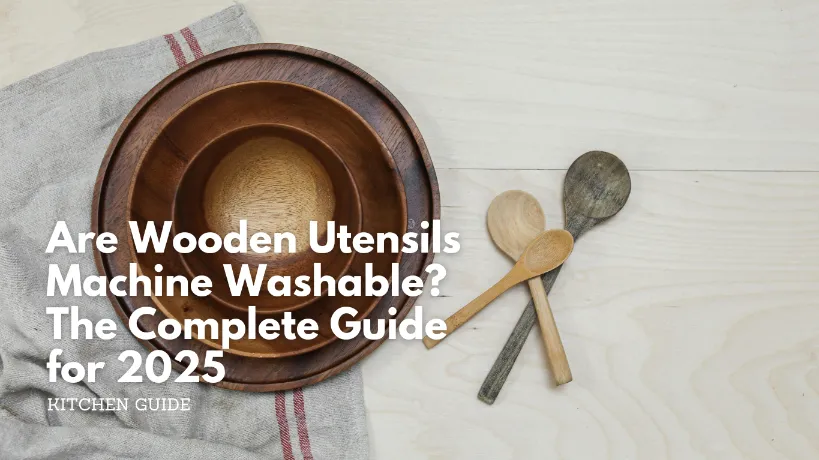
Credit: woodenedgestudios.com

Credit: www.youtube.com
Frequently Asked Questions
Are Bamboo Utensils Safe To Use In Dishwashers?
Bamboo utensils are generally not dishwasher safe. High heat and water exposure can cause warping and cracking. Hand washing with mild soap and air drying is recommended to extend their lifespan and maintain their quality.
How Does Dishwasher Affect Bamboo Utensils?
Dishwashers expose bamboo to hot water and harsh detergents. This weakens the fibers, causing splitting and rough textures. Over time, bamboo utensils lose durability and smoothness when repeatedly washed in dishwashers.
Can Dishwasher Damage Bamboo Utensil Finish?
Yes, dishwashers can strip the natural finish of bamboo utensils. The heat and strong detergents remove protective oils, leading to dryness and brittleness. Regular hand washing helps preserve the finish and appearance of bamboo kitchen tools.
What Is The Best Way To Clean Bamboo Utensils?
The best way is hand washing with warm water and mild soap. Avoid soaking bamboo utensils for long periods. Dry them immediately with a towel and let air dry to prevent mold and cracking.
Conclusion
Bamboo utensils are gentle and need careful cleaning. Dishwashers can damage their surface and shorten their life. Hand washing with mild soap keeps them strong and lasting. Dry them well to avoid cracks or mold. Choosing bamboo helps the planet, but care matters most.
Use simple steps to keep your utensils safe and clean. Enjoy the natural feel without risking damage from harsh machines. Caring for bamboo is easy and worth the effort.