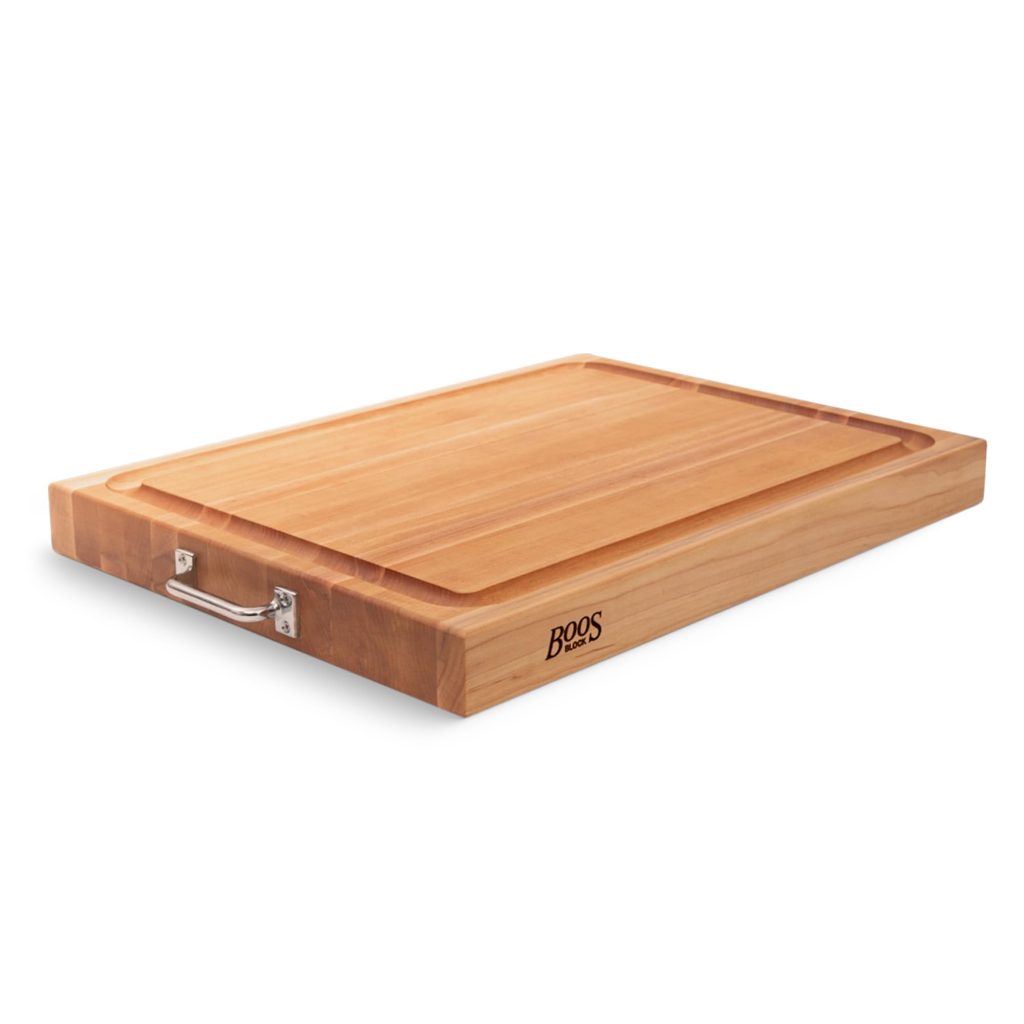
Are you thinking about upgrading your kitchen tools? If you’ve heard about Boos cutting boards, you might be wondering if they’re really worth the investment.
After all, your cutting board is one of the most-used items in your kitchen. Choosing the right one can make your cooking easier, safer, and even more enjoyable. You’ll discover what sets Boos cutting boards apart, whether they live up to the hype, and if they’re the best fit for your kitchen needs.
Keep reading—you might just find the perfect addition to your cooking routine.

Credit: www.amazon.ca
Boos Cutting Boards: Brand Snapshot
Boos Cutting Boards have been a choice for many kitchens. This brand is known for quality and durability. Let’s look closer at what makes Boos boards special.
This snapshot covers the company’s background, the materials used, and the design features of their cutting boards.
Company Background
Boos Cutting Boards come from John Boos & Co. The company started in 1887. It is based in Illinois, USA. They focus on making wood products for kitchens. Their boards are popular in both homes and restaurants.
Material Choices
Boos uses several types of wood for their cutting boards. Each wood type has its own benefits. They select hard woods that can last long and resist cuts.
- Maple – smooth surface and strong
- Walnut – dark color and rich grain
- Cherry – warm tone and durable
- Beech – fine grain and sturdy
Design Features
Boos boards have practical and thoughtful design features. These help make food preparation easier and safer.
| Feature | Description |
| End Grain Construction | Grain runs vertically for better knife protection |
| Juice Grooves | Catch liquids to keep counters clean |
| Reversible Surfaces | Two sides for different tasks |
| Non-slip Feet | Keep board steady during use |

Credit: www.amazon.ca
Quality And Durability
Boos cutting boards are known for their strong build and long life. Quality and durability matter when choosing a cutting board.
This guide looks at wood types, wear resistance, and care needs for Boos cutting boards.
Wood Types And Construction
Boos boards use hard woods like maple and cherry. These woods resist dents and cuts. The boards are made with glued wood pieces. This makes them very stable and less likely to warp.
- Hard maple: dense and durable
- Cherry: smooth and strong
- Walnut: dark color, tough surface
- End-grain construction: wood fibers stand up for better cutting surface
- Edge-grain construction: wood fibers run lengthwise for a firm board
Resistance To Wear And Tear
Boos boards resist knife marks and scratches well. End-grain boards hide cuts better than edge-grain boards. The wood tightens after use, keeping the surface smooth.
| Type | Resistance to Cuts | Resistance to Warping | Knife Friendliness |
| End-grain | High | High | Very good |
| Edge-grain | Moderate | Moderate | Good |
| Face-grain | Low | Low | Fair |
Maintenance Requirements
Boos boards need regular oiling to stay in good shape. This keeps the wood from drying and cracking. Clean with mild soap and water. Avoid soaking or putting the board in a dishwasher.
- Oil the board every few weeks
- Hand wash only
- Dry immediately after washing
- Use mineral oil or beeswax finish
- Do not soak or put in dishwasher
Performance In The Kitchen
Boos cutting boards are popular in many kitchens. They are known for their quality and durability.
Let’s look at how these boards perform during daily cooking tasks.
Cutting Surface Experience
Boos boards have a smooth surface that feels nice when cutting. The wood fibers help keep food in place.
This surface works well for chopping vegetables, fruits, and meats without slipping.
Knife Friendliness
Boos cutting boards are gentle on knives. The wood surface does not dull blades quickly.
Using these boards can help keep knives sharper for longer periods.
- Wood absorbs some impact from cutting
- Protects blade edges from damage
- Reduces need for frequent sharpening
Stability And Safety
Boos boards are heavy and stay firmly on the counter. This stability prevents accidents while cutting.
Some models include non-slip feet to keep the board secure on smooth surfaces.
- Weight reduces sliding during use
- Non-slip feet add extra grip
- Stable surface lowers risk of injury
Comparing Boos To Other Brands
Boos cutting boards are popular in many kitchens. Many people wonder if they are worth the price. Comparing them to other brands helps to decide.
This comparison looks at price points, material quality, and user feedback. These factors help to understand how Boos boards stack up.
Price Points
Boos cutting boards tend to be more expensive than many other brands. The price reflects the quality and brand reputation. Some cheaper brands offer lower prices but may lack durability.
- Boos boards can cost between $50 and $200
- Other brands may start as low as $20
- Higher price often means better materials and build
Material Quality
Boos boards use high-quality hardwood like maple. This material is dense and resists cuts and scratches. Other brands may use softer woods or plastic, which can wear faster.
- Boos: Hard maple, durable, and long-lasting
- Other brands: May use bamboo, walnut, or plastic
- Boos boards often have better finishes to protect wood
User Feedback
Many users praise Boos boards for their strength and appearance. Some say the boards last for years with proper care. Other brands get mixed reviews on durability and finish quality.
- Boos: Positive reviews on longevity and sturdiness
- Other brands: Some report warping or staining issues
- Boos boards often rated higher for user satisfaction
Care Tips For Longevity
Boos cutting boards last longer with proper care. Keeping them clean and conditioned protects the wood.
Simple steps help avoid damage and keep the board looking good.
Cleaning Best Practices
Clean your Boos cutting board after every use to prevent stains and bacteria build-up. Avoid soaking it in water.
- Use warm water and mild soap
- Scrub with a soft sponge or cloth
- Rinse quickly with clean water
- Dry immediately with a towel
- Stand upright to air dry fully
Oil And Conditioning
Oiling keeps the wood from drying out and cracking. Use food-safe mineral oil or Boos board cream.
| Frequency | Amount | Method |
| Monthly | 1 tablespoon | Rub oil evenly with cloth |
| After heavy use | As needed | Apply more oil or cream |
| Before first use | Generous coat | Let soak overnight |
Avoiding Damage
Protect your board from heat, moisture, and sharp impacts. These cause warping and cuts.
- Do not put the board in dishwasher
- Keep away from hot pots or pans
- Use both sides to spread wear
- Avoid cutting on the same spot repeatedly
- Store in a dry, ventilated place

Credit: shopping.yahoo.com
Value For Money
Boos cutting boards are popular among cooks. They are known for their quality and design. Many people wonder if they are worth the price.
Evaluating value for money means looking at cost, durability, and support. This helps decide if the board fits your needs and budget.
Cost Vs. Durability
Boos boards cost more than many other cutting boards. Their price reflects the materials and craftsmanship used. They last a long time with care.
The wood is thick and strong. It resists deep cuts and warping. This means you replace it less often, saving money over time.
- Higher upfront cost
- Long life with proper maintenance
- Resists damage better than cheaper boards
Professional Vs. Home Use
Chefs and professional kitchens use Boos boards because they stand up to heavy use. They handle many hours of cutting each day.
Home cooks may find these boards a good investment if they cook often. Casual users might prefer less expensive options.
- Professionals need durable, long-lasting boards
- Frequent home cooks benefit from quality
- Occasional users might choose cheaper boards
Warranty And Customer Support
Boos offers a warranty that covers defects. This shows confidence in their product. Good support helps with any issues or questions.
Having warranty and support adds value. It protects your purchase and helps you get the most from your board.
- Warranty covers manufacturing defects
- Customer support assists with product care
- Ensures peace of mind for buyers
Frequently Asked Questions
Are Boos Cutting Boards Durable?
Yes, Boos cutting boards are highly durable. Made from premium hardwood, they resist wear and tear. Regular oiling maintains their longevity. They withstand heavy use and are less prone to warping. This makes them a preferred choice for both home cooks and professional chefs.
What Makes Boos Cutting Boards Unique?
Boos cutting boards are unique due to their craftsmanship. Each board is handcrafted in the USA using sustainably sourced hardwood. Their end-grain construction makes them gentle on knives. They offer a perfect blend of functionality and elegance, enhancing any kitchen’s aesthetic.
How Do I Maintain A Boos Cutting Board?
Maintain your Boos cutting board by regularly oiling it with mineral oil. Handwash only, and avoid soaking or using the dishwasher. Dry it immediately after washing to prevent warping. This care routine preserves the board’s surface and extends its lifespan.
Are Boos Cutting Boards Safe For Food Preparation?
Yes, Boos cutting boards are safe for food preparation. They are NSF certified, ensuring they meet health and safety standards. The hardwood surface is dense, reducing bacterial growth. Regular cleaning and maintenance keep it hygienic and food-safe.
Conclusion
Boos Cutting Boards offer strong, durable surfaces for cooking. They resist knife marks and last a long time. Their natural wood looks good in any kitchen. Cleaning is simple with proper care. They cost more but provide great value. Many cooks find them worth the price.
Choose Boos if you want quality and reliability. A solid cutting board makes food prep easier. Think about your needs and kitchen style. Boos boards stand out for their strength and beauty.