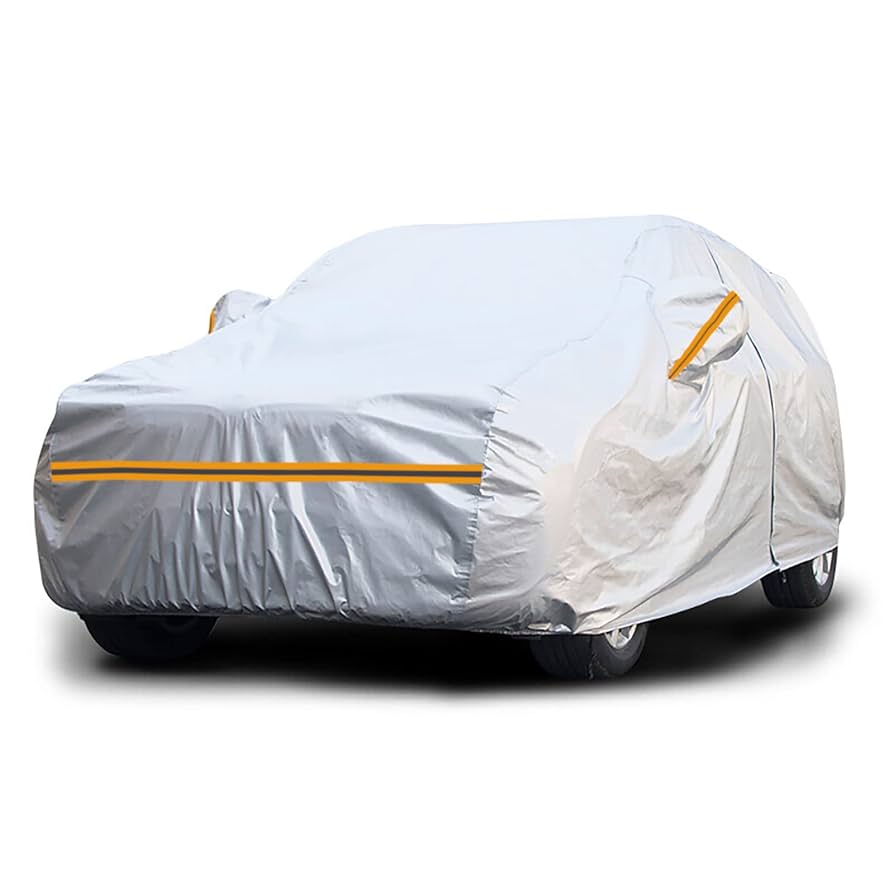
You want to protect your car from rain, dirt, and other elements, but you might be wondering—are car covers really waterproof? Choosing the right cover can save you from costly damage and keep your vehicle looking great.
You’ll discover the truth about car covers and water resistance. By the end, you’ll know exactly what to look for to keep your car dry and safe, no matter the weather. Keep reading to find out how to make the best choice for your car’s protection.
How Car Covers Work
Car covers protect vehicles from dirt, rain, sun, and dust. They act as a barrier between your car and the outside environment.
The main job of a car cover is to keep the car clean and safe. Different materials and designs affect how well they work.
Materials Used In Car Covers
Car covers are made from different fabrics. Each material offers unique benefits and limits. Common materials include polyester, polypropylene, and cotton blends.
- Polyester:Strong and water-resistant but less breathable.
- Polypropylene:Lightweight and allows air flow.
- Cotton blends:Soft and breathable but not very waterproof.
- Vinyl:Waterproof but can trap moisture underneath.
Breathability Vs. Waterproofing
Breathability and waterproofing are key features in car covers. They affect how moisture moves through the cover.
| Feature | Breathability | Waterproofing |
| Purpose | Allows air and moisture vapor to escape | Blocks water from entering |
| Benefit | Prevents mold and mildew | Keeps car dry in rain |
| Drawback | May let some water through | Can trap moisture inside |
| Material Examples | Polypropylene, cotton blends | Polyester with coating, vinyl |

Credit: www.amazon.ca
Types Of Waterproof Car Covers
Car covers protect vehicles from rain, dust, and dirt. Waterproof covers keep water out to avoid damage.
There are different types of waterproof car covers. Each type fits different needs and weather conditions.
Fully Waterproof Covers
Fully waterproof covers block all water from reaching your car. They use a special layer that stops water completely.
These covers work well in heavy rain or snow. They protect your car’s paint and interior from water damage.
- Made with sealed seams to prevent leaks
- Often have a waterproof inner lining
- Best for long-term outdoor storage
Water-resistant Covers
Water-resistant covers block most water but not all. They stop light rain and splashes but may let heavy rain through.
These covers are lighter and easier to handle. They are good for short-term use or mild weather protection.
- Made from tightly woven fabrics
- Usually have water-repellent coatings
- Allow some breathability to reduce moisture build-up
All-weather Covers
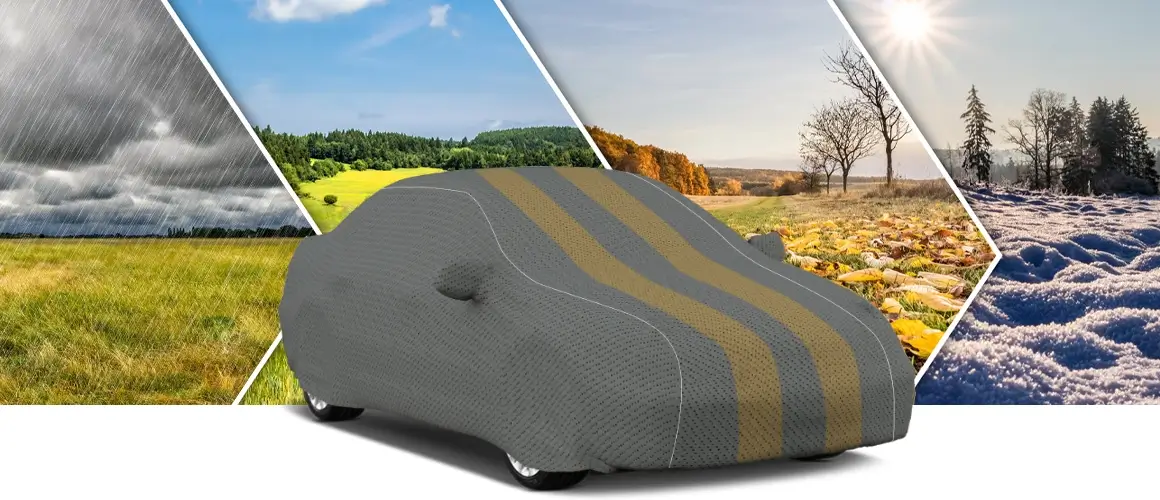
All-weather covers protect against rain, sun, dust, and snow. They combine waterproof and breathable features.
These covers work in many climates. They keep your car dry and reduce heat or moisture damage.
- Use multi-layer materials for protection
- Resist UV rays and water
- Good for year-round outdoor use
Benefits Of Waterproof Car Covers
Waterproof car covers protect your vehicle from water damage. They keep your car dry during rain and snow.
Using a waterproof cover also helps maintain your car’s appearance. It prevents stains and rust caused by moisture.
Protection From Rain And Moisture
Waterproof car covers stop rainwater from reaching your car’s surface. This prevents water spots and rust.
They also block moisture that can cause mold and mildew inside the car. This keeps your vehicle fresh and clean.
Shielding Against Dirt And Debris
Waterproof covers keep dirt and dust off your car. This reduces the need for frequent cleaning.
They also protect against leaves, bird droppings, and other debris that can damage paint.
- Blocks dust and dirt buildup
- Prevents scratches from debris
- Stops bird droppings and tree sap
Preventing Uv Damage
Waterproof car covers often have UV protection. This shields your car’s paint from sun damage.
UV rays can fade paint and crack interior parts. A cover reduces this damage and keeps your car looking new.
Common Myths About Car Covers
Many people wonder if car covers protect their vehicles well. Some common ideas about car covers are not true. Knowing the facts helps you choose the right cover.
Let’s look at some myths about car covers to clear up confusion.
Car Covers Cause Moisture Buildup
Some believe car covers trap moisture under the cover. This can cause damage to the paint. But many covers are designed to let air flow.
Good car covers use breathable materials. These materials stop moisture buildup. They protect the car from rain and dew while letting moisture escape.
All Car Covers Are Waterproof
Not all car covers are fully waterproof. Some covers only resist water for a short time. Others may soak through in heavy rain.
Check the label to see if a cover is waterproof or water-resistant. Waterproof covers keep water out completely. Water-resistant covers block some water but not all.
- Waterproof: no water passes through
- Water-resistant: blocks light rain or spray
- Non-waterproof: may soak through in rain
Car Covers Damage Paint
Some worry that car covers scratch or damage paint. This can happen if the cover is dirty or rough. But soft, clean covers protect paint well.
Use a cover made from soft fabric. Keep the cover clean to avoid dirt rubbing on the paint. This prevents scratches and damage.
Choosing The Right Car Cover
Car covers protect your vehicle from dirt, rain, and sun. Not all covers are waterproof or fit every need.
Choosing the right car cover depends on where and how you use your car. This guide helps you pick the best one.
Matching Cover To Climate
Different climates need different covers. Rainy areas need waterproof covers to keep the car dry.
In hot places, covers that block UV rays help protect the paint. Snowy climates need covers that resist moisture and cold.
- Waterproof covers for rainy climates
- UV-resistant covers for sunny areas
- Breathable covers for humid places
- Heavy-duty covers for snow and ice
Considering Car Usage And Storage
How often you use your car affects the cover choice. Daily drivers need easy-to-remove covers.
If you store your car indoors, a light cover is enough. Outdoor storage needs stronger, weatherproof covers.
- Frequent use: lightweight, easy covers
- Indoor storage: dust covers
- Outdoor storage: waterproof and durable covers
Budget Vs. Quality
Cheap covers save money but may wear out fast. High-quality covers last longer and protect better.
Balance your budget with the level of protection you need. Spending more can save repair costs later.
- Low budget: basic protection, less durable
- Mid-range: good protection, moderate durability
- High quality: best protection, long-lasting

Credit: www.amazon.ca
Maintenance Tips For Car Covers
Car covers protect your vehicle from dirt, rain, and sun. Keeping the cover clean and in good shape helps it last longer.
Follow simple steps to maintain your car cover well. This guide will help you clean, store, and check your cover properly.
Cleaning And Drying
Regular cleaning removes dirt and prevents damage. Use mild soap and water for washing your cover.
Rinse the cover fully to remove all soap. Let it dry completely before folding or storing to avoid mildew.
- Use a soft brush or cloth to clean
- Do not use bleach or strong chemicals
- Air dry in a shaded area, not direct sun
- Ensure no wet spots remain before storage
Proper Storage
Store your car cover in a dry, cool place. Avoid folding it when wet to prevent mold and bad smells.
Use a storage bag or box to keep dust away. Keep it away from sharp objects that could tear the fabric.
- Fold the cover loosely to avoid creases
- Keep it in a breathable storage bag
- Store away from direct sunlight and moisture
- Check storage area for pests or rodents
Inspecting For Wear And Tear
Check your car cover often for holes, tears, or weak spots. Small damage can grow and reduce protection.
Repair minor damage quickly with patch kits or sewing. Replace the cover if damage is too big.
- Look for holes, loose threads, and worn areas
- Fix small tears with fabric patches
- Replace if fabric is too thin or torn
- Inspect straps and fasteners for damage
Credit: www.coversandall.com.au
Frequently Asked Questions
Are All Car Covers Waterproof?
Not all car covers are waterproof. Some are designed for dust protection only. Waterproof covers are made from materials like polyester with a waterproof coating. They protect against rain, snow, and moisture. Always check the product specifications to ensure the cover meets your needs.
How Do Waterproof Car Covers Work?
Waterproof car covers use special materials like polyester with a waterproof coating. These materials repel water, preventing it from seeping through. They protect your car from rain, snow, and moisture. Ensure the cover is breathable to avoid moisture buildup underneath.
Can Waterproof Covers Cause Car Damage?
Waterproof covers can cause damage if they’re not breathable. Trapped moisture can lead to mold and corrosion. Always choose a cover with breathable materials to prevent moisture buildup. Also, ensure the cover is fitted properly to avoid scratches from wind flapping.
How To Choose The Best Waterproof Car Cover?
To choose the best waterproof car cover, consider material quality and breathability. Ensure it’s the right size for your car. Look for features like UV protection and reinforced seams. Read reviews and check the manufacturer’s specifications for durability and warranty options.
Conclusion
Car covers can protect your car from rain and dust. Not all covers are fully waterproof. Some only resist water for a short time. Choose a cover that fits your needs and budget. Check product details to know if it is waterproof.
Using a cover helps keep your car clean and safe. Protecting your car is always a smart choice. Think about your local weather when buying a cover. A good cover adds value and saves time on cleaning.