
Are you worried about the chemicals in your cookware? You’re not alone.
Many people want pans that are safe for their health and the environment. Caraway pans have become popular because they promise to be non-toxic and eco-friendly. But can you really trust these claims? You’ll discover the truth about Caraway pans and whether they live up to their non-toxic reputation.
Keep reading to find out if these pans are the healthy choice your kitchen needs.
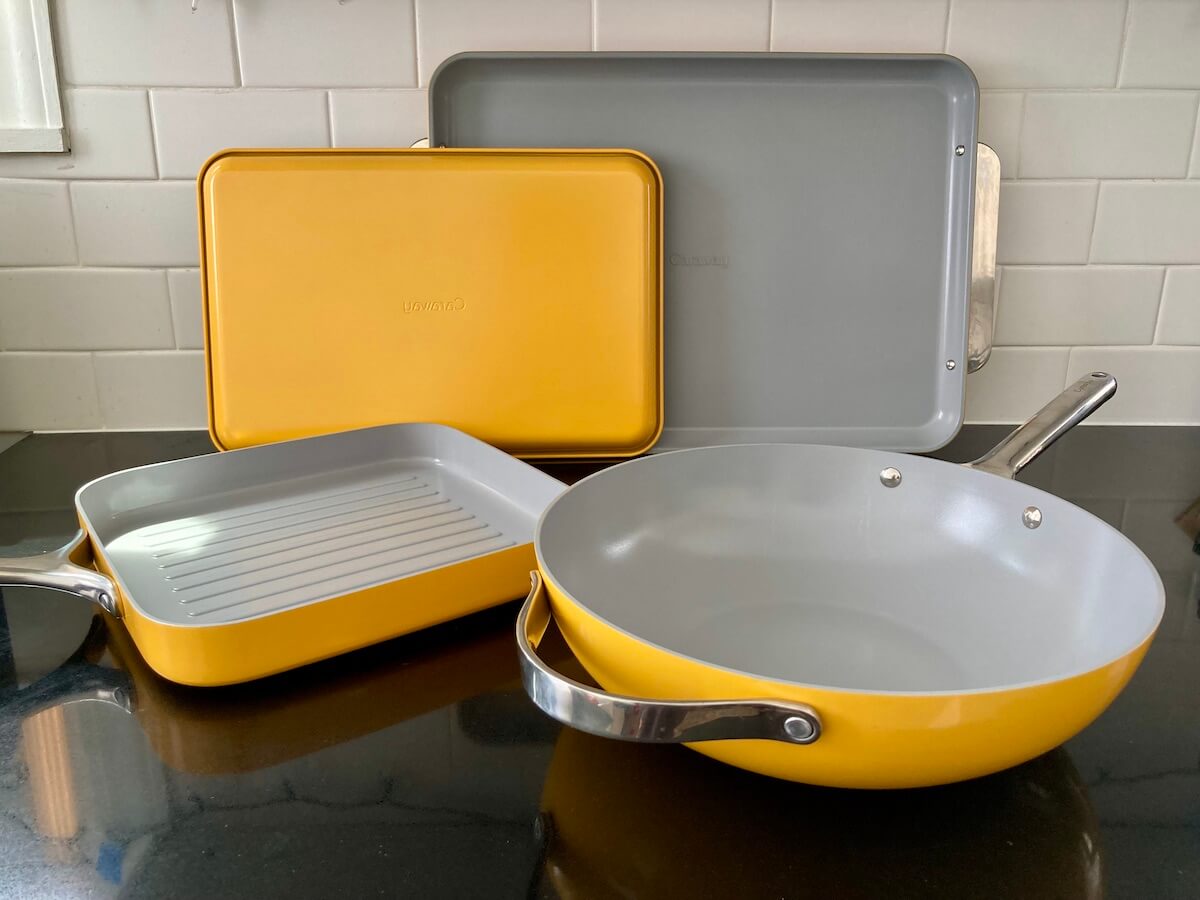
Credit: welcomeobjects.com
Materials Used In Caraway Pans
Caraway pans are popular for their non-toxic nature. Many people want to know what materials make these pans safe.
Understanding the materials helps you decide if these pans fit your health needs and cooking style.
Ceramic Coating Composition
The ceramic coating on Caraway pans is made from natural minerals. This coating is free from synthetic chemicals.
The smooth ceramic surface helps food cook evenly and prevents sticking without toxic chemicals.
Base Metal And Its Safety
The base metal of Caraway pans is aluminum. Aluminum is lightweight and conducts heat well.
Caraway uses anodized aluminum. This process makes the metal strong and prevents it from reacting with food.
Absence Of Harmful Chemicals
Caraway pans do not contain PTFE, PFOA, lead, or cadmium. These chemicals can be harmful in cooking.
By avoiding these substances, Caraway pans offer a safer cooking experience for users.

Credit: www.amazon.ca
Health Claims And Certifications
Caraway pans are popular for their non-toxic cooking surface. Many people want to know if these claims are true and safe. This article looks at the health certifications and user feedback.
We focus on official approvals, verified claims, and real user experiences. This helps you decide if Caraway pans fit your kitchen needs.
Fda And Other Safety Approvals
Caraway pans meet safety rules set by the FDA. The company uses materials free from harmful chemicals. These pans do not release toxins when heated.
Other safety agencies also check Caraway pans. These approvals show the pans are safe for everyday use.
Non-toxic Claims Verified
- Made without PTFE and PFOA
- Contains no heavy metals like lead or cadmium
- Uses a ceramic-based non-stick coating
- Passed third-party lab tests for chemical safety
- Does not emit fumes during normal cooking
These verified claims confirm Caraway pans avoid many toxins found in some cookware. This makes them a safer option for health-conscious users.
User Testimonials On Health
| User | Health Experience | Comments |
| Emma | Improved digestion | Noticed less stomach upset after switching to Caraway pans. |
| John | Allergy reduction | No skin irritation or reactions while cooking with these pans. |
| Lisa | Better air quality | Kitchen smells cleaner with no chemical odors during cooking. |
Durability And Potential Risks
Caraway pans are popular for their non-toxic claims. It is important to know how durable they are. Also, there are some risks you should consider before buying.
We will look at scratch resistance, coating wear, and heat effects. These factors affect both safety and lifespan of the pans.
Scratch Resistance And Wear
Caraway pans have a ceramic non-stick coating. This coating can resist scratches better than some non-stick pans. But it is not scratch-proof.
- Use only wooden, silicone, or plastic utensils.
- Avoid metal tools that can damage the surface.
- Hand wash gently with soft sponges.
- Do not stack pans without protection.
Risk Of Coating Degradation
Over time, the ceramic coating may wear off. This can reduce the pan’s non-stick ability. The coating can also chip or peel if handled roughly.
| Cause | Effect on Coating | Safety Concern |
|---|---|---|
| Scratches from metal utensils | Surface damage, reduced non-stick | Possible ingestion of coating particles |
| Harsh cleaning agents | Coating weakens and fades | Less effective and risk of peeling |
| Stacking without protection | Chips and cracks on surface | Exposure of pan base, risk of rust |
Effects Of High Heat Cooking
Caraway pans should not be used on very high heat. High temperatures can damage the coating and release harmful fumes.
- Keep heat at medium or low levels.
- Do not preheat an empty pan for long.
- Use pans for sautéing, frying, and simmering only.
- Avoid broiling or oven use above recommended temperatures.
Comparison With Other Non-toxic Pans
Choosing the right non-toxic pan means knowing how they differ. This guide compares Caraway pans with other types of safe cookware. It helps you see their benefits and limits.
We focus on ceramic versus traditional non-stick pans, Caraway’s pros and cons, and how price and durability compare. This helps you pick what suits your kitchen best.
Ceramic Vs. Traditional Non-stick
Ceramic pans use a natural coating from sand. Traditional non-stick pans use chemicals like PTFE. Both types avoid harmful toxins found in old pans.
- Ceramic pans heat evenly but can wear out faster.
- Traditional non-stick pans are easy to clean and last longer.
- Both types avoid toxic chemicals like PFOA and lead.
- Ceramic pans handle higher heat without damage.
Pros And Cons Of Caraway
| Pros | Cons |
| Non-toxic ceramic coating | Requires gentle cleaning |
| Attractive design for kitchen display | Not dishwasher safe |
| Even heat distribution | May need seasoning for best use |
| PFOA and PTFE free | Price higher than some brands |
Price And Longevity Considerations
Caraway pans cost more than some other non-toxic options. The price matches their build and design quality. They last well if cared for properly.
- Price is higher than basic ceramic pans.
- Proper care extends pan life.
- Avoid metal utensils to prevent scratching.
- Hand washing keeps coating intact.
- Long-term use can justify the cost.
Maintenance Tips For Safety
Caraway pans are known for their non-toxic coating. Proper care keeps them safe and lasting longer. Following simple maintenance tips helps you avoid damage and health risks.
Learn how to clean, cook, and store Caraway pans the right way. These steps protect the coating and keep your food safe to eat.
Cleaning Without Damage
Cleaning Caraway pans gently preserves their non-toxic coating. Avoid harsh scrubbing or strong chemicals that can wear down the surface.
- Use warm water and mild dish soap only.
- Wash with a soft sponge or cloth.
- Do not use steel wool or abrasive pads.
- Dry the pan immediately to prevent rust.
- For stuck food, soak the pan before cleaning.
Safe Cooking Practices
Using Caraway pans correctly keeps the coating safe and your food healthy. Avoid overheating and use suitable utensils to protect the surface.
| Practice | Reason |
| Cook on low to medium heat | Prevents damage to the coating |
| Use wooden, silicone, or plastic utensils | Avoid scratches and chips |
| Do not preheat empty pan | Protects the non-toxic surface |
| Turn off heat before removing food | Prevents sudden temperature changes |
Storage To Preserve Coating
Proper storage extends the life of your Caraway pan. Prevent scratches and moisture buildup by keeping your pans in safe places.
- Stack pans with a soft cloth or paper towel in between.
- Store in a dry, cool cabinet away from heavy items.
- Avoid hanging pans by their handles to prevent bending.
- Keep lids separate or with padding to avoid chips.

Credit: www.amazon.ca
Frequently Asked Questions
Are Caraway Pans Made From Safe Materials?
Yes, Caraway pans are crafted from ceramic-coated aluminum. This ensures they are free from harmful chemicals like PTFE and PFOA. The ceramic coating provides a non-toxic cooking surface, making them a healthier choice. This innovative design supports safe and environmentally friendly cooking.
Do Caraway Pans Release Harmful Fumes?
No, Caraway pans do not release harmful fumes. They are made with a ceramic coating that withstands high temperatures. Unlike traditional non-stick pans, they are free from toxic chemicals. This makes them ideal for safe and healthy cooking, even when used at high heat.
How Durable Are Caraway Pans?
Caraway pans are quite durable due to their ceramic coating. This coating provides a robust, scratch-resistant surface. With proper care, they can maintain their non-stick properties for years. Regular maintenance, like using non-metal utensils, enhances their longevity.
Can Caraway Pans Impact Food Taste?
No, Caraway pans do not impact food taste. Their ceramic coating ensures no chemicals leach into food. This helps maintain the natural flavors of your ingredients. Additionally, their even heat distribution promotes consistent cooking results, enhancing the overall taste experience.
Conclusion
Caraway pans offer a safer option for everyday cooking. They do not contain harmful chemicals like some traditional pans. This makes them a good choice for health-conscious cooks. The non-toxic materials help keep your food clean and pure. Easy to use and clean, they suit busy kitchens well.
Choosing Caraway pans means cooking with peace of mind. Safe, simple, and effective—these pans meet many needs. A smart buy for those who care about their health.