Are you tired of scrubbing stubborn stains off your old pans? Wondering if ceramic pans could be the game-changer your kitchen needs?
Choosing the right cookware can make a huge difference in your cooking experience and the healthiness of your meals. But are ceramic pans really better? You’ll discover the surprising benefits and possible downsides of ceramic pans, helping you decide if they’re the perfect fit for your kitchen.
Keep reading—you might just find the answer you’ve been searching for.
Ceramic Pans Vs Traditional Cookware
Choosing the right cookware is important for cooking well. Ceramic pans and traditional cookware are popular choices. Both have different features that affect cooking and care.
This article compares ceramic pans with traditional cookware. It looks at their materials, heat distribution, and durability.
Material Differences
Ceramic pans have a coating made from natural minerals. This coating is non-stick and often free from chemicals like PTFE and PFOA. Traditional cookware usually uses metal like stainless steel or cast iron.
Traditional pans may have non-stick coatings too, but they use chemicals. Ceramic coatings are popular because they feel safer and eco-friendly to many people.
- Ceramic: mineral-based coating, non-stick, chemical-free
- Traditional: stainless steel, cast iron, or chemical coatings
- Traditional pans can be heavier than ceramic pans
Heat Distribution
Ceramic pans heat up quickly and cool down fast. This helps control cooking temperatures well. Traditional cookware like cast iron heats slowly but keeps heat longer.
Stainless steel pans heat unevenly compared to ceramic or cast iron. Some traditional pans use layered metals to improve heat spread.
- Ceramic pans: quick heating, fast cooling
- Cast iron: slow heating, retains heat well
- Stainless steel: uneven heating without layered base
Durability Comparison
Ceramic pans can wear out faster if the coating chips. They need gentle cleaning and care. Traditional cookware like cast iron and stainless steel lasts longer with proper use.
Cast iron pans can last for decades if maintained. Stainless steel resists scratches and damage well. Ceramic pans may lose non-stick power after some years.
- Ceramic: coating can chip, needs careful cleaning
- Cast iron: very durable, requires seasoning
- Stainless steel: scratch-resistant, long-lasting
Health Benefits Of Ceramic Cookware
Ceramic cookware is popular for healthy cooking. It offers many benefits that protect your food and health.
Using ceramic pans can help you avoid harmful chemicals and improve your cooking experience.
Non-toxic Surface
Ceramic pans have a non-toxic surface. They do not release harmful chemicals during cooking.
This makes ceramic cookware safer than some non-stick pans that can emit toxic fumes when heated.
Chemical-free Cooking
Ceramic cookware does not contain PTFE or PFOA. These chemicals are often found in traditional non-stick pans.
Cooking with ceramic pans means fewer chemicals in your meals, which supports better health.
Allergy Considerations
Ceramic pans are usually safe for people with allergies. They do not contain metals like nickel or copper.
This reduces the risk of allergic reactions for sensitive cooks and eaters.
Cooking Performance
Ceramic pans are popular for many cooks. They offer different benefits than other pans.
This section explains how ceramic pans perform in cooking tasks.
Heat Retention
Ceramic pans hold heat well. This helps food cook evenly over time.
They may take a bit longer to heat up but keep heat steady once hot.
Non-stick Capabilities
Ceramic pans have a smooth surface that prevents food from sticking. This makes cooking easier.
The non-stick coating is usually free of harmful chemicals and safe for cooking.
Ease Of Cleaning
Ceramic pans are simple to clean because food does not stick much. Washing takes less effort.
Most ceramic pans only need warm water and gentle soap for cleaning.
:max_bytes(150000):strip_icc()/sea-kyocera-ceramic-nonstick-frying-pan-ashlee-redger-02-d95740220a4b47c7af8384b77714fc28.jpeg)
Credit: www.seriouseats.com
Maintenance And Care Tips
Caring for ceramic pans is important to keep them working well. Proper maintenance helps them last longer and cook better.
Simple steps can protect the ceramic coating and keep your pan looking new. Follow these tips to avoid damage and clean safely.
Cleaning Best Practices
Clean ceramic pans after every use to remove food and grease. Use warm water and mild soap for best results.
Avoid harsh cleaners or steel wool. These can scratch the ceramic surface and reduce its non-stick ability.
- Wash with a soft sponge or cloth
- Soak pans if food is stuck
- Rinse well to remove soap
- Dry thoroughly before storing
Avoiding Common Damages
Do not use metal utensils on ceramic pans. They can scratch or chip the coating, causing damage.
Avoid heating the pan when empty or on high heat for long times. This can weaken the ceramic surface.
- Use wooden or silicone utensils
- Heat pan gradually on medium heat
- Do not drop or hit the pan
- Check for cracks or chips regularly
Storage Recommendations
Store ceramic pans carefully to avoid scratches and dents. Place a soft layer between pans if stacking.
Keep pans in a dry place to prevent moisture damage. Avoid storing with heavy items on top.
- Use pan protectors or cloth between pans
- Store in a cool, dry cabinet
- Do not stack too many pans together
- Handle pans gently when moving
Cost And Longevity
Ceramic pans are popular for cooking. Many wonder if they last longer and cost less than other pans. Understanding their cost and lifespan helps buyers choose well.
This guide looks at the initial price, how long ceramic pans last, and their value for money.
Initial Investment
Ceramic pans usually cost more than basic non-stick pans. Their price depends on brand and size. Some cheaper ceramic pans may not last as long.
Buying a quality ceramic pan means spending a bit more at first. This higher price can reflect better materials and coatings.
Lifespan Expectations
Ceramic pans can last 1 to 3 years with regular use. Their non-stick coating can wear off faster than metal pans. Careful cleaning helps extend their life.
- Avoid metal utensils to prevent scratches
- Hand wash instead of using a dishwasher
- Do not use very high heat to protect coating
Compared to traditional non-stick pans, ceramic pans may lose their non-stick ability sooner. But some users prefer the safer ceramic surface.
Value For Money
Ceramic pans offer good value if cared for properly. Their initial cost is higher, but they avoid some chemicals found in other pans. This makes them a healthy choice for some.
Users who cook often and handle pans gently get more use from ceramic pans. They balance health concerns and cooking ease for a fair price.
:max_bytes(150000):strip_icc()/sea-kyocera-ceramic-nonstick-frying-pan-ashlee-redger-01-5056104f479c4f5eaf2bf8dddfdb666e.jpeg)
Credit: www.seriouseats.com
Environmental Impact
Ceramic pans are often seen as a healthier cooking option. Their environmental impact is also important to consider. Understanding how they affect the planet helps consumers make better choices.
This section looks at how ceramic pans are made, their recyclability, and overall sustainability factors.
Eco-friendly Manufacturing
Ceramic pans use natural materials like clay and minerals. These materials come from the earth and need less processing than metals. This can lower pollution during production.
Many ceramic pans are made without harmful chemicals. This reduces toxic waste and air pollution during manufacturing.
Recyclability
Ceramic pans are harder to recycle than metal pans. They cannot be melted down easily for reuse. This means they often end up in landfills.
Some recycling centers accept ceramics but it is rare. This limits the recycling options for ceramic cookware.
Sustainability Factors
Ceramic pans can last a long time if cared for properly. This reduces the need to buy new pans often. Long-lasting products are better for the environment.
They use less energy to heat compared to some metal pans. This saves electricity or gas while cooking.
- Made from natural materials
- Fewer toxic chemicals in production
- Low recycling rates
- Durable with good care
- Energy-efficient in cooking
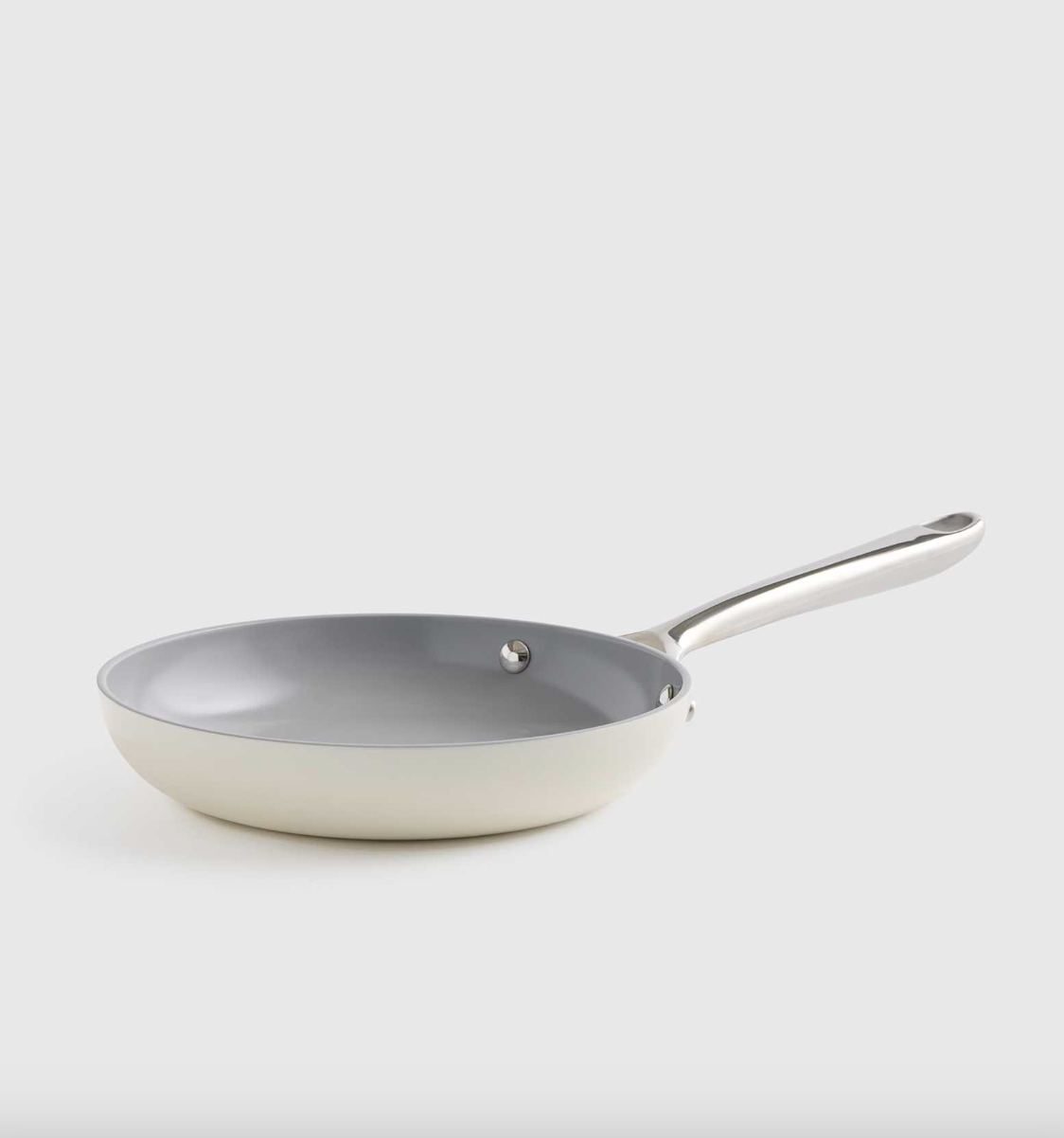
Choosing The Right Ceramic Pan
Choosing the right ceramic pan helps you cook better meals. Ceramic pans heat evenly and are easy to clean.
There are many ceramic pans with different sizes, shapes, and features. Knowing what to look for saves time and money.
Size And Shape Options
Ceramic pans come in many sizes and shapes. Small pans are good for frying eggs or making sauces. Larger pans work well for cooking meals for the family.
- Small (6-8 inches): perfect for quick meals or single servings
- Medium (9-11 inches): great for most cooking needs
- Large (12 inches or more): ideal for bigger dishes and gatherings
- Shapes: round, square, and grill pans offer different cooking styles
Brand Comparisons
| Brand | Durability | Price Range | Non-Stick Quality |
| Brand A | High | $$$ | Very Good |
| Brand B | Medium | $$ | Good |
| Brand C | Low | $ | Fair |
Choosing a trusted brand can mean better quality and longer use. Check reviews and warranty before buying.
Features To Consider
Look for key features that improve your cooking experience and pan life.
- Heat resistance and even heat distribution
- Scratch-resistant coating
- Oven safe temperature limits
- Comfortable and heat-safe handles
- Ease of cleaning and dishwasher safe
Credit: nymag.com
Frequently Asked Questions
What Are Ceramic Pans Made Of?
Ceramic pans are made from clay that is kiln-baked and glazed. The glaze provides a non-stick surface. This makes them eco-friendly, as they are free from PTFE and PFOA. Their natural composition is why many prefer them over traditional non-stick pans.
Are Ceramic Pans Non-stick?
Yes, ceramic pans have a naturally non-stick surface due to their glazed coating. This makes cooking and cleaning easier. Unlike traditional non-stick pans, they don’t release harmful chemicals when heated. However, to maintain their non-stick properties, avoid using metal utensils or abrasive cleaners.
How Long Do Ceramic Pans Last?
Ceramic pans can last several years with proper care. Their lifespan depends on usage and maintenance. Avoid high heat and metal utensils to prevent damage. Hand washing and using silicone or wooden utensils can extend their life. Regular maintenance keeps them in good condition longer.
Are Ceramic Pans Healthy For Cooking?
Yes, ceramic pans are considered healthy for cooking. They are free from harmful chemicals like PTFE and PFOA. Their non-stick surface requires less oil, promoting healthier meals. Additionally, they don’t release toxic fumes at high temperatures, making them a safer option for daily cooking.
Conclusion
Ceramic pans offer many benefits for everyday cooking. They heat evenly and clean up easily. These pans often do not need much oil, which helps make meals healthier. They also avoid harmful chemicals found in some other cookware. Still, they can chip if not handled carefully.
Choosing the right pan depends on your cooking style and needs. Try a ceramic pan to see if it suits your kitchen. A simple tool can make a difference. Easy to use and good for health—ceramic pans are worth considering.