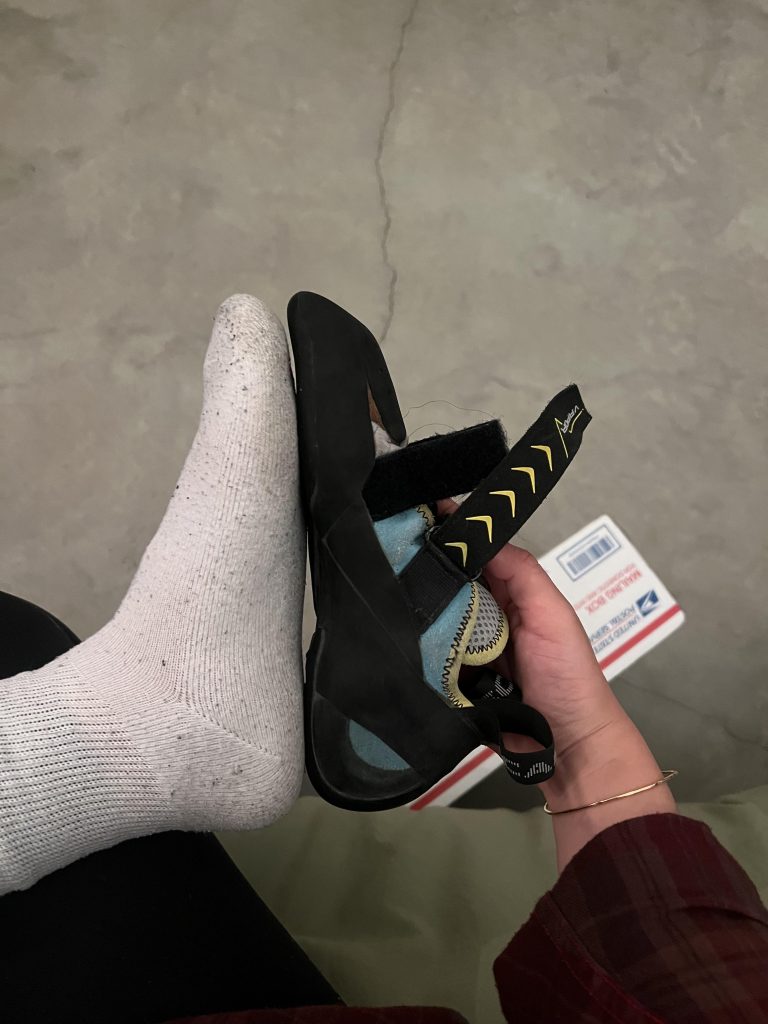
Have you ever wondered if your climbing shoes are supposed to hurt? If you’re new to climbing or even if you’ve been at it for a while, that sharp pinch or tight squeeze might have you questioning if something’s wrong.
The truth is, the right climbing shoes should feel snug but not painful. Understanding why your shoes might hurt and how to choose the perfect fit can make a huge difference in your climbing experience. Keep reading to discover what discomfort is normal, what isn’t, and how to find shoes that help you climb better without the pain.

Credit: www.reddit.com
Why Climbing Shoes Feel Tight
Climbing shoes often feel tight by design. This tightness helps improve your grip and control on the wall. Understanding why they feel this way can help you choose the right pair.
Many climbers wonder if the discomfort is normal. The fit, materials, and shoe shape all affect how tight the shoes feel and how well they perform.
The Role Of Fit In Performance
A good fit is key to climbing success. Shoes that are too loose reduce your ability to stand on small holds. Tight shoes give better precision and sensitivity.
- Tight fit helps keep your foot stable.
- It prevents slipping inside the shoe.
- Allows better energy transfer from foot to rock.
- Improves balance on tiny edges and cracks.
Materials And Stretch
Most climbing shoes use leather or synthetic materials. Leather tends to stretch more over time. Synthetic shoes stretch less but keep their shape longer.
| Material | Stretch Level | Durability |
| Leather | High | Moderate |
| Synthetic | Low | High |
Different Shapes For Different Feet
Climbing shoes come in many shapes. Some are flat while others have a downturned toe. Your foot shape should guide your choice.
Common shoe shapes include:
- Flat:Good for beginners and all-day comfort.
- Slightly downturned:Offers control on technical routes.
- Aggressive downturned:Best for steep climbs and small edges.
Choosing the right shape reduces pain and improves your climbing experience.
Pain Vs. Discomfort
Climbing shoes are made to fit tightly to give better grip and control. This tightness can cause some discomfort, but pain is a different matter. Understanding the difference helps you choose the right shoes and avoid injury.
It is normal to feel a snug fit in climbing shoes. This helps your feet stay secure on small holds. But if the shoes hurt in a way that feels sharp or causes numbness, it means the fit is wrong.
When Tightness Helps
Tight climbing shoes improve foot precision and power. They keep your foot from moving inside the shoe. This control helps you climb harder routes and use tiny edges.
- Helps toes press firmly on holds
- Reduces foot slippage
- Improves balance and stability
- Allows more sensitive foot placement
Signs Of Harmful Pain
Not all pain is safe. Watch for signs that mean your shoes are too tight or causing damage. Pain should not last after you take the shoes off.
| Sign | Description |
|---|---|
| Sharp pain | Feels like stabbing or burning in toes or foot |
| Numbness | Loss of feeling or tingling in toes |
| Blisters | Skin irritation or open sores after climbing |
| Swelling | Foot or toes become puffy or tender |
| Lasting pain | Pain that remains after removing shoes |
Long-term Effects Of Poor Fit
Wearing shoes that are too tight or cause pain can harm your feet over time. This damage may not show right away but can get worse with use.
- Hammer toes or curled toes
- Thickened skin or calluses
- Joint pain and arthritis
- Nail damage or ingrown nails
- Loss of foot sensitivity
Finding The Right Balance
Climbing shoes often feel tight at first. Many climbers wonder if shoes are supposed to hurt.
The key is finding the right balance between comfort and performance. Shoes should fit well but not cause pain.
Choosing The Correct Size
Size matters a lot for climbing shoes. Shoes that are too big can make it hard to climb precisely.
Shoes that are too small can cause pain and damage your feet. Pick a size that feels snug but not painful.
- Try shoes that fit tightly around your toes
- Make sure your heel does not slip
- Check for pressure points or sharp pain
Trying Shoes For Different Climbing Styles
Different climbing styles need different shoe fits. Some styles need tighter shoes for precision.
Other styles need more comfort for longer climbs. Try shoes that match your climbing type.
- Bouldering often needs tight shoes for small holds
- Sport climbing may need some comfort for long routes
- Crack climbing needs shoes that protect your feet
Breaking In New Shoes
New climbing shoes feel stiff and tight at first. Breaking them in helps make them more comfortable.
Wear your shoes for short sessions. This helps the shoes mold to your feet without causing pain.
- Wear shoes at home before climbing
- Gradually increase climbing time in new shoes
- Stretch shoes gently if they feel too tight
Tips For Comfort Without Sacrificing Fit
Climbing shoes often feel tight and uncomfortable at first. This is normal to some degree. But you can ease pain without losing a good fit.
Here are ways to make your climbing shoes more comfortable and still get the support you need.
Using Socks And Inserts
Wearing socks or using inserts can reduce pressure points inside the shoe. Thin socks help cushion your feet while keeping a snug fit.
- Choose thin, breathable socks to avoid bulk.
- Use gel or foam inserts to add padding in sore spots.
- Try heel pads if your shoes slip at the back.
- Replace worn inserts regularly for best comfort.
Adjusting Laces And Straps
How you tie your shoes changes the fit and comfort. Tighten laces or straps where you need support and loosen in areas that hurt.
| Adjustment Area | Effect on Fit |
| Toe box lacing | Relieves pressure on toes |
| Midfoot strap | Secures arch and prevents slipping |
| Heel strap | Keeps heel in place |
| Overall tightness | Controls how snug the shoe feels |
Foot Care After Climbing
Taking care of your feet after climbing helps reduce pain and keeps skin healthy. Clean and dry your feet before and after climbing.
Try these foot care tips:
- Wash your feet with warm water and mild soap.
- Dry feet thoroughly, especially between toes.
- Apply moisturizer to prevent dry skin.
- Use ice packs if your feet feel swollen.
- Check for blisters or cuts and treat them quickly.
When To Replace Climbing Shoes
Climbing shoes are an important part of your gear. They help you grip and climb better. But shoes wear out over time. Knowing when to replace them keeps you safe and climbing well.
Worn-out shoes can hurt your feet and reduce your performance. Look for signs that show your shoes need replacing. This guide will help you understand when to get new climbing shoes.
Signs Of Wear And Tear
Check your climbing shoes often for damage. Look at the sole, upper, and seams. These parts wear out first. If you see holes or loose parts, it is time to replace your shoes.
The rubber on the sole wears thin after much climbing. The upper leather or fabric can stretch and lose shape. Seams may start to come apart. These signs mean your shoes are past their best.
- Rubber sole is very thin or has holes
- Upper material is stretched or torn
- Seams are loose or coming undone
- Shoes feel loose or do not fit well
Effects Of Worn-out Shoes On Performance
Old climbing shoes reduce your grip on holds. Thin soles make it hard to feel the rock. Stretched shoes lose tightness, which lowers control. This can make climbing more difficult and less safe.
Worn shoes can cause foot pain and blisters. They do not support your feet well. This leads to discomfort and poor climbing technique. Using fresh shoes helps you climb better and longer.
- Less grip on climbing surfaces
- Poor foot support and control
- Increased foot pain and discomfort
- Reduced climbing confidence and safety
Upgrading For Better Comfort
New climbing shoes offer better fit and comfort. Modern designs improve foot support and breathability. Switching to new shoes can reduce pain and help you climb longer.
Choose shoes that fit snugly but do not hurt. Try different brands and styles to find the best fit. Comfortable shoes keep you focused on climbing, not on foot pain.
- Look for a snug but comfortable fit
- Test shoes before buying if possible
- Consider shoes with better padding
- Replace shoes regularly for best comfort

Credit: www.reddit.com

Credit: www.reddit.com
Frequently Asked Questions
Do Climbing Shoes Need To Fit Painfully Tight?
Climbing shoes should fit snugly but not cause severe pain. A tight fit improves control but extreme discomfort can harm your feet and reduce performance.
Why Do Climbing Shoes Hurt My Toes?
Climbing shoes hurt toes due to their tight design to enhance precision. Proper break-in time and correct sizing reduce toe pain during climbs.
How Long Should Climbing Shoes Hurt When New?
New climbing shoes may feel uncomfortable for a few days. Discomfort should lessen after break-in; persistent pain signals wrong size or fit.
Can Climbing Shoes Cause Foot Injuries?
Yes, poorly fitting climbing shoes can cause blisters, bruises, or nerve pain. Choosing the right size and taking breaks helps prevent injuries.
Conclusion
Climbing shoes may feel tight, but they should not cause pain. A slight discomfort helps with grip and control. Persistent pain means the shoes do not fit well. Choose shoes that balance comfort and performance. Your feet need to breathe and move naturally.
Proper fit improves climbing and prevents injury. Listen to your body and adjust your gear. Enjoy climbing without hurting your feet. Finding the right shoes takes time and patience. Keep trying until you find the perfect pair.