
Choosing the right dishwasher can feel a bit overwhelming, especially if you’re not sure about the size that will fit perfectly in your kitchen. You might wonder, “Are dishwasher sizes standard?”
If you’ve been scratching your head over this question, you’re in the right place. Getting the wrong size can disrupt your kitchen’s harmony and potentially lead to costly mistakes. But don’t worry, we’ve got you covered. Dive into this article to discover everything you need to know about dishwasher sizes, ensuring your next purchase is both smart and seamless.
Your kitchen’s perfect match is just a few paragraphs away.
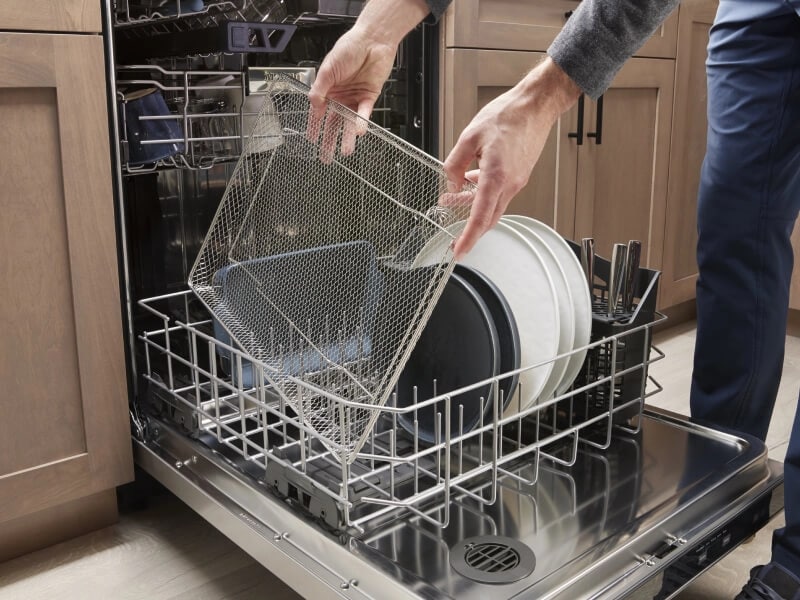
Credit: www.maytag.com
Dishwasher Size Basics
Understanding dishwasher sizes helps in choosing the right model for your kitchen. Sizes affect installation, capacity, and overall convenience. Knowing the basics avoids surprises during purchase or remodeling.
Common Dimensions
Most dishwashers share similar width and height but can vary in depth. Standard width is usually 24 inches. Height ranges from 33 to 35 inches. Depth often measures around 24 inches but can be less for compact models.
Space matters. Check these dimensions before buying. Measure your kitchen opening to ensure a good fit. Remember, some models allow adjustments in height.
Types Of Dishwashers
Dishwashers come in various types based on size and installation style. Full-size models fit under standard kitchen counters. Compact dishwashers are narrower and ideal for small kitchens.
Portable dishwashers offer flexibility and do not need built-in installation. Drawer dishwashers provide easy access and can fit in smaller spaces. Each type serves different needs and space limits.

Credit: www.whirlpool.com
Measuring Your Space
Measuring your space accurately is key when choosing a dishwasher that fits perfectly into your kitchen. Taking the right measurements avoids surprises during installation and ensures smooth operation. Let’s look closely at the dimensions you need to check before making a purchase.
Width
Start by measuring the width of the gap where you plan to install the dishwasher. Most standard dishwashers are about 24 inches wide, but kitchens can vary. If your space is narrower, you might need a slim model that’s around 18 inches wide.
Don’t forget to account for any trim or molding that might reduce the available width. Have you measured twice to avoid the frustration of a dishwasher that won’t fit?
Height
Next, measure the height from the floor to the bottom of your countertop or the top of the cabinet opening. Dishwashers typically stand around 34 inches tall, but some countertops might be higher or lower than standard.
Remember to consider adjustable feet on dishwashers, which can add flexibility if your space is slightly off standard height. How precise is your measurement to the nearest half-inch?
Depth
Check the depth of the space from front to back. A standard dishwasher usually requires about 24 inches of depth to fit flush with your cabinets.
Keep in mind that some older kitchens have shallower cabinets. You might need a dishwasher with a shallower design or one that can be recessed slightly. Have you checked if your dishwasher door will fully open without obstruction?
Considering Cabinet And Countertop
Measure the space between your cabinets and the underside of your countertop to ensure the dishwasher fits well. Cabinets with built-in features like toe kicks or trim can affect the installation.
Think about how the dishwasher will align with adjacent cabinetry for a seamless look. Will the dishwasher’s finish complement your countertop and cabinet style? Sometimes, small adjustments here make a big difference in appearance and function.
Standard Dishwasher Sizes
Dishwashers come in various sizes to fit different kitchens. Standard dishwasher sizes help buyers choose the right fit. Understanding these sizes makes installation easier and saves space. Most dishwashers fall into two main size categories. Each size serves different needs and kitchen layouts.
Full-size Dishwashers
Full-size dishwashers are the most common. They usually measure about 24 inches wide. Depth and height typically match standard kitchen cabinets. These models hold up to 12-16 place settings. Ideal for families or frequent cooks. They fit under most countertops easily. Many offer multiple wash cycles and adjustable racks.
Compact And Slim Models
Compact dishwashers are smaller and narrower. They usually measure 18 inches wide. Perfect for small kitchens or apartments. These models hold fewer dishes, around 8-10 place settings. Slim dishwashers save space without losing function. Some models can fit on countertops or in tight spots. They still offer essential wash cycles for daily use.

Credit: www.maytag.com
Non-standard Options
Dishwashers come in many sizes beyond the common standard models. These non-standard options fit unique spaces and meet special needs. They offer flexibility for kitchens that do not suit regular units. Many homeowners choose these options to save space or match specific kitchen designs. Below are two popular types of non-standard dishwashers.
Custom And Built-in Units
Custom dishwashers blend seamlessly into kitchen cabinetry. They often have panels that match the surrounding cabinets. This creates a clean, uniform look in the kitchen. Built-in units are fixed under counters, saving floor space. They come in various widths and depths to fit unusual layouts. These dishwashers usually offer full-size capacity but with flexible design options.
Drawer Dishwashers
Drawer dishwashers open like a drawer instead of a front door. They are smaller and perfect for limited spaces. These units work well in apartments or small kitchens. Users can run one drawer or both independently, saving water and energy. Drawer dishwashers provide easy access without bending down. Their compact size suits fewer dishes or quick washes.
Choosing The Right Fit
Choosing the right dishwasher size is key for a smooth kitchen setup. It affects both function and space. A perfect fit helps avoid installation headaches and daily use issues. Understanding your kitchen’s size and your dishwashing needs guides your choice.
Assessing Kitchen Layout
Measure the available space precisely. Check width, height, and depth of the spot. Note any cabinets, pipes, or electrical outlets nearby. Consider door clearance and how it opens. Ensure enough room for loading and unloading dishes comfortably. A tight space can cause problems later.
Balancing Capacity And Space
Dishwashers come in various sizes with different capacities. A larger dishwasher holds more dishes but takes up more room. Smaller models save space but may not fit all your dishes. Match capacity to your household size and cooking habits. Avoid oversized units in small kitchens. Choose a size that balances your needs and space well.
Installation Tips
Installing a dishwasher involves more than just sliding it under the counter. Paying attention to specific details during installation can save you from future headaches and ensure your dishwasher runs efficiently. Let’s focus on two key areas: clearance and ventilation, and plumbing and electrical needs.
Clearance And Ventilation
Clearance is crucial for fitting your dishwasher properly. Check the height, width, and depth of your space before buying. Most dishwashers are about 24 inches wide, but slight variations can cause tight fits.
Ventilation is often overlooked but vital. A dishwasher needs space to release heat and moisture. Without proper ventilation, mold and damage can develop under your sink or cabinets.
- Leave at least an inch of space around the unit for airflow.
- Ensure vents are not blocked by cabinetry or insulation.
- Use a vented toe kick or install a vent near the dishwasher if your kitchen layout is tight.
I once installed a dishwasher in a tight kitchen where I ignored ventilation. Within months, moisture damaged the cabinet wood. Don’t repeat my mistake; always plan for airflow.
Plumbing And Electrical Needs
Dishwashers require specific plumbing connections, including a hot water supply and a drain line. Verify that the existing plumbing can handle the dishwasher without leaks or clogs.
Electrical requirements often confuse homeowners. Most dishwashers need a dedicated 120-volt circuit. Check if your kitchen wiring meets this need before installation.
- Use a high loop or air gap on the drain hose to prevent backflow.
- Confirm water pressure is within the dishwasher’s recommended range.
- Test electrical outlets for proper grounding and voltage.
Imagine installing your dishwasher only to discover your circuit breaker trips every time you run it. It’s frustrating and avoidable by checking electrical needs first. Are your plumbing and electrical systems ready for a new appliance?
Troubleshooting Fit Issues
Dishwasher fit issues often arise despite standard size expectations. Many kitchens have unique cabinet dimensions that cause problems. Small differences in width, height, or depth make installation tricky. Understanding how to troubleshoot these problems helps avoid costly mistakes. Proper planning and adjustments ensure a better fit and smoother installation.
Adjusting Cabinetry
Cabinetry adjustments solve many dishwasher fit issues. Removing or trimming parts of the cabinet can create needed space. Sometimes, modifying the kickboard or side panels helps. Using a level ensures the dishwasher sits evenly. Adjusting cabinetry can prevent damage to the appliance or cabinets. These changes keep the kitchen looking neat and functional.
Alternative Dishwasher Models
Standard dishwashers do not suit every kitchen. Alternative models offer different sizes to fit tight spaces. Slimline dishwashers are narrower and ideal for small kitchens. Compact models save space without losing cleaning power. Portable dishwashers provide flexibility without permanent installation. Exploring these options helps find a perfect match for any kitchen.
Maintaining Your Dishwasher
Maintaining your dishwasher keeps it working well and lasting longer. Regular care prevents issues and ensures clean dishes every time. Small efforts can save money on repairs and replacements.
Cleaning And Care
Clean the dishwasher filter often. It catches food particles and stops clogs. Wipe the door edges and seals to remove grime. Run an empty cycle with dishwasher cleaner monthly. This removes buildup inside and stops bad smells.
Extending Lifespan
Use the right detergent and follow the instructions. Avoid overloading the dishwasher to let water reach all dishes. Check spray arms for blockages and clean them regularly. Inspect hoses and connections for leaks or damage. Fix small problems quickly to avoid bigger repairs later.
Frequently Asked Questions
What Are The Standard Dishwasher Sizes Available?
Standard dishwashers typically measure 24 inches wide, 24 inches deep, and 35 inches high. These dimensions fit most kitchen cabinets and countertops. Compact and slim models also exist but are less common.
Can Dishwasher Sizes Vary By Brand Or Model?
Yes, dishwasher sizes can vary slightly depending on the brand and model. However, most manufacturers follow standard dimensions for compatibility with kitchen spaces.
How To Measure Space For A New Dishwasher?
Measure the width, depth, and height of the installation space carefully. Allow extra room for hoses, vents, and door clearance to ensure a proper fit.
Are There Dishwashers Smaller Than Standard Size?
Yes, compact dishwashers usually measure 18 inches wide. They are ideal for small kitchens or apartments with limited space.
Conclusion
Dishwasher sizes mostly follow common standards, but some vary. Knowing the size helps you choose the right fit for your kitchen. Measure your space carefully before buying a dishwasher. Standard sizes make installation easier and save time. Small kitchens may need compact dishwashers, while bigger ones suit full-size models.
Always check the product details for exact dimensions. This way, your dishwasher will fit perfectly and work well. A good fit means better cleaning and less hassle. Keep size in mind to enjoy a smooth kitchen upgrade.