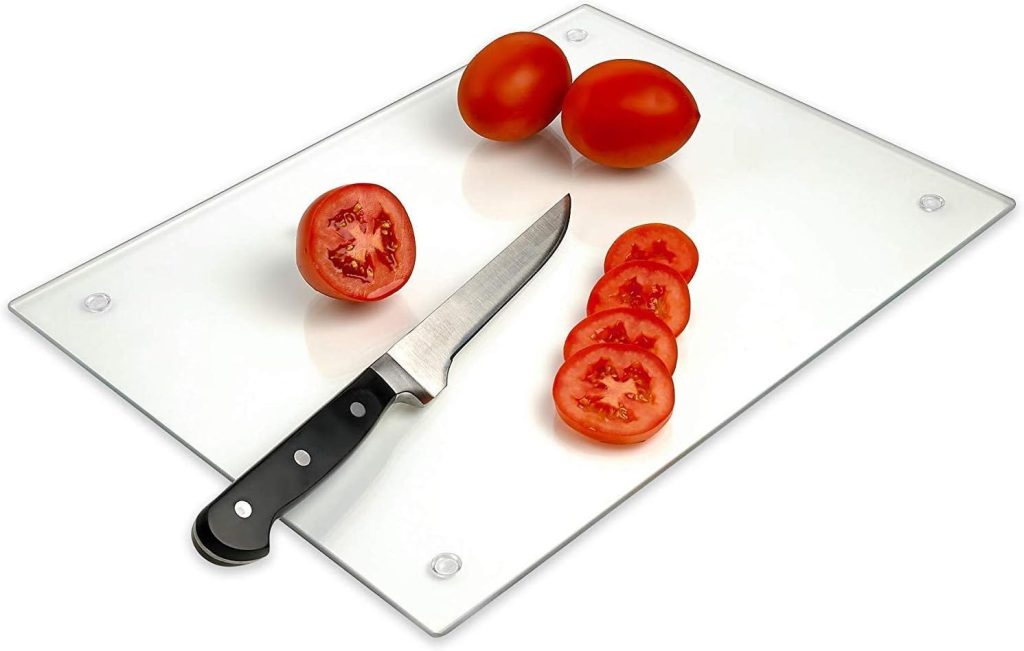
Have you ever wondered if your glass cutting board is harming your knives? You might think glass looks sleek and easy to clean, but what does it really do to your blades?
If you want your knives to stay sharp and last longer, it’s important to know the truth. Keep reading, and you’ll discover exactly how glass cutting boards affect your knives—and what you should use instead to protect your kitchen tools.
Impact Of Glass On Knife Edges
Glass cutting boards are popular for their style and ease of cleaning. Many people wonder if glass harms their knives. It is important to look at how glass affects knife edges.
Knife edges are delicate. The surface they cut on can change how long they stay sharp. Understanding this impact helps you care for your knives better.
Material Hardness And Knife Blades
Glass is much harder than most knife blades. This hardness can cause knives to dull faster. When a knife hits a hard surface, the blade edge can chip or bend.
Knives are made from metals that are softer than glass. Cutting on glass puts strong pressure on the blade edge. This pressure wears down the sharpness quickly.
- Glass hardness can scratch or chip knife edges
- Metal blades lose sharpness faster on hard surfaces
- Soft cutting boards are better for knife care
Common Damage Types From Glass Cutting Boards
Using glass boards can cause several types of damage to knives. The most common are dulling, chipping, and bending of the blade edge. These damages reduce cutting efficiency.
Knives can also develop tiny cracks along the edge. These cracks grow with use and can break parts of the blade. This damage is often permanent and costly to fix.
- Dulling: blade becomes less sharp quickly
- Chipping: small pieces of the edge break off
- Bending: blade edge loses its straight shape
- Cracking: tiny breaks that weaken the blade

Credit: chopchopusa.com
Comparing Glass To Other Cutting Surfaces
Choosing the right cutting board affects your knives and food safety. Glass boards are popular for their look and easy cleaning. Let’s compare glass with wood and plastic boards.
Each material has its own benefits and drawbacks. Knowing these helps you pick the best option for your kitchen.
Wood Vs Glass Boards
Wood cutting boards are gentle on knives. They absorb small cuts and keep blades sharper longer. Glass boards are very hard and smooth. This can dull knives faster because the blade hits a tough surface.
- Wood boards are self-healing and reduce bacteria growth.
- Glass boards do not absorb liquids but can cause knife damage.
- Wood boards need more care, like oiling.
- Glass boards are easy to clean and dishwasher safe.
Plastic Vs Glass Boards
Plastic boards are softer than glass and less damaging to knives. They are lightweight and often dishwasher safe. Glass boards look modern but are very hard on blades.
| Feature | Plastic Boards | Glass Boards |
|---|---|---|
| Knife Friendly | Yes, less dulling | No, dulls knives fast |
| Cleaning | Dishwasher safe | Dishwasher safe |
| Durability | Can get deep cuts | Resistant to cuts |
| Bacteria Growth | Can harbor bacteria in grooves | Non-porous, easy to sanitize |
| Weight | Lightweight | Heavier |
Expert Opinions On Glass Boards
Glass cutting boards are popular in many kitchens. They look clean and are easy to wash. But many people ask if glass boards harm knives.
This article shares views from professional chefs and knife makers. They explain how glass boards affect knives and offer advice.
Professional Chefs’ Views
Most chefs avoid glass cutting boards for daily use. They find glass too hard and slippery. Glass can dull knives faster than wood or plastic.
- Glass boards cause chips and dull edges on knives.
- Chefs prefer boards that protect the knife’s sharpness.
- Wood and bamboo boards are common choices in professional kitchens.
- Glass may be good for serving but not for heavy chopping.
Knife Makers’ Recommendations
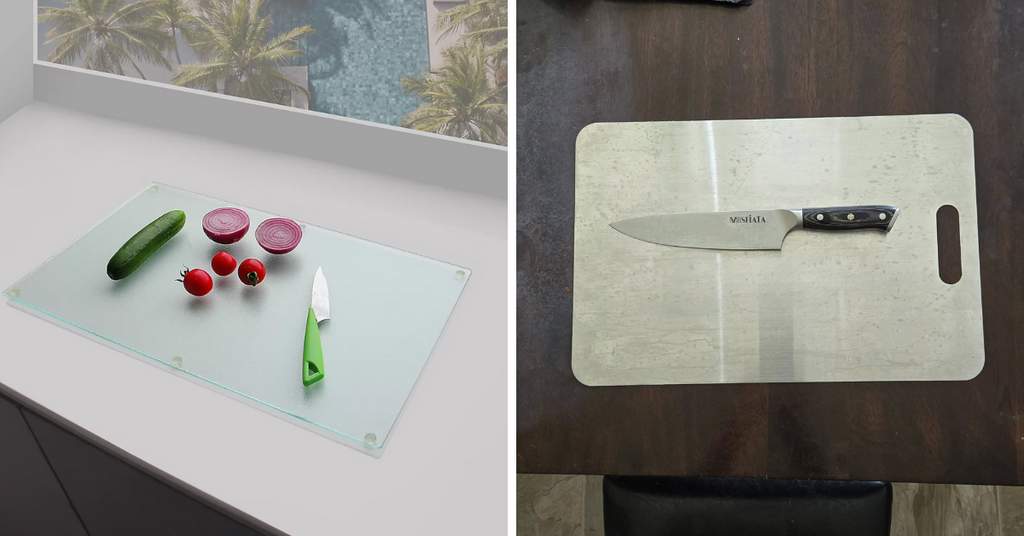
Knife makers agree that glass boards can damage blades. They say the hard surface wears down the metal quickly.
| Aspect | Glass Cutting Boards | Recommended Boards |
|---|---|---|
| Knife Edge Wear | High | Low to Medium |
| Surface Hardness | Very Hard | Softer (Wood, Plastic) |
| Hygiene | Easy to Clean | Depends on Material |
| Blade Damage Risk | High | Low |
Credit: cookingpanda.com
Maintaining Knives With Glass Boards
Glass cutting boards are popular for their cleanliness and style. But many wonder if they harm knives.
It is important to know how to keep your knives sharp and safe when using glass boards.
Sharpening Techniques
Glass boards can dull knives faster than wood or plastic. Sharpen knives regularly to keep edges strong.
Use sharpening stones or electric sharpeners to restore the blade’s sharpness. Keep the angle steady while sharpening.
- Start with a coarse stone for very dull knives
- Use a fine stone for regular sharpening
- Keep the blade angle between 15° and 20°
- Sharpen both sides evenly
- Test sharpness by slicing soft food like tomato
Preventive Care Tips
Prevent damage by using knives carefully on glass boards. Avoid cutting hard foods that can chip blades.
Clean knives and boards after use. Store knives properly to protect edges from contact with other items.
- Use softer cutting boards for daily use
- Cut only soft or medium foods on glass boards
- Hand wash knives and dry immediately
- Store knives in a block or magnetic strip
- Check blades often for chips or dull spots
When To Avoid Glass Cutting Boards
Glass cutting boards look nice and are easy to clean. But they can harm your knives if used often.
You should avoid glass boards when you want to keep your knives sharp for a long time.
Types Of Knives At Risk
Some knives get damaged faster on glass boards. These knives have thin or soft edges.
- Chef’s knives with sharp thin blades
- Paring knives used for small cuts
- Fillet knives with flexible blades
- Japanese knives made from soft steel
Using glass boards can chip or dull these knives quickly. They need softer cutting surfaces.
Alternatives For Knife Preservation
Choose cutting boards made of softer materials to protect your knives.
- Wooden cutting boards absorb impact well
- Bamboo boards are hard but less damaging
- Plastic boards offer a smooth cutting surface
- Composite boards combine durability and softness
Regularly sharpen your knives and store them properly to keep edges strong.

Credit: chopchopusa.com
Frequently Asked Questions
Do Glass Cutting Boards Damage Knives?
Yes, glass cutting boards can damage knives. They have a hard surface that dulls blades quickly. Using them frequently can lead to more sharpening. Consider using wooden or plastic boards to maintain knife sharpness. They are gentler on the blades and prevent frequent dulling.
Are Glass Cutting Boards Safe For Food?
Glass cutting boards are generally safe for food. They are non-porous and resist bacteria and stains. However, they can be slippery, increasing the risk of knife accidents. Always ensure the board is stable during use. For better grip and safety, consider boards with rubber feet.
How To Maintain Sharp Knives On Glass Boards?
Avoid frequent use of glass boards to maintain knife sharpness. Use wooden or plastic boards instead for most tasks. Regularly hone your knives to keep them sharp. Invest in a quality knife sharpener for periodic sharpening. This ensures your knives remain effective and safe for use.
What Are The Advantages Of Glass Cutting Boards?
Glass cutting boards are easy to clean and maintain. They resist stains, odors, and bacteria due to their non-porous surface. They are also durable and heat-resistant. However, they are not ideal for knife longevity. Consider the pros and cons before choosing your cutting board material.
Conclusion
Glass cutting boards can damage your knives over time. Their hard surface dulls blades quickly. Softer boards like wood or plastic protect knives better. Choose a board that balances durability and blade care. Keep knives sharp by using proper cutting surfaces.
This simple step saves money and keeps cooking easy. Consider your knife’s health before buying a glass board. Protect your tools for better results in the kitchen.