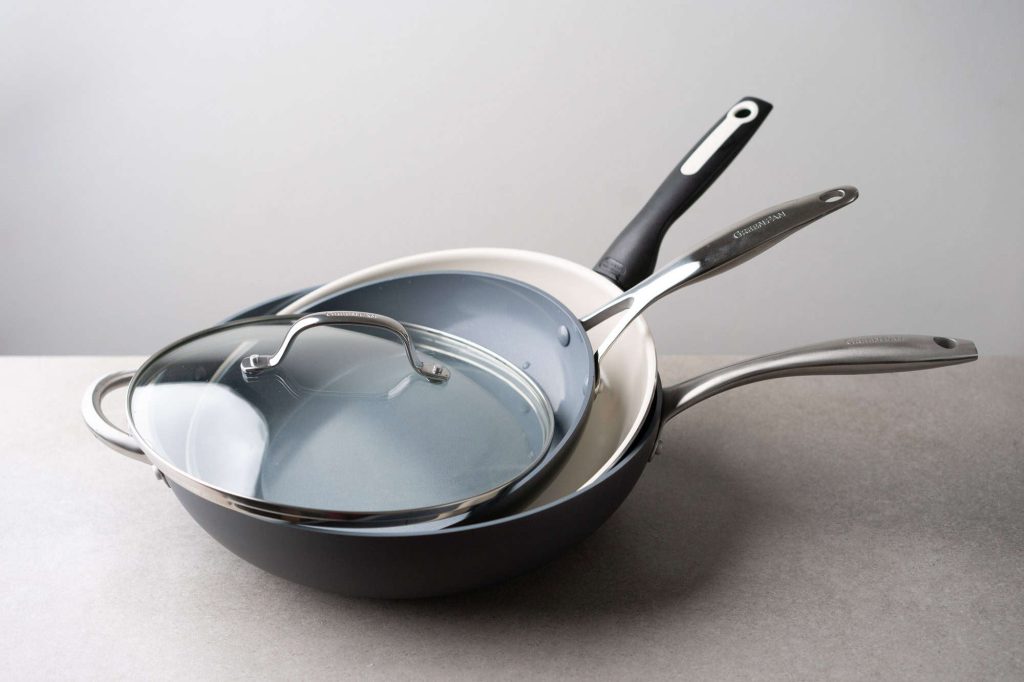
Are you wondering if Green Pans are really made with Teflon? It’s a question many people ask when looking for healthier, safer cookware options.
You want to cook your meals without worrying about harmful chemicals or coatings. Understanding what’s inside your pan can help you make smarter choices for your kitchen and your health. Keep reading to find out the truth about Green Pans and why they might be the right fit for your cooking needs.

Credit: cen.acs.org
What Is Greenpan
GreenPan is a brand of cookware known for its non-stick surface. It offers an alternative to traditional non-stick pans.
The pans use a ceramic coating that aims to be safer and more eco-friendly than Teflon.
Greenpan Coating
GreenPan’s coating is made from Thermolon, a ceramic non-stick material. It does not contain PTFE or PFOA, chemicals found in Teflon.
- Thermolon coating is free from harmful chemicals
- It uses natural minerals
- The coating can resist high heat
- It provides a smooth, non-stick surface
Comparison To Teflon
| Feature | GreenPan | Teflon |
| Coating Material | Ceramic (Thermolon) | PTFE |
| Contains PFOA | No | Sometimes (older products) |
| Heat Resistance | Up to 450°F | Up to 500°F |
| Eco-Friendly | Yes | No |
| Durability | Good | Good |
Health And Safety
GreenPan avoids harmful chemicals linked to health risks. It uses a natural ceramic coating that stays stable during cooking.
This makes GreenPan a popular choice for those wanting safer cookware. It reduces the chance of toxic fumes from overheated pans.
:max_bytes(150000):strip_icc()/rs-greenpan-one-off-tout-0344faff245148adaf0eec82e9500358.jpg)
Credit: www.realsimple.com
Teflon And Its Characteristics
Teflon is a brand name for a chemical called PTFE. It is used to coat many non-stick pans. This coating helps food not stick to the pan while cooking.
Teflon has special properties that make it useful in kitchens. It is heat resistant and very smooth. These features help make cooking and cleaning easier.
What Is Teflon Made Of?
Teflon is made from a polymer called polytetrafluoroethylene. This polymer has strong bonds that make it slippery and tough. These bonds also make Teflon resistant to heat and chemicals.
Key Characteristics Of Teflon
- Non-stick surface that prevents food from sticking
- High heat resistance up to about 260°C (500°F)
- Resistant to water and most chemicals
- Low friction, making it easy to clean
- Durable but can scratch if used with sharp tools
Safety And Use Considerations
Teflon pans should not be overheated beyond their limit. High heat can break down the coating and release fumes. Using wooden or silicone utensils helps keep the coating safe.
| Feature | Details |
| Maximum Safe Temperature | About 260°C (500°F) |
| Durability | Good but sensitive to scratches |
| Cleaning | Easy, but avoid abrasive tools |
| Use | Ideal for low to medium heat cooking |
Greenpan Coating Materials
GreenPan cookware is known for its nonstick surface. Many people ask if GreenPan uses Teflon in their pans. The answer lies in the materials they use for their coatings.
This article explains what GreenPan coatings are made of. It also covers their ceramic nonstick feature, thermal resistance, and chemical makeup.
Ceramic Nonstick
GreenPan uses a ceramic nonstick coating instead of Teflon. This coating is made from a natural mineral called silica. It is free from PTFE and PFOA chemicals found in Teflon.
The ceramic layer makes cooking and cleaning easier. Food does not stick as much, so less oil is needed when cooking.
Thermal Resistance
GreenPan coatings can handle high cooking temperatures. They resist heat better than traditional nonstick pans. This helps the pan last longer without damage.
The ceramic coating can safely work at temperatures up to 450 degrees Celsius. This is much higher than many Teflon pans allow.
- High heat tolerance
- Less risk of coating breakdown
- Safe for searing and frying
Chemical Composition
GreenPan coatings use a mix of natural minerals. The main ingredient is silicon-based ceramic. This makes the pan nonstick without harmful chemicals.
The coating does not contain PTFE or PFOA, which are in Teflon. It is considered a healthier choice for cooking surfaces.
- Silicon-based ceramic
- No PTFE or PFOA
- Free from heavy metals
Health And Safety Factors
Many people want to know if Green Pans use Teflon coatings. This matters for health and safety reasons. Green Pans claim to offer a safer cooking experience.
Understanding the materials inside these pans helps you make better choices. Let’s look at toxicity concerns and chemical-free claims.
Toxicity Concerns
Green Pans do not use traditional Teflon. Teflon contains PTFE, which can release harmful gases if heated too high. Green Pans use ceramic coatings instead.
Ceramic coatings are made from natural materials. They do not release toxic fumes when heated. This lowers the risk of health problems linked to non-stick pans.
Pfoa And Pfas Free Claims
Green Pans proudly say their products are free from PFOA and PFAS chemicals. These substances are harmful and linked to health issues. Many traditional pans still contain them.
By avoiding PFOA and PFAS, Green Pans reduce chemical exposure. This makes cooking safer for families and individuals. It also helps protect the environment.
Performance Compared To Teflon
Green Pans use ceramic-based coatings instead of Teflon. This makes their performance different in some ways. Understanding these differences helps in choosing the right pan.
This article compares Green Pans with Teflon pans on durability, nonstick efficiency, and heat tolerance.
Durability
Green Pans have ceramic coatings that are harder than Teflon. This makes them more scratch resistant. They handle metal utensils better than Teflon.
Teflon coatings are softer and can scratch easily. Scratches reduce their nonstick ability. Both types need care to last longer.
- Green Pans resist scratches well
- Teflon coatings can peel or chip
- Both need gentle cleaning
Nonstick Efficiency
Teflon is known for strong nonstick performance. Food slides off easily with little oil. Green Pans also offer good nonstick surfaces but may need more oil.
Green Pan coatings can lose some nonstick quality faster than Teflon. Proper care keeps both pans working well. Using enough oil helps food release better.
- Teflon needs less oil for nonstick
- Green Pans may require some oil
- Both lose nonstick if scratched
Heat Tolerance
Green Pans handle higher heat better than Teflon pans. Their ceramic coating can tolerate higher temperatures without damage. This suits cooking methods with strong heat.
Teflon coatings begin to break down at lower temperatures. High heat can release harmful fumes from Teflon. Cooking on low to medium heat keeps Teflon safe.
- Green Pans tolerate higher heat
- Teflon breaks down at lower heat
- Use medium heat for Teflon pans
Care And Maintenance Tips
Green Pans are known for their non-stick surfaces. Many wonder if they use Teflon coatings. Green Pans use ceramic-based coatings instead of traditional Teflon.
Proper care helps keep Green Pans safe and long-lasting. Follow simple steps to protect the ceramic coating and improve cooking results.
Use Low To Medium Heat
Green Pans work well with lower heat settings. High heat can damage the ceramic coating. Avoid heating an empty pan for a long time.
Cooking at medium or low heat keeps the pan safe and helps food cook evenly without sticking.
Clean With Soft Sponges
Use soft sponges or cloths to clean Green Pans. Avoid steel wool or rough scrubbers that can scratch the surface.
- Wash with warm water and mild dish soap
- Rinse thoroughly to remove soap
- Dry with a soft towel to prevent water spots
Avoid Non-stick Spray
Non-stick sprays can build up on the pan and reduce its effectiveness. Use a small amount of oil or butter instead.
Applying oil helps food release easily and keeps the ceramic coating smooth.
Store Properly To Prevent Scratches
Stacking pans can cause scratches on the ceramic surface. Use pan protectors or cloths between pans when storing.
Proper storage keeps the non-stick coating intact and extends the pan’s life.
Avoid Metal Utensils
Metal utensils can scratch or chip the ceramic coating. Use wooden, silicone, or plastic tools instead.
- Wooden spoons
- Silicone spatulas
- Plastic turners
These tools keep the pan surface safe and help maintain its non-stick quality.
Environmental Impact
Green pans are often promoted as eco-friendly cookware. Understanding their environmental impact helps buyers make informed choices. This section explores how green pans affect the environment.
We focus on materials, manufacturing, and disposal effects. These factors show if green pans are truly better than traditional Teflon pans.
Materials Used
Green pans usually avoid using traditional Teflon, which contains harmful chemicals. Instead, they use ceramic or natural coatings. These materials reduce toxic emissions during cooking and production.
Manufacturing Process
The production of green pans often uses less energy than making Teflon pans. Fewer toxic chemicals are released during manufacturing. This lowers air and water pollution.
- Lower energy consumption
- Reduced chemical waste
- Less air pollution
- Safer working conditions
Durability And Lifespan
Green pans may last shorter than Teflon pans. This can lead to more frequent replacements. More waste can increase environmental impact over time.
Disposal And Recycling
Recycling green pans is challenging because of mixed materials. If thrown in landfills, some coatings can break down harmlessly, unlike Teflon. This lowers soil and water contamination risks.
| Aspect | Green Pans | Teflon Pans |
| Materials | Ceramic, natural coatings | PTFE (Teflon) |
| Manufacturing Energy | Lower | Higher |
| Durability | Medium | High |
| Recycling | Limited | Limited |
| Environmental Risk at Disposal | Low | High |

Credit: www.greenpan.us
Choosing Between Greenpan And Teflon
GreenPan and Teflon are popular choices for non-stick cookware. They each have unique features that affect cooking and maintenance.
This guide helps you understand price and usage to pick the right pan for your kitchen.
Price Considerations
GreenPan usually costs more than Teflon pans. This is because GreenPan uses ceramic coatings that are more eco-friendly.
| Type | Average Price | Durability |
| GreenPan | $50 – $120 | High |
| Teflon | $20 – $70 | Medium |
Usage Preferences
Choose your pan based on how you plan to cook and clean it. Both GreenPan and Teflon have rules for use.
- GreenPan works well with medium heat and is safe for metal utensils.
- Teflon pans need low to medium heat to avoid damage.
- GreenPan is dishwasher safe but hand washing is recommended.
- Teflon pans require gentle cleaning to keep the coating intact.
Frequently Asked Questions
Are Green Pans Free Of Teflon?
Yes, Green Pans are free of Teflon. They use a ceramic non-stick coating called Thermolon. This coating is derived from natural materials and is free from PTFE and PFOA. It is a healthy alternative to traditional non-stick coatings.
What Makes Green Pans Non-stick?
Green Pans use a ceramic coating called Thermolon. This coating provides non-stick properties without using traditional Teflon. It is made from natural materials and is free from harmful chemicals. This makes cooking and cleaning easier and healthier.
Are Green Pans Safe To Use?
Yes, Green Pans are safe to use. They are free from harmful chemicals like PFAS, PFOA, and PTFE. The ceramic coating, Thermolon, ensures a non-toxic cooking experience. It is heat-resistant and doesn’t release fumes even at high temperatures.
Do Green Pans Last Long?
Green Pans are designed for durability. Their ceramic non-stick coating, Thermolon, is tough and scratch-resistant. With proper care, they can last for several years. Avoid using metal utensils and high heat to extend their lifespan.
Conclusion
Green pans do not use traditional Teflon coating. They rely on ceramic or other non-stick materials. These coatings are often free from harmful chemicals. This makes green pans a safer choice for many cooks. They heat evenly and clean up easily.
Choosing green pans means picking a different kind of non-stick surface. It’s important to check the product details before buying. This way, you know what you are getting. Green pans offer a good alternative to classic Teflon cookware. Simple, safe, and effective for everyday cooking.