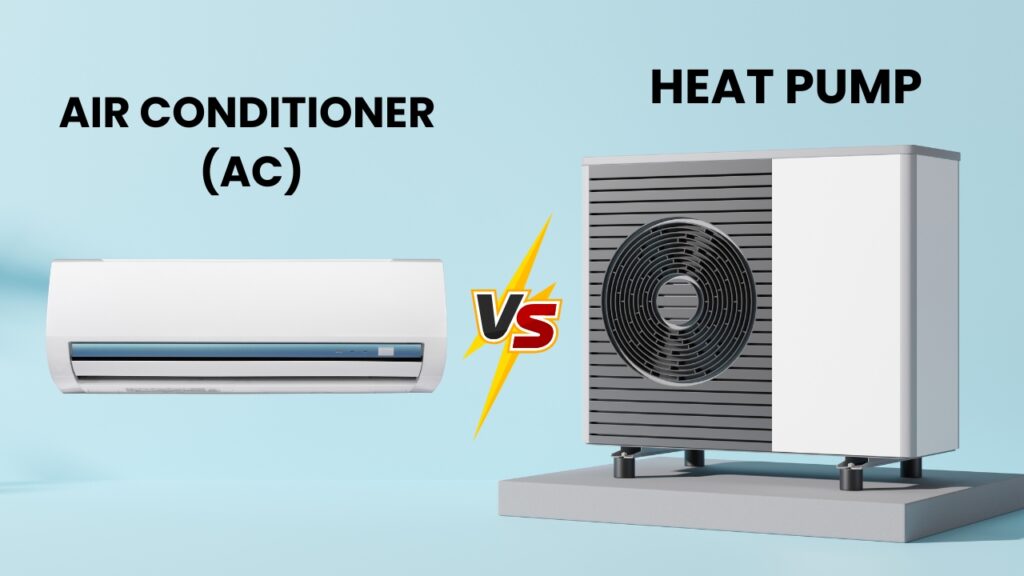
Are you wondering if a heat pump could be a better choice than your regular air conditioner? Choosing the right cooling and heating system for your home is a big decision.
It affects your comfort, energy bills, and even the environment. You’ll discover the key differences between heat pumps and air conditioners. You’ll learn which option suits your needs best, saves you money, and keeps your home comfortable year-round. Keep reading to make an informed choice that works perfectly for you and your family.
Heat Pump Basics
Heat pumps are devices that move heat from one place to another. They work for both heating and cooling homes.
Understanding heat pumps helps compare them to air conditioners and see their benefits.
How Heat Pumps Work
Heat pumps move heat by using a refrigerant and a compressor. They pull heat from outside air or ground and bring it inside.
In summer, heat pumps work like air conditioners by removing heat from indoors. In winter, they reverse the process to warm the house.
Types Of Heat Pumps
- Air-source heat pumps: Take heat from the air outside.
- Ground-source (geothermal) heat pumps: Use heat from the ground.
- Water-source heat pumps: Extract heat from nearby water bodies.
Each type has different installation needs and works best in certain climates.
Common Uses
| Use | Description |
| Home Heating | Warm indoor air during cold months. |
| Home Cooling | Remove heat from indoors in summer. |
| Water Heating | Heat water for showers and appliances. |
| Commercial Buildings | Provide climate control in offices and stores. |
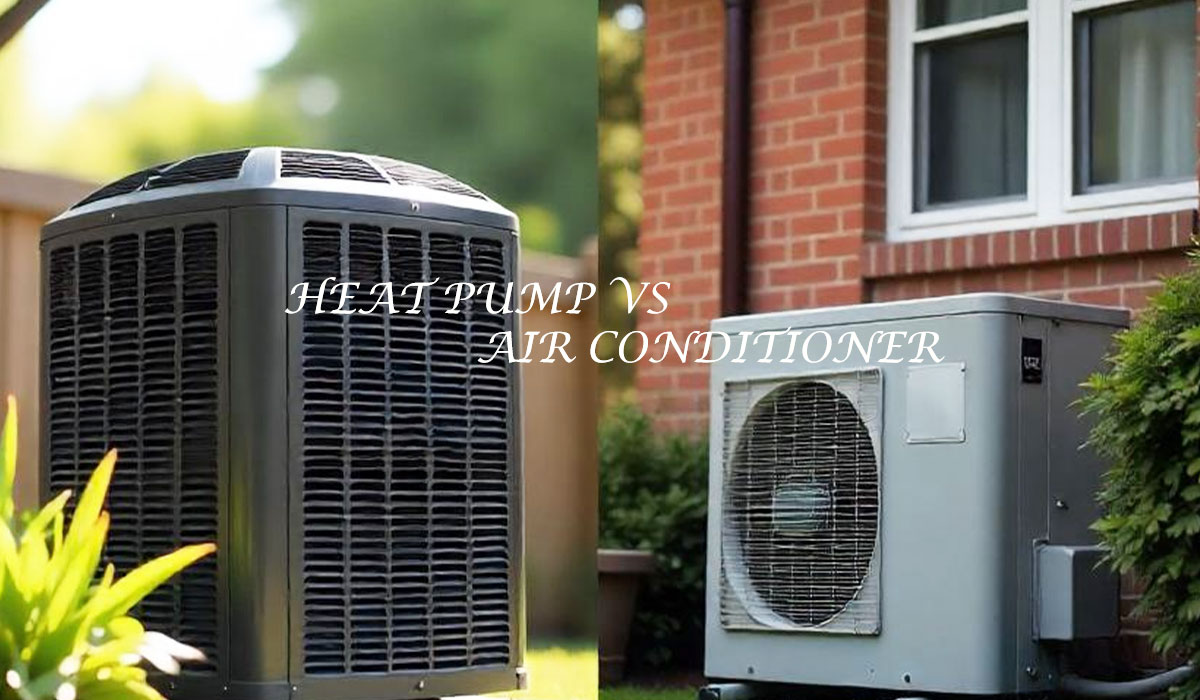
Credit: greenleafair.com
Air Conditioner Essentials
Air conditioners keep indoor spaces cool and comfortable. They work by moving heat from inside to outside.
Understanding how air conditioners work helps you choose the right cooling system for your needs.
Cooling Mechanism
An air conditioner cools air by removing heat and moisture. It uses a refrigerant to absorb heat from inside air.
The refrigerant passes through coils where it changes from liquid to gas and back. This process cools the air that flows into the room.
Types Of Air Conditioners
- Window Units: Installed in windows, best for single rooms.
- Split Systems: Have indoor and outdoor units, good for whole homes.
- Portable Units: Moveable and easy to set up for small spaces.
- Central Air Systems: Cool entire buildings through ducts.
Typical Applications
| Application | Common Use | Recommended Type |
|---|---|---|
| Small Room | Bedrooms, offices | Window or Portable Units |
| Whole Home | Multiple rooms, large houses | Split Systems or Central Air |
| Commercial Spaces | Offices, shops | Central Air Systems |
| Temporary Cooling | Events, short-term use | Portable Units |
Energy Efficiency Comparison
Heat pumps and air conditioners both cool homes effectively. They use electricity but work differently. Understanding their energy efficiency helps choose the best option.
This comparison looks at how each performs in different seasons, their energy use, and possible cost savings.
Seasonal Performance
Heat pumps can heat and cool, giving year-round comfort. Air conditioners only cool during warm months. Heat pumps adjust better to changing temperatures.
- Heat pumps work well in mild winters.
- Air conditioners are mainly for summer cooling.
- Heat pumps reduce the need for separate heating systems.
Energy Consumption Rates
Heat pumps usually use less electricity than air conditioners plus a heater. They transfer heat instead of creating it. This lowers energy use in many cases.
| System | Average Energy Use (kWh/year) |
|---|---|
| Heat Pump | 3,000 |
| Air Conditioner + Heater | 4,500 |
Cost Savings Potential
Heat pumps can save money on energy bills over time. Upfront costs may be higher, but lower energy use helps recoup this. Savings depend on climate and energy prices.
- Lower electricity bills in moderate climates
- Reduces need for separate heating systems
- Long-term savings offset initial cost
- Maintenance costs are similar for both systems
Climate Impact
Heat pumps and air conditioners both cool homes, but they differ in climate effects. Understanding these differences helps in choosing a greener option.
This article reviews their performance in climates, environmental footprint, and ability to adapt to weather changes.
Performance In Different Climates
Heat pumps work well in moderate to cold climates by providing heating and cooling efficiently. Air conditioners mainly cool and perform best in warm areas.
- Heat pumps save energy in cold winters by heating efficiently.
- Air conditioners cool better in very hot weather but use more energy.
- Heat pumps may need backup heat in extreme cold.
- Air conditioners cannot heat, so they need separate systems for warmth.
Environmental Footprint
| Feature | Heat Pumps | Air Conditioners |
| Energy Use | Lower overall | Higher for cooling only |
| Greenhouse Gas Emissions | Reduced with clean energy | Higher due to energy use |
| Refrigerant Impact | Uses eco-friendly options more often | Often uses older refrigerants |
| Dual Function | Heating and cooling | Cooling only |
Adaptability To Weather Changes
Heat pumps adjust to changing temperatures by switching between heating and cooling modes. Air conditioners only cool and need extra systems for heat.
- Heat pumps can lower energy use when weather shifts quickly.
- Air conditioners may run more often in hot weather spikes.
- Heat pumps often include smart controls for efficiency.
- Air conditioners lack heating controls and need separate heaters.
Installation And Maintenance
Choosing between heat pumps and air conditioners involves looking at installation and maintenance. These factors affect long-term costs and performance.
This guide compares installation costs, upkeep needs, and lifespan for both systems.
Installation Costs
Heat pumps usually cost more to install than air conditioners. The difference comes from their dual heating and cooling ability.
- Heat pumps need special setups for both heating and cooling.
- Air conditioners focus only on cooling, needing simpler installations.
- Additional parts like backup heaters can raise heat pump costs.
- Installation time is longer for heat pumps due to complexity.
Maintenance Requirements
Heat pumps and air conditioners both need regular care. Proper upkeep keeps them running well and saves money on repairs.
| Maintenance Task | Heat Pump | Air Conditioner |
| Filter Cleaning | Every 1-3 months | Every 1-3 months |
| Annual Inspection | Recommended | Recommended |
| Coil Cleaning | Yearly | Yearly |
| Refrigerant Check | Yearly | Yearly |
Heat pumps have extra parts like reversing valves. These parts need checking to avoid breakdowns.
Lifespan And Durability
Heat pumps and air conditioners last about 10 to 15 years with good care. Heat pumps may wear faster in very cold areas.
- Heat pumps handle both heat and cool, which can cause more wear.
- Air conditioners only cool, so parts may last longer.
- Regular maintenance extends the life of both systems.
- Choosing quality brands improves durability.

Credit: greenleafair.com
Comfort And Noise Levels
Heat pumps and air conditioners both cool your home. They work in different ways to keep you comfortable. Noise and comfort are key factors to think about.
This guide looks at temperature control, humidity management, and operational noise. It will help you compare heat pumps and air conditioners.
Temperature Control
Heat pumps can both heat and cool your home. They adjust the temperature smoothly. Air conditioners only cool and may need a separate heater.
- Heat pumps maintain steady indoor temperatures.
- Air conditioners cool quickly but may cause sharp temperature changes.
- Heat pumps offer year-round temperature control.
Humidity Management
Both systems remove moisture from the air. This helps you feel cooler and prevents mold growth. Heat pumps often manage humidity better in winter.
| Feature | Heat Pump | Air Conditioner |
| Humidity Control | Effective year-round | Effective mainly in cooling mode |
| Comfort Level | Balanced moisture | Can dry air too much |
| Seasonal Use | Cooling and heating | Cooling only |
Operational Noise
Noise affects comfort in your home. Heat pumps often run quieter than many air conditioners. New models of both are designed to reduce sound.
- Heat pumps use variable-speed compressors for quiet operation.
- Air conditioners may produce louder sounds during startup.
- Proper installation reduces noise for both systems.
Cost Analysis
Choosing between heat pumps and air conditioners depends on many factors. Cost is a key part of this decision.
This section looks at the costs involved with heat pumps and air conditioners.
Initial Investment
Heat pumps usually cost more to buy and install than air conditioners. This is because heat pumps can both heat and cool your home.
Air conditioners are simpler and often cheaper to buy. Installation costs for heat pumps can be higher due to their complexity.
- Heat pump units cost more upfront
- Installation for heat pumps is more expensive
- Air conditioners have lower initial costs
- Installation is usually quicker and cheaper for air conditioners
Long-term Expenses
Heat pumps use electricity to heat and cool, which can lower energy bills. They are more energy-efficient than air conditioners when heating.
Air conditioners only cool, so you need a separate heating system. This adds to your long-term costs.
- Heat pumps save money on heating costs
- Energy use is lower with heat pumps in cold weather
- Air conditioners need extra heating in winter
- Separate heating raises overall energy bills
Incentives And Rebates
Many governments offer rebates for installing heat pumps. These programs help reduce the higher initial costs.
Air conditioners may have fewer incentives. Checking local programs can help you find savings.
- Heat pump rebates lower upfront costs
- Some states offer tax credits for heat pumps
- Incentives for air conditioners are less common
- Local programs vary, so research is important

Credit: www.rapidheat247.co.uk
Choosing The Right System
Deciding between heat pumps and air conditioners depends on many factors. Picking the right system helps save energy and keeps your home comfortable all year.
Consider your home size, your preferences, and local energy costs before buying. Each factor changes what works best for you.
Home Size And Layout
The size and shape of your home affect heating and cooling needs. Large homes or those with many rooms might need a system with more power or multiple units.
- Small homes can use single heat pumps or air conditioners.
- Big homes may need several units or a central system.
- Open floor plans allow air to flow better and may use less energy.
- Homes with many walls or floors may need stronger systems.
Personal Preferences
Your comfort and habits influence the best choice. Some people want quick cooling. Others want energy savings or quiet operation.
| Preference | Heat Pump | Air Conditioner |
| Year-round use | Yes, heats and cools | No, only cools |
| Energy savings | Often higher | Depends on model |
| Noise level | Usually quiet | Varies by unit |
| Installation cost | Higher | Lower |
Local Energy Prices
Energy costs differ by region. This affects how much you pay to run your system. Heat pumps use electricity, so prices for power matter most.
Check local rates for:
- Electricity
- Gas (if considering gas heating)
- Seasonal price changes
High electricity prices might make air conditioners cheaper if you use gas for heating. Low electricity prices favor heat pumps for both heating and cooling.
Future Trends
Heat pumps and air conditioners will change with new technology. These changes will shape how we cool and heat homes.
Looking at future trends helps us understand which system suits our needs better over time.
Technological Advances
Heat pumps are getting more efficient with new materials and designs. They can work well in colder places.
- Improved compressors use less energy.
- Better refrigerants lower environmental impact.
- Advanced sensors adjust performance automatically.
- Dual-function units provide heating and cooling.
Smart Home Integration
Smart home systems connect with heat pumps and air conditioners. This allows easy control and energy savings.
| Feature | Heat Pumps | Air Conditioners |
| Remote Control | Yes | Yes |
| Energy Monitoring | Yes | Limited |
| Auto Scheduling | Yes | Yes |
| Voice Control | Yes | Yes |
Sustainability Innovations
New innovations focus on reducing energy use and carbon footprints. Heat pumps often lead in these areas.
- Use of natural refrigerants with low global warming potential.
- Integration with renewable energy sources like solar panels.
- Designs that reduce waste and improve lifespan.
- Incentives for homeowners to choose green technology.
Frequently Asked Questions
What Are The Key Differences Between Heat Pumps And Acs?
Heat pumps provide both heating and cooling, while air conditioners only cool. Heat pumps are more energy-efficient in mild climates. They can reverse their operation to heat, unlike ACs. This makes heat pumps more versatile for year-round use.
Are Heat Pumps More Energy-efficient Than Acs?
Yes, heat pumps are generally more energy-efficient than air conditioners. They transfer heat instead of generating it. This process uses less energy. In moderate climates, heat pumps can significantly reduce energy costs compared to traditional ACs.
Can Heat Pumps Work In Cold Climates?
Heat pumps can work in cold climates, but efficiency decreases as temperatures drop. Modern heat pumps are designed for colder climates. They use advanced technology to maintain efficiency. However, a backup heating system might be needed in extremely cold areas.
Do Heat Pumps Cost More Than Air Conditioners?
Initial costs for heat pumps are often higher than air conditioners. However, they can save money in the long run. Energy efficiency and dual functionality contribute to long-term savings. Consider energy costs and usage patterns when evaluating overall expenses.
Conclusion
Heat pumps save energy by heating and cooling efficiently. Air conditioners cool well but do not heat. Heat pumps work year-round, making them versatile. They may cost more upfront but save money over time. Choosing depends on your climate and budget.
Both systems have clear benefits for comfort. Consider your needs before making a final decision. This helps you stay cool and warm all year.