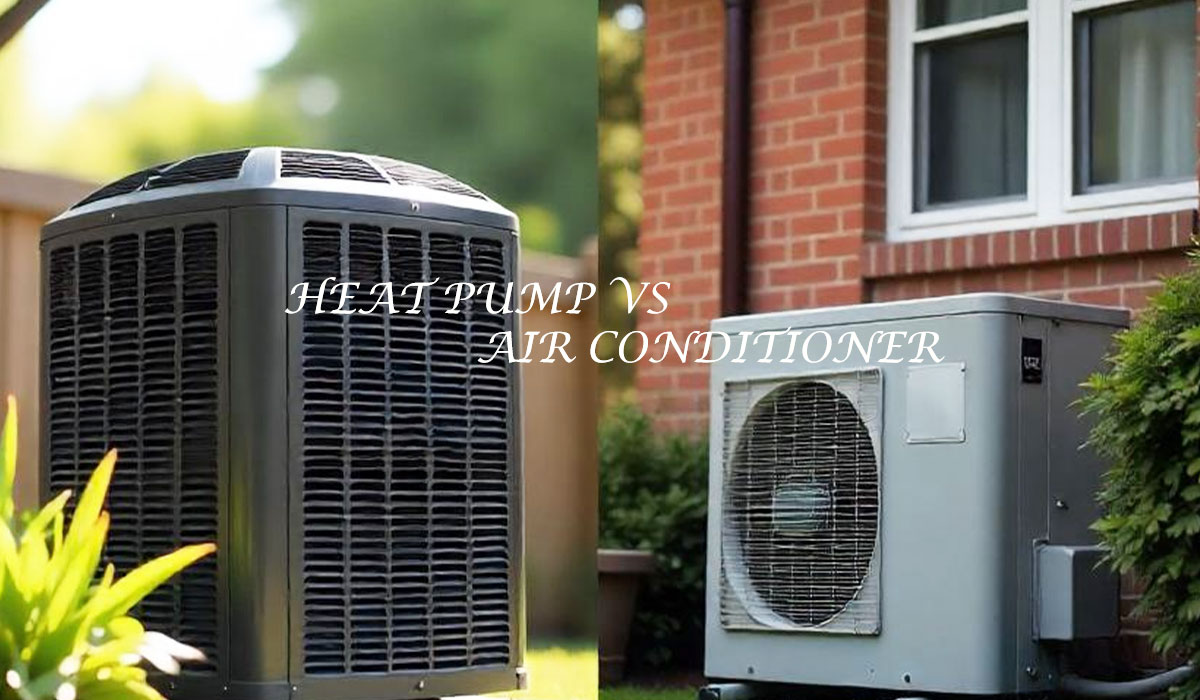
Are you wondering if heat pumps cost more than air conditioners? It’s a common question, especially when you’re thinking about upgrading your home’s cooling system.
You want to make the best choice without overspending. Understanding the true cost means looking beyond just the price tag. What about energy bills, installation, and long-term savings? Keep reading to discover the surprising facts that will help you decide what’s right for your home and wallet.
Cost Comparison
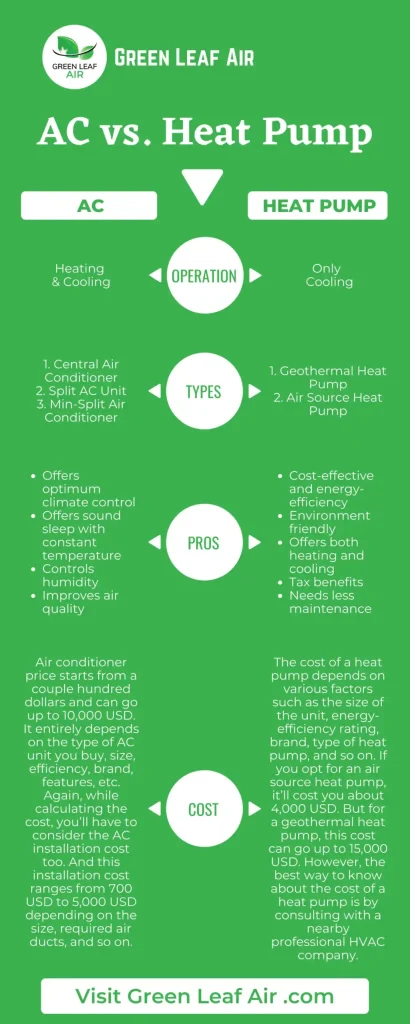
The initial purchase priceof heat pumps is usually higher than air conditioners. Heat pumps offer both heating and cooling, so they cost more upfront.
Installation expensescan be higher for heat pumps. They require more complex setup because of their dual function. Air conditioners are simpler to install, which lowers costs.
Maintenance costsfor heat pumps might be slightly higher. They need regular checks to keep both heating and cooling working well. Air conditioners usually have fewer parts to maintain, which can save money.
Energy Efficiency
Heat pumpsoften use less energy to cool or heat a space than traditional air conditioners. This means their operating costscan be lower over time despite a higher upfront price. Heat pumps move heat instead of creating it, which is more efficient.
Seasonal performance varies depending on the climate. Heat pumps work best in mild to moderate climates. Air conditioners may be cheaper in very hot areas, but heat pumps provide both heating and cooling.
| Aspect | Heat Pumps | Air Conditioners |
|---|---|---|
| Operating Costs | Lower due to energy efficiency | Higher for heating (if separate system) |
| Seasonal Performance | Good for heating and cooling | Only cooling |
| Environmental Impact | Less greenhouse gas emissions | More emissions with separate heating |
Lifespan And Durability
Heat pumpsusually last around 10 to 15 years. Air conditioners often have a similar lifespan. Both need regular care to work well for many years. The lifespan depends on usage and maintenance.
Common repairs for heat pumps include fixing the compressor, fan motor, and refrigerant leaks. Air conditioners share many of these repair needs. Repairs can cost more if parts are old or damaged.
| Aspect | Heat Pumps | Air Conditioners |
|---|---|---|
| Average Lifespan | 10-15 years | 10-15 years |
| Common Repairs | Compressor, fan motor, refrigerant leaks | Compressor, fan motor, refrigerant leaks |
| Warranty Coverage | Usually 5-10 years | Usually 5-10 years |
Most heat pumps and air conditioners come with a 5 to 10 year warranty. This covers parts but not always labor. Check warranty details before buying.

Credit: www.rapidheat247.co.uk
Climate Suitability
Heat pumpswork best in mild to cold climates. They can both heat and coolyour home. In cold weather, some heat pumps lose efficiency. They may need a backup heating sourceto keep homes warm. Still, many modern heat pumps handle cold air better than older models.
Air conditioners are made to cool only. They work well in warm weather. Heat pumps also cool well and use less energy than traditional air conditioners. This makes them good for places with hot summerstoo.
Financial Incentives
Rebates and tax creditscan lower the upfront cost of heat pumps. Many local and federal programs offer financial help. These savings make heat pumps more affordable compared to air conditioners. Some rebates cover a large part of the installation cost. Tax credits reduce the amount of tax you owe. Both help reduce the initial expense significantly.
Long-term savingscome from lower energy bills. Heat pumps use electricity efficiently to heat and cool homes. This means less money spent each month. Over time, these savings can cover the higher upfront cost. Air conditioners only cool, so they often cost more to run in winter. Heat pumps give value all year round.
Credit: greenleafair.com
Choosing The Right System
Home sizeaffects the choice between heat pumps and air conditioners. Larger homes often need stronger systems. Well-insulated homes keep temperature steady, lowering energy use. Poor insulation means more work for any system.
Usage patternsmatter too. Heat pumps work year-round for heating and cooling. Air conditioners only cool. If heating is needed often, heat pumps save money over time. For cooling only, air conditioners may cost less upfront.
Budget considerationsinclude initial cost and running expenses. Heat pumps usually cost more to buy and install. Air conditioners are cheaper at first but may cost more in heating bills. Think about long-term savings and your home’s needs.

Credit: www.rapidheat247.co.uk
Frequently Asked Questions
Are Heat Pumps More Costly Upfront Than Air Conditioners?
Heat pumps generally have a higher initial cost than air conditioners. This is due to their dual heating and cooling functions. However, they save money over time through energy efficiency, balancing the upfront expense.
Do Heat Pumps Save More Energy Compared To Air Conditioners?
Yes, heat pumps use less energy by transferring heat instead of generating it. This makes them more efficient for year-round temperature control, reducing energy bills in the long run.
How Do Installation Costs Differ Between Heat Pumps And Ac Units?
Installation costs for heat pumps tend to be higher due to system complexity. Air conditioner installations are usually simpler and less expensive. Factors like home size and ductwork also impact total installation expenses.
Can Heat Pumps Replace Air Conditioners In Hot Climates?
Heat pumps can work in hot climates but may be less efficient during extreme heat. Air conditioners might perform better in consistently high temperatures. Choosing depends on your specific climate and comfort needs.
Conclusion
Heat pumps and air conditioners both have costs and benefits. Choosing the right one depends on your needs and budget. Heat pumps can save money on heating bills. Air conditioners may cost less upfront. Consider energy efficiency and climate. Think about long-term savings versus initial cost.
Research both options carefully. Make the best decision for your home. Your comfort and finances matter. Each option has unique advantages. Choose wisely for your lifestyle and environment.