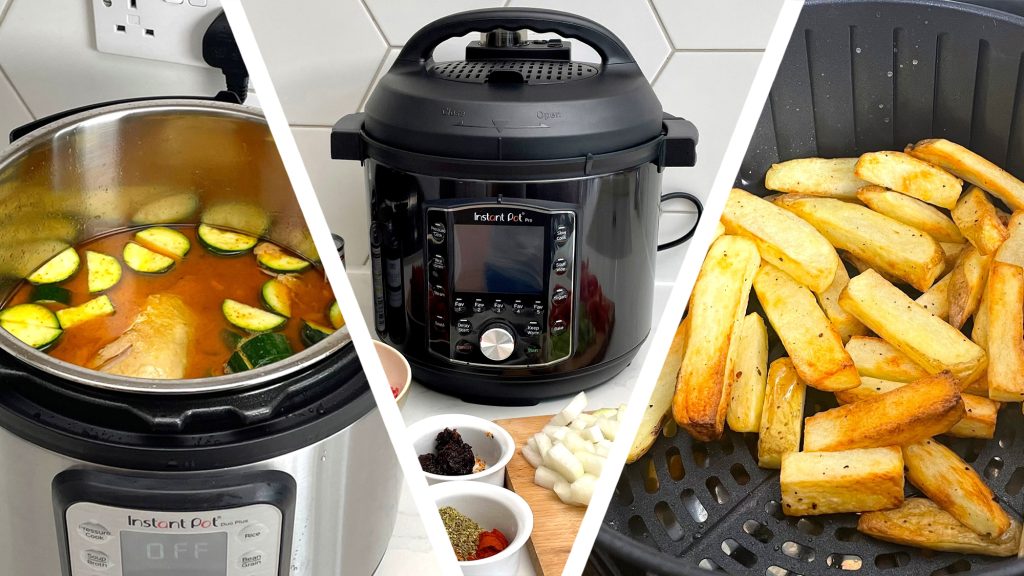
Are Instant Pots and pressure cookers the same? If you’ve ever stood in a kitchen aisle wondering which one to buy or how they work, you’re not alone.
These two appliances look similar and promise quick cooking, but there’s more to the story. Understanding the differences can save you time, money, and frustration in your cooking routine. Keep reading, and you’ll discover what makes each one unique—and which might be the best fit for your kitchen.
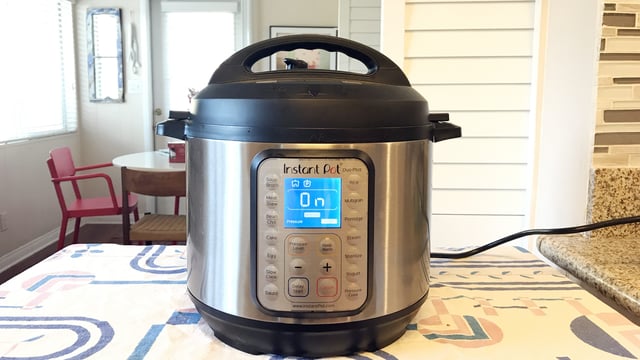
Credit: qz.com
Instant Pot Basics
Many people ask if Instant Pots and pressure cookers are the same. Both cook food fast using pressure. Instant Pots have extra features that make cooking easier.
This guide explains what an Instant Pot is and its main features. Understanding these helps you decide if it fits your kitchen.
What Is An Instant Pot?
An Instant Pot is a kitchen device that cooks food quickly with high pressure. It is electric and has a built-in timer.
It combines several tools in one, like a pressure cooker, slow cooker, and rice cooker. This makes it useful for many types of cooking.
Core Features Of Instant Pots
Instant Pots have features that make cooking fast and simple. They have preset programs for different foods.
- Pressure cooking to cook meals quickly
- Slow cooking for gentle, long cooking
- Rice cooking with perfect timing
- Yogurt making with controlled heat
- Keep warm function to hold food temperature
- Timer to delay cooking start
- Safety features to prevent accidents
Pressure Cooker Essentials
Pressure cookers are kitchen tools that cook food quickly using steam pressure. They save time and energy compared to regular pots.
This guide explains the types of pressure cookers and how they work inside.
Types Of Pressure Cookers
Pressure cookers come in different styles. Each has its own features and uses.
- Stovetop Pressure Cookers:Use direct heat from a stove. They heat fast and reach high pressure.
- Electric Pressure Cookers:Plug into a power outlet. They have built-in timers and settings.
- Manual Pressure Cookers:Require you to control heat and pressure manually.
- Automatic Pressure Cookers:Adjust pressure and temperature automatically for safety and ease.
How Pressure Cookers Work
Pressure cookers cook food by raising steam pressure inside a sealed pot. This raises the boiling point of water.
| Step | Process |
| 1 | Heat causes water inside the pot to boil and turn to steam. |
| 2 | Steam builds pressure inside the sealed pot. |
| 3 | Higher pressure raises the boiling point of water. |
| 4 | Food cooks faster due to higher temperature and pressure. |
| 5 | Pressure is released safely before opening the pot. |
Comparing Cooking Functions
Instant Pots and pressure cookers both cook food quickly using pressure. They save time compared to regular cooking.
They look similar but have different cooking functions. Understanding these helps you pick the right one.
Multi-functionality Of Instant Pots
Instant Pots do many cooking tasks in one device. They combine pressure cooking with other methods.
They can pressure cook, slow cook, sauté, steam, and even make yogurt. This saves space in your kitchen.
- Pressure cooking for fast meals
- Slow cooking for tender dishes
- Sautéing to brown food before cooking
- Steaming vegetables or fish
- Making yogurt with precise temperature
Single-purpose Focus Of Pressure Cookers
Pressure cookers focus mainly on one cooking style: pressure cooking. They cook food faster than normal pots.
They do not have extra functions like slow cooking or sautéing. This makes them simple to use.
- Cook food quickly with high pressure
- Good for soups, stews, and beans
- Usually manual or electric with fewer settings
- Simple design and easy to clean
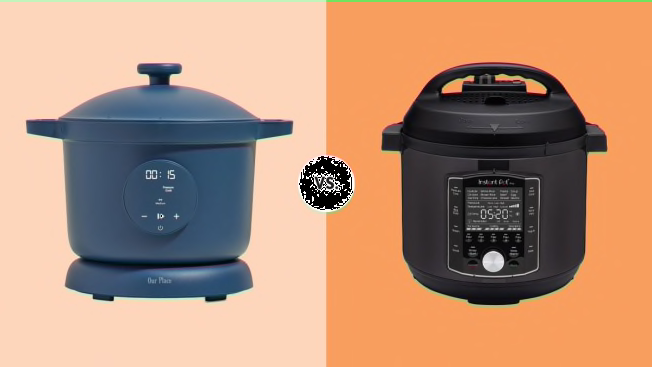
Credit: www.consumerreports.org
Safety Features And Mechanisms
Instant Pots and pressure cookers both use high pressure to cook food fast. Safety is very important in these devices.
They have special features to stop accidents and keep users safe during cooking.
Safety In Instant Pots
Instant Pots include many built-in safety features. These features prevent pressure from building too high.
They also stop the pot from opening if the pressure is unsafe.
- Pressure sensors monitor and control pressure levels
- Safety lid lock prevents opening during cooking
- Automatic temperature control avoids overheating
- Overpressure plugs release steam if pressure gets too high
- Electric sensors detect if the pot is not sealed properly
Pressure Cooker Safety Measures
Traditional pressure cookers also have safety parts. These parts help avoid accidents from high pressure.
Users must carefully follow instructions to keep safe.
- Pressure release valves let steam out safely
- Locking lids stop the cooker from opening under pressure
- Gaskets create a tight seal to keep pressure inside
- Pressure indicators show when it is safe to open
- Safety plugs melt or release pressure if it gets too high
Ease Of Use And Convenience
Instant Pots and pressure cookers both help cook food quickly. They save time in the kitchen. Each has a different design that affects how easy they are to use.
Understanding their user interfaces and cleaning needs helps you pick the right one. Let’s look at these two key points.
User Interface Differences
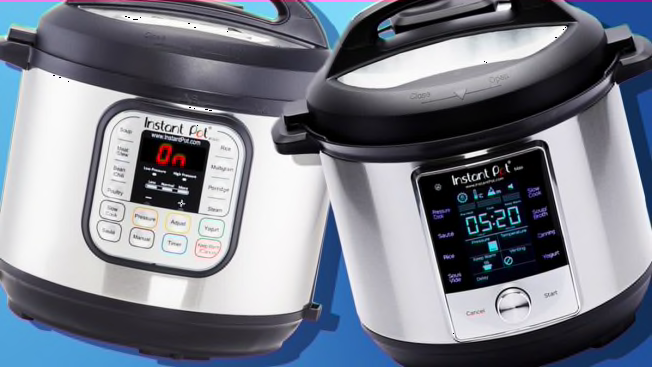
Instant Pots have digital controls with buttons and screens. Pressure cookers often use manual knobs and pressure settings. The Instant Pot lets you pick programs for rice, meat, or yogurt with one press.
- Instant Pots show cooking time on a screen
- Pressure cookers have simple dials or levers
- Instant Pots offer preset cooking modes
- Pressure cookers require manual time and pressure setting
- Instant Pots beep when cooking is done
Cleaning And Maintenance
| Feature | Instant Pot | Pressure Cooker |
| Inner Pot | Removable, dishwasher safe | Usually removable, sometimes dishwasher safe |
| Sealing Ring | Easy to remove and clean | Less common or fixed |
| Exterior | Wipe clean with a cloth | Wipe clean, often simpler design |
| Safety Valve | Needs regular checking and cleaning | Manual valve, easy to inspect |
| Complex Parts | More parts to clean due to electronics | Fewer parts, easier maintenance |
Credit: www.consumerreports.org
Price And Value Considerations
Choosing between Instant Pots and pressure cookers involves thinking about price and value. Both offer unique benefits, but their costs can differ.
Understanding these differences helps you decide which fits your budget and cooking needs.
Cost Comparison
Instant Pots usually cost more upfront than traditional pressure cookers. They include extra functions like slow cooking and yogurt making. Pressure cookers are simpler and often cheaper.
| Appliance | Price Range | Main Features |
|---|---|---|
| Instant Pot | $80 – $150 | Multi-use, digital controls, presets |
| Pressure Cooker | $30 – $70 | Basic pressure cooking, manual controls |
Long-term Benefits
Instant Pots save time and reduce the need for other kitchen tools. This can add value over time. Pressure cookers are durable and simple, with fewer parts to break.
- Instant Pots save energy by cooking faster.
- Pressure cookers have a longer lifespan with less tech.
- Instant Pots offer more cooking options.
- Pressure cookers require less maintenance.
Which One Fits Your Kitchen?
Instant Pots and pressure cookers both speed up cooking by using high pressure.
Each has unique features that suit different cooking needs and kitchen spaces.
Choosing Based On Cooking Style
Instant Pots offer multiple cooking functions like slow cooking, rice cooking, and yogurt making.
Traditional pressure cookers focus on fast cooking with simple controls.
- Use an Instant Pot if you want one appliance for many tasks.
- Choose a pressure cooker for quick, straightforward meals.
- Instant Pots have preset programs; pressure cookers need manual timing.
- Pressure cookers heat faster but need more attention.
Space And Storage Factors
Instant Pots are bulkier and take more counter or cabinet space.
Pressure cookers are usually lighter and easier to store in small kitchens.
| Feature | Instant Pot | Pressure Cooker |
| Size | Large and heavy | Compact and light |
| Storage | Needs more space | Easy to store |
| Portability | Less portable | More portable |
| Power Source | Electric only | Stove or electric |
Frequently Asked Questions
What Is The Difference Between Instant Pots And Pressure Cookers?
Instant Pots are multifunctional appliances that combine several cooking methods. Traditional pressure cookers primarily focus on cooking under pressure. Instant Pots offer options like sautéing, slow cooking, and steaming. Pressure cookers are typically more straightforward in design and function. Both appliances use pressure to cook food quickly, but Instant Pots provide more versatility in cooking techniques.
Can Instant Pots Replace Traditional Pressure Cookers?
Yes, Instant Pots can replace traditional pressure cookers in most cases. They offer the same pressure-cooking function and additional features. Instant Pots allow for diverse cooking methods like slow cooking and steaming. This makes them more versatile. However, some might prefer the simplicity of a traditional pressure cooker for specific recipes.
Are Instant Pots Safer Than Pressure Cookers?
Instant Pots are generally considered safer due to their advanced safety features. They have automatic pressure release and locking lids. These features minimize the risk of accidents. Traditional pressure cookers require manual monitoring of pressure levels. Instant Pots’ built-in safety mechanisms offer more peace of mind during cooking.
Do Instant Pots Cook Faster Than Pressure Cookers?
Instant Pots and pressure cookers cook at similar speeds when using the pressure cooking function. Both use high pressure to reduce cooking times significantly. However, Instant Pots offer pre-set cooking programs that might simplify the process. The overall speed depends on the recipe and the settings used.
Conclusion
Instant Pots and pressure cookers share many features but are not identical. Instant Pots offer extra functions like slow cooking and yogurt making. Traditional pressure cookers focus mainly on cooking food fast under pressure. Choosing depends on your cooking style and needs.
Both can save time and energy in the kitchen. Understanding their differences helps pick the right tool. Either way, both make meal prep easier and quicker. Simple and practical—just what busy cooks want.