Are you thinking about upgrading your car’s lights to LED but worry about the legal side? You’re not alone.
Many drivers wonder, “Are LED car lights illegal? ” It’s a question that can affect your safety, your wallet, and even your driving record. Before you make a switch, it’s important to know the facts. This article will clear up the confusion and help you understand what’s allowed and what isn’t.
Keep reading to protect yourself and your ride from unexpected trouble.
Legality Of Led Car Lights
LED car lights are popular for their brightness and efficiency. Many drivers want to know if these lights are legal to use on their vehicles.
The rules for LED car lights vary depending on where you live. It is important to understand the laws before installing them.
Current Laws And Regulations
Most countries have rules about car lights to keep roads safe. These rules cover brightness, color, and placement of LED lights.
LED lights must meet specific standards for use on public roads. These standards often come from government safety agencies.
- Brightness limits prevent glare to other drivers
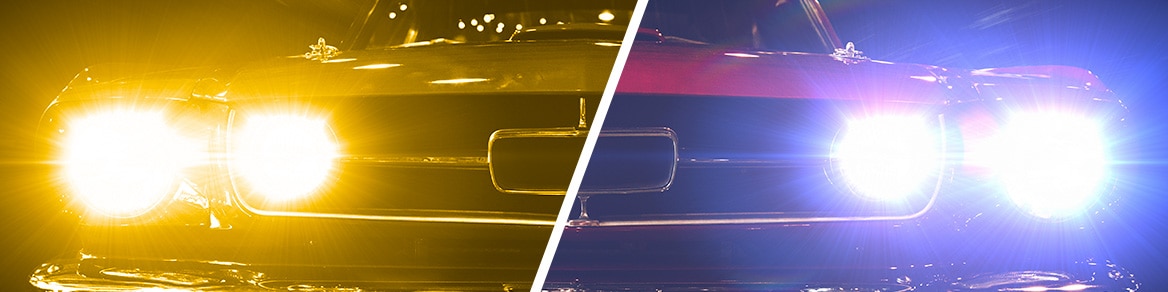
- Only certain colors like white or amber are allowed
- Lights must be properly mounted and aimed
- Aftermarket LED lights often need approval
Variations By Region
Rules about LED car lights differ widely by region. What is legal in one place may be illegal in another.
Local traffic laws decide which LED lights you can use. Some regions have stricter laws than others.
- United States: States have their own rules but follow federal guidelines
- Europe: Must meet ECE regulations for vehicle lighting
- Australia: Strict rules on color and brightness for road use
- Asia: Regulations vary greatly by country and city
Common Restrictions
Many places share common restrictions on LED car lights. These rules help prevent accidents and confusion on the road.
Common restrictions focus on light color, brightness, and placement. They also regulate flashing and moving lights.
- White or amber colors only for front lights
- Red lights reserved for rear lights
- Maximum brightness limits to avoid blinding others
- No flashing or strobe lights except for emergency vehicles
- Lights must be securely fixed to the vehicle
Credit: www.oreillyauto.com
Types Of Led Car Lights
LED lights are common in many cars today. They use less power and last longer than old bulbs.
This article explains the main types of LED car lights you will find on vehicles.
Headlights
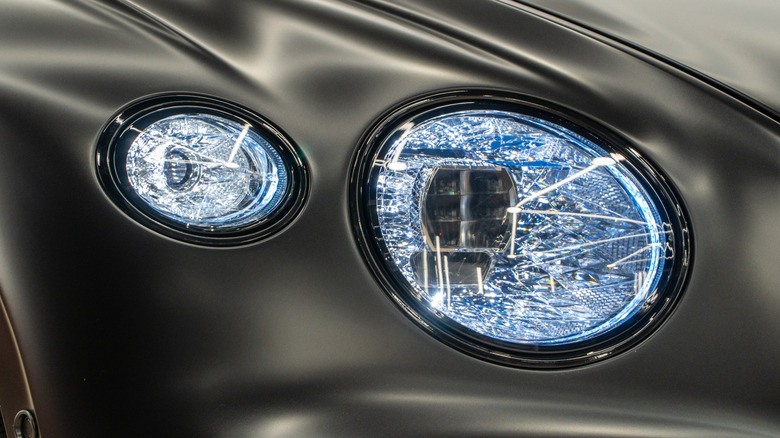
LED headlights are bright and clear. They help drivers see far at night.
They also turn on faster than regular bulbs. This quick light helps with safety.
Fog Lights
Fog lights use LED bulbs to shine low and wide. This helps in fog, rain, or snow.
- They reduce glare in bad weather.
- LED fog lights last longer than halogen ones.
- They save energy and improve car look.
Interior And Accent Lights
LEDs are also used inside cars. They light the dashboard, doors, and foot areas.
| Type | Purpose | Common Color |
|---|---|---|
| Dashboard Lights | Show controls and speed | White or blue |
| Door and Footwell Lights | Light entry and exit areas | Soft white or amber |
| Accent Lights | Decorate interior | Various colors |
Safety Concerns
LED car lights are popular for their brightness and energy savings. Some people ask if these lights are safe and legal on the road.
This section explains safety concerns about LED car lights. It looks at how these lights affect visibility and other drivers.
Visibility Issues
LED lights can be very bright, which helps drivers see better at night. But too much brightness can make it hard to see the road clearly.
Some LED lights may shine unevenly. This can create dark spots or glare, reducing the driver’s ability to spot obstacles.
Glare And Distraction
Bright LED lights can cause glare for oncoming drivers. Glare means light is too strong and hurts other drivers’ eyes.
Glare can distract drivers and make it hard to focus on the road. This increases the chance of accidents.
- LED lights that are too bright cause glare
- Glare can blind oncoming drivers temporarily
- Distraction from glare can lead to crashes
Impact On Other Drivers
LED lights that are not installed correctly can confuse other drivers. They may not know if the light is a brake or a turn signal.
This confusion can cause other drivers to react wrongly. It makes the roads less safe for everyone.
- Wrong LED light color can mislead other drivers
- Improper light position can hide signals
- Confused drivers may make unsafe moves

Credit: www.reddit.com
Choosing Legal Led Lights
LED car lights can improve visibility and style. Yet, not all LED lights are legal to use on roads. It is important to pick lights that meet legal rules to avoid fines and ensure safety.
Understanding the rules about LED lights helps you choose the right ones. This guide covers certification, color and brightness, and tips for installation.
Certification And Standards
Legal LED lights usually have certifications showing they meet safety and quality standards. These certificates come from government or safety organizations. Look for marks like DOT (Department of Transportation) or ECE (Economic Commission for Europe) on the packaging or product.
- Check for DOT or ECE certification labels.
- Buy from trusted brands that follow safety rules.
- Verify certification details on product websites.
Color And Brightness Limits
| Aspect | Legal Limit | Notes |
| Color | White or Amber (front), Red (rear) | Other colors may be illegal on public roads |
| Brightness | Below 3000 lumens per bulb | Too bright lights can blind other drivers |
| Flashing | Not allowed except for emergency vehicles | Flashing LEDs can distract or confuse drivers |
Always check local rules as they may vary by state or country. Using the right color and brightness keeps your car safe and legal.
Installation Tips
Correct installation is key to keep LED lights legal and working well. Follow these tips:
- Install lights in the correct position on your vehicle.
- Use proper wiring and connectors to avoid electrical issues.
- Adjust light angles to avoid glare for other drivers.
- Test lights after installation to ensure they meet brightness rules.
- Consult a professional if unsure about installation steps.
Penalties For Illegal Led Lights
Using illegal LED car lights can lead to serious penalties. Laws vary by state but often include fines and other consequences. It is important to know what can happen if your LED lights do not meet legal standards.
Authorities enforce these rules to keep roads safe. Illegal lights can distract or blind other drivers. Penalties help ensure everyone follows the law.
Fines And Citations
Drivers caught with illegal LED lights often receive fines or citations. The amount can vary based on the location and severity of the violation. Repeat offenses may lead to higher fines or other penalties.
- First offense fines usually range from $50 to $200
- Repeat violations can result in larger fines
- Some areas issue citations that require court appearances
- Fines may increase if illegal lights cause an accident
Vehicle Inspections
Illegal LED lights can cause your vehicle to fail inspections. Many states require yearly safety checks that include lighting tests. If your lights do not pass, you may need to fix or replace them before driving again.
| Inspection Item | Requirement | Consequence of Failure |
| Headlight Color | Must be white or yellow | Fail inspection, fix required |
| Light Brightness | Must not blind other drivers | Fail inspection, fix required |
| Positioning | Must be mounted at legal height | Fail inspection, fix required |
Possible Equipment Removal
Police officers may order you to remove illegal LED lights. This can happen during a traffic stop or inspection. You might be given a deadline to fix your vehicle or face more penalties.
Common actions include:
- Immediate removal of illegal lights at the scene
- Temporary vehicle impound until lights are corrected
- Written orders to remove or replace the lights within a set time
Future Trends In Car Lighting
Car lighting is changing fast with new technology and rules. Bright and smart lights help drivers see better at night.
This article looks at future trends in car lighting. It covers LED advances, law changes, and smart light systems.
Advances In Led Technology
LED lights use less power and last longer than old bulbs. They give brighter light and use less energy.
- More colors and styles are possible with LEDs
- LEDs heat up less, so they are safer
- Smaller LED units allow creative light shapes
- Improved brightness helps with night driving
Changing Regulations
Rules for car lights change as technology grows. Some lights once illegal may become allowed.
| Region | Current Rules | Possible Changes |
| USA | Strict on LED colors | More LED colors allowed |
| Europe | Focus on light intensity | Smart light approval |
| Asia | Varied rules by country | Standardized LED laws |
Smart Lighting Systems
Smart lights adjust to road and weather. They can change brightness and beam direction automatically.
Key features of smart lighting:
- Adaptive beams for curves and hills
- Automatic dimming to avoid blinding other drivers
- Integration with car sensors and cameras
- Energy-saving modes when parked or stopped
Credit: www.slashgear.com
Frequently Asked Questions
Are Led Car Lights Legal Everywhere?
LED car lights legality varies by country and state. Some regions allow them if they meet brightness and color regulations. Always check local laws before installation to ensure compliance and avoid fines or safety issues.
Can Led Car Lights Cause Accidents?
Improperly installed or excessively bright LED lights can dazzle other drivers. This increases accident risk, especially at night. Use approved LED lights and proper alignment to maintain road safety and legality.
Do Led Car Lights Require Special Approval?
Many areas require LED car lights to meet specific standards and certifications. Without approval, they may be illegal to use on public roads. Always verify if your LED lights comply with local vehicle lighting regulations.
What Colors Of Led Car Lights Are Legal?
Typically, white or amber LED lights are legal for headlights and turn signals. Red and blue are often reserved for emergency vehicles. Check local laws to ensure your LED light colors are permitted.
Conclusion
LED car lights can be legal or illegal depending on where you live. Check your local laws before installing them. Brightness, color, and placement affect their legality. Using the wrong lights may cause fines or safety issues. Choose LED lights that meet rules and keep your car safe.
Stay informed and drive responsibly. Bright, clear lights help everyone see better at night. Safety matters most on the road.