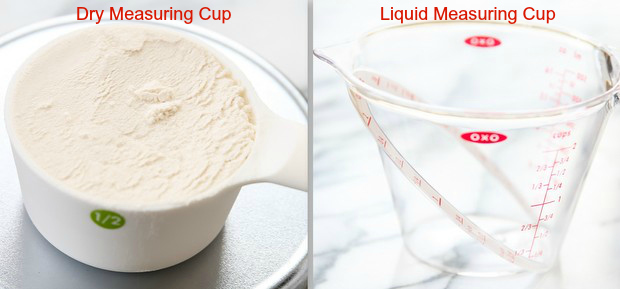
When you’re cooking or baking, measuring ingredients correctly can make all the difference. But have you ever wondered if liquid measuring cups are really different from dry ones?
Using the wrong type might seem like a small mistake, but it can change the texture, taste, and even the success of your recipe. If you want your dishes to turn out just right every time, it’s important to know which cup to use and why.
Keep reading, and you’ll discover simple tips that will improve your cooking skills and save you from common measuring mistakes.
Credit: kirbiecravings.com
Types Of Measuring Cups
Measuring cups come in different types for liquids and dry ingredients. They help you get the right amount for your recipe. Using the correct cup makes cooking easier and more accurate.
Understanding the difference between liquid and dry measuring cups is important. Each type has special features for specific ingredients.
Liquid Measuring Cups
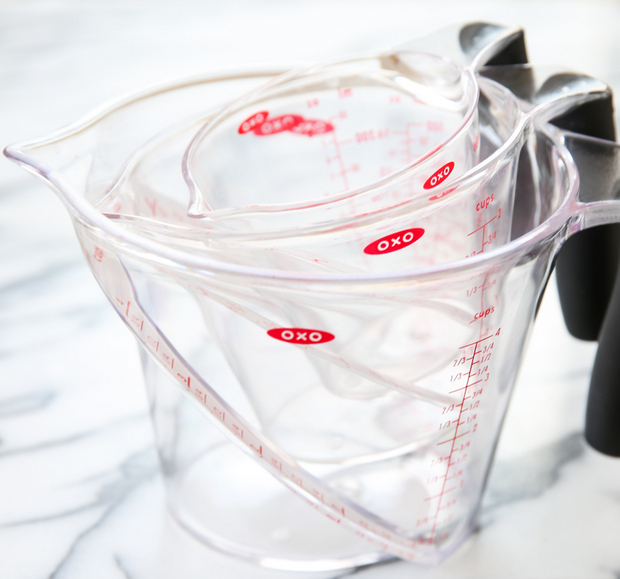
Liquid measuring cups are usually made of glass or plastic. They have a spout for easy pouring. These cups allow you to see the liquid level clearly from the side.
- Clear walls with measurement marks
- Spout to pour liquids without spilling
- Usually larger sizes from 1 cup to 4 cups
- Designed to measure water, milk, oil, and other liquids
Dry Measuring Cups
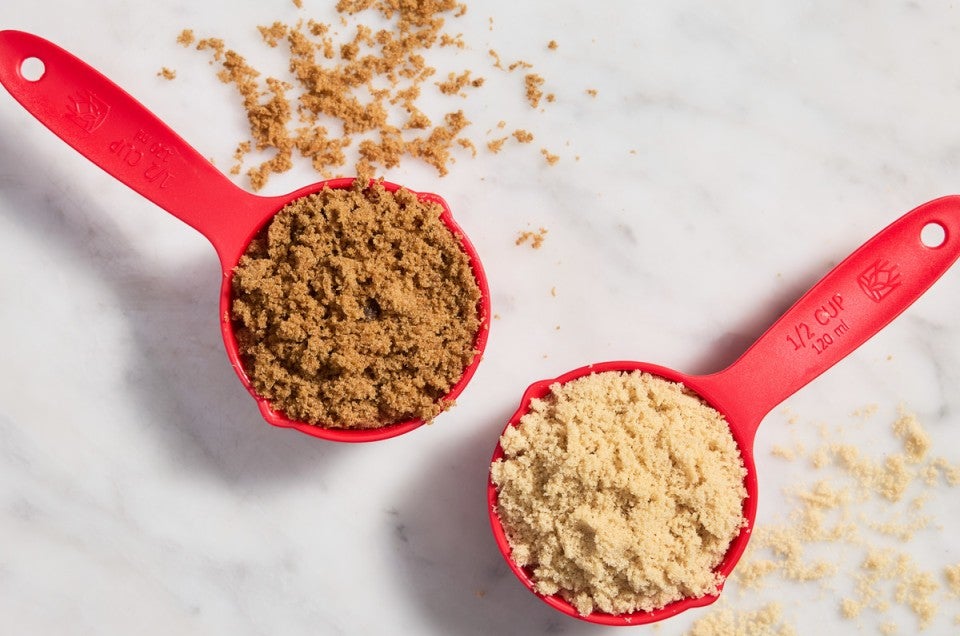
Dry measuring cups are solid and come in sets. Each cup holds a fixed amount of dry ingredient. These cups are meant to be filled and leveled off for accuracy.
| Type | Material | Use |
|---|---|---|
| Metal or plastic cups | Metal, plastic | Flour, sugar, grains |
| Single cup with handle | Plastic or metal | Measure one dry ingredient at a time |
| Set of cups | Plastic or metal | Multiple sizes for different amounts |
Credit: www.kingarthurbaking.com
Material Differences
Liquid measuring cups and dry measuring cups often use different materials. The materials affect how you use and care for the cups. Understanding these differences helps in choosing the right cup for your kitchen needs.
Some materials are better for liquids, while others work well for dry ingredients. This guide compares common materials used in liquid measuring cups.
Glass Vs Plastic
Glass measuring cups are clear and let you see the liquid level easily. They do not absorb smells or colors from food. Glass cups are usually heavier and can break if dropped.
Plastic cups are lighter and less likely to break. They may scratch or stain over time. Some plastic cups can absorb odors from strong ingredients. Plastic cups often have bright measurement markings.
- Glass: Clear, heavy, breakable, odor-resistant
- Plastic: Light, durable, can stain, may absorb odors
Durability And Safety
Glass cups can crack or break if dropped or exposed to sudden temperature changes. They are safe for hot liquids but need careful handling. Tempered glass is stronger and safer to use.
Plastic cups are less likely to break but may warp with heat. Some plastics are safe for hot liquids, while others are not. Look for BPA-free plastic for safer use in the kitchen.
- Glass: Can break, safe for hot liquids, handle carefully
- Plastic: Less breakable, may warp, choose BPA-free
Design And Features
Liquid measuring cups and dry measuring cups look different. Their design suits the kind of ingredients they measure.
Knowing their design helps you pick the right cup for your cooking or baking.
Shape And Size
Liquid measuring cups usually have a tall, clear container shape. This helps you see the liquid level easily.
Dry measuring cups are often short and come in sets of different sizes. They are meant to be filled and leveled off.
- Liquid cups are often 1 cup or more in size
- Dry cups come in fractions like 1/4, 1/3, 1/2, and 1 cup
- Liquid cups have a larger volume and space for pouring
Measurement Markings
Liquid measuring cups show measurements on the side. The marks are easy to read from outside.
Dry measuring cups do not have side markings. They measure by filling to the top and leveling the ingredient.
- Liquid cups display units like cups, milliliters, and ounces
- Markings on liquid cups are spaced to avoid errors
- Dry cups rely on full level measurements for accuracy
Spouts And Handles
Liquid measuring cups often have a spout for easy pouring. They also have handles for a steady grip.
Dry measuring cups usually lack spouts. They have small handles or none at all for scooping dry ingredients.
- Spouts on liquid cups prevent spills when pouring
- Handles on liquid cups help hold heavy liquids
- Dry cups focus on easy filling, not pouring
Measurement Accuracy
Measuring ingredients correctly is important for cooking and baking. Using the right type of measuring cup helps get accurate amounts.
Liquid and dry measuring cups look similar but work differently. This difference affects measurement accuracy.
Reading Liquid Volumes
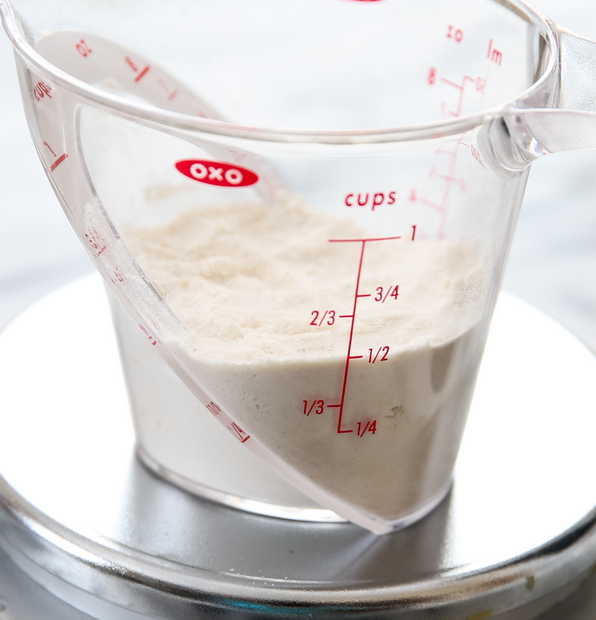
Liquid measuring cups have clear marks on the side. They let you see the liquid level easily. These cups often have a spout for pouring.
To measure liquids, place the cup on a flat surface. Then, look at the mark at eye level. This helps avoid errors.
Measuring Dry Ingredients
Dry measuring cups come in sets of different sizes. They are meant to be filled and leveled off with a flat edge. This method gives exact amounts.
Dry ingredients like flour or sugar should be scooped, then leveled. Using a liquid cup can cause packing and wrong amounts.
Common Mistakes
People often use liquid cups for dry ingredients or dry cups for liquids. This causes inaccurate measurements and changes recipes.
- Not measuring liquids at eye level can cause wrong readings.
- Overpacking dry ingredients adds too much to the recipe.
- Using the wrong cup type leads to uneven results.
- Ignoring leveling dry ingredients creates inaccurate amounts.
When To Use Each Type
Liquid and dry measuring cups look similar but serve different purposes in the kitchen. Using the right cup helps get accurate measurements.
Choosing the correct cup depends on the type of ingredient you measure. This guide explains when to use each type.
Liquid Recipes
Liquid measuring cups are best for wet ingredients like water, milk, or oil. They usually have a spout to pour easily.
The clear cups with marked lines help see the liquid level at eye level. This reduces spills and wrong amounts.
- Use liquid cups for water, broth, and juice
- Measure oils, syrups, and melted butter in liquid cups
- Fill to the correct line and check at eye level
Baking With Dry Ingredients
Dry measuring cups are for solid or powdered ingredients like flour, sugar, or cocoa. They are usually metal or plastic.
Fill the cup and level it off with a flat edge for an exact amount. This avoids packing and ensures even baking.
- Use dry cups for flour, sugar, and baking powder
- Measure oats, nuts, and grains with dry cups
- Level off excess with a knife or spatula
Credit: kirbiecravings.com
Tips For Precise Measuring
Measuring ingredients accurately is key for good cooking and baking. Using the right tools helps get the right amount every time.
Here are some simple tips to measure liquids and dry ingredients precisely.
Leveling Dry Ingredients
Dry ingredients like flour or sugar should be leveled off for correct amounts. Use a flat edge to remove extra from the measuring cup or spoon.
- Fill the measuring cup or spoon without packing
- Use a knife or spatula to level off the top
- Do not shake or tap the cup to settle ingredients
Checking Liquid Levels
Liquid measuring cups have clear marks to show the amount inside. Check the level at eye height to avoid errors.
| Tip | Explanation |
| Place on flat surface | Keep the cup steady and flat for an accurate read |
| Check at eye level | Look straight at the measurement mark, not from above or below |
| Avoid overfilling | Stop at the exact line to prevent using too much liquid |
Using Digital Scales
Digital kitchen scales give the most exact measurements. They work well for both dry and liquid ingredients by weight.
- Place your container on the scale
- Press the tare button to reset to zero
- Add the ingredient until you reach the desired weight
- Use grams or ounces based on your recipe
Alternatives To Traditional Cups
Measuring ingredients can be tricky without the right tools. Traditional cups may not always be the best choice for every kitchen task.
There are other ways to measure ingredients that can be more accurate or easier to use. Let’s explore some common alternatives.
Spoons And Scales
Spoons are good for small amounts of ingredients, especially spices and liquids. Scales give the most exact measurements by weight. You can measure dry or liquid ingredients with a scale.
- Measuring spoons usually come in sets with sizes like 1 tablespoon and 1 teaspoon.
- Kitchen scales show weight in grams or ounces for precise amounts.
- Scales help avoid packing errors common with cups for dry ingredients.
Adjustable Measuring Tools
Adjustable tools let you measure different amounts with one device. These tools save space and reduce the number of items you need.
| Tool | Use | Advantages |
| Adjustable Measuring Spoons | Small quantities | One tool fits many sizes |
| Sliding Measuring Cups | Both dry and liquid | Easy to adjust and read |
| Digital Scales | Any ingredient | Very accurate, tare function included |
Frequently Asked Questions
What Is The Difference Between Liquid And Dry Measuring Cups?
Liquid measuring cups are designed with a spout for easy pouring and measure volume. Dry measuring cups are meant to be filled and leveled off, measuring weight. Using the right type ensures accuracy in your recipes, as the two types measure differently due to their distinct designs.
Can I Use Dry Cups For Liquid Ingredients?
Using dry cups for liquids can lead to inaccurate measurements. Dry measuring cups aren’t designed for precise volume measurement, which is essential for liquid ingredients. For best results and recipe accuracy, it’s recommended to use liquid measuring cups with clear measurement markings.
Why Do Liquid Measuring Cups Have A Spout?
Liquid measuring cups have a spout to make pouring easier and prevent spills. This design feature allows for more precise measurement and transfer of liquids. It ensures that you can pour out the exact amount needed without losing any liquid, maintaining recipe accuracy.
Are Liquid Measuring Cups More Accurate?
Liquid measuring cups are more accurate for liquids due to their design. They allow you to measure at eye level, ensuring precision. This accuracy is crucial for recipes that require specific liquid amounts, preventing inconsistencies that could arise from using inappropriate measuring tools.
Conclusion
Liquid and dry measuring cups serve different purposes in the kitchen. Liquid cups have space for pouring without spilling. Dry cups help level ingredients for accuracy. Using the right cup makes recipes turn out better. Avoid guessing measurements to save time and frustration.
Always choose the proper tool for the ingredient. This simple step improves cooking and baking results. Remember, small details make a big difference. Keep both types handy for all your cooking needs.