
Are you wondering if your non-stick pan can go straight from the stove to the oven? You’re not alone.
Many home cooks face this question every day. Using your non-stick pan in the oven can save time and dishes, but it can also damage your cookware if you’re not careful. You’ll discover the truth about oven safety for non-stick pans, learn how to protect your favorite kitchen tools, and get tips to cook smarter.
Keep reading to make sure your next meal turns out perfectly without ruining your pan.
Non Stick Pans And Oven Use
Non stick pans are popular for easy cooking and cleaning. Many people wonder if they can use these pans in the oven safely.
Understanding the materials and temperature limits helps you use non stick pans correctly in the oven.
Materials And Oven Compatibility
Non stick pans are made from different materials. The base is usually aluminum or stainless steel. The non stick coating is often PTFE or ceramic.
Oven safety depends on the pan’s handles and coating. Some handles are plastic or wood, which can melt or burn in the oven.
- Aluminum and stainless steel bodies usually work in ovens
- Plastic or wooden handles are not oven safe
- Metal handles are safe for oven use
- PTFE coatings can release fumes if overheated
- Ceramic coatings tolerate higher oven temperatures
Common Temperature Limits
Most non stick pans have a maximum oven temperature limit. This limit protects the coating and the pan.
Oven safe temperatures usually range between 350°F and 500°F. Always check the manufacturer’s instructions for your pan.
| Coating Type | Typical Oven Safe Temperature |
|---|---|
| PTFE (Teflon) | Up to 350°F (175°C) |
| Ceramic | Up to 450°F (230°C) |
| Hard Anodized | Up to 400°F (205°C) |
| Stainless Steel Base | Often up to 500°F (260°C) |
Types Of Non Stick Coatings
Non stick pans use different coatings to prevent food from sticking. These coatings affect how safe the pan is in the oven.
Knowing the type of coating helps you use the pan correctly and keep it safe for cooking.
Teflon And Ptfe Coatings
Teflon and PTFE are popular non stick coatings. They create a smooth surface that stops food from sticking.
These coatings work well at low to medium oven temperatures. Most Teflon pans are safe up to about 350°F (175°C).
- Do not use at very high heat, or the coating may break down.
- Avoid metal utensils to protect the surface.
- Check the manufacturer’s oven safety instructions.
Ceramic Coatings
Ceramic coatings are made from a silica-based gel. They offer a natural non stick surface without chemicals like PTFE.
These pans can usually handle higher oven temperatures, often up to 450°F (230°C). They are more heat-resistant than Teflon.
- Use silicone, wood, or plastic utensils to protect the surface.
- Check if the handle is oven safe before putting the pan inside.
- Clean gently to avoid scratches.
Anodized Aluminum
Anodized aluminum pans have a hard, non stick surface made by treating the metal. This makes them durable and oven safe.
They often tolerate high oven heat, sometimes up to 500°F (260°C). These pans are good for baking and roasting.
- The coating is scratch-resistant but still avoid metal tools.
- Handles may limit oven use, so check before use.
- These pans provide even heat for cooking.
Handle Materials And Oven Safety
Non stick pans come with different handle materials. The handle type affects if the pan is safe for oven use. Knowing the handle material helps avoid damage or injury.
Some handles can melt or burn in the oven. Others can handle high temperatures safely. Let’s look at common handle materials and their oven safety.
Plastic And Rubber Handles
Plastic and rubber handles usually are not oven safe. They can melt or release harmful fumes at high heat. Most plastic handles should not be used above 350°F (175°C).
- Plastic handles often melt in hot ovens
- Rubber handles can burn or degrade
- These handles limit oven use of the pan
- Check manufacturer guidelines for max heat
Metal Handles
Metal handles are the safest for oven use. They can handle very high temperatures without damage. Stainless steel and cast iron handles are common metal types.
| Handle Material | Oven Safe Temperature | Notes |
| Stainless Steel | Up to 500°F (260°C) | Durable and heat resistant |
| Cast Iron | Up to 600°F (315°C) | Heavy but very strong |
| Aluminum | Varies | Check specific manufacturer info |
Silicone Handles
Silicone handles can tolerate moderate oven heat. They resist melting better than plastic but have limits. Most silicone handles are safe up to 400°F (205°C).
Silicone handle advantages:
- Soft and heat resistant
- Comfortable grip
- Suitable for medium oven temperatures
- Not ideal for very high heat cooking

Credit: circulon.uk.com
Signs Your Pan Is Oven Safe
Knowing if your non-stick pan is safe for oven use helps avoid damage. Oven-safe pans allow you to cook or keep food warm without worry.
Check for clear signs before placing your pan in the oven. This protects your cookware and keeps your kitchen safe.
Manufacturer Labels And Instructions
Look at the bottom or handle of your pan for manufacturer labels. These often tell you if the pan can go in the oven.
- Oven-safe symbol or text on the base
- Temperature limits listed on packaging or manual
- Warnings against oven use in instructions
- Material details specifying oven safety
Durability And Build Quality
Some materials handle oven heat better than others. Check your pan’s build to guess if it is oven safe.
| Material | Oven Safety | Typical Max Temp |
| Aluminum with non-stick coating | Usually safe | 350°F (175°C) |
| Stainless steel | Safe | 500°F (260°C) |
| Plastic handles | Not safe | Below 350°F (175°C) |
| Silicone handles | Safe | Up to 400°F (204°C) |
| Cast iron | Safe | Over 500°F (260°C) |
Risks Of Using Non Stick Pans In Oven
Non stick pans are popular for easy cooking and cleaning. Many wonder if they are safe to use in the oven.
Using non stick pans in the oven can cause some problems. It is important to know the risks before heating them.
Coating Damage And Fumes
Non stick coatings can break down at high oven temperatures. This damage can release harmful fumes.
- High heat may peel or crack the coating.
- Damaged coating loses its non stick properties.
- Fumes from overheated coatings can irritate lungs.
- Repeated oven use shortens the pan’s lifespan.
- Some coatings release toxic chemicals if overheated.
Warping And Structural Damage
Non stick pans can warp or bend in the oven. This happens due to uneven or very high heat.
| Cause | Effect on Pan | Result for Cooking |
| Rapid temperature change | Warping or bending | Uneven cooking surface |
| Excessive heat over time | Weakens pan structure | Pan may lose shape |
| Using pans not rated for oven | Handle melting or breaking | Unsafe to use |

Credit: www.amazon.ca
Tips For Safe Oven Use
Non stick pans can be used in the oven if you follow safety rules. These tips help protect your pans and keep food safe.
Using non stick pans safely in the oven extends their life. It also prevents damage to the coating and your cookware.
Temperature Control
Keep the oven temperature below the pan’s limit. Most non stick pans can handle up to 350°F to 500°F.
High heat can damage the coating and release harmful fumes. Always check the manufacturer’s temperature guide.
- Use moderate oven temperatures for cooking
- Do not exceed the pan’s maximum heat rating
- Set the oven temperature carefully before placing the pan inside
Avoiding Sudden Temperature Changes
Do not move the pan directly from the fridge to the hot oven. Sudden changes can warp or crack the pan.
Let the pan come to room temperature before heating. This protects the non stick surface and the metal base.
- Take pans out of the fridge 30 minutes before use
- Do not put hot pans on cold surfaces
- Allow pans to cool slowly after oven use
Proper Cleaning After Oven Use
Clean non stick pans carefully after using them in the oven. Avoid harsh scrubbing that can damage the coating.
Use warm water, mild soap, and soft sponges. Dry pans fully before storing to prevent rust and damage.
- Wash pans by hand with gentle soap
- Do not use metal scrubbers or abrasive cleaners
- Dry pans completely before putting them away
Alternatives To Non Stick Pans For Oven Cooking
Non stick pans often have temperature limits that make oven use risky. Choosing other pans can help you cook safely in the oven. Some pans handle heat well and last longer.
Here are two good alternatives that work well for oven cooking. They offer durability and good heat distribution.
Cast Iron And Stainless Steel
Cast iron and stainless steel pans can go from stove to oven without damage. Cast iron holds heat evenly and adds flavor over time. Stainless steel heats quickly and cleans easily.
- Cast iron pans need seasoning to stay non stick and prevent rust.
- Stainless steel pans do not need seasoning and resist corrosion well.
- Both types can handle high oven temperatures, often up to 500°F or more.
- They are heavier than non stick pans but more durable.
Oven-safe Ceramic Pans
Ceramic pans with oven-safe labels are good for baking and roasting. They do not release harmful chemicals and can withstand high heat. Their smooth surface makes cleaning easier.
| Type | Heat Resistance | Care |
| Cast Iron | Up to 600°F | Season regularly, dry well |
| Stainless Steel | Up to 500°F | Use non-abrasive cleaner |
| Ceramic | Up to 450°F | Avoid sudden temperature changes |
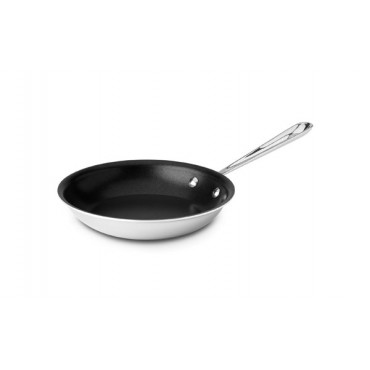
Credit: www.kitchenessentials.ca
Frequently Asked Questions
Are All Non Stick Pans Safe For The Oven?
Not all non stick pans are oven safe. Check the manufacturer’s guidelines for temperature limits. Generally, most non stick pans are safe up to 350°F to 500°F. Always use oven mitts to avoid burns when transferring from stovetop to oven.
How Can I Tell If A Pan Is Oven Safe?
Check for an oven-safe symbol or note on the pan. Refer to the manufacturer’s instructions or packaging. Handles made of metal are usually a good indicator. Avoid pans with plastic handles unless specified as oven-safe.
What Happens If I Use A Non Oven-safe Pan?
Using a non oven-safe pan can damage the pan and release harmful fumes. The non stick coating might degrade or peel. It can also warp or crack, making it unusable for future use. Always verify before use.
Can Non Stick Pans Go In A High-temperature Oven?
Most non stick pans are not designed for high temperatures. They are typically safe up to 500°F. Exceeding this can damage the non stick surface. Always check the manufacturer’s recommendations for temperature limits to ensure safety.
Conclusion
Non-stick pans can be oven safe, but check the label first. Many pans have temperature limits, usually around 350-500°F. Exceeding these limits can damage the pan and release harmful fumes. Always use oven mitts, as handles might get very hot.
Avoid sudden temperature changes to keep the coating intact. Knowing your pan’s oven safety helps you cook with confidence. Simple care extends your pan’s life and keeps meals safe. Choose the right pan for your cooking needs and enjoy easy cleanup.