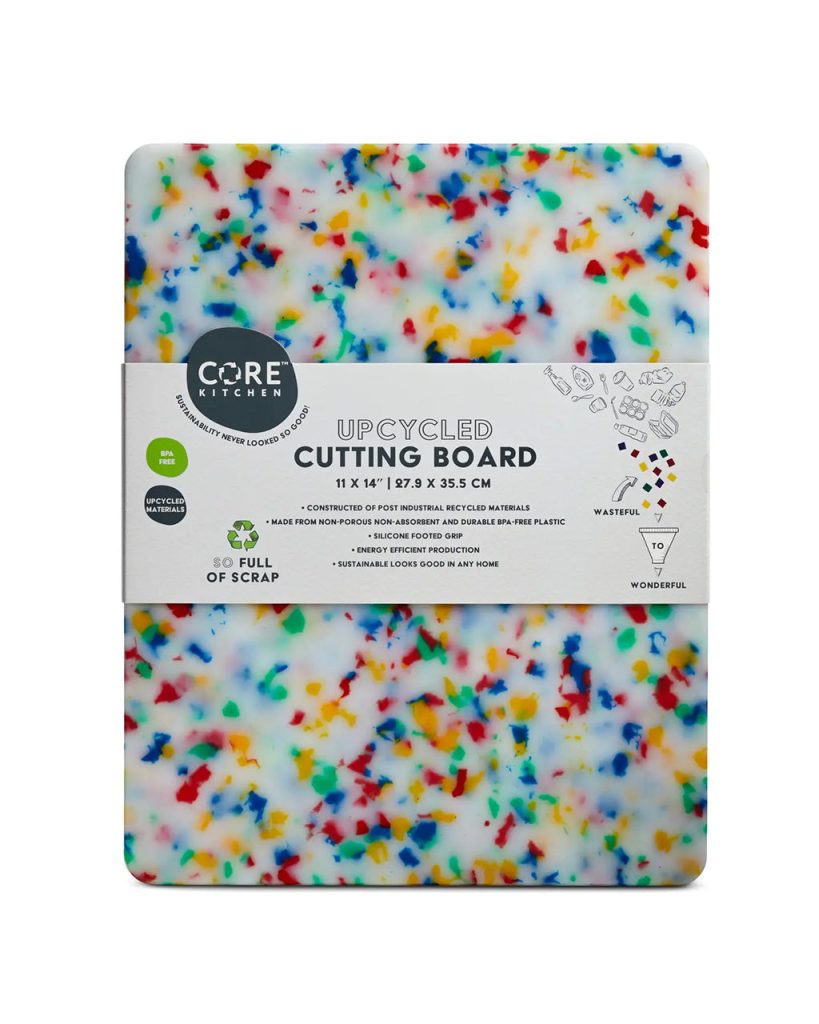
Have you ever wondered what happens to your plastic cutting boards when they’re no longer usable? You might be asking yourself, “Are plastic cutting boards recyclable?” It’s a question that matters because how you dispose of them affects your home, the environment, and even your community.
You’ll discover the simple facts about recycling plastic cutting boards and learn easy steps you can take to make a real difference. Keep reading to find out what you can do to handle your old cutting boards the right way.

Credit: www.amazon.com
Types Of Plastic Cutting Boards
Plastic cutting boards come in different types. Each type uses different materials. This affects their strength and safety.
Knowing the types helps understand if they can be recycled. Some plastics recycle easier than others.
Common Materials Used
Plastic cutting boards are made from several materials. The most common ones are polyethylene and polypropylene. These plastics are lightweight and durable.
Other materials include acrylic and nylon. Some boards mix different plastics to improve strength. Each material has unique features.
- High-Density Polyethylene (HDPE)
- Low-Density Polyethylene (LDPE)
- Polypropylene (PP)
- Acrylic (PMMA)
- Nylon (Polyamide)
Differences In Recyclability
Not all plastic cutting boards recycle the same way. Some plastics recycle easily while others do not. It depends on the type and local recycling rules.
HDPE and PP are accepted by many recycling programs. Acrylic and nylon are harder to recycle. Mixed plastics often cannot be recycled at all.
| Material | Recyclability |
|---|---|
| HDPE | Widely recyclable |
| LDPE | Recyclable but less common |
| Polypropylene (PP) | Commonly recyclable |
| Acrylic (PMMA) | Rarely recyclable |
| Nylon | Difficult to recycle |

Credit: www.amazon.com
Recycling Symbols And What They Mean
Plastic cutting boards often have recycling symbols. These symbols help identify the type of plastic used. Knowing these codes shows if the cutting board can be recycled.
Recycling codes are numbers inside a triangle made of arrows. Each number means a different type of plastic. This guide will explain these codes and which ones recycling centers accept.
Identifying Plastic Codes
Look for a small triangle with a number on your plastic cutting board. The number ranges from 1 to 7. This number tells you what kind of plastic it is made from.
Here are the common plastic codes you might see:
- 1 – PET (Polyethylene Terephthalate)
- 2 – HDPE (High-Density Polyethylene)
- 3 – PVC (Polyvinyl Chloride)
- 4 – LDPE (Low-Density Polyethylene)
- 5 – PP (Polypropylene)
- 6 – PS (Polystyrene)
- 7 – Other (Various plastics)
Which Codes Are Accepted In Recycling
Not all plastic cutting boards are recycled easily. Many recycling programs accept plastics labeled with 1, 2, 4, and 5. Other numbers are less often accepted.
| Plastic Code | Plastic Type | Recycling Acceptance |
|---|---|---|
| 1 | PET | Widely accepted |
| 2 | HDPE | Widely accepted |
| 3 | PVC | Rarely accepted |
| 4 | LDPE | Sometimes accepted |
| 5 | PP | Sometimes accepted |
| 6 | PS | Rarely accepted |
| 7 | Other | Rarely accepted |
Check local recycling rules to see which codes are accepted. Some places take more types than others. Plastic cutting boards with codes 1, 2, 4, or 5 have better chances to be recycled.
Challenges In Recycling Cutting Boards
Plastic cutting boards are common in kitchens. Recycling them is not easy. Several problems stop smooth recycling.
These problems include leftover food and the materials used in the boards. Both cause difficulties in recycling plants.
Contamination From Food Residue
Food residue on cutting boards can block recycling. Dirt, oils, and food bits stay on the surface. This makes cleaning hard.
- Residue can spoil recycling machines
- It lowers the quality of recycled plastic
- Extra cleaning uses more water and energy
- Some plants reject dirty boards
Mixed Materials And Additives
Cutting boards often have many materials. These include different plastics and additives. These mix-ups cause recycling issues.
| Material Type | Effect on Recycling |
| Multiple plastics | Hard to separate and process |
| Color additives | Change color of recycled plastic |
| Non-plastic parts | Must be removed before recycling |
| Anti-microbial additives | May affect recycling chemistry |
Local Recycling Policies
Plastic cutting boards are common in many kitchens. Knowing if they are recyclable depends on local rules.
Each area has different recycling policies. These rules affect how you should dispose of plastic cutting boards.
Variations By Region
Some regions accept plastic cutting boards in curbside recycling. Others do not due to the type of plastic used.
In some places, cutting boards must be taken to special recycling centers. This is because they are made from hard plastics.
- Urban areas may have more recycling options.
- Rural areas often have fewer recycling services.
- Local recycling centers may accept cutting boards separately.
How To Check Local Guidelines
Find your city or town’s official website. Look for the waste or recycling section.
Contact your local waste management company. They can tell you if plastic cutting boards are accepted.
- Search for recycling rules by material type.
- Ask about special drop-off locations.
- Check if cutting boards need to be cleaned before recycling.
Alternatives To Recycling
Plastic cutting boards are not always accepted by recycling programs. You can find other ways to handle old or damaged boards. These choices help reduce waste and protect the environment.
This article explores how to repurpose plastic cutting boards and eco-friendly ways to dispose of them safely.
Repurposing Old Cutting Boards
Old plastic cutting boards can be reused in many creative ways. Repurposing helps keep them out of landfills and gives them a new life.
- Use as a base for craft projects or DIY home decorations.
- Cut into smaller pieces for garden plant markers or labels.
- Turn them into trays or coasters for your kitchen or dining table.
- Use as a surface for small repairs or painting tasks.
- Create pet feeding mats to keep the floor clean.
Eco-friendly Disposal Methods
When repurposing is not possible, dispose of plastic cutting boards responsibly. Some options reduce harm to the environment.
| Method | Description |
| Specialized Recycling Centers | Some centers accept plastic boards separately from regular recycling. |
| Waste-to-Energy Facilities | These plants convert plastic waste into energy instead of landfill disposal. |
| Plastic Drop-off Programs | Community programs collect hard plastics for proper processing. |
| Landfill Disposal | Last option; ensure the board is clean and dry before discarding. |

Credit: www.amazon.com
Choosing Sustainable Cutting Boards
Choosing the right cutting board helps protect the environment. Some boards last longer and recycle easier.
Plastic cutting boards are common but may not be the best for sustainability. Let’s look at better options.
Materials With Better Recyclability
Some materials recycle more easily than plastic. Wood and bamboo are good choices because they break down naturally.
Glass and certain metals can also be recycled many times without losing quality. These materials reduce waste.
- Wood: biodegradable and compostable
- Bamboo: fast-growing and renewable
- Glass: fully recyclable without loss
- Metal: durable and recyclable repeatedly
Long-term Environmental Impact
Plastic cutting boards can take hundreds of years to break down. They may add to landfill waste and pollution.
Wood and bamboo cutting boards have less impact. They return to nature and do not release harmful chemicals.
- Plastic: slow to degrade, can pollute
- Wood: renewable, decomposes safely
- Bamboo: sustainable and quick to grow
- Glass and metal: low waste if recycled
Frequently Asked Questions
Are Plastic Cutting Boards Recyclable In Regular Bins?
Most plastic cutting boards are not recyclable in curbside bins. Their dense, mixed plastics often require special recycling facilities or programs to be processed properly.
How To Recycle Plastic Cutting Boards Safely?
Check local recycling centers for plastic type acceptance. Some centers accept HDPE or polypropylene boards. Otherwise, consider repurposing or donating if in good condition.
Can Plastic Cutting Boards Be Reused Or Repurposed?
Yes, plastic cutting boards can be reused creatively. Use them as craft mats, plant trays, or protective surfaces to extend their life and reduce waste.
What Types Of Plastics Are Plastic Cutting Boards Made From?
Plastic cutting boards are typically made from HDPE, polypropylene, or polyethylene. These plastics vary in recyclability depending on local facilities and recycling programs.
Conclusion
Plastic cutting boards can be recycled, but it depends on your local facilities. Check with your recycling center for specific rules. Not all plastic boards are accepted due to material differences. Recycling helps reduce waste and protect the environment. If recycling is not an option, consider reusing the board for other tasks.
Taking small steps supports a cleaner, greener planet. Choose the right type of cutting board to make recycling easier. Every effort counts in making a positive impact on our world.