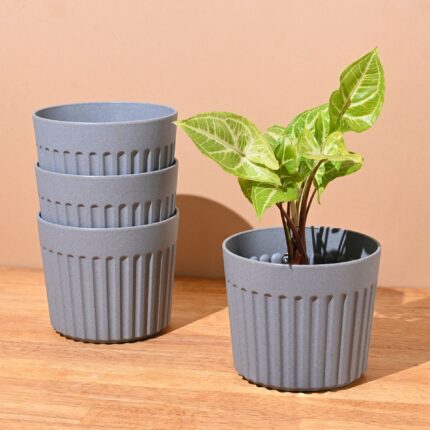
Have you ever wondered if the plastic planter holding your favorite plant is actually helping it grow or harming it without you knowing? You might be surprised to learn that not all planters are created equal when it comes to your plant’s health.
Choosing the right pot can make a big difference in how well your plants thrive. You’ll discover the hidden effects of plastic planters on your plants and what you can do to ensure your green friends stay happy and healthy.
Keep reading—you won’t want to miss these simple but powerful tips!
Types Of Plastic Planters
Plastic planters come in many types. Each type affects plants differently.
Understanding the materials helps you choose the best planter for your needs.
Common Materials Used
Most plastic planters use these materials: polypropylene, polyethylene, and PVC. Each has unique traits.
- Polypropylene:Light and durable, often used for indoor plants.
- Polyethylene:Flexible and weather-resistant, good for outdoor use.
- PVC:Rigid and sturdy, but less common due to environmental concerns.
Recycled Vs New Plastic
Planters come from recycled or new plastic. Each has pros and cons.
| Type | Advantages | Disadvantages |
| Recycled Plastic | Eco-friendly, saves resources | May be less durable |
| New Plastic | Strong, lasts longer | Uses more energy to make |
Biodegradable Options
Some plastic planters break down naturally. They reduce waste in landfills.
- Made from plant-based materials like cornstarch.
- Decompose within months in compost.
- Good choice for gardeners wanting less plastic waste.

Credit: www.reddit.com
Impact On Plant Health
Plastic planters are popular for growing plants. They are lightweight and affordable. But, there are concerns about their impact on plant health.
This article explores how plastic planters affect drainage, temperature, and chemical exposure. Understanding these factors helps in choosing the right planter for your plants.
Drainage And Root Growth
Good drainage is vital for healthy plants. Plastic planters often have limited drainage holes. This can lead to waterlogging and root rot.
Roots need space to grow. In plastic planters, they might hit the sides and curl. This can stunt growth and affect plant health.
- Check for adequate drainage holes
- Consider adding extra holes if needed
- Use a layer of gravel to improve drainage
Temperature Regulation
Plastic planters can heat up quickly in the sun. This can cause the soil to dry out fast. Plants may struggle to absorb enough water.
In cold weather, plastic does not insulate well. This can lead to temperature swings, stressing the plants.
- Place planters in partial shade to avoid overheating
- Water plants more frequently in hot weather
- Consider double potting for better insulation
Chemical Leaching Concerns
Some plastics can leach chemicals into the soil. These chemicals might harm plants. It’s crucial to check the type of plastic used in planters.
Look for planters marked as food-safe or BPA-free. These are less likely to leach harmful chemicals.
- Choose planters made from safe, non-toxic materials
- Avoid planters with strong chemical smells
- Rinse new planters before use to remove residues
Environmental Considerations
Plastic planters are common in gardening. They are light and affordable. But their impact on the environment is important to think about.
We will look at how plastic planters affect plastic waste, their durability, and better choices for the planet.
Plastic Waste And Pollution
Plastic planters can add to plastic pollution if not handled well. Many plastic pots end up in landfills or oceans. They take hundreds of years to break down.
Some plastics release harmful chemicals as they degrade. These chemicals can hurt plants, animals, and soil quality.
- Plastic waste clogs landfills
- Microplastics harm water and soil
- Improper disposal pollutes nature
Durability And Longevity
Plastic planters last a long time compared to some materials. They resist cracking and breaking in cold or hot weather.
Because they are durable, plastic pots can be reused many times. This reduces the need to buy new pots often, which can lower waste.
- Resistant to weather damage
- Light and easy to move
- Reusable for many seasons
Sustainability Alternatives
There are better options than plastic planters to protect the environment. Materials like clay, wood, and metal can last long and be natural.
Biodegradable pots made from coconut coir or peat break down safely in soil. Choosing these helps reduce plastic waste and pollution.
- Clay pots are natural and breathable
- Wooden planters can be recycled or composted
- Biodegradable pots break down in soil
- Metal pots last long and are recyclable
Care Tips For Plastic Planters
Plastic planters are popular for growing many types of plants. They are light and easy to move around. Taking good care of them helps your plants stay healthy.
Proper care includes cleaning, improving drainage, and preventing overheating. These steps keep your plants happy and growing well.
Cleaning And Maintenance
Clean plastic planters regularly to stop mold and pests. Use mild soap and water to wash them. Avoid harsh chemicals that can harm plants.
Rinse the planter well after cleaning. Let it dry completely before adding soil or plants again. This keeps the planter fresh and safe for your plants.
Improving Drainage
Good drainage is important in plastic planters. Too much water can cause root rot. Make sure your planter has holes at the bottom.
Add small stones or broken pottery pieces at the bottom. This helps water flow out easily. Use well-draining soil to keep roots healthy.
- Check drainage holes are not blocked
- Use gravel or small stones inside
- Choose soil that drains well
Preventing Overheating
Plastic planters can get hot in strong sunlight. Heat can damage plant roots. Place planters where they get some shade during the hottest hours.
Use light-colored planters to reflect sunlight. Adding a layer of mulch on top of the soil helps keep roots cool and moist.
- Move planters to shaded spots in summer
- Choose light colors to reduce heat
- Cover soil with mulch to keep moisture
Comparing Plastic With Other Planters
Choosing the right planter affects plant health and growth. Plastic planters are popular, but other materials also work well.
This section compares plastic planters with ceramic, clay, metal, and wood options. Learn the benefits and downsides of each type.
Ceramic And Clay
Ceramic and clay pots are heavy and porous. They let air and water pass through, which helps roots breathe. These pots keep soil dry but can break easily.
- Good air circulation
- Keep soil from staying too wet
- Fragile and can crack in cold weather
- Heavier to move around
Metal And Wood
Metal planters last long but can heat up in the sun, which may hurt plants. Wood planters look natural and keep roots cool. Both need care to avoid rust or rot.
| Planter Type | Advantages | Disadvantages |
|---|---|---|
| Metal | Durable, sleek look | Gets hot, may rust |
| Wood | Natural look, good insulation | Can rot, needs treatment |
Pros And Cons
| Material | Pros | Cons |
|---|---|---|
| Plastic | Lightweight, affordable, retains moisture | Can cause poor air flow, may degrade in sun |
| Ceramic & Clay | Porous, good air flow, attractive | Heavy, fragile, dries out soil fast |
| Metal | Strong, long-lasting | Overheats, can rust |
| Wood | Insulates roots, natural look | Needs maintenance, can rot |

Credit: www.reddit.com
Credit: eha.eco
Frequently Asked Questions
Are Plastic Planters Harmful To Plant Growth?
Plastic planters are generally safe for plants if they have proper drainage. They retain moisture well, which benefits some plants. However, poor drainage can cause root rot. Choosing high-quality, BPA-free plastic reduces risks. Overall, plastic planters are not harmful when used correctly.
Do Plastic Planters Affect Soil Quality?
Plastic planters do not directly affect soil quality. However, they can retain moisture longer, which may impact soil aeration. Proper watering and occasional soil replacement ensure healthy soil. Using organic soil amendments helps maintain nutrient balance in plastic containers.
Can Plastic Planters Cause Root Damage?
Plastic planters rarely cause root damage if they have drainage holes. Roots need air and water to grow properly. Lack of drainage in plastic pots can suffocate roots. Using breathable liners or pots with holes prevents root problems.
Are Plastic Planters Eco-friendly For Gardening?
Plastic planters are less eco-friendly than natural materials due to their production and disposal impact. However, durable plastic pots can be reused multiple times. Recycling plastic planters reduces environmental harm. Choosing recycled plastic options improves sustainability.
Conclusion
Plastic planters can be good or bad for plants. It depends on the type of plastic and care given. Some plastics hold water well but may trap heat. Others allow better air flow but dry faster. Choose planters that fit your plant’s needs.
Watch your plants closely to see how they respond. Change planters if plants show stress or poor growth. Simple care and smart choices help plants thrive in any pot. Remember, good plant health comes from more than just the planter.