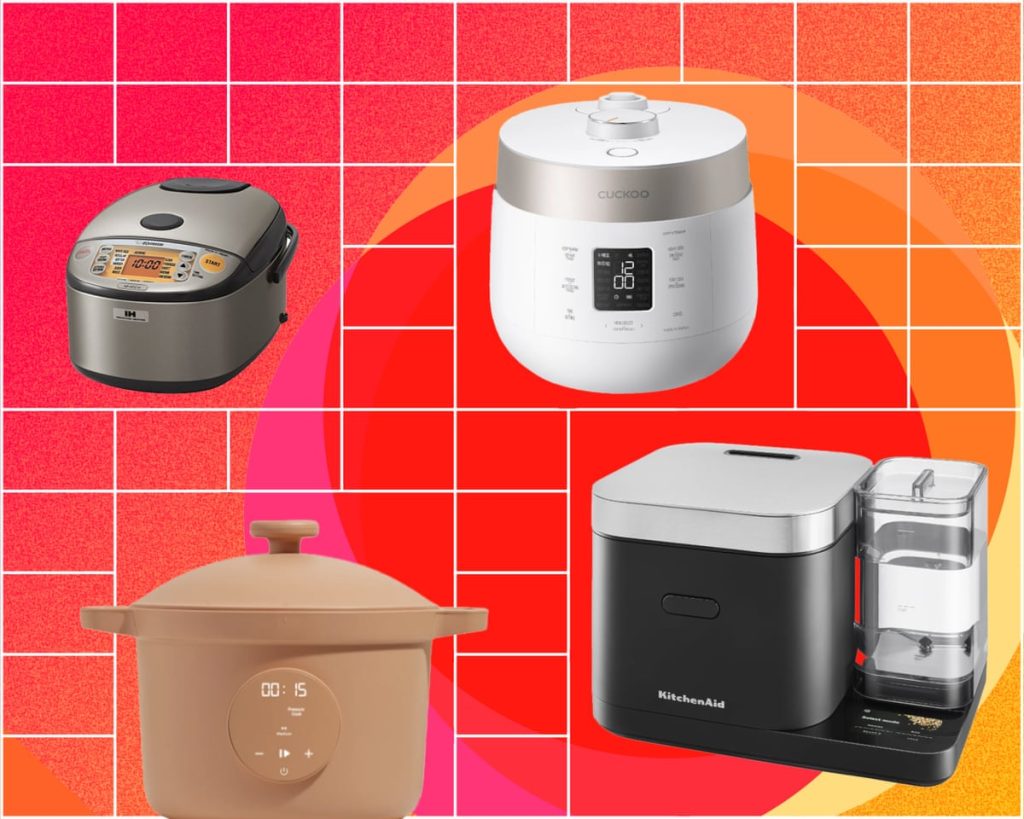
Are you wondering if your rice cooker can double as a pressure cooker? It’s a common question because both appliances seem similar but serve different purposes.
Understanding the difference can save you time, money, and frustration in the kitchen. Keep reading to discover how these two devices work, whether you can use one in place of the other, and which one suits your cooking needs best.
By the end, you’ll feel confident about choosing the right tool for your meals.
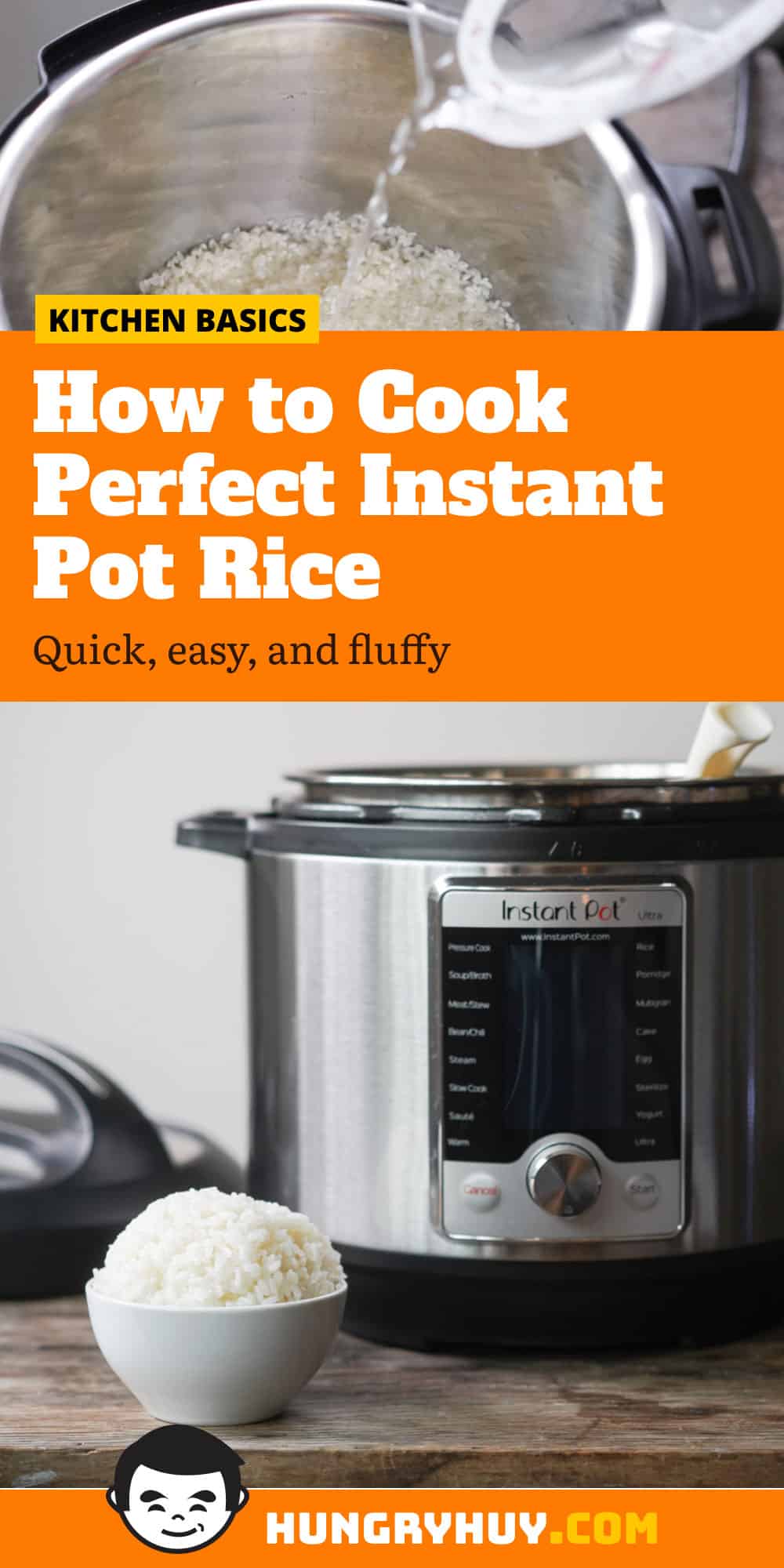
Credit: www.hungryhuy.com
Rice Cookers Vs Pressure Cookers
Rice cookers and pressure cookers are common kitchen tools. Both help cook food faster. They work differently and serve different purposes.
Understanding their differences helps you choose the right one for your cooking needs.
Basic Functions Compared
Rice cookers mainly cook rice perfectly. They keep rice warm after cooking. Some models also steam vegetables or cook porridge.
Pressure cookers cook many types of food fast. They use high pressure to cook tough foods like beans and meat quickly.
- Rice cookers focus on cooking rice and similar grains
- Pressure cookers handle a wide variety of foods
- Rice cookers keep food warm after cooking
- Pressure cookers cook under high pressure for speed
Cooking Mechanisms Explained
Rice cookers use simple heat and sensors. They heat water to boil and steam the rice. The cooker stops cooking when water is gone.
Pressure cookers seal tightly to trap steam. This raises pressure inside. The higher pressure raises the boiling point of water. Food cooks faster under this high heat and pressure.
| Feature | Rice Cooker | Pressure Cooker |
|---|---|---|
| Cooking Method | Boils and steams rice | Uses steam under high pressure |
| Pressure Level | Normal atmospheric pressure | High pressure inside sealed pot |
| Typical Use | Cooking rice and grains | Cooking beans, meat, stews fast |
| Keep Warm | Yes, automatic keep warm feature | No, usually no keep warm |

Credit: www.msn.com
How Rice Cookers Work
Rice cookers are kitchen tools that make cooking rice easy. They use heat and moisture to cook rice evenly. Understanding how they work helps you use them better.
Most rice cookers can cook rice without needing much attention. They change the cooking process automatically by sensing temperature and time.
Heating Methods
Rice cookers use different ways to heat rice. The heating method affects how fast and evenly rice cooks. The two main types are:
- Bottom heating, which uses a heating plate under the pot.
- Micom heating, which uses a microcomputer to control heat.
Temperature Control
Temperature control is key for perfect rice. Rice cookers sense when water boils and adjust heat. They stop cooking once rice is done.
| Phase | Temperature Range | Function |
| Heating | Up to 212°F (100°C) | Boils water and cooks rice |
| Keep Warm | 140-160°F (60-70°C) | Keeps rice warm without overcooking |
Types Of Rice Cookers
Rice cookers come in many types. Each has unique features and ways to cook rice.
- Basic rice cookers: Simple heating and automatic shutoff.
- Micom rice cookers: Use microcomputer chips for precise cooking.
- Induction cookers: Heat rice by magnetic induction for even heat.
- Pressure cookers: Cook rice faster using pressure and steam.
How Pressure Cookers Work
Pressure cookers use steam to cook food faster than regular pots. They trap steam inside, raising the pressure and temperature.
This process helps cook food evenly and saves energy. Understanding how they work can help you use them safely.
Pressure And Temperature
Inside a pressure cooker, steam builds up and increases pressure. This pressure raises the boiling point of water above 100°C (212°F).
Higher temperature cooks food faster and breaks down tough fibers. The cooker maintains this heat until cooking is done.
Sealing System
The sealing system keeps steam inside the pot. It uses a rubber or silicone gasket around the lid.
- The gasket fits tightly to prevent steam from escaping.
- The lid locks securely in place during cooking.
- Pressure valves release excess steam safely.
Safety Features
| Safety Feature | Function |
|---|---|
| Pressure Release Valve | Releases extra steam to avoid high pressure |
| Locking Lid | Prevents opening when pressure is high |
| Gasket Release | Allows steam to escape if valves fail |
These features keep you safe by controlling pressure and preventing accidents during cooking.
Key Differences To Note
Rice cookers and pressure cookers are common kitchen appliances. They look similar but work differently.
Knowing how they differ helps you choose the right tool for your cooking needs.
Cooking Speed
Pressure cookers cook food faster by using high pressure. They reduce cooking time a lot.
Rice cookers use steady heat and steam. They take longer to cook rice and other grains.
- Pressure cookers: Fast cooking, saves time
- Rice cookers: Slower cooking, gentle heat
Food Texture And Taste
Pressure cookers make food tender quickly. Some foods may be softer than usual.
Rice cookers give rice a fluffy, even texture. They keep the grains separate and soft.
- Pressure cookers: Softer texture, good for tough foods
- Rice cookers: Fluffy rice, perfect grain texture
Versatility In Cooking
Pressure cookers cook many foods like meat, beans, soups, and stews. They have multiple uses.
Rice cookers mainly cook rice and some grains. Some models can steam vegetables or cook porridge.
- Pressure cookers: Multi-use, cooks various dishes
- Rice cookers: Mostly for rice, limited extra functions
Can Rice Cookers Function As Pressure Cookers?
Rice cookers and pressure cookers are common kitchen appliances. They both cook food using heat and steam. Some people wonder if rice cookers can replace pressure cookers.
Rice cookers are mainly designed to cook rice and similar grains. Pressure cookers use high pressure to cook food faster and more thoroughly. Let’s explore if rice cookers can work like pressure cookers.
Limitations Of Rice Cookers
Rice cookers do not build up enough pressure to cook food quickly like pressure cookers. They use lower temperatures and steam for cooking rice. This means they cannot cook tougher foods that need high pressure.
Rice cookers also lack safety features found in pressure cookers. Pressure cookers have locking lids and pressure release valves. Rice cookers usually do not have these parts, so they cannot safely handle high pressure.
- Cannot reach high pressure levels
- Lower cooking temperatures
- Do not cook tough meats or beans well
- Missing pressure cooker safety features
Available Multi-function Models
Some kitchen appliances combine rice cooking and pressure cooking in one device. These multi-function cookers can switch between modes. They offer the convenience of cooking rice and other dishes under pressure.
These models have built-in safety features like locking lids. They can cook food faster than a normal rice cooker. Users can select rice cooker mode or pressure cooker mode based on their needs.
- Cook rice with standard steam settings
- Use pressure mode for soups, stews, and meats
- Safety locks and pressure release valves included
- Programmable settings for different foods
Benefits Of Pressure Cooking
Pressure cooking uses high heat and steam to cook food fast. Many rice cookers have this feature. It helps save time and energy in the kitchen.
Pressure cooking keeps more vitamins and minerals in your food. It also uses less electricity than regular cooking methods.
Nutrient Retention
Pressure cooking seals in nutrients by cooking food quickly. It stops vitamins from breaking down in heat and water.
Foods like vegetables and grains keep more minerals and vitamins. This makes meals healthier and more nutritious.
- Less water needed, so fewer nutrients are lost
- Shorter cooking time protects heat-sensitive vitamins
- Sealed environment keeps vitamins inside the food
Energy Efficiency
Pressure cookers use high pressure to cook food faster. This means they use less energy than traditional pots.
Rice cookers with pressure settings cut cooking time. They help reduce electricity bills and lower your kitchen’s carbon footprint.
- Faster cooking saves electricity
- Less heat escapes during cooking
- Uses steam pressure to cook evenly and quickly
Choosing The Right Appliance
Rice cookers and pressure cookers look similar but serve different purposes. Picking the right one depends on your cooking style and meals.
Understanding how each appliance works helps you decide which fits your kitchen needs best.
Cooking Needs Assessment
Think about the types of food you cook most often. Rice cookers are mainly for cooking rice and some grains.
Pressure cookers cook food faster and can handle tougher ingredients like beans and meat. Choose based on what you cook daily.
- Rice cooker: best for rice, quinoa, and steaming vegetables
- Pressure cooker: good for stews, soups, beans, and tougher meats
- Consider how much time you want to spend cooking
- Think about the size of your family or meal portions
Budget Considerations
Rice cookers usually cost less than pressure cookers. Decide how much you want to spend before buying.
More features often mean a higher price. Basic models are cheaper and easier to use, while advanced ones offer more cooking options.
- Set a budget that fits your kitchen needs
- Check if the appliance offers the features you want
- Consider long-term savings from faster cooking times
- Look for energy-efficient models to save electricity

Credit: www.amazon.com
Frequently Asked Questions
Is A Rice Cooker A Pressure Cooker?
No, rice cookers and pressure cookers are different appliances. Rice cookers use steam to cook rice, while pressure cookers use high pressure to cook food faster. Each serves a distinct purpose in the kitchen.
Can Rice Cookers Work Like Pressure Cookers?
Rice cookers cannot function like pressure cookers. They lack the ability to build high pressure. Pressure cookers cook food faster due to this high pressure, which rice cookers cannot achieve.
What Are The Main Differences Between Them?
The main difference is in their cooking methods. Rice cookers use steam to cook, while pressure cookers use high pressure. Pressure cookers are more versatile, allowing for quicker cooking of various dishes.
Are Pressure Cookers Better For Cooking Rice?
Pressure cookers can cook rice faster than rice cookers. However, rice cookers are specifically designed for rice, ensuring perfect texture and consistency. It depends on personal preference and cooking needs.
Conclusion
Rice cookers and pressure cookers serve different purposes. Rice cookers focus on cooking rice perfectly. Pressure cookers cook food faster using high pressure. Some rice cookers have pressure functions, but not all. Choose the right appliance based on your cooking needs.
Understanding the difference helps you cook better meals. Both tools make cooking easier in their own way. Now you know how each one works and what to expect.