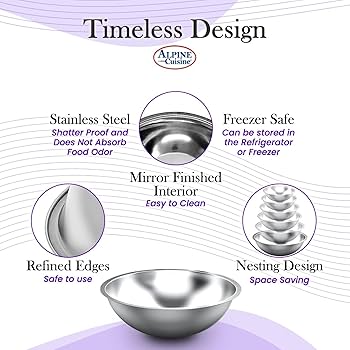
Are you wondering if stainless steel mixing bowls are truly safe for you and your family? You use them every day for cooking and baking, but do you know what’s really inside those shiny bowls?
Understanding the safety of your kitchen tools is important for your health and peace of mind. You’ll discover the facts about stainless steel mixing bowls, why they might be safer than you think, and what to watch out for. Keep reading to make sure your kitchen stays a safe place for every meal you create.
Health Benefits Of Stainless Steel Bowls
Stainless steel mixing bowls are common in kitchens worldwide. Many wonder if they are safe and healthy to use for food preparation.
This article looks at two important health benefits of stainless steel bowls. These benefits help keep your food safe and free from harmful substances.
Non-toxic Material Composition
Stainless steel is made from iron, chromium, and other metals. It does not contain harmful chemicals like BPA or lead found in some plastics.
- Does not leach toxic substances into food
- Does not react with acidic or hot foods
- Safe for storing and mixing all food types
- Resistant to rust and corrosion
Resistance To Bacterial Growth
Stainless steel has a smooth surface that stops bacteria from sticking easily. This reduces the risk of food contamination.
| Feature | Benefit |
| Non-porous surface | Prevents bacteria buildup |
| Easy to clean | Maintains hygiene |
| Durable material | Withstands regular washing |
Common Safety Concerns
Stainless steel mixing bowls are popular in kitchens. People often ask if they are safe to use. Some worry about metals getting into food. Others think scratches might cause problems.
This section looks at common safety concerns. It focuses on metal leaching and the effect of scratches and wear.
Metal Leaching Risks
Metal leaching means tiny amounts of metal can pass into food. Stainless steel contains iron, chromium, and nickel. These metals are usually safe. But acid or salty foods may increase leaching slightly.
- New stainless steel bowls have a strong protective layer.
- Acidic foods like lemon or tomato can wear this layer.
- Long contact time may raise metal levels in food.
- People with metal allergies should be cautious.
- Using high-quality stainless steel reduces risks.
Impact Of Scratches And Wear
Scratches and wear can affect bowl safety. Deep scratches might expose metals. This can increase metal leaching. Worn bowls may also trap bacteria in scratches.
| Concern | Effect | Safety Tip |
|---|---|---|
| Deep Scratches | Expose metal surface | Replace heavily scratched bowls |
| Worn Protective Layer | More metal leaching | Use gentle cleaning methods |
| Bacteria Traps | Hard to clean | Inspect bowls regularly |
Expert Opinions On Safety
Stainless steel mixing bowls are popular in kitchens worldwide. Experts study their safety closely.
Understanding expert views helps you choose safe kitchen tools. Let’s explore key safety topics.
Food Safety Standards Compliance
Experts say stainless steel bowls meet strict food safety standards. They resist rust and corrosion.
- They do not leach harmful chemicals into food.
- Many meet FDA and EU safety regulations.
- Stainless steel is non-porous, reducing bacteria buildup.
- It withstands cleaning at high temperatures without damage.
Long-term Usage Effects
Experts also study how stainless steel bowls perform over time. The material is durable and safe.
| Usage Factor | Expert Opinion |
|---|---|
| Repeated washing | Does not wear down or release metals. |
| Exposure to acidic foods | Minimal effect on the bowl’s surface. |
| Heat resistance | Maintains integrity even under high heat. |
| Physical damage (dents or scratches) | May affect appearance but not safety. |
Credit: www.cuisinart.com
Comparing Stainless Steel To Other Materials
Stainless steel mixing bowls are popular in many kitchens. They are known for their durability and safety.
Other materials like plastic, glass, and ceramic also have their uses. This section compares them to stainless steel.
Plastic Vs Stainless Steel
Plastic bowls are lightweight and cheap. They come in many colors and designs.
Stainless steel is stronger and lasts longer. It does not absorb smells or stains like plastic can.
- Plastic can scratch easily and hold bacteria.
- Stainless steel resists scratches and is easier to clean.
- Plastic may warp with heat, stainless steel does not.
- Stainless steel is often dishwasher safe.
Glass And Ceramic Alternatives
Glass and ceramic bowls look nice and do not react with food. They are good for mixing and serving.
They are heavier and can break if dropped. Stainless steel is lighter and more durable.
- Glass and ceramic can chip or crack easily.
- Stainless steel can handle rough use and drops.
- Glass lets you see contents clearly, stainless steel does not.
- Both glass and ceramic are safe for microwave use; stainless steel is not.
Tips For Safe Use And Maintenance
Stainless steel mixing bowls are common in kitchens. They last long and resist rust.
To keep them safe and clean, follow some simple use and care tips. This helps avoid problems.
Proper Cleaning Techniques
Clean bowls after each use to stop germs and stains. Use warm water and mild soap.
Avoid harsh cleaners or steel wool. These can scratch the surface and cause damage.
- Wash with a soft sponge or cloth
- Rinse well to remove soap
- Dry immediately to prevent water spots
- For tough stains, use baking soda paste
- Do not soak for a long time
Avoiding Damage And Contamination
Do not use metal utensils that can scratch the bowl. Scratches allow bacteria to hide.
Keep bowls away from acidic foods for a long time. Acids can harm the steel surface.
- Use wooden or silicone utensils
- Do not store salty or acidic food in bowls for hours
- Check for dents or cracks and replace if damaged
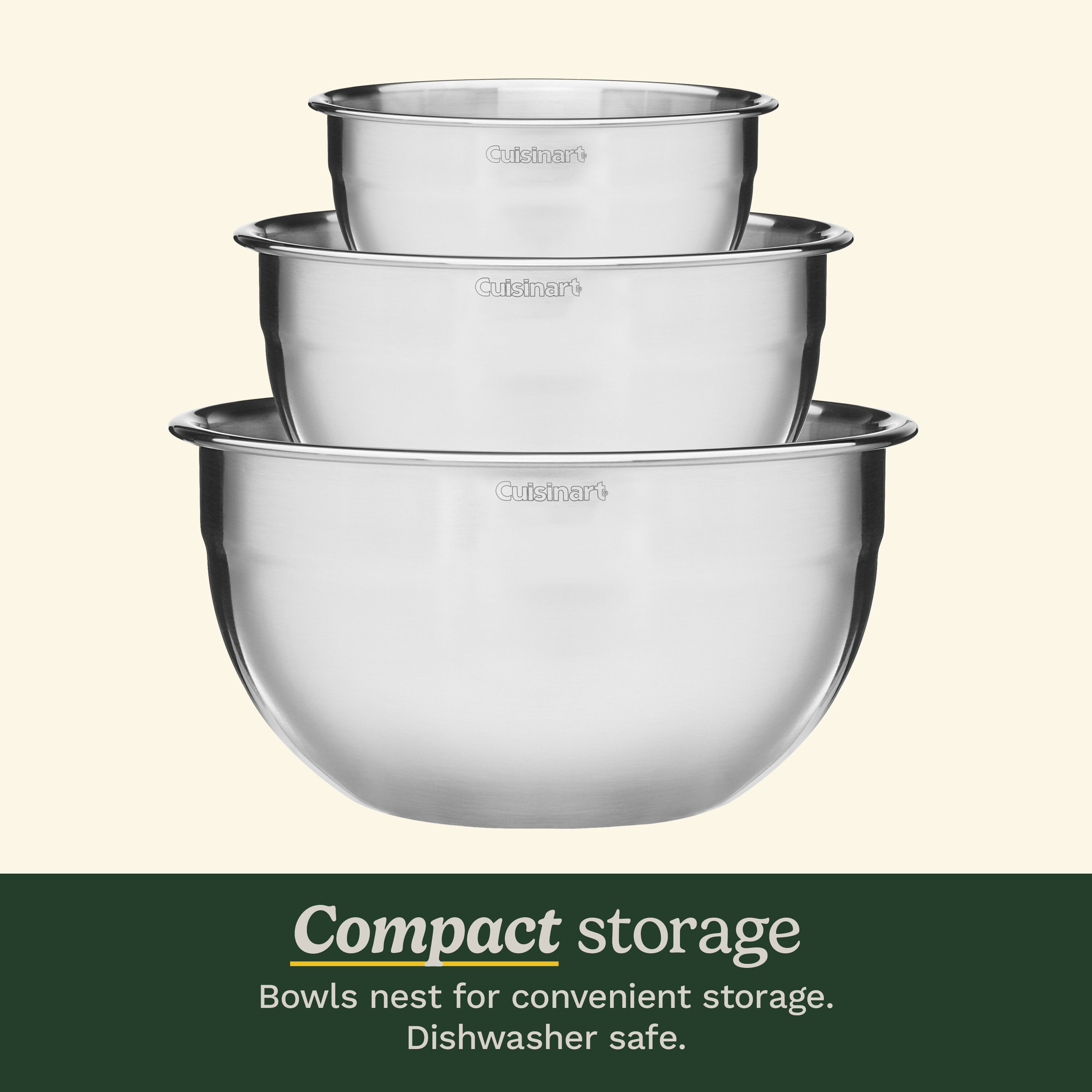
- Store bowls dry and stacked to avoid dents

Credit: www.amazon.ca
Credit: medium.com
Frequently Asked Questions
Are Stainless Steel Mixing Bowls Safe For Food?
Yes, stainless steel mixing bowls are safe for food. They are non-reactive and don’t leach harmful chemicals. Stainless steel is durable, resistant to corrosion, and easy to clean. It is widely used in kitchens for its safety and reliability. Always ensure the bowls are food-grade quality.
Do Stainless Steel Bowls Affect Taste?
No, stainless steel bowls do not affect taste. They are non-reactive and do not interact with food. This makes them ideal for mixing and storing various ingredients. Their neutral nature ensures that the flavor and quality of your food remain unchanged.
Can Stainless Steel Bowls Go In The Freezer?
Yes, stainless steel bowls can go in the freezer. They are safe for freezing food and resist temperature changes well. Their sturdy construction prevents cracking or warping, making them ideal for storing leftovers. Just ensure the bowl is covered to avoid freezer burn.
Are Stainless Steel Bowls Microwave Safe?
No, stainless steel bowls are not microwave safe. Metal reflects microwave radiation, causing sparks and damage to the microwave. Always use microwave-safe containers for heating food. Stainless steel is best for mixing and storing, not for microwaving.
Conclusion
Stainless steel mixing bowls offer great safety for everyday cooking. They do not react with food or release harmful chemicals. These bowls last long and resist rust and stains. Cleaning them is simple and fast. Safe for all types of recipes, they suit many kitchen tasks.
Choosing stainless steel means picking a healthy and durable option. Trust these bowls to keep your food safe and tasty. A smart choice for any home cook.