
Are you storing your Cabernet Sauvignon the right way? If you’ve ever wondered whether to pop this bold red wine into the fridge or leave it at room temperature, you’re not alone.
The way you store your wine can drastically affect its taste and aroma, and no one wants to miss out on the full experience of a good bottle. In this guide, we’ll unravel the mystery and give you the secrets to savoring every sip of your Cabernet Sauvignon.
Get ready to discover the ideal way to store this popular wine and enhance your wine-drinking experience. You might be surprised at what you learn!
When To Chill Cabernet Sauvignon
Knowing when to chill Cabernet Sauvignon enhances its flavor and aroma. The right temperature depends on the wine’s age and your taste preference. Serving it too warm or too cold can hide its best qualities. Understanding ideal serving temperatures and differences between young and aged wines helps you enjoy every sip.
Ideal Serving Temperature
Cabernet Sauvignon tastes best between 60°F and 65°F (15°C to 18°C). This temperature brings out rich flavors and smooth tannins. Slightly chilling the wine before serving helps achieve this range. Avoid serving it too cold, below 55°F (13°C), which dulls the taste. Room temperature Cabernet often feels too warm, masking delicate notes.
Differences Between Young And Aged Wines
Young Cabernet Sauvignon benefits from a bit more chilling, around 55°F to 60°F (13°C to 15°C). It softens the strong tannins and fresh fruit flavors. Aged Cabernet prefers a warmer serving temperature, closer to 60°F to 65°F (15°C to 18°C). This warmer temperature unlocks complex aromas and smooths the wine’s texture. Adjust chilling based on the wine’s age for the best experience.
Benefits Of Refrigerating Cabernet Sauvignon
Refrigerating Cabernet Sauvignon offers several benefits that enhance your wine experience. Cooler temperatures help keep the wine fresh and tasty for longer periods. This simple step protects the wine’s natural qualities and prevents it from spoiling quickly.
Preserving Flavor And Aroma
Chilling Cabernet Sauvignon slows down the chemical reactions that change its flavor. The wine keeps its fruity, rich, and complex notes better when stored cold. Aromas stay vibrant, making each sip more enjoyable. Warm temperatures can cause the wine to lose these qualities fast.
Slowing Down Oxidation
Oxidation happens when wine meets air, causing it to go bad. Refrigeration slows this process significantly. The cold environment helps maintain the wine’s color and taste. It extends the life of your bottle after opening. This means you can enjoy your Cabernet for days without losing quality.
How To Refrigerate Properly
Proper refrigeration helps maintain the flavor and aroma of Cabernet Sauvignon. It slows down oxidation and keeps the wine fresh for longer. Follow the right steps to store your wine in the fridge without harming its quality.
Preparing The Bottle
Seal the bottle tightly with its cork or a wine stopper. Avoid using plastic wrap or loose covers. Clean the bottle neck to prevent any residue or dust from entering. Place the bottle upright to minimize the surface area exposed to air. This reduces oxidation and preserves taste.
Recommended Storage Duration
Keep the refrigerated Cabernet Sauvignon for up to 3-5 days. After opening, wine begins to lose its flavor quickly. Drink it within this time to enjoy the best taste. Avoid storing wine in the fridge for weeks. Long storage can dull the wine’s complexity and aroma.
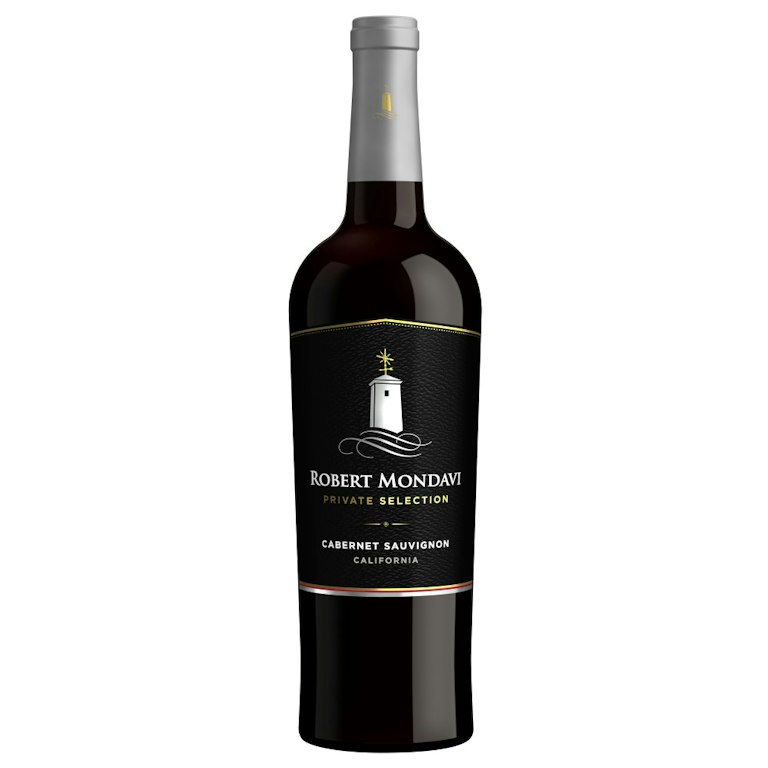
Credit: www.gianteagle.com
Alternatives To Refrigeration
Refrigeration is not the only way to keep your Cabernet Sauvignon fresh. Several other methods help maintain the wine’s flavor and quality. These alternatives can be easier and more practical for long-term storage or daily use.
Cellar Storage Tips
Storing wine in a cellar keeps it cool and dark. Ideal temperature ranges from 50°F to 59°F (10°C to 15°C). Avoid places with temperature changes or strong light. Keep bottles lying down to keep corks moist. Moist corks stop air from ruining the wine. Use a hygrometer to check humidity. Aim for 60% to 70% humidity to prevent corks from drying out. Store bottles away from vibrations. Constant movement can spoil the wine’s taste.
Using Wine Coolers
Wine coolers offer a controlled environment for Cabernet Sauvignon. They keep wine at a steady temperature around 55°F (13°C). These coolers have adjustable shelves for bottle size. They reduce light exposure with tinted glass doors. Wine coolers also control humidity to protect corks. They are smaller and more convenient than cellars. Perfect for those without extra space at home.
Common Mistakes To Avoid
Handling your Cabernet Sauvignon the right way can make a big difference in how it tastes. Many wine lovers accidentally make mistakes that affect the wine’s flavor and aroma. Knowing what to avoid helps you enjoy every sip as it was meant to be.
Overchilling Effects
Chilling Cabernet Sauvignon too much can mute its rich flavors and aromas. Unlike white wines, this red wine thrives at a slightly cooler than room temperature, around 55-65°F (13-18°C). If you cool it below this, you might notice the wine tasting flat or overly tannic.
I once cooled a Cabernet in the fridge overnight and was surprised by how dull the taste was. It took time to warm up again before the flavors came alive. Have you ever experienced your wine tasting “off” right after taking it out of the fridge?
Rapid Temperature Changes
Sudden shifts from cold to warm can shock your Cabernet Sauvignon. This quick change can cause the wine to develop off-flavors or even spoil faster. Avoid moving the bottle straight from the fridge to a warm room or pouring it immediately into a glass.
Instead, let your wine slowly adjust to the room temperature. A gradual change helps preserve its balance and complexity. Think about how you handle your favorite foods—would you microwave a chilled steak? Treat your wine with the same care.
Credit: www.gianteagle.com
Serving Tips After Refrigeration
After chilling your Cabernet Sauvignon, serving it properly can make all the difference in enjoying its rich flavors. Knowing how to bring the wine to the right temperature and preparing it for tasting enhances the experience. Let’s look at some easy ways you can serve your Cabernet to get the best taste after refrigeration.
Allowing Wine To Warm Up
Cabernet Sauvignon is best served slightly below room temperature, around 60-65°F (15-18°C). If you’ve taken the bottle out of the fridge, don’t pour it immediately. Let it sit for about 15-20 minutes to warm up gently.
This short wait helps release the wine’s full aroma and flavor. Pour a small sip and notice how the taste changes as it warms. Have you ever rushed this step and found the wine too sharp or muted? Giving your wine time to breathe at the right temperature makes a noticeable difference.
Decanting For Best Taste
Decanting Cabernet Sauvignon after refrigeration can improve its character. Pour the wine slowly into a decanter to separate it from any sediment and increase oxygen exposure.
This process softens tannins and opens up complex aromas. If you don’t own a decanter, a wide glass or even a clean pitcher can work in a pinch. Try tasting the wine before and after decanting to appreciate the difference.
Have you noticed how a little air changes the flavor? Decanting can turn a chilled Cabernet into a smoother, more enjoyable drink.

Credit: www.gianteagle.com
Frequently Asked Questions
Should Cabernet Sauvignon Be Refrigerated Before Serving?
Refrigerate Cabernet Sauvignon only if you prefer it slightly chilled. Ideal serving temperature is 60-65°F (15-18°C). Room temperature enhances its complex flavors and aromas. Avoid long refrigeration to prevent dull taste and loss of aroma.
How Long Can Cabernet Sauvignon Stay In The Fridge?
Cabernet Sauvignon can stay up to 3-5 days in the fridge after opening. Use a wine stopper to maintain freshness. Beyond this, oxidation affects taste and quality, making it less enjoyable.
Does Refrigeration Affect Cabernet Sauvignon’s Flavor?
Yes, refrigeration can mute Cabernet Sauvignon’s bold flavors and aromas. Cold temperatures dull tannins and fruity notes. Let the wine warm slightly before drinking to restore its full character.
Can You Refrigerate Cabernet Sauvignon Before Aging?
No, refrigeration is not suitable for aging Cabernet Sauvignon. Proper aging requires a cool, dark place with stable temperature around 55°F (13°C). Refrigerators are too cold and dry, harming the wine’s development.
Conclusion
Cabernet Sauvignon tastes best at the right temperature. Chilling it slightly can enhance its flavors. Avoid putting it too cold or too warm. Store it in a cool, dark place before serving. Open bottles last longer when refrigerated. Enjoy your wine at a temperature between 55-65°F.
This keeps the rich taste balanced and smooth. Remember, small changes in temperature make a big difference. Serve with your favorite meal and enjoy every sip.