Are you tired of struggling to install an air conditioner in a window or dealing with the hassle of drilling holes? You’re not alone.
Many people want to keep their homes cool without the limitations of traditional window units. But what if you could enjoy cool air without needing a window at all? You’ll discover if there really are air conditioners that don’t require a window, how they work, and which options might be perfect for your space.
Keep reading—you might find the perfect solution to beat the heat, no window needed.
Types Of Air Conditioners Without Windows
Not all air conditioners need to be installed in a window. Some types cool rooms without using a window space. These options work well for places without suitable windows or where window units are not allowed.
Here are some common air conditioners that do not require windows. Each type has different features and ways to cool your space.
Portable Air Conditioners
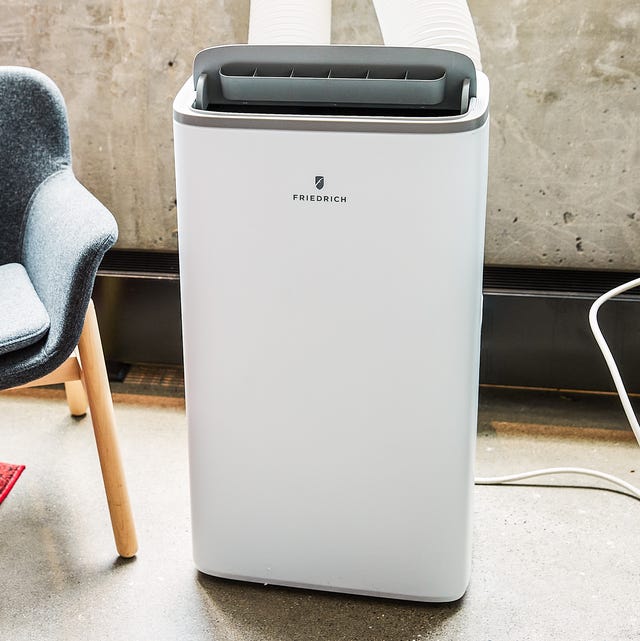
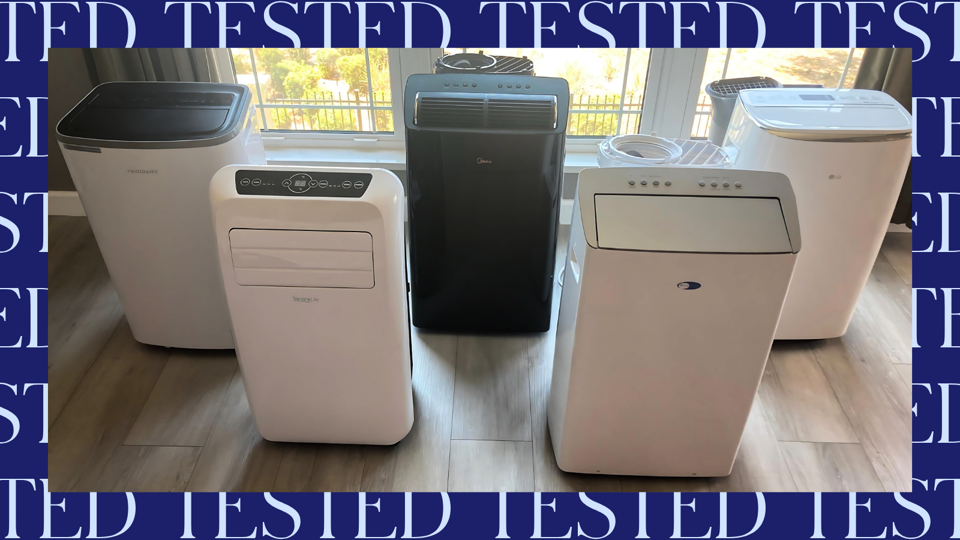
Portable air conditioners are movable units that cool a single room. They have wheels and can be moved from room to room. These units need an exhaust hose to remove hot air, which is usually vented through a small window or a wall opening.
They do not require full window installation, making them flexible for many spaces. You just need to set up the exhaust hose properly for them to work well.
Ductless Mini-split Systems
Ductless mini-split systems cool rooms without windows. These systems have two parts: an indoor unit and an outdoor compressor. The indoor unit is mounted on a wall inside the room. The outdoor part stays outside and connects to the indoor unit with small tubes.
Mini-splits do not need window space or large ducts. They cool rooms quietly and efficiently. Installation usually requires a small hole in the wall for the tubes.
Evaporative Coolers
Evaporative coolers, also called swamp coolers, use water to cool the air. They blow air through wet pads, which lowers the temperature. These coolers work best in dry climates.
They do not need windows for installation. Instead, they use natural airflow to bring fresh air inside. They are energy efficient but less effective in humid areas.
Tower Air Conditioners
Tower air conditioners are tall, slim units that cool rooms without windows. They often use water or refrigerant to cool the air. Tower units are designed for easy placement on the floor.
These coolers need a way to vent hot air, sometimes through a small vent or hose. They are good for rooms with limited space and no window access.
How Portable Air Conditioners Work
Portable air conditioners cool a room by moving warm air outside. They do not need to be installed in a window.
These units use a hose to vent hot air out of the room. They are easy to move from one space to another.
Ventilation Options
Most portable air conditioners require a way to send hot air outside. This is usually done using a vent hose.
- Window vent kits are common and simple to install.
- Sliding door adapters allow venting through doors.
- Drop ceiling vents work in some office spaces.
- Through-the-wall venting is possible with some models.
Cooling Efficiency
Portable air conditioners cool smaller spaces better than larger ones. Their efficiency depends on size and room insulation.
| Room Size (sq ft) | Recommended BTU |
| 100 – 300 | 8,000 – 10,000 |
| 300 – 500 | 12,000 – 14,000 |
| 500 – 700 | 14,000 – 16,000 |
Installation Tips
Set the portable air conditioner near a window or door for venting. Keep the hose as short and straight as possible.
- Use the included window kit for proper sealing.
- Ensure the exhaust hose is free from kinks.
- Place the unit on a flat surface for stability.
- Keep doors and windows closed to maximize cooling.
Benefits Of Ductless Mini-split Systems
Ductless mini-split systems provide an efficient way to cool your home without the need for a window unit. These systems have separate indoor and outdoor components. They connect through a small hole in the wall, avoiding the need for large window openings.
Many people choose ductless mini-splits for their energy savings, ease of installation, and quiet operation. These benefits make them a popular option for homes without suitable windows for air conditioners.
Energy Efficiency
Ductless mini-split systems use less energy than traditional window air conditioners. They allow you to cool specific rooms instead of the whole house. This targeted cooling reduces wasted energy and lowers utility bills.
- Variable speed compressors adjust cooling power
- No duct losses that happen in central systems
- High seasonal energy efficiency ratings (SEER)
- Heat pump option for year-round use
Flexible Installation
These systems can be installed in many places where window units will not fit. The indoor units mount on walls, ceilings, or floors. The small outdoor unit can be placed on the ground or roof.
| Installation Feature | Details |
| Indoor Unit Placement | Wall, ceiling, or floor mount |
| Outdoor Unit Placement | Ground, roof, or side of the building |
| Wall Opening Size | Small hole, usually 3 inches |
| No Window Needed | Yes, ideal for windowless rooms |
Quiet Operation
Ductless mini-split systems run quietly inside the home. The compressor and fan are located outside, which reduces indoor noise. This makes them suitable for bedrooms, offices, and living areas.
- Indoor units operate as low as 19 decibels
- Outdoor units produce less noise than window ACs
- Quiet performance improves comfort and focus

Credit: www.cnet.com
When To Choose Evaporative Coolers
Not all air conditioners need a window. Evaporative coolers are one option. They cool air by adding moisture.
They work best in certain conditions. Knowing when to use them helps you stay comfortable and save money.
Climate Suitability
Evaporative coolers work well in dry and hot places. They add moisture to the air, which cools you down.
In humid areas, they are less effective. The extra moisture can make the air feel sticky and uncomfortable.
- Best for dry climates with low humidity
- Not good for very humid or rainy areas
- Great for places with lots of fresh air flow
Cost Considerations
Evaporative coolers usually cost less than traditional air conditioners. They use less electricity too.
They need water to work, so water cost matters. In places with cheap water, they save money overall.
- Lower upfront cost than window AC units
- Lower electricity use, reducing bills
- Water use adds to operating cost
Maintenance Needs
Evaporative coolers need regular care. You must clean and refill water tanks often for best performance.
Filters and pads inside need checking. Keeping them clean stops bad smells and helps cool air flow.
- Refill water tank regularly
- Clean or replace cooling pads
- Check for mold or buildup often
Comparing Noise Levels And Energy Use
Some air conditioners do not need a window to work. These include portable units and mini-split systems. It is important to compare their noise levels and energy use.
Understanding these factors helps you choose the best air conditioner for your space and comfort.
Portable Vs Mini-split
Portable air conditioners are easy to move and do not need permanent installation. Mini-split systems have separate indoor and outdoor units and require professional setup.
Portable units tend to be louder because all parts are inside the room. Mini-splits are quieter since the noisy compressor stays outside.
- Portable AC noise: 50-60 decibels
- Mini-split AC noise: 40-55 decibels
- Mini-splits use less energy for the same cooling
- Portable ACs are less efficient and use more power
Evaporative Cooler Noise
Evaporative coolers use water evaporation to cool the air. They are quieter than portable ACs but may make a soft fan or water sound.
Noise levels usually range between 45 and 55 decibels. This is similar to a quiet conversation or light rain.
- Soft fan noise
- Occasional water dripping sounds
- Good for dry climates
- Uses less electricity than traditional ACs
Energy Consumption Insights
Mini-split systems are the most energy-efficient option among non-window air conditioners. They use inverter technology to save power.
Portable ACs use more electricity because they cool a small space and work harder. Evaporative coolers use the least power but only work well in dry areas.
| Type | Energy Use | Best Use |
|---|---|---|
| Mini-Split | Low to Medium | All climates |
| Portable AC | Medium to High | Small rooms |
| Evaporative Cooler | Low | Dry climates only |
Credit: www.forbes.com
Installation Without A Window
Some air conditioners do not need a traditional window for installation. These units use different methods to vent hot air outside.
This guide explains how air conditioners work without windows. It covers venting options and installation types.
Alternative Venting Solutions
Air conditioners need to push hot air outside. Without a window, you can vent through walls or ceilings.
Some options include wall sleeves, ceiling vents, or sliding door kits. These help move hot air outside safely.
- Wall vent installation with a hole cut in the wall
- Ceiling vent using ductwork to push air outdoors
- Sliding door vent kits with adjustable panels
- Portable units with flexible exhaust hoses
Professional Vs Diy Installation
Some people install air conditioners themselves. Others hire professionals for complex setups.
DIY installation can save money but may need special tools. Professionals ensure vents are sealed and safe.
- DIY works well for simple window or sliding door vents
- Professional help is best for wall or ceiling venting
- Experts reduce risk of leaks and damage
- Professionals may offer warranty and support
Common Challenges
Installing air conditioners without windows has challenges. Proper venting is the most common issue.
Other challenges include measuring vent size, sealing gaps, and managing noise. These affect performance and comfort.
- Cutting walls or ceilings can be difficult
- Wrong vent size reduces cooling efficiency
- Gaps may let hot air back inside
- Noise from vent hoses can disturb users
Cost And Maintenance Factors
Air conditioners that do not require a window offer flexible cooling options. Understanding their cost and upkeep is important before buying.
This guide covers the initial investment, running costs, and maintenance tips for these units.
Initial Investment
These air conditioners usually cost more than window models. Prices vary by type and brand.
- Portable AC units range from $300 to $700.
- Ductless mini-split systems can cost $1,000 to $3,500.
- Installation fees may apply for some models.
Running Costs
Electricity use depends on the unit’s efficiency and size. Some units use more power than window ACs.
| Type | Average Monthly Cost | Energy Efficiency |
| Portable AC | $30 – $50 | Medium |
| Ductless Mini-Split | $20 – $40 | High |
| Window AC | $25 – $45 | Medium |
Routine Maintenance Tips
Regular care keeps your air conditioner working well and saves money over time.
- Clean or replace filters every month during use.
- Check and clean the condenser coils twice a year.
- Keep the area around the unit free from dust and debris.
- Schedule professional servicing annually for mini-splits.
User Reviews And Recommendations
Many people want air conditioners that do not need a window. These units offer more flexibility in placement. User reviews help us understand how well these units work in real homes.
This article shares popular models, user stories, and the best choices for different needs. It will help you find the right air conditioner without a window.
Top Rated Models
Some air conditioners do not require a window and get good reviews. Portable and ductless mini-split models are common types. Users rate these models for cooling power and ease of use.
- Portable air conditioners with exhaust hoses
- Ductless mini-split air conditioners
- Evaporative coolers for dry climates
Customer Experiences
Users often mention the ease of moving portable ACs between rooms. Many say mini-splits cool rooms quietly and efficiently. Some note that evaporative coolers work well only in dry areas.
| Model | Pros | Cons |
|---|---|---|
| Portable AC | Easy to move, no window needed | Needs vent hose, can be noisy |
| Ductless Mini-Split | Quiet, energy efficient | Higher cost, requires installation |
| Evaporative Cooler | Low energy use, adds humidity | Only for dry climates |
Best Choices For Different Needs
Choosing the right air conditioner depends on your space and budget. Portable units fit small rooms and renters. Mini-splits suit larger spaces and long-term use. Evaporative coolers work best in hot, dry places.
- For renters: Portable AC with flexible venting
- For quiet and efficient cooling: Ductless mini-split
- For dry climates: Evaporative cooler

Credit: www.goodhousekeeping.com
Frequently Asked Questions
What Types Of Air Conditioners Don’t Need Windows?
Portable and ductless mini-split air conditioners don’t require windows. Portable units vent through a wall or door. Mini-splits use an outdoor compressor with indoor units, eliminating window installation entirely.
How Do Portable Air Conditioners Work Without A Window?
Portable ACs use an exhaust hose to vent hot air outside. The hose can be directed through a wall, door, or specially designed vent kit. This setup cools the room without needing a traditional window.
Are Ductless Mini-split Acs Efficient For Windowless Rooms?
Yes, ductless mini-split ACs are highly efficient for rooms without windows. They provide targeted cooling, use less energy, and offer flexible installation without bulky window units.
Can Air Conditioners Cool Rooms Without External Ventilation?
Most air conditioners require ventilation for hot air removal. However, evaporative coolers can cool without external vents but work best in dry climates. True AC units typically need some form of exhaust.
Conclusion
Exploring air conditioners without windows opens up new options. These units offer flexibility. Portable air conditioners and ventless coolers are key examples. They fit in rooms without windows. Both have unique features. Portable units need a small vent. Ventless ones rely on water for cooling.
Each type has its pros and cons. Consider room size and cooling needs. Make an informed choice. Comfort in every corner of your home is possible. Remember, options exist beyond traditional window units. Cool air is within reach. Just find the right solution for your space.