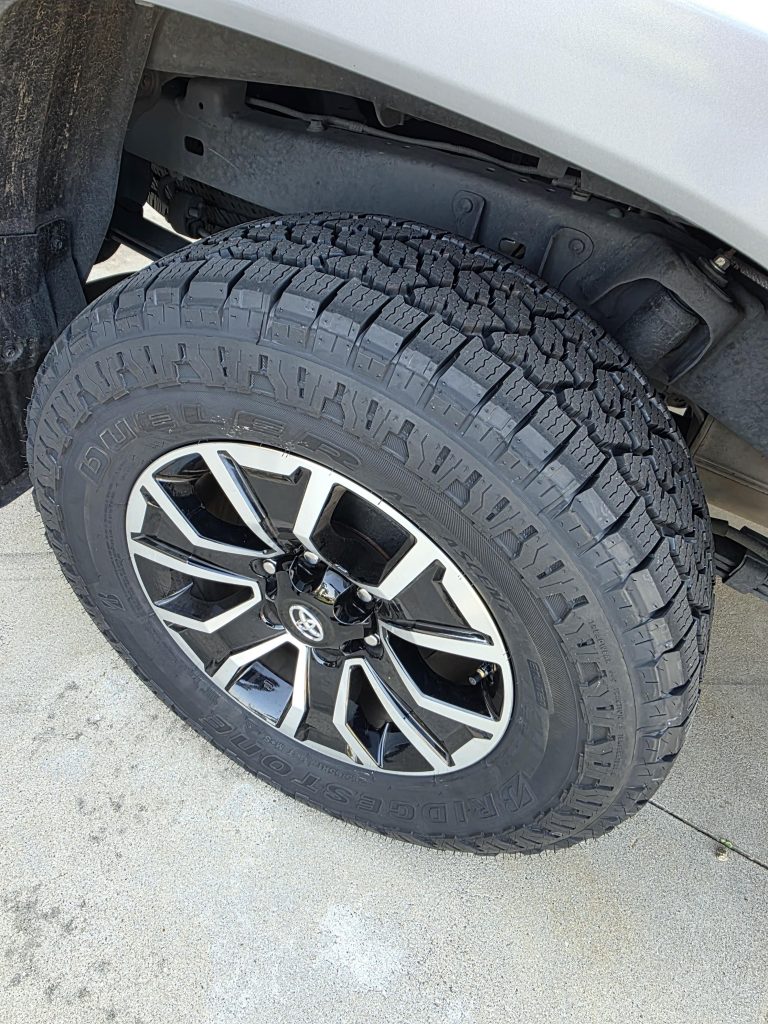
When you buy a new car, you expect a lot—comfort, safety, and peace of mind. But what about your tires?
You might wonder, are tires covered under warranty on a new car? Knowing the answer can save you money and frustration down the road. Tires wear out, get damaged, or sometimes just don’t perform as expected. If you don’t understand your warranty coverage, you could be paying for repairs or replacements that might actually be covered.
Keep reading to discover what’s really included in your new car’s warranty and how to protect your investment.
Tire Warranty Basics
Tires are a key part of your new car. They help with safety and performance. Knowing about tire warranties helps you protect your investment.
Tire warranties differ by brand and type. They cover certain problems and last for set times or distances.
Types Of Tire Warranties
Tire warranties can cover many issues. These warranties usually fall into a few common types.
- Manufacturer’s Defect Warranty:Covers faults in material or workmanship.
- Tread Life Warranty:Covers tire wear for a certain mileage.
- Road Hazard Warranty:Covers damage from potholes, nails, or debris.
- Uniformity Warranty:Covers issues like vibration or uneven wear.
Warranty Duration And Coverage
Tire warranties have specific time limits and mileage limits. These define how long the warranty stays valid.
| Warranty Type | Duration | Coverage Details |
|---|---|---|
| Manufacturer’s Defect | Typically 5 years | Repairs or replaces defective tires |
| Tread Life | 20,000 to 80,000 miles | Pro-rated tire replacement based on wear |
| Road Hazard | 1 to 3 years | Repairs or replaces tires damaged by road hazards |
| Uniformity | Up to 2 years | Fixes vibration or balance problems |

Credit: www.reddit.com
Manufacturer Vs Dealer Warranties
When you buy a new car, you might wonder if the tires are covered under warranty. Tires are important for safety and performance. Understanding the difference between manufacturer and dealer warranties helps you know what protection you have.
Tire coverage can come from the tire maker or the car dealer. Each has its own rules and limits. Knowing these can save you money and trouble later.
Role Of Tire Manufacturers
Tire manufacturers provide warranties that cover defects and early wear. These warranties usually last for a certain number of miles or years. They promise to replace or repair tires if problems happen under normal use.
Manufacturer warranties often include coverage for:
- Defects in materials or workmanship
- Premature tread wear
- Road hazard protection (sometimes)
Dealer Warranty Policies
Car dealers may offer their own tire warranties. These policies can be part of the vehicle purchase or a separate plan. Dealer warranties often cover tires for damage from road hazards or provide free tire maintenance.
Dealer policies vary widely. Some dealers include tire coverage in the car warranty. Others sell it as an extra service. Always ask the dealer about their tire warranty details before buying.
What Tires Are Typically Covered
Tire coverage on a new car warranty depends on the type of tire. Some tires come with coverage from the car manufacturer. Others may have separate coverage.
It is important to know which tires are included in your warranty. This helps with repairs or replacements if needed.
Original Equipment Tires
Original Equipment Tires, or OE tires, are the ones that come with the car. These tires usually have some warranty coverage. The coverage can include defects and early wear problems.
- OE tires often have a mileage warranty from the car maker.
- The warranty covers defects in materials or workmanship.
- Wear and tear coverage may be limited or not included.
- Replacement depends on tire condition and warranty terms.
Aftermarket Tire Coverage
Aftermarket tires are those bought separately from the car. They usually come with their own warranties from the tire brand. These warranties differ from car warranties.
| Warranty Type | Coverage Details | Typical Duration |
| Manufacturer Defect | Covers tire faults and poor workmanship | Varies, often 1 to 6 years |
| Mileage Warranty | Covers tread wear up to a certain mileage | 20,000 to 70,000 miles common |
| Road Hazard | Covers damage from potholes and debris | Usually 1 to 3 years |

Credit: rnrtires.com
Common Warranty Exclusions
New car warranties usually cover many parts of the vehicle. Tires are often not included. It is important to know what is excluded.
This helps you avoid surprises if your tires need repair or replacement. Below are common reasons tires are not covered.
Wear And Tear
Tires wear out naturally over time. This normal use is not covered by warranty. The tread depth reduces as you drive.
Warranties do not pay for tires that lose grip or become unsafe from regular use. You must replace them when needed.
- Normal tread wear is excluded
- Flat spots from regular driving are not covered
- Sidewall aging or cracking from use is excluded
Road Damage And Misuse
Tires can get damaged by road hazards like potholes or debris. Such damage is not covered by new car warranties.
Misuse such as overloading, improper inflation, or racing also voids tire warranty. These cause tire failure not covered.
- Damage from potholes and nails is excluded
- Using tires beyond load limits voids warranty
- Incorrect tire pressure causing damage is not covered
- Intentional misuse like racing is excluded
How To Make A Warranty Claim
Making a warranty claim on your new car tires is simple if you know the process. Most new cars come with a tire warranty that covers defects and premature wear.
Follow the steps below to make sure your claim is accepted without trouble. Keep all your documents ready before you start.
Required Documentation
To file a warranty claim, you need to provide certain documents. These help prove your purchase and the issue with the tires.
- Original purchase receipt or invoice for the tires
- Vehicle registration showing tire details
- Warranty booklet or card from the manufacturer
- Proof of regular tire maintenance and rotation
- Photos of the tire damage or defect
- Inspection report from a certified mechanic, if available
Claim Process Steps
Follow these steps to submit your warranty claim correctly and quickly.
- Contact the tire manufacturer or dealership where you bought the car.
- Explain the problem with your tires and ask about the warranty coverage.
- Submit all required documentation as requested by the warranty provider.
- Schedule an inspection of the tires if needed.
- Wait for the warranty provider to review your claim.
- If approved, follow their instructions for repair or replacement.
- Keep all communication records until the claim is fully resolved.
Tips To Extend Tire Life
Tires on a new car may or may not be covered under warranty. It depends on the car maker and tire brand. Taking good care of your tires can help them last longer.
Simple steps can keep your tires safe and working well. These tips help you get the most from your tires.
Proper Maintenance Practices
Keep your tires properly inflated. Check the air pressure at least once a month. Use the pressure level recommended by the car maker. Too low or too high pressure can cause uneven wear.
Rotate your tires every 5,000 to 7,000 miles. This helps them wear evenly. Also, balance your tires to reduce vibrations and prevent damage.
- Check tire pressure monthly
- Use recommended air pressure
- Rotate tires regularly
- Balance tires to reduce vibrations
Regular Inspections
Look at your tires often for cuts, cracks, or punctures. Check the tread depth to make sure it is safe. Worn tires can cause accidents and reduce fuel efficiency.
Listen for unusual noises while driving. These can be signs of tire problems. Fix any issues quickly to avoid bigger damage.
- Inspect tires for damage monthly
- Check tread depth with a gauge
- Watch for unusual sounds while driving
- Repair or replace damaged tires promptly
When Warranty Might Not Apply
Tires on a new car often have their own separate warranty. The car’s original warranty may not cover them. Certain actions can make the tire warranty void.
It is important to know when the warranty might not apply. This helps avoid unexpected costs for tire repairs or replacements.
Modifications And Alterations
Changing the tires or wheels can affect the warranty. Using tires that are not the size recommended by the car maker can cause problems.
Alterations like adding tire sealants or using off-brand parts may also void the warranty. The warranty covers only original tire types and sizes.
- Installing larger or smaller tires
- Using tires not approved for the vehicle
- Applying tire treatments or sealants
- Changing wheels without proper fitment
Improper Usage
Using tires in ways not intended can cancel the warranty. For example, driving on very rough roads or off-road with regular tires.
Other actions like overloading the vehicle or ignoring tire care also affect the warranty. Proper use and maintenance are required.
- Driving on sharp rocks or off-road
- Exceeding vehicle load limits
- Failing to maintain correct tire pressure
- Ignoring tire damage or wear signs

Credit: www.reddit.com
Frequently Asked Questions
Are New Car Tires Usually Under Warranty?
Yes, new car tires typically come with a warranty. This warranty is usually provided by the tire manufacturer, not the car dealership. The coverage often includes defects in materials and workmanship but may not cover normal wear and tear or road hazards.
What Does A Tire Warranty Typically Cover?
A tire warranty generally covers defects in materials and workmanship. It often includes pro-rated replacement if the tire fails prematurely. However, it usually does not cover damage from road hazards, improper maintenance, or normal wear and tear.
How Long Is A Tire Warranty Valid?
Tire warranties typically last between 4 to 6 years. The duration depends on the manufacturer and specific tire model. Always check the warranty documentation for exact terms and conditions.
Can A Tire Warranty Be Voided?
Yes, a tire warranty can be voided if proper maintenance is not performed. Driving with incorrect tire pressure or failing to rotate tires can also void the warranty. Always follow the manufacturer’s maintenance guidelines.
Conclusion
Tires on a new car usually have a separate warranty. This warranty covers defects, not wear and tear. Regular tire damage from road use is not included. Check your car and tire warranty documents carefully. Knowing what is covered saves time and money later.
Always maintain tires properly to avoid problems. Good care helps tires last longer and stay safe. Understanding warranties helps you make smart choices. Keep your tires in good shape for a smooth ride.