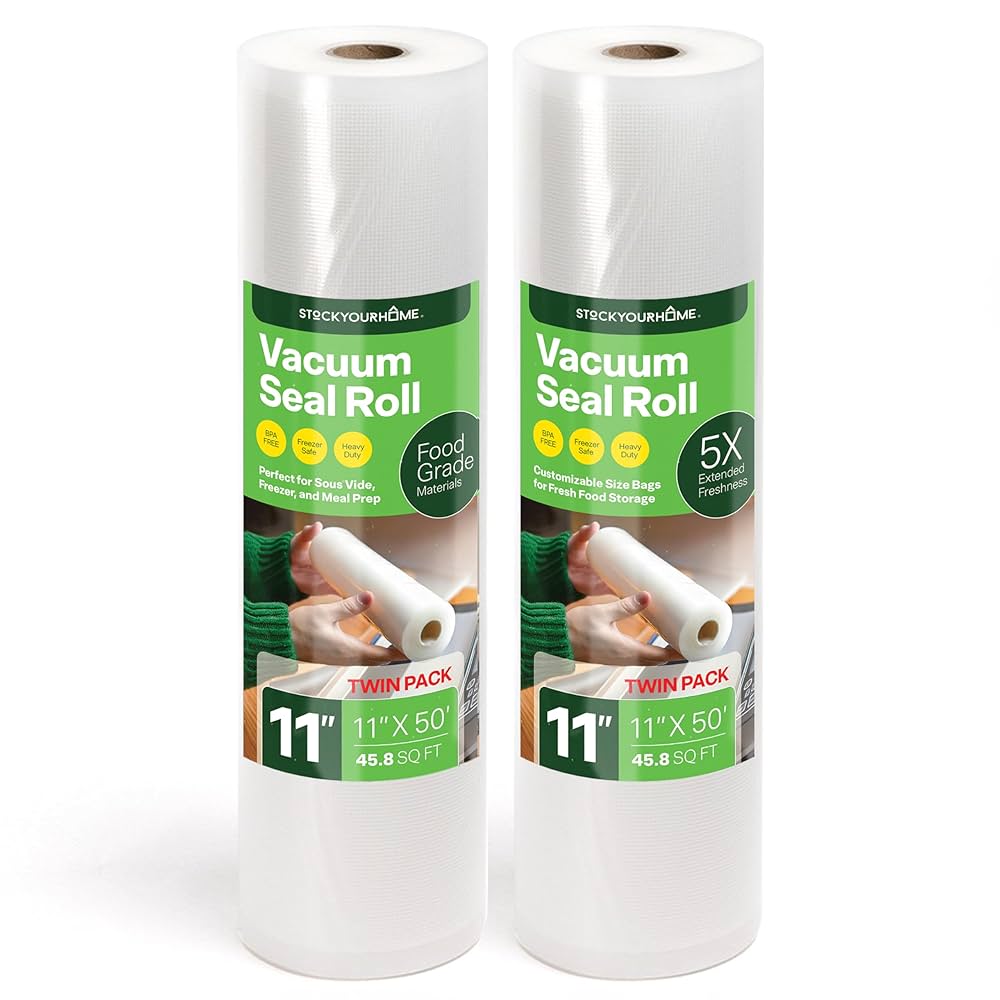
Are you wondering if your vacuum sealer bags can safely go in the microwave? This is a common question, especially if you love the convenience of storing leftovers or prepping meals ahead of time.
Imagine the ease of taking a perfectly sealed meal from the freezer straight to the microwave. But, before you press that start button, let’s explore whether it’s safe to do so. We’ll dive into everything you need to know about using vacuum sealer bags in the microwave.
Stay with us to discover tips, safety guidelines, and the surprising facts that will make your kitchen routine smoother and more efficient. Your next meal prep session might just become a breeze!

Credit: www.amazon.com
Microwave Safety Basics
Understanding the basics of microwave safety helps protect your food and appliances. Not all materials are safe for microwave use. Some may melt, release toxins, or catch fire. Knowing what vacuum sealer bags are made of and common microwave risks keeps your meals safe and healthy.
Materials Used In Vacuum Sealer Bags
Vacuum sealer bags are usually made from plastics like polyethylene or nylon. These materials create a strong barrier against air and moisture. Some bags have multiple layers to improve durability and protect food.
Not all plastics handle microwave heat well. Some can melt or break down under high temperatures. Look for bags labeled “microwave-safe” to avoid problems. These bags are tested to ensure they won’t release harmful chemicals or deform.
Common Microwave Hazards
- Plastic melting or warping
- Release of harmful chemicals into food
- Uneven heating causing burns or hot spots
- Fire risk from materials not designed for microwaves
- Steam buildup leading to bag bursting
Microwaving vacuum sealer bags without knowing their composition can cause these risks. Always follow manufacturer instructions. Use microwave-safe bags to avoid damage and keep food fresh and safe.
Types Of Vacuum Sealer Bags
Vacuum sealer bags come in different types, each designed for specific uses and varying levels of heat resistance. Understanding these types helps you choose the right bag for your food storage and reheating needs. Let’s look at the main categories and what makes each unique.
Standard Plastic Bags
Standard vacuum sealer bags are made from durable plastic materials like polyethylene and nylon. They work well for storing dry or refrigerated foods but generally aren’t designed for high heat. If you microwave food in these bags, they might melt or release harmful chemicals.
Think about your last time using a regular bag—did you notice any strange smells or warping after microwaving? That’s a clear sign these bags aren’t microwave safe. Always check the packaging to see if the bags specify microwave use.
Boilable And Sous Vide Bags
Boilable and sous vide vacuum sealer bags are built to withstand high temperatures. These bags are made from BPA-free, food-grade materials that can handle boiling water and sous vide cooking methods. If you want to reheat or cook food directly in the bag, these are your best bet.
These bags maintain their shape and safety even under prolonged heat exposure. Have you tried cooking steak or vegetables sous vide? Using the right bag ensures your food stays fresh and safe without losing flavor or texture.
Reusable And Eco-friendly Options
Reusable vacuum sealer bags are gaining popularity as eco-friendly alternatives. Made from silicone or other durable materials, they can be washed and used multiple times. Many of these are microwave safe, but it’s important to confirm the temperature limits before reheating.
Choosing reusable bags can reduce plastic waste and save money over time. Do you prefer convenience or sustainability? Reusable bags offer a practical solution that balances both, especially if you reheat meals frequently.
Microwave Compatibility Factors
Understanding the microwave compatibility of vacuum sealer bags is essential for safe food heating. Several factors influence whether these bags can withstand microwave use. Knowing these details helps avoid damage to the bag and prevents health risks.
Heat Resistance Of Materials
Vacuum sealer bags are made from different plastics. Some plastics handle heat well, while others melt or warp. Materials like polyethylene and nylon often resist microwave heat better. Always check the bag’s label for heat tolerance. Bags not designed for high heat can deform or release harmful substances.
Seal Integrity Under Heat
The bag’s seal must stay strong during microwaving. Heat can weaken seals, causing leaks or spills. Good-quality vacuum sealer bags use heat-resistant seals. Poor seals risk breaking, which spoils food and creates messes. Proper seal strength keeps food fresh and safe during heating.
Chemical Safety Concerns
Some plastics release chemicals when heated. These chemicals can contaminate food and harm health. Microwave-safe bags use materials free from harmful additives. Avoid using bags without clear microwave-safe labels. Safety standards ensure no dangerous chemicals leach into your food.

Credit: www.amazon.com
Using Vacuum Sealer Bags In Microwave
Using vacuum sealer bags in the microwave can be convenient, but it requires caution. Not all vacuum sealer bags are designed to withstand microwave heat, and improper use can lead to melting or harmful chemical leaching. Understanding how to use these bags safely can save your food and your appliance.
Safe Practices And Tips
First, check if your vacuum sealer bags are labeled microwave-safe. If they are, always leave a small vent or open the bag slightly to allow steam to escape. This prevents pressure buildup that could cause the bag to burst.
Heat your food in short intervals, stirring or checking often. This helps avoid overheating and uneven cooking. Also, avoid placing the sealed bag directly on the microwave’s heating element or walls.
Avoiding Common Mistakes
Many people make the mistake of microwaving vacuum sealer bags without venting. This can cause the bag to explode or melt, creating a mess and potential safety hazards. Another common error is using non-microwave-safe bags, which may release harmful chemicals into your food.
Don’t reheat fatty or oily foods in vacuum sealer bags, as high temperatures can cause the bag to degrade. Have you ever noticed an unusual smell or plastic taste after microwaving? That’s often a sign you’re using the wrong bag or heating it too long.
Alternatives For Microwave Heating
If you’re unsure about your vacuum sealer bags, transfer your food to a microwave-safe container before heating. Glass or ceramic containers work well and avoid any risk of plastic melting. You can also use microwave-safe silicone bags designed specifically for reheating.
Another option is to thaw vacuum-sealed food in cold water or the refrigerator before microwaving. This reduces the time needed in the microwave and limits exposure to heat-sensitive bags. What methods do you use to reheat your vacuum-sealed meals safely?
Health And Environmental Considerations
Understanding the health and environmental impact of vacuum sealer bags is crucial before you microwave your food. These bags may seem convenient, but what happens inside them when heated can affect both your well-being and the planet. Let’s break down the key concerns so you can make smarter choices in your kitchen.
Potential Chemical Leaching
Many vacuum sealer bags are made from plastics that contain additives to enhance durability and flexibility. When heated in a microwave, some of these chemicals can leach into your food, especially if the bags are not specifically labeled as microwave-safe. This can expose you to harmful substances like BPA or phthalates, which have been linked to health issues.
Have you ever noticed an unusual smell or taste after microwaving food in plastic? That could be a sign of chemical leaching. To protect yourself, always check the packaging for microwave-safe symbols and avoid reheating fatty or acidic foods in these bags, as they can increase chemical migration.
Disposal And Recycling
Vacuum sealer bags often end up in the trash after a single use, contributing to plastic waste. Unfortunately, most of these bags are made from multi-layer plastics that are difficult to recycle through regular municipal programs. This means they usually take decades to break down in landfills, adding to environmental pollution.
You might wonder if there are eco-friendly alternatives. Some brands offer biodegradable or compostable vacuum bags, but they are less common and sometimes pricier. Consider reusing bags when possible or look for recycling programs that accept flexible plastics to reduce your environmental footprint.

Credit: www.amazon.com
Expert Recommendations
Understanding whether vacuum sealer bags are microwave safe is crucial to avoid damaging your food or the bags themselves. Experts often emphasize checking specific details before microwaving sealed items. Here’s what you need to know from the manufacturers and safety experts.
Manufacturer Guidelines
Always start by reading the instructions that come with your vacuum sealer bags. Most manufacturers clearly state if their bags are microwave safe or not. Some bags are designed with materials that can handle microwave heat, while others may melt or release harmful chemicals.
Look for labels such as “microwave safe”or icons indicating microwave use. If the packaging doesn’t mention microwaving, it’s best to avoid it. Manufacturers often recommend leaving a small opening or piercing the bag to allow steam to escape, preventing pressure build-up.
Have you noticed that some bags get sticky or deformed after microwaving? That’s a sign the material isn’t suitable for that heat. Following these guidelines protects both your food and your microwave.
Consumer Safety Advice
Experts advise not microwaving vacuum-sealed bags unless you are absolutely sure they are microwave safe. Even then, use caution by heating in short intervals and checking the bag’s condition frequently. Overheating can cause plastic to break down and contaminate your food.
Consider transferring food to a microwave-safe container if you’re unsure about the bag. This simple step reduces risks and still lets you enjoy quick reheating. Also, avoid microwaving fatty or oily foods in sealed bags as these can reach higher temperatures and cause melting.
Have you ever experienced a vacuum bag bursting in the microwave? It’s not just messy—it can be dangerous. Your safety depends on knowing which products to trust and how to use them correctly.
Frequently Asked Questions
Are Vacuum Sealer Bags Safe For Microwave Use?
Most vacuum sealer bags are microwave safe if labeled so. Always check packaging for microwave-safe symbols or instructions. Avoid using bags not meant for microwaving to prevent melting or harmful chemical release.
Can You Microwave Food Directly In Vacuum Sealer Bags?
Yes, if the bags are specifically designed for microwave use. Ensure bags are vented to allow steam to escape. Using non-microwave-safe bags can cause melting or uneven heating.
Do Vacuum Sealer Bags Melt In The Microwave?
Vacuum sealer bags may melt if not microwave-safe. Use only bags labeled microwave-safe to avoid melting. Always follow manufacturer guidelines to ensure safe heating.
How To Safely Microwave Vacuum-sealed Food?
Pierce or vent the vacuum sealer bag before microwaving. Use microwave-safe bags and heat in short intervals. Stir food occasionally to ensure even heating and avoid bag damage.
Conclusion
Vacuum sealer bags can be safe for microwave use, but check labels first. Not all bags handle heat well. Some may melt or release harmful chemicals. Always use bags marked microwave-safe to avoid risks. Cut small vents to release steam during heating.
Avoid overheating food inside sealed bags. This keeps your food tasty and safe. Follow these tips for better microwave use. Your food stays fresh and safe to eat. Simple care helps you enjoy vacuum-sealed meals anytime.