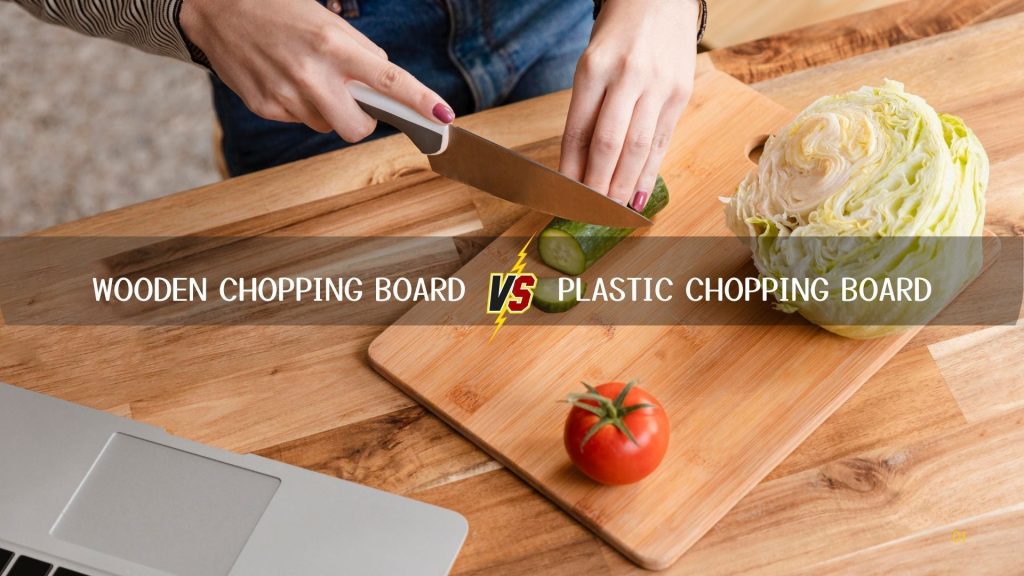
When it comes to your kitchen, the cutting board you choose matters more than you might think. Are wooden cutting boards better than plastic?
You’ve probably asked yourself this question while chopping veggies or slicing meat. The answer isn’t as simple as you’d expect. Your choice affects not just how your food tastes, but also your health and how long your board lasts. Keep reading to discover which option truly fits your kitchen needs and why.
This could change the way you prepare meals forever.
Material Differences
Wooden and plastic cutting boards differ in material makeup. These differences affect durability, maintenance, and food safety.
Understanding wood types and plastic varieties helps choose the best board for your kitchen needs.
Wood Types And Qualities
Wood cutting boards come from various tree types. The hardness and grain affect how they perform and last.
- Maple:Hard and dense, resists deep cuts well.
- Walnut:Softer than maple, offers a rich dark color.
- Bamboo:Technically a grass, very hard and eco-friendly.
- Cherry:Medium hardness with a smooth grain.
- Teak:Contains natural oils that resist water and bacteria.
Harder woods last longer but need regular oiling. Softer woods may show knife marks faster.
Plastic Varieties And Grades
Plastic boards come in different types and qualities. Some are better for heavy use, others for easy cleaning.
| Plastic Type | Durability | Cleaning | Common Use |
|---|---|---|---|
| Polyethylene (HDPE) | High | Dishwasher safe | Home kitchens |
| Polypropylene | Medium | Dishwasher safe | Light cutting tasks |
| Polycarbonate | High | Hand wash recommended | Commercial kitchens |
| Polyvinyl Chloride (PVC) | Low | Hand wash only | Budget options |

Credit: www.zsalads.com
Durability And Maintenance
Choosing the right cutting board affects your kitchen work. Wooden and plastic boards handle wear differently. Knowing their durability and upkeep helps you pick the best option.
This section looks at how wooden and plastic boards stand up over time. It also covers simple care tips to keep them safe and lasting longer.
Wear And Tear Over Time
Wooden cutting boards often last longer than plastic ones. Wood can heal small cuts naturally. Plastic boards usually show knife marks faster and may crack.
| Material | Resistance to Cuts | Chance of Cracking | Longevity |
|---|---|---|---|
| Wood | Good – Self-heals small cuts | Low – Flexible and strong | High – Can last for years |
| Plastic | Fair – Shows many knife marks | High – Prone to cracking over time | Medium – Needs frequent replacing |
Cleaning And Care Tips
Keeping your cutting board clean is key to safe food prep. Wooden boards need special care to avoid damage. Plastic boards are easy to clean but can warp.
- Wash wooden boards by hand with mild soap and warm water.
- Do not soak wood in water to avoid warping and cracking.
- Use a food-safe oil on wood to keep it from drying out.
- Plastic boards can go in the dishwasher for deep cleaning.
- Replace plastic boards if deep cuts or cracks appear.
Hygiene And Safety
Choosing the right cutting board affects kitchen hygiene and safety. Wooden and plastic boards have different ways of handling bacteria and knife marks.
Understanding these differences helps keep food safe and reduces the risk of contamination.
Bacteria Resistance
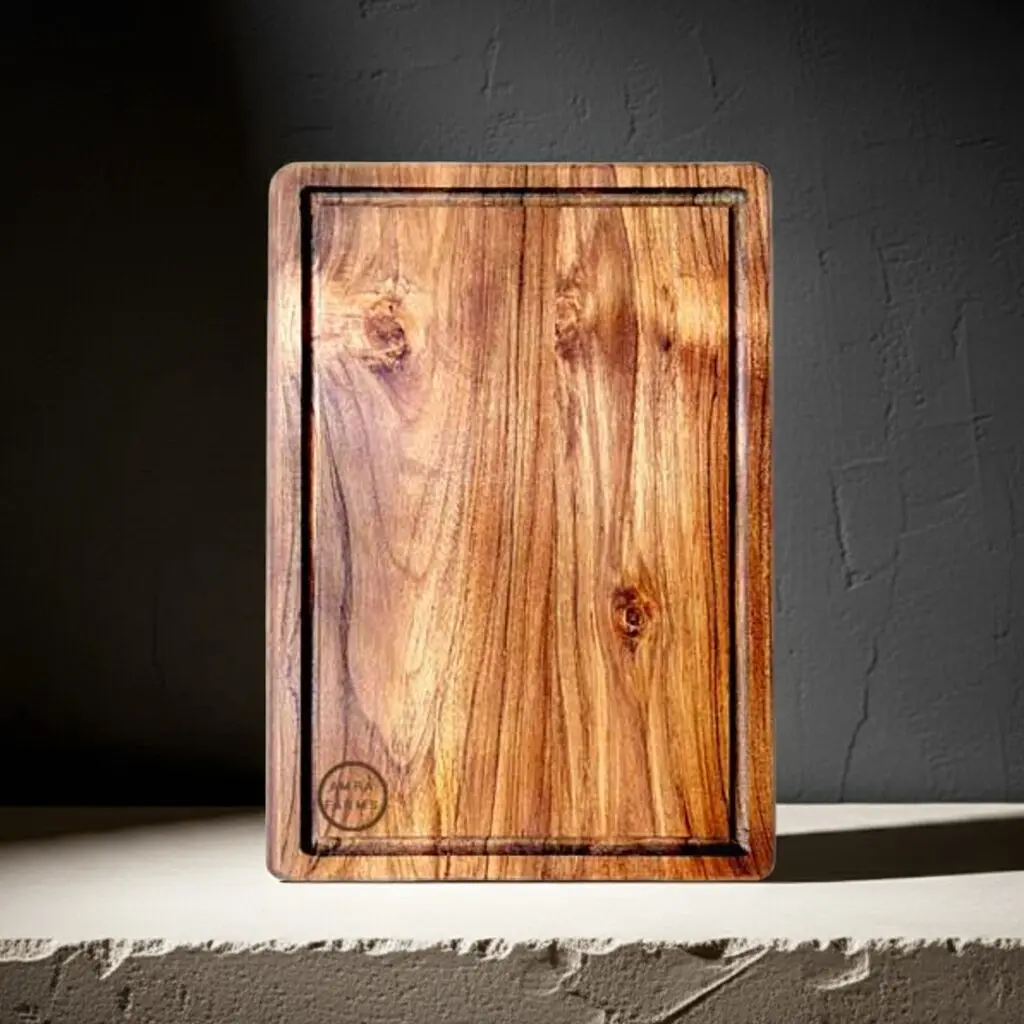
Wooden cutting boards naturally resist bacteria better than plastic ones. Wood has tiny pores that trap bacteria and kill them over time.
- Wood absorbs moisture and bacteria die inside it
- Plastic boards can hold bacteria on the surface
- Regular cleaning is important for both types
- Wood requires oiling to keep it safe and clean
Impact Of Knife Marks
Knife marks create grooves where bacteria can hide. The impact is different on wooden and plastic boards.
| Cutting Board Type | Effect of Knife Marks |
| Wooden | Knife marks tend to close up, trapping fewer bacteria |
| Plastic | Grooves stay open, allowing bacteria to grow |
Credit: choppingboards.in
Environmental Impact
Wooden and plastic cutting boards affect the environment in different ways. Understanding their impact helps us make better choices.
This section looks at how these materials affect the planet during use and after disposal.
Sustainability Of Materials
Wood boards come from trees, a natural and renewable resource. Plastic boards are made from oil, a non-renewable resource.
- Wood is biodegradable and can be sourced from managed forests.
- Plastic uses fossil fuels and can release harmful chemicals during production.
- Wood boards generally last longer with proper care.
- Plastic boards may need replacement more often due to damage.
End-of-life Disposal
| Material | Disposal Method | Environmental Effect |
| Wood | Composting or burning | Breaks down naturally, less pollution |
| Plastic | Landfill or recycling | Long decomposition time, possible microplastic pollution |
Wood boards can be composted or used as kindling. Plastic boards often end up in landfills or recycling centers, but many are not recycled properly.
Cost And Availability
Choosing between wooden and plastic cutting boards often depends on cost and availability. Both types have different prices and can be found in different places.
Understanding the price and where to buy them helps you make a better choice for your kitchen.
Price Comparison
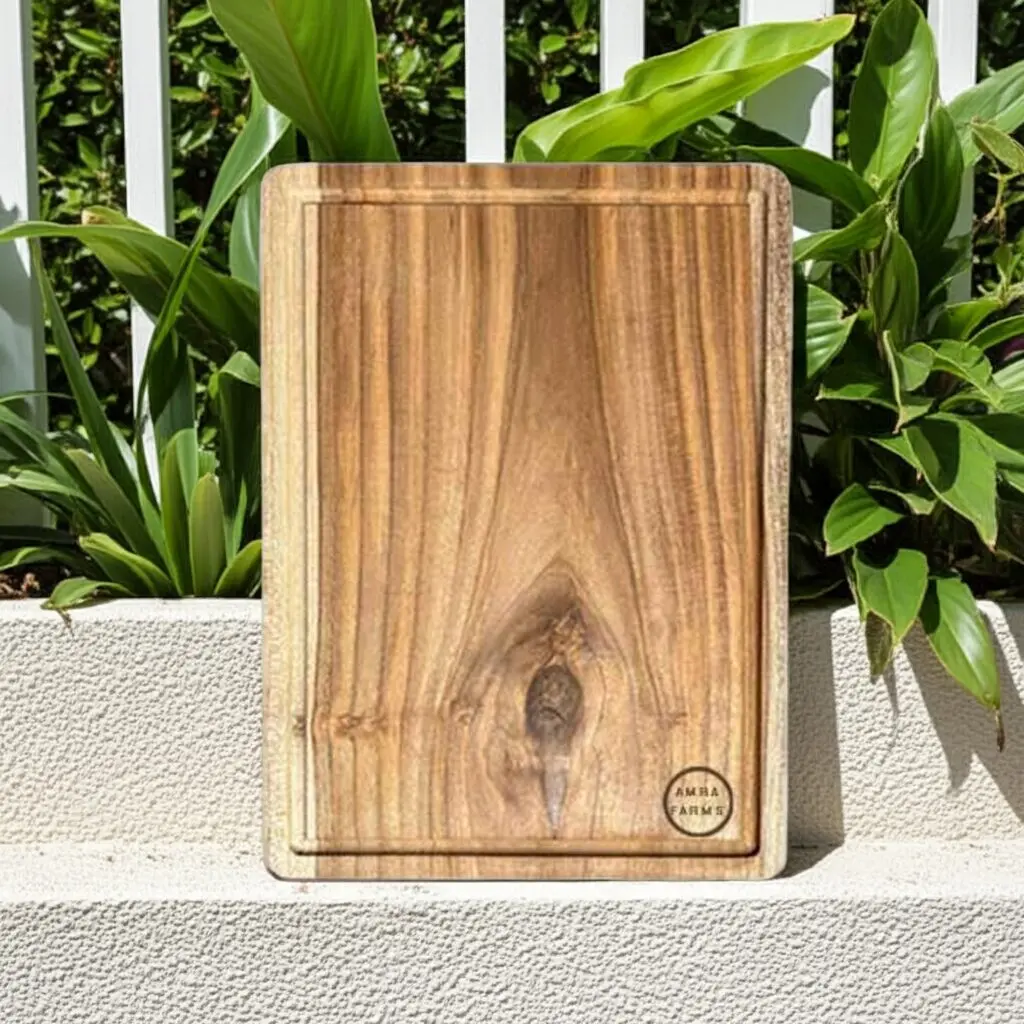
Wooden cutting boards usually cost more than plastic ones. This is because wood is a natural material and takes more work to make.
Plastic boards are cheaper to produce and buy. They come in many sizes and styles at low prices.
- Wood boards range from $20 to $100 or more.
- Plastic boards often cost between $5 and $30.
- Wood boards may last longer with care.
- Plastic boards might need replacing more often.
Market Accessibility
Plastic cutting boards are easy to find at most stores. Grocery stores and big box shops usually carry them.
Wooden boards may be less common in some places. Specialty kitchen shops or online stores often sell them.
- Plastic boards are widely available in many stores.
- Wooden boards might need a special store or online order.
- Both types can be found in various sizes and shapes.
Credit: choppingboards.in
User Experience
Choosing between wooden and plastic cutting boards affects your cooking ease and kitchen feel. Each type offers different user experiences in looks and daily use.
Let’s explore how wooden and plastic boards compare in style and comfort during food preparation.
Aesthetic Appeal
Wooden cutting boards bring a warm, natural look to your kitchen. They often have unique grain patterns that add character.
Plastic boards come in many colors. They can brighten up your kitchen but may look less natural than wood.
- Wood offers a classic, timeless style.
- Plastic provides a modern, vibrant look.
- Wood boards age with a rich patina.
- Plastic boards can stain or fade over time.
Comfort And Functionality
Comfort during use is key for cutting boards. Wood tends to be gentle on knives and feels sturdy under the hand.
Plastic boards are lightweight and easy to clean but may get scratched more quickly.
| Feature | Wooden Board | Plastic Board |
| Knife Friendliness | Gentle, preserves sharpness | Can dull knives faster |
| Weight | Heavier, stable | Lightweight, may slip |
| Cleaning | Needs hand wash, air dry | Dishwasher safe |
| Durability | Long-lasting with care | Can crack or warp |
Frequently Asked Questions
Are Wooden Boards More Hygienic Than Plastic?
Wooden boards are naturally antimicrobial, which helps inhibit bacteria growth. Plastic boards can develop knife grooves, harboring bacteria. Regular maintenance like oiling enhances wooden board hygiene. However, both types can be hygienic if cleaned properly. Choose based on personal preference and cleaning habits.
Do Wooden Cutting Boards Last Longer?
Yes, wooden cutting boards generally last longer with proper care. Regular oiling and avoiding dishwasher use prolong their life. Wood is durable and self-healing, reducing wear and tear. In contrast, plastic boards can develop deep grooves over time, requiring frequent replacement.
Are Wooden Boards Eco-friendly?
Wooden boards are more eco-friendly than plastic ones. Wood is biodegradable and can be sourced sustainably. Plastic production contributes to pollution and waste. Opting for wooden boards supports environmental sustainability. However, ensure the wood is sourced from responsible forestry practices.
How Do You Clean Wooden Cutting Boards?
Clean wooden boards with hot, soapy water after each use. Avoid soaking them to prevent warping. Occasionally disinfect with vinegar or hydrogen peroxide. Regularly oil the board to maintain its condition. Proper cleaning ensures longevity and hygiene of wooden cutting boards.
Conclusion
Wooden cutting boards offer natural durability and resist knife marks. They absorb less bacteria when cleaned well. Plastic boards are lighter and dishwasher safe. Both types need proper care to stay safe. Choose based on your kitchen habits and cleaning preferences.
Clean boards keep food safe and last longer. Think about what fits your cooking style best. Either way, a clean, sturdy board helps in food prep.