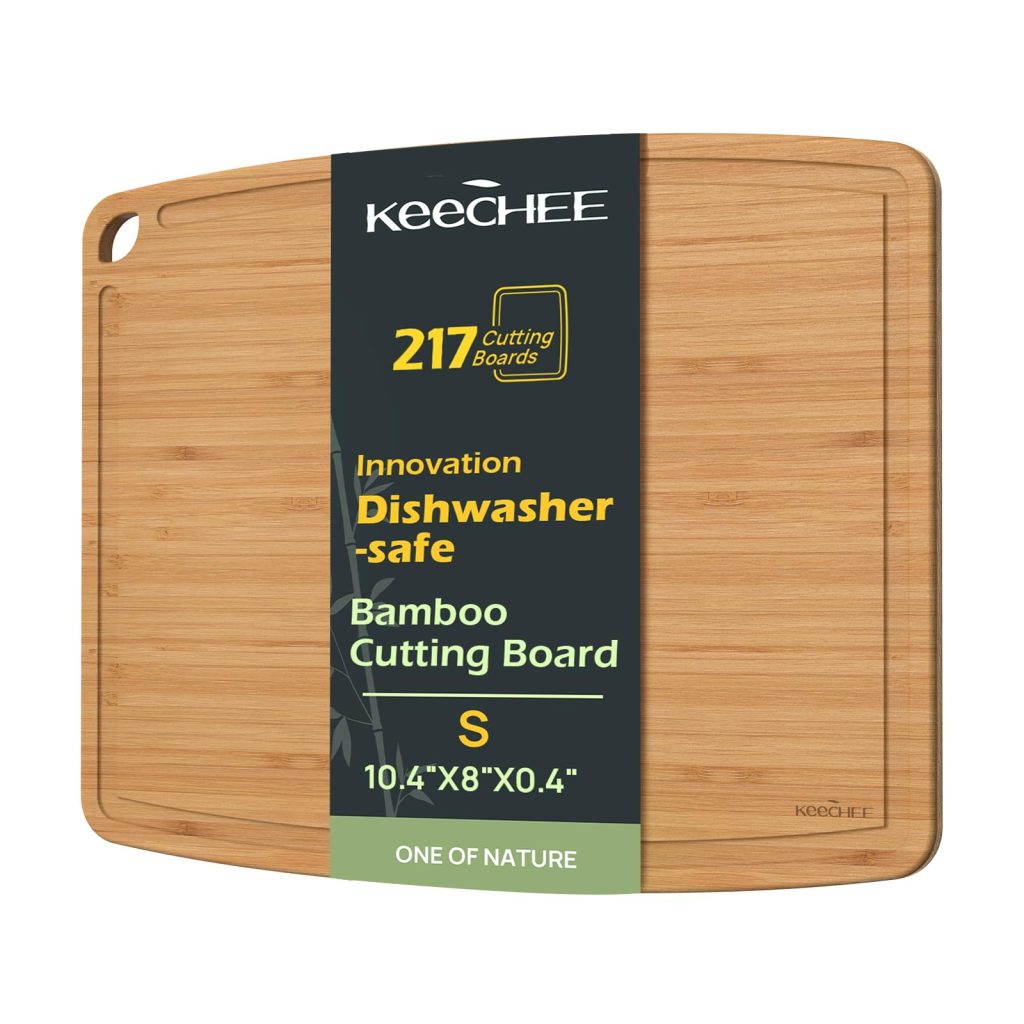
Are wooden cutting boards dishwasher safe? If you’ve ever wondered whether tossing your favorite wooden board into the dishwasher is a good idea, you’re not alone.
You want to keep your kitchen tools clean and safe, but you also want to protect your cutting board from damage. You’ll discover the truth about washing wooden cutting boards and learn the best ways to care for them. Keep reading to find out how to keep your board both spotless and long-lasting.
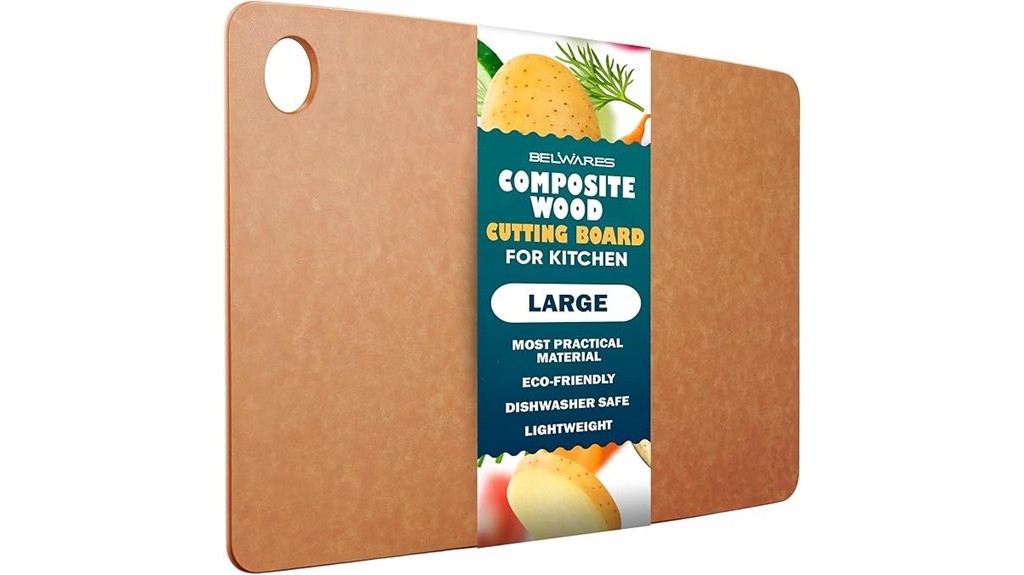
Credit: www.greenwashingindex.com
Wooden Cutting Boards And Dishwashers
Wooden cutting boards are popular in many kitchens. People often wonder if they can clean them in dishwashers.
This article explains how wooden boards react to dishwasher use. It helps you decide the best cleaning method.
Material Sensitivity To Heat And Water
Wood is a natural material that reacts to heat and water. High heat in dishwashers can damage wooden boards.
Water can cause wood to swell, crack, or warp. This reduces the board’s life and appearance.
- Heat may dry out the wood too much.
- Water can soak into the wood and cause damage.
- Repeated exposure weakens the board’s structure.
Common Risks Of Dishwasher Cleaning
Cleaning wooden boards in dishwashers has several risks. The harsh environment inside the dishwasher harms wood.
Wood can crack, split, or lose its smooth finish. Bacteria may also hide in cracks that form over time.
- Boards may warp and become uneven.
- Surface can develop cracks and splits.
- Finish and oils on the board can wash away.
- Risk of bacteria growth in damaged areas.
- Shortened lifespan of the cutting board.
Effects Of Dishwasher On Wood
Wooden cutting boards are popular in many kitchens. People often wonder if they can put these boards in the dishwasher. The dishwasher uses heat and water to clean, but it may harm the wood.
Wood is a natural material that reacts to water and heat differently than plastic. Using a dishwasher can cause problems that shorten the life of the cutting board.
Warping And Cracking Issues
The dishwasher uses hot water and strong jets to clean items. This can make wooden boards warp or crack. Warping means the board bends out of shape.
Cracking happens when the wood dries too fast after being wet. Both warping and cracking make the board less safe to use. They create uneven surfaces where food can get stuck.
- Heat causes wood to expand and contract
- Rapid drying leads to cracks
- Water pressure can separate glued wood layers
Loss Of Natural Oils
Wood contains natural oils that keep it strong and smooth. The dishwasher can wash these oils away. Without oils, the wood becomes dry and rough.
Dry wood breaks more easily and absorbs water more. This makes the board less durable and harder to clean by hand later.
- Natural oils protect wood fibers
- Dishwasher strips away these oils
- Dry wood is more prone to damage
Bacterial Growth Concerns
People worry about bacteria on wooden cutting boards. The dishwasher cleans with hot water but can leave the wood wet for a long time. Wet wood can grow bacteria more easily.
Cracks and rough spots from dishwasher damage also trap bacteria. Proper hand washing and drying are safer ways to keep wood clean.
- Wet wood creates a good place for bacteria
- Damaged wood traps food and germs
- Hand wash and dry quickly to prevent bacteria
Safe Cleaning Methods For Wooden Boards
Wooden cutting boards need careful cleaning to stay safe and last long. They are not dishwasher safe because water and heat can crack the wood.
Using the right cleaning methods keeps your wooden board clean and prevents damage.
Hand Washing Techniques
Wash wooden boards by hand right after use. Use warm water and a mild sponge or cloth. Avoid soaking the board in water.
Scrub gently to remove food bits. Rinse with warm water. Do not use harsh scrubbing tools that can scratch the surface.
Recommended Cleaning Agents
Use mild soap or dish detergent to clean the board. Avoid bleach or strong chemicals that can harm the wood.
For extra cleaning, use natural agents like white vinegar or lemon juice. These help kill germs without damage.
- Mild dish soap
- White vinegar
- Lemon juice
Drying And Maintenance Tips
Dry wooden boards quickly after washing. Use a clean towel and stand the board upright to air dry fully.
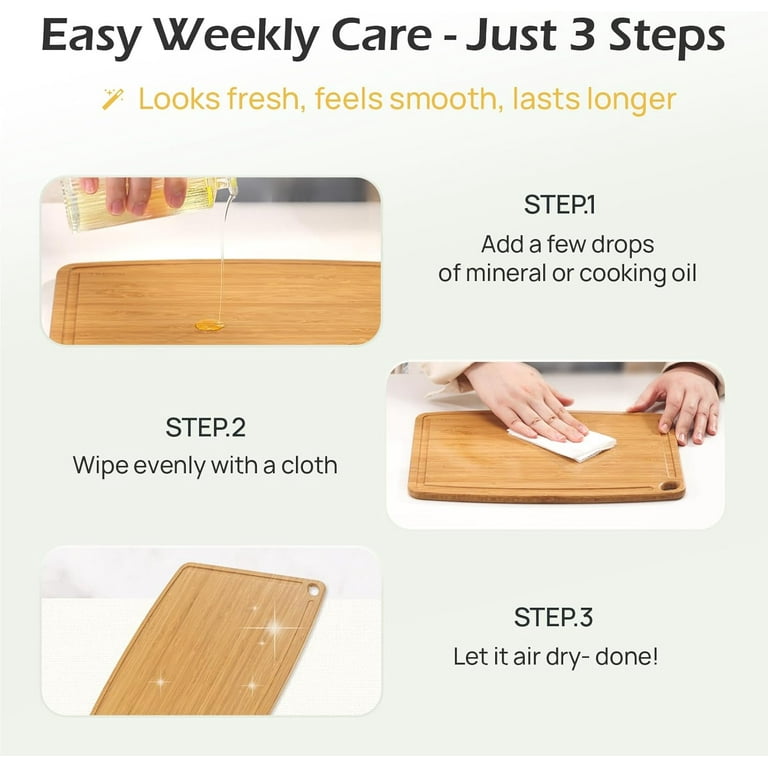
Apply food-safe mineral oil regularly to keep the wood from drying out and cracking. This also protects the surface.
- Dry board immediately with a towel
- Stand board upright for air drying
- Use food-safe mineral oil monthly
- Store in a dry place
Extending The Life Of Wooden Boards
Wooden cutting boards need care to stay useful and safe. Proper maintenance helps stop cracks and warping.
Simple habits can keep your board in good shape for years. Learn how to oil, store, and know when to replace it.
Oiling And Conditioning
Oiling your wooden board stops it from drying out. Use food-safe mineral oil or beeswax for best results.
- Apply oil evenly on clean, dry boards.
- Let the oil soak in for a few hours or overnight.
- Wipe off excess oil with a soft cloth.
- Condition your board every few weeks or after heavy washing.
Storage Best Practices
Store wooden boards in a dry place. Avoid spots with too much moisture or direct sunlight.
| Storage Tip | Reason |
| Keep board upright | Allows air to circulate and dry both sides |
| Do not store near heat | Heat can cause warping and cracks |
| Use a rack or stand | Prevents moisture buildup on surfaces |
When To Replace Your Board
Look for deep cracks or large grooves that trap bacteria. These signs mean it is time to replace the board.
Check your board regularly. If it smells bad or has mold, replace it immediately.
Comparing Wooden And Plastic Boards
Wooden and plastic cutting boards are common in many kitchens. Each type has its own benefits and drawbacks.
Choosing the right board depends on how you use it and how you care for it.
Durability And Maintenance
Wooden boards can last many years with proper care. They may crack or warp if left wet too long.
Plastic boards often wear out faster. They can get deep cuts that are hard to clean.
- Wood needs regular oiling to stay strong.
- Plastic is dishwasher safe and easy to clean.
- Wood may need sanding to remove scratches.
- Plastic boards can be replaced more cheaply.
Hygiene And Safety
Wood has natural properties that help resist bacteria growth. It can dry faster than plastic.
Plastic boards can hold bacteria in deep cuts. Washing in a dishwasher helps kill germs.
- Wood boards should be hand washed and dried quickly.
- Plastic boards can be put in the dishwasher safely.
- Regular cleaning is important for both to stay safe.
Environmental Impact
Wooden boards are natural and biodegradable. They come from a renewable resource.
Plastic boards are made from petroleum. They take a long time to break down in landfills.
- Wood boards can be recycled or composted.
- Plastic boards create more waste over time.
- Choosing wood supports eco-friendly kitchen tools.
Credit: www.walmart.com
Credit: www.walmart.com
Frequently Asked Questions
Can Wooden Cutting Boards Go In The Dishwasher?
No, wooden cutting boards should not be placed in the dishwasher. The high heat and moisture can cause warping and cracking. Additionally, detergents used in dishwashers can strip the wood of its natural oils, leading to damage over time.
How Do You Clean A Wooden Cutting Board?
To clean a wooden cutting board, use mild soap and warm water. Scrub gently with a sponge or brush. Avoid soaking the board, as it can lead to warping. Rinse thoroughly and dry immediately with a clean towel.
Why Shouldn’t You Soak Wooden Cutting Boards?
Soaking wooden cutting boards can lead to warping and cracking. Wood absorbs water, which can cause it to swell and deform. Prolonged exposure to water can also strip the wood of its natural oils, reducing its longevity.
How To Maintain Wooden Cutting Boards?
To maintain wooden cutting boards, regularly oil them with food-grade mineral oil. This prevents drying and cracking. Ensure they are completely dry before storing. Avoid extreme temperatures and keep them out of direct sunlight to maintain their condition.
Conclusion
Wooden cutting boards do not belong in the dishwasher. Water and heat can cause wood to crack and warp. Clean boards with warm, soapy water instead. Dry them well after washing to avoid damage. Regular oiling keeps wood strong and smooth.
This care helps your board last longer. Choose the right cleaning method to protect your kitchen tools. Wooden boards stay safe and useful with proper care. Simple steps make a big difference for your cutting board. Keep your board clean and dry for best results.