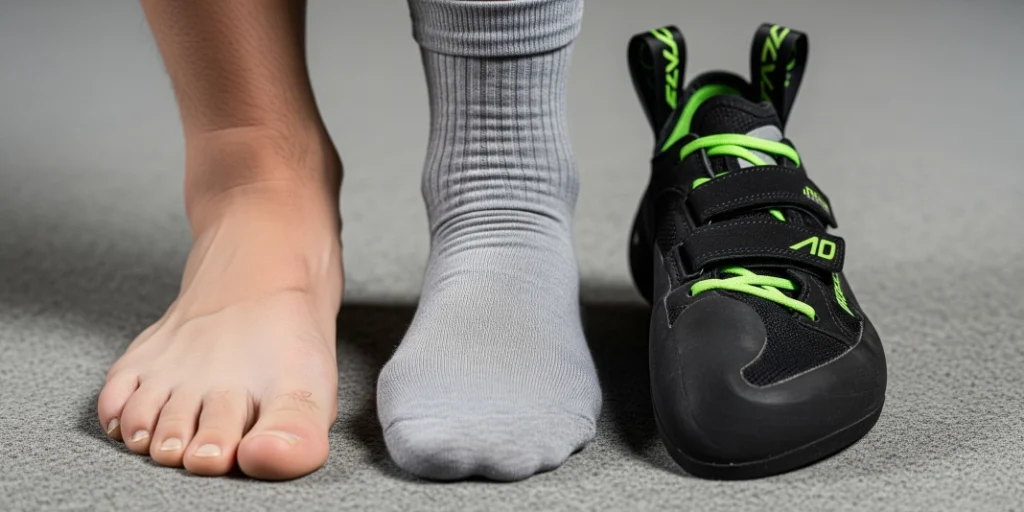
Are you wondering if you should wear socks with your climbing shoes? It’s a question many climbers face, whether you’re just starting out or have been climbing for years.
The choice can affect your comfort, performance, and even how long your shoes last. You’ll discover the pros and cons of wearing socks while climbing, and get tips to help you decide what works best for you. Keep reading to find out how a simple change could make your climbs easier and more enjoyable.
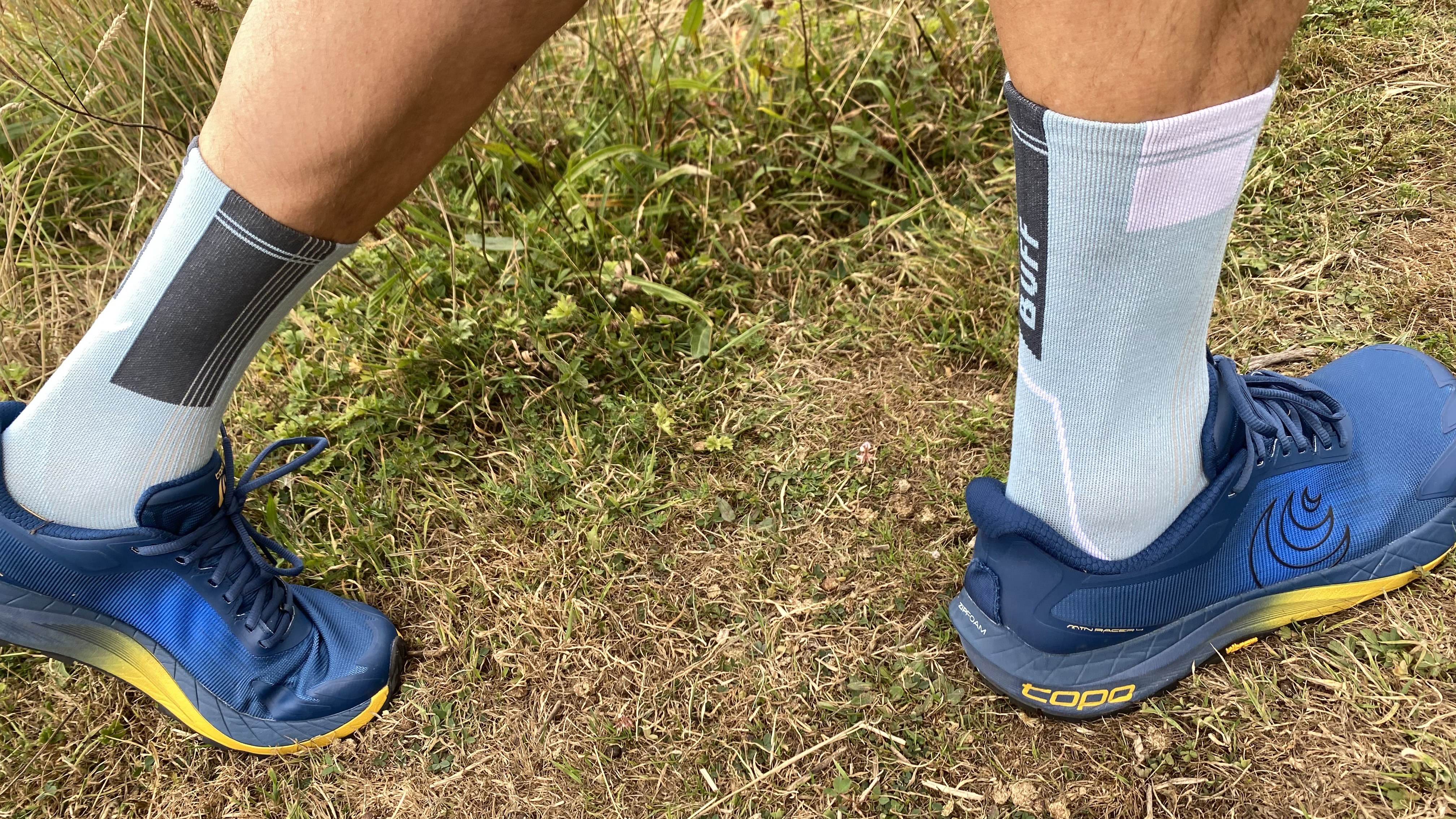
Credit: www.advnture.com
Socks And Climbing Shoes Basics
Many climbers wonder if they should wear socks with climbing shoes. The answer depends on comfort and climbing style.
Socks can affect the fit and feel of climbing shoes. Knowing the basics helps you decide what works best.
Common Practices Among Climbers
Most climbers choose not to wear socks to get a snug fit. Bare feet give better sensitivity and control.
- Climbing without socks for better shoe fit
- Using thin socks for hygiene or warmth
- Wearing socks in colder conditions or for long sessions
- Some prefer socks to reduce shoe odor and sweat
Materials Used In Climbing Socks
Climbing socks often use special materials to balance comfort and performance. Here is a table showing common materials and their benefits.
| Material | Benefits |
| Merino Wool | Soft, breathable, and controls odor |
| Nylon | Durable and quick-drying |
| Polyester | Lightweight and moisture-wicking |
| Spandex | Provides stretch for a snug fit |
Benefits Of Wearing Socks
Wearing socks with climbing shoes can help protect your feet. Socks add comfort and improve your climbing experience.
Socks act as a barrier between your skin and the shoes. This helps keep your feet safe and fresh during climbs.
Reducing Friction And Blisters
Socks reduce the rubbing between your skin and climbing shoes. This lowers the chance of getting painful blisters.
They also absorb sweat, which stops your feet from slipping inside the shoes. This helps you climb more safely and comfortably.
- Less skin irritation
- Fewer blisters
- Better grip inside shoes
- More comfort during long climbs
Maintaining Hygiene And Odor Control
Socks help keep your climbing shoes clean by absorbing sweat and dirt. This keeps both your feet and shoes healthier.
They also reduce bad smells caused by bacteria. Wearing socks means your shoes stay fresher for longer.
- Absorbs sweat and moisture
- Prevents bacteria build-up
- Keeps shoes cleaner
- Reduces odor and smell
Benefits Of Going Sockless
Climbers often wonder if they should wear socks with their climbing shoes. Many choose to go sockless for several reasons. This choice can affect comfort and climbing ability.
Wearing no socks can help climbers feel their shoes better. It also changes how the shoes fit and perform during climbs.
Better Fit And Sensitivity
Climbing shoes are designed to fit snugly. Wearing socks adds thickness, which can make shoes feel tight or loose in the wrong places. Without socks, shoes fit closer to the skin.
Going sockless lets climbers feel the rock better. This sensitivity helps them adjust foot placement quickly and precisely. It also reduces extra space inside the shoe.
Improved Performance And Control
With a better fit and more sensitivity, climbers get more control over their movements. Shoes without socks allow for tighter gripping on small edges and holds.
This control helps climbers balance and move smoothly. It can make climbing feel easier and more natural.
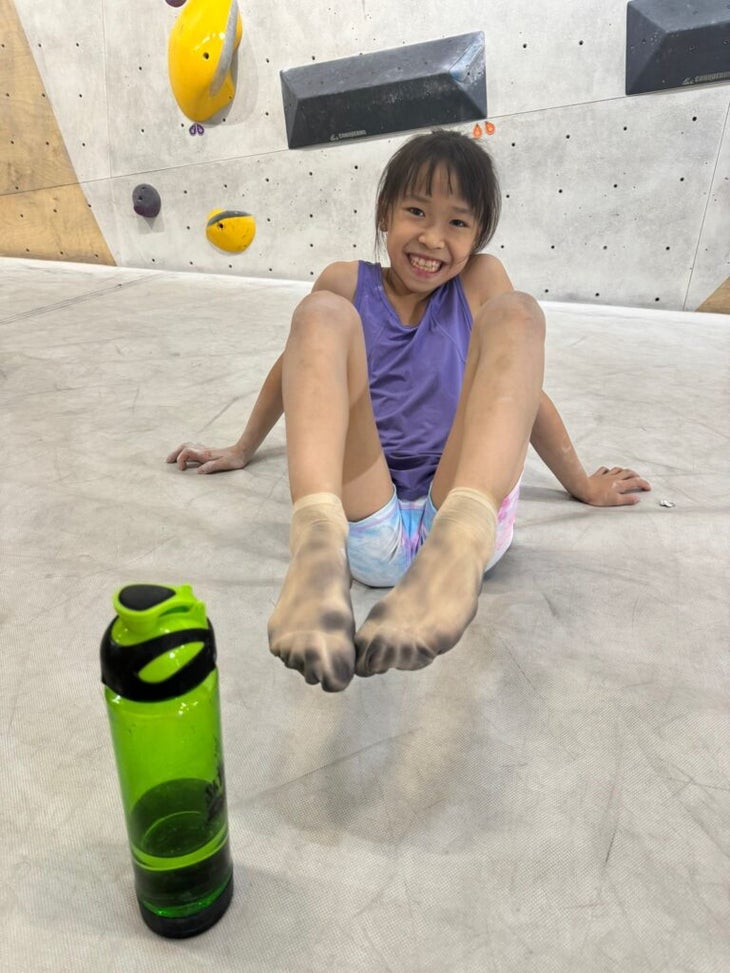
Credit: www.climbing.com
Factors Influencing Your Choice
Deciding whether to wear socks with climbing shoes depends on several factors. These include the type of climbing, how the shoe fits, and your comfort level.
Each factor affects your performance and foot health differently. Understanding these can help you make the best choice for your climbing experience.
Type Of Climbing Activity
Different climbing styles need different footwear approaches. For example, bouldering and sport climbing demand precise foot placement.
Wearing socks can reduce sensitivity and control. Some climbers prefer bare feet for better grip and feel.
- Bouldering: Usually no socks for better sensitivity
- Sport climbing: Often no socks for tight fit and control
- Long trad climbs: Some use thin socks for comfort and sweat control
Shoe Fit And Design
Climbing shoes come in various fits and designs. Some are very tight and molded to your feet.
Wearing socks can make tight shoes feel too small. Socks add bulk and may change how the shoe fits.
- Tight shoes: Best worn without socks for proper fit
- Roomier shoes: Socks can improve comfort
- Leather shoes: Socks can help reduce stretching
Personal Comfort Preferences
Comfort varies by person. Some climbers find socks help prevent blisters and reduce odor.
Others feel socks reduce their foot sensitivity and control. Your comfort should guide your choice.
- Wear socks if you get blisters easily
- Choose thin, breathable socks for less bulk
- Try both ways to see what feels best
Expert Tips For Wearing Socks With Climbing Shoes
Many climbers wonder if they should wear socks with climbing shoes. The answer depends on comfort and fit. Wearing socks can affect how your shoes feel and perform.
This guide shares expert tips to help you decide when and how to wear socks with your climbing shoes. Use these tips to make your climbing experience better.
Choosing The Right Socks
Pick socks that are thin and fit snugly inside your climbing shoes. Thick socks can make the shoes tight and uncomfortable. Thin socks offer a little cushion and help reduce sweat.
- Use socks made from materials like merino wool or synthetic blends.
- Avoid cotton socks because they hold moisture and cause blisters.
- Look for socks with minimal seams to prevent irritation.
- Choose socks that cover just enough to protect your feet without adding bulk.
Proper Shoe Fit With Socks
Always try on climbing shoes with the socks you plan to wear. Socks change how tight the shoe feels. A good fit means the shoe is snug but not painful.
Your toes should touch the front of the shoe lightly. The shoe should hold your foot firmly without pressure points. Remember, climbing shoes stretch slightly after use.
- Wear your thin climbing socks when testing shoe size.
- Check for tight spots or loose areas.
- Adjust shoe size if needed to fit socks comfortably.
- Keep in mind your feet may swell after climbing.
When To Switch Between Socks And No Socks
Some climbers wear socks for long sessions to protect their skin. Others prefer no socks for better feel and control. Decide based on your climbing style and comfort.
Use socks if your feet sweat a lot or if you want to avoid blisters. Skip socks for bouldering or short climbs for more sensitivity. Listen to your feet and adjust as needed.
- Wear socks for indoor climbing or long routes.
- Go sockless for tight-fitting shoes and short climbs.
- Switch to socks if your skin feels sore or sweaty.
- Try both ways to see what feels best for you.
Common Mistakes To Avoid
Many climbers wonder if they should wear socks with climbing shoes. Wearing socks can change the fit and comfort of your shoes. Avoiding some common mistakes helps improve your climbing experience.
Understanding what not to do keeps your feet happy and your shoes lasting longer. Here are two big mistakes to watch out for.
Using Thick Socks With Tight Shoes
Climbing shoes are meant to fit snugly for better control. Thick socks make the shoes tighter and less comfortable. This can cause pain and reduce your ability to feel the rock.
If you wear thick socks, your feet may get cramped. This can lead to blisters or numbness. Thin socks or no socks at all usually work best.
Ignoring Hygiene And Sock Maintenance
Wearing socks helps keep your feet clean and dry. But dirty or old socks can cause bad smells and infections. It is important to wash your socks regularly.
Change your socks often, especially after sweaty climbs. Good sock care helps prevent foot problems and keeps your shoes fresh.
- Wash climbing socks after every use
- Replace socks with holes or worn fabric
- Choose breathable socks to reduce sweat
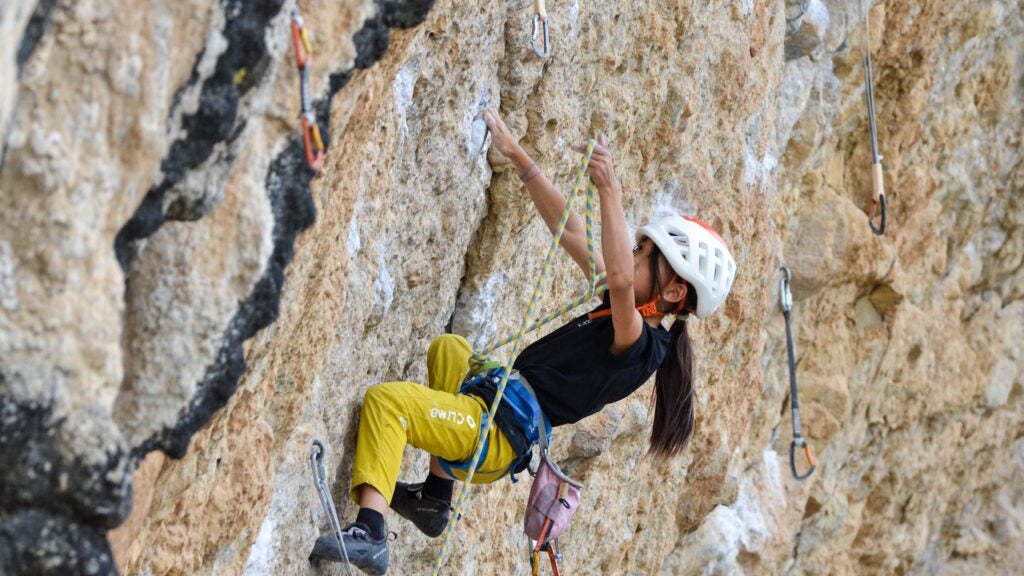
Credit: www.climbing.com
Frequently Asked Questions
Do Climbers Wear Socks With Climbing Shoes?
Many climbers prefer not to wear socks with climbing shoes. This choice provides a better feel and grip. It also allows for more precision on holds. Some, however, opt for thin socks for hygiene or comfort. Ultimately, it depends on personal preference and the specific climbing situation.
What Are The Benefits Of Wearing Socks?
Wearing socks with climbing shoes can enhance comfort and hygiene. They help reduce odors and prevent blisters. Socks can also provide a bit of extra warmth in cold conditions. For those with sensitive skin, socks offer a protective barrier. Choose thin socks to maintain shoe fit and performance.
Can Socks Affect Climbing Shoe Performance?
Yes, socks can affect climbing shoe performance. They may reduce sensitivity and grip. This is why many climbers choose to go sockless. Thin socks can minimize these effects while adding comfort. Testing both options can help determine what works best.
Personal preference plays a significant role in this decision.
Are There Specific Socks For Climbing Shoes?
Yes, there are specific socks designed for climbing. These socks are typically thin and moisture-wicking. They help maintain shoe fit and improve comfort. Climbing-specific socks often feature seamless designs to reduce friction. Choosing the right socks can enhance your climbing experience.
It’s important to try different options to find the best fit.
Conclusion
Wearing socks with climbing shoes depends on personal choice and comfort. Some climbers prefer no socks for better fit and feel. Others wear thin socks to protect skin or reduce sweat. Both ways work well for different climbing styles. Try both and see what feels best on your feet.
Climbing should always be safe and fun. Your comfort matters most on every climb.