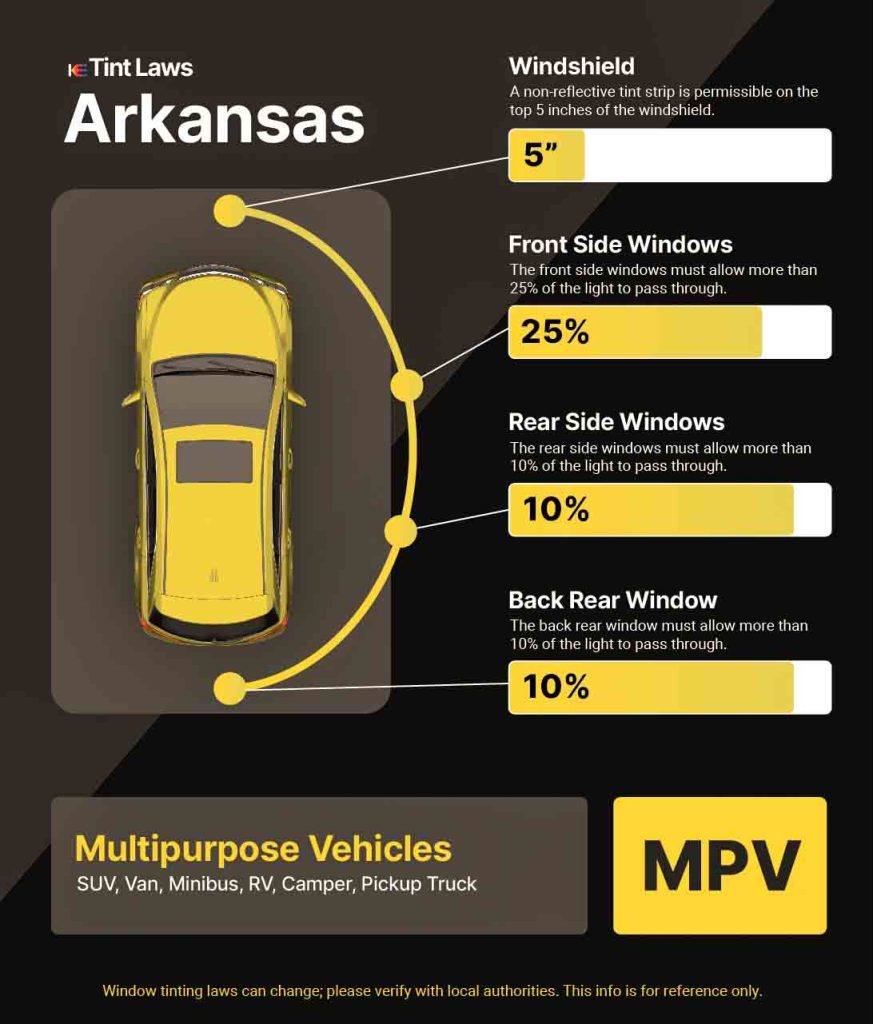
Are you thinking about tinting your car windows in Arkansas? Before you do, it’s important to know the Arkansas tint law.
Understanding these rules can save you from costly fines and hassle. This guide will help you learn exactly what’s allowed, what’s not, and how to stay safe on the road. Keep reading to protect yourself and your vehicle while enjoying the benefits of window tinting.
Credit: kepler-dealer.com
Arkansas Tint Regulations
Arkansas tint regulations set clear rules for window tint darkness and reflectivity. These rules help drivers stay safe and avoid fines. Understanding these regulations ensures your vehicle’s tint complies with the law.
Legal Tint Limits
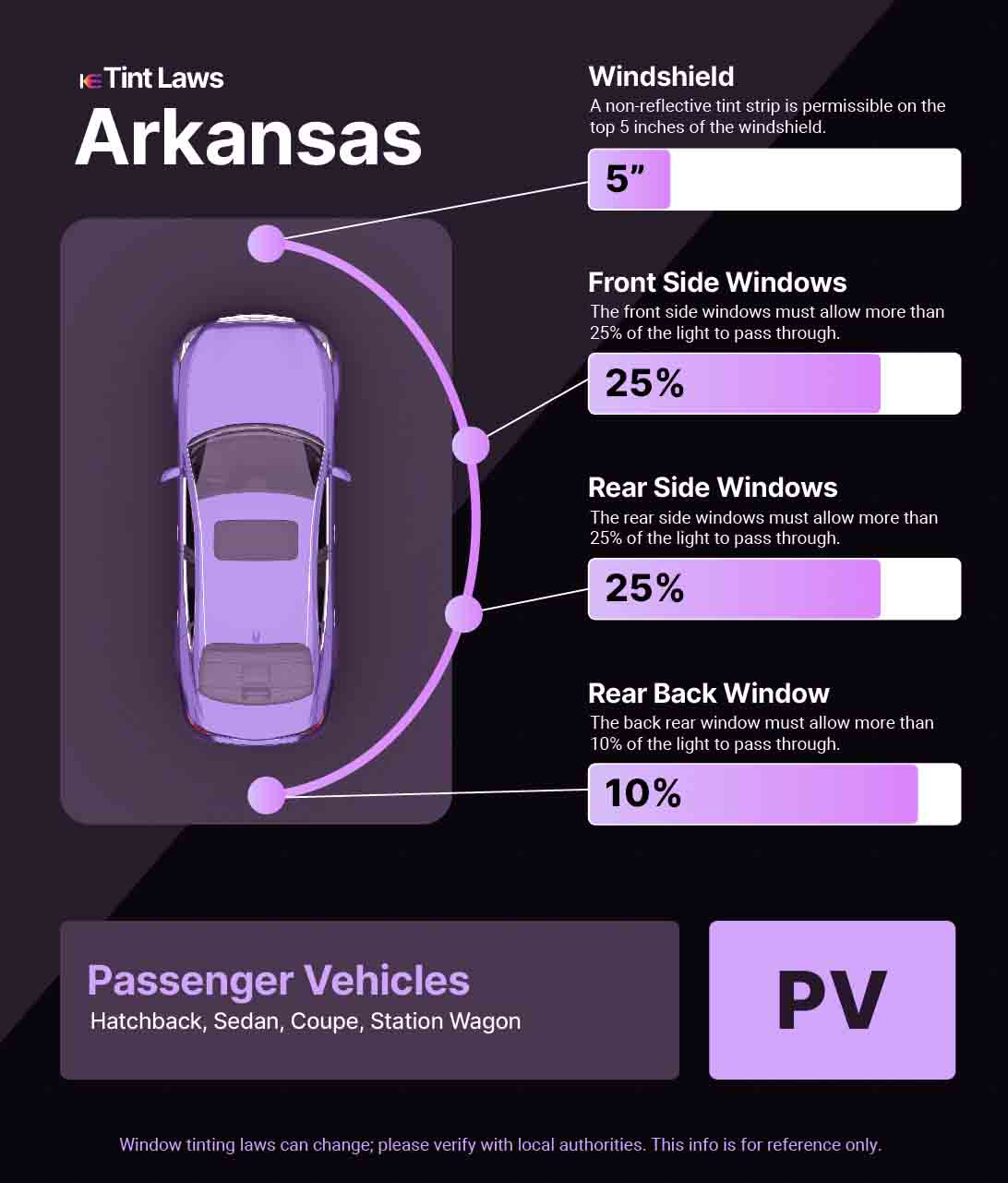
Arkansas allows different tint darkness on various windows. The front side windows must allow more light through than the rear. The law measures light transmission as Visible Light Transmission (VLT) percentage.
- Front side windows: minimum 25% VLT
- Back side windows: no limit on darkness
- Rear window: no limit on darkness
The windshield can have tint only on the top few inches, called the AS-1 line. This tint must not block more than 25% of light.
Tint Measurement Methods
Authorities use a tint meter to check window tint levels. This device measures how much light passes through the glass. Officers test windows at multiple points for accuracy.
Measurements must meet the minimum VLT percentages. If tint is too dark, drivers may face penalties or be asked to remove it.
Window Types Covered
Arkansas law applies to these windows on vehicles:
- Front side windows
- Rear side windows
- Rear window
- Windshield (only the top strip)
Each window type has specific tint rules. Knowing these helps avoid confusion and stays legal on the road.
Safety Benefits Of Window Tinting
Window tinting offers several safety benefits that improve driving comfort and protect vehicle occupants. It helps reduce distractions and safeguards skin from harmful rays. Tinting also adds a layer of security by strengthening the glass. Understanding these benefits clarifies why tint laws exist in Arkansas.
Glare Reduction
Sunlight glare can blind drivers and cause accidents. Window tinting cuts down glare from the sun and headlights. This makes it easier to see the road and other vehicles. Drivers stay more focused and alert during bright conditions.
Uv Protection
Ultraviolet (UV) rays damage skin and car interiors. Tint blocks up to 99% of these harmful rays. This lowers the risk of skin cancer and prevents fading inside the vehicle. Passengers get better protection during long drives.
Shatter Resistance
Tinted windows hold glass together in crashes or break-ins. The film keeps shards from flying and causing injuries. This adds an extra layer of safety for passengers. It also helps protect your belongings from theft.
Common Tint Types And Their Uses
Window tinting offers various options to enhance vehicle comfort and style. Different tint types serve unique purposes. Understanding common tint types helps choose the best fit for your needs.
Dyed Tint
Dyed tint uses a layer of dye to block sunlight. It reduces glare and provides privacy. This type is affordable and easy to apply. It may fade over time due to sun exposure. Dyed tint works well for basic sun protection.
Metalized Tint
Metalized tint contains tiny metal particles. These reflect heat and UV rays effectively. It strengthens windows, adding durability. Metalized tint can interfere with electronic signals. It is ideal for heat reduction and window strength.
Ceramic Tint
Ceramic tint uses non-metallic, nano-ceramic particles. It blocks heat and UV rays without fading. This tint does not affect radio or GPS signals. Ceramic tint offers superior heat rejection and clarity. It is a premium choice for long-lasting performance.
Credit: kepler-dealer.com
Consequences Of Non-compliance
Failing to follow Arkansas tint laws can lead to serious problems. Drivers often face multiple consequences that affect their time, money, and legal record. Understanding these outcomes helps maintain compliance and avoid trouble on the road.
Fines And Penalties
Violating Arkansas tint laws triggers fines that vary based on the offense. These fines can range from small fees to larger penalties for repeat violations. Law enforcement officers may issue tickets on the spot, which require prompt payment.
Besides fines, penalties might include mandatory removal of the illegal tint. This adds extra cost and effort for the vehicle owner. Ignoring fines can lead to increased fees and possible court appearances.
Vehicle Inspection Failures
Vehicles with illegal window tint often fail the state safety inspection. This failure prevents vehicle registration renewal, which is required yearly. Drivers must remove or modify the tint to pass the inspection.
Failing inspection causes inconvenience and delays. It may also require additional visits to inspection stations, wasting time and money.
Legal Implications
Non-compliance with tint laws may result in legal issues beyond fines. Law enforcement might suspect hidden contraband or impaired vision, leading to further investigation. This can escalate to court cases or other legal actions.
Repeated violations can impact a driver’s record, affecting insurance rates. Legal troubles from tint violations also distract from other important driving duties, increasing risks on the road.
Steps To Ensure Compliance
Ensuring your vehicle’s window tint follows Arkansas law is essential to avoid fines and keep your car safe and comfortable. Knowing the right steps can save you time and money while preventing headaches with law enforcement. Here are practical actions you can take to stay compliant and enjoy the benefits of tinted windows.
Choosing The Right Tint
Arkansas law sets specific limits on how dark your window tint can be, usually measured by Visible Light Transmission (VLT) percentages. It’s crucial to pick a tint that meets these legal requirements, especially for front side windows and windshields. Before buying, check the exact VLT allowed—usually, the front side windows must allow more light than the back ones.
Think about your lifestyle too. Do you drive mostly during the day or night? Some tints might make night driving harder. Choosing the right tint means balancing legal limits with your personal comfort and safety.
Professional Installation
Getting your tint installed by a professional reduces the risk of errors that could make your tint illegal or cause it to peel prematurely. Experts know how to apply film evenly and cut it precisely, respecting legal boundaries. A professional will also provide you with a certificate of compliance, which can be handy if you ever need to prove your tint is legal.
Have you ever tried a DIY tint job only to regret it? Trusting a skilled installer saves you from that frustration. It’s an investment that pays off in peace of mind and durability.
Regular Tint Maintenance
Maintaining your tint keeps it looking good and ensures it stays within legal limits over time. Clean the windows with gentle, non-abrasive products and soft cloths to avoid scratches. Avoid using ammonia-based cleaners because they can damage the tint film.
Watch for bubbles, cracks, or peeling that might affect visibility or legality. If you notice damage, address it quickly—sometimes a repair or replacement is necessary to stay compliant. How often do you inspect your tint for wear and tear?
Exceptions And Special Cases
Arkansas tint law has specific exceptions and special cases. These rules allow certain vehicles or individuals to use window tints beyond the usual limits. Understanding these exceptions helps avoid fines and legal issues.
Medical Exemptions
Some people may need darker tints for health reasons. Arkansas allows medical exemptions for window tinting. Drivers must get a certificate from a licensed doctor. This certificate should explain the medical condition requiring tint. The exemption applies only to the driver’s side windows. Carry the medical certificate while driving. Law enforcement may ask to see it during traffic stops.
Commercial Vehicle Tint Rules
Commercial vehicles have different tint regulations. These vehicles include trucks, buses, and vans used for work. Arkansas lets commercial vehicles have darker tints on side and rear windows. This rule helps protect drivers and cargo. However, the windshield must stay clear. Reflective or mirror-like tints are not allowed on these vehicles. Always check specific rules for the commercial vehicle type.
Law Enforcement Vehicles
Police and other law enforcement vehicles follow special tint rules. Their windows can have darker tints for privacy and safety. These tints help officers stay hidden during operations. The law exempts these vehicles from standard tint limits. This exception applies only to official law enforcement vehicles. Unauthorized vehicles cannot use these darker tints.
Recent Changes And Updates
Keeping up with Arkansas tint law means staying informed about recent changes and updates. Laws evolve, technology advances, and enforcement patterns shift. Understanding these updates helps you stay compliant and avoid unexpected fines or vehicle stops.
New Legislation
Arkansas has made key changes to its tint regulations recently. The allowable tint darkness and reflectivity limits have been adjusted in some vehicle categories.
For example, passenger cars now have a slightly higher Visible Light Transmission (VLT) percentage allowed on front side windows, giving you more flexibility. However, the rules for SUVs and trucks remain stricter.
These updates reflect lawmakers’ attempts to balance driver privacy with safety concerns. Have you checked if your tint matches the latest legal limits?
Technological Advances
New tint films are more sophisticated, offering better heat rejection without reducing visibility too much. These advancements mean you can get effective sun protection while staying within legal limits.
Some films now include embedded technology that can communicate with police equipment to prove legality. This could reduce unnecessary stops and disputes.
With these innovations, you might want to ask your installer about the newest products that comply with Arkansas law but still enhance your driving comfort.
Enforcement Trends
Law enforcement in Arkansas has become more consistent in checking tint compliance during routine stops. Officers are using specialized meters that measure tint precisely, making it harder to contest violations.
There’s also been an increase in awareness campaigns educating drivers about legal tint levels. This shows a shift toward prevention rather than just punishment.
Have you noticed more traffic stops or warnings related to window tint in your area? Staying proactive could save you time and money.
Credit: kepler-dealer.com
Tips For Safe Driving With Tinted Windows
Tinted windows can reduce glare and heat inside your car. They also add privacy and style. Yet, driving safely with tinted windows needs some care. Follow these tips to keep good visibility and control on the road. This helps avoid accidents and obey Arkansas tint laws.
Visibility In Low Light
Tinted windows can make it harder to see in dim light. Use clean windows to improve clarity. Keep headlights and taillights clean too. Avoid heavy tinting on front side windows if possible. This helps you see pedestrians and other cars better.
Adjusting Mirrors
Tinted windows may change how you see through mirrors. Adjust side and rearview mirrors carefully. Check blind spots more often to be safe. Use wider angle mirrors if needed for better views. This reduces surprises on the road.
Handling Night Driving
Night driving with tinted windows can be tricky. Use high beams wisely but turn them off for oncoming cars. Drive slower in poorly lit areas. Keep your dashboard lights dim to avoid glare. Take breaks if your eyes feel tired.
Frequently Asked Questions
What Is The Legal Tint Limit In Arkansas?
In Arkansas, the legal window tint limit for passenger vehicles is 25% for the front side windows. The back side and rear windows can have any tint darkness. Always ensure compliance with state regulations to avoid fines.
Are There Medical Exemptions For Tint In Arkansas?
Yes, Arkansas allows medical exemptions for window tint. Drivers with medical conditions can apply for a permit through the Arkansas State Police. This exemption allows for a darker tint on vehicle windows to accommodate specific health needs.
What Are The Penalties For Illegal Tint In Arkansas?
Penalties for illegal window tint in Arkansas can include fines and mandatory removal of the tint. Law enforcement officers may issue a citation if the tint does not meet state regulations. Compliance is essential to avoid these penalties.
Is Windshield Tinting Allowed In Arkansas?
In Arkansas, windshield tinting is permitted only above the manufacturer’s AS-1 line. This ensures visibility and safety while allowing some level of tinting. Always check for updated regulations before applying any tint to your vehicle’s windshield.
Conclusion
Arkansas tint law sets clear rules for window shades on cars. Drivers must follow these rules to avoid fines and trouble. Knowing the limits helps keep everyone safe on the road. Tints that are too dark can block visibility and cause accidents.
Stick to the legal tint levels to drive with peace of mind. Always check the latest laws before tinting your windows. Staying informed protects you and others while driving. Simple steps like these make the roads safer for all.