Are you thinking about tinting your car windows in California? Before you get started, it’s important to know the rules that can save you from fines and headaches.
California tint law is designed to keep you safe while driving, but it can be confusing. You’ll discover exactly what’s allowed, what’s not, and how to make sure your tint follows the law. Keep reading to protect yourself and your car while enjoying the benefits of window tinting.
Credit: www.prestigelaw.com
California Tint Regulations
California tint regulations are designed to keep drivers safe while allowing some flexibility in window tinting. Understanding these rules is crucial if you want to avoid fines or having to remove your tint. The laws focus on how much light must pass through your windows, differing by vehicle type and window location.
Visible Light Transmission Limits
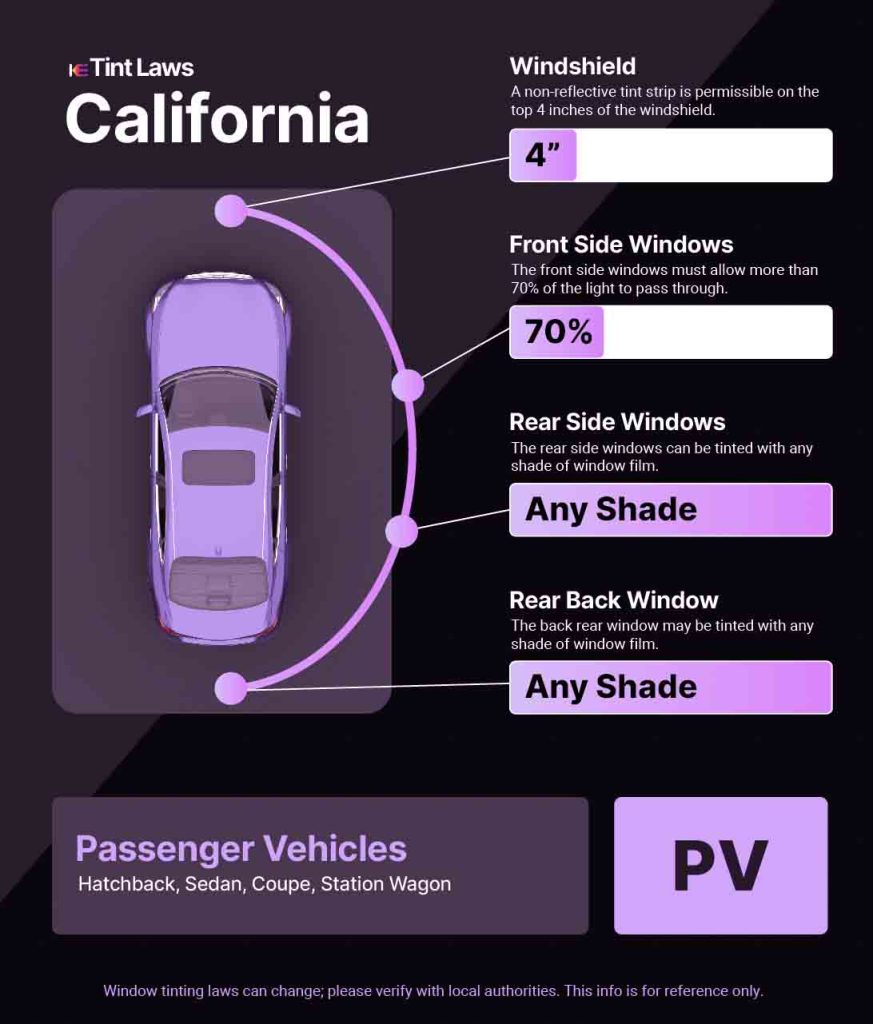
The key rule in California is about Visible Light Transmission (VLT). This means how much light your tinted windows let in. For most cars, the front side windows must allow more than 70% of light through.
Why is this important? Police need to see inside your vehicle clearly for safety checks. Darker tints on front windows can cause legal trouble and affect your visibility too.
Tint Restrictions By Vehicle Type
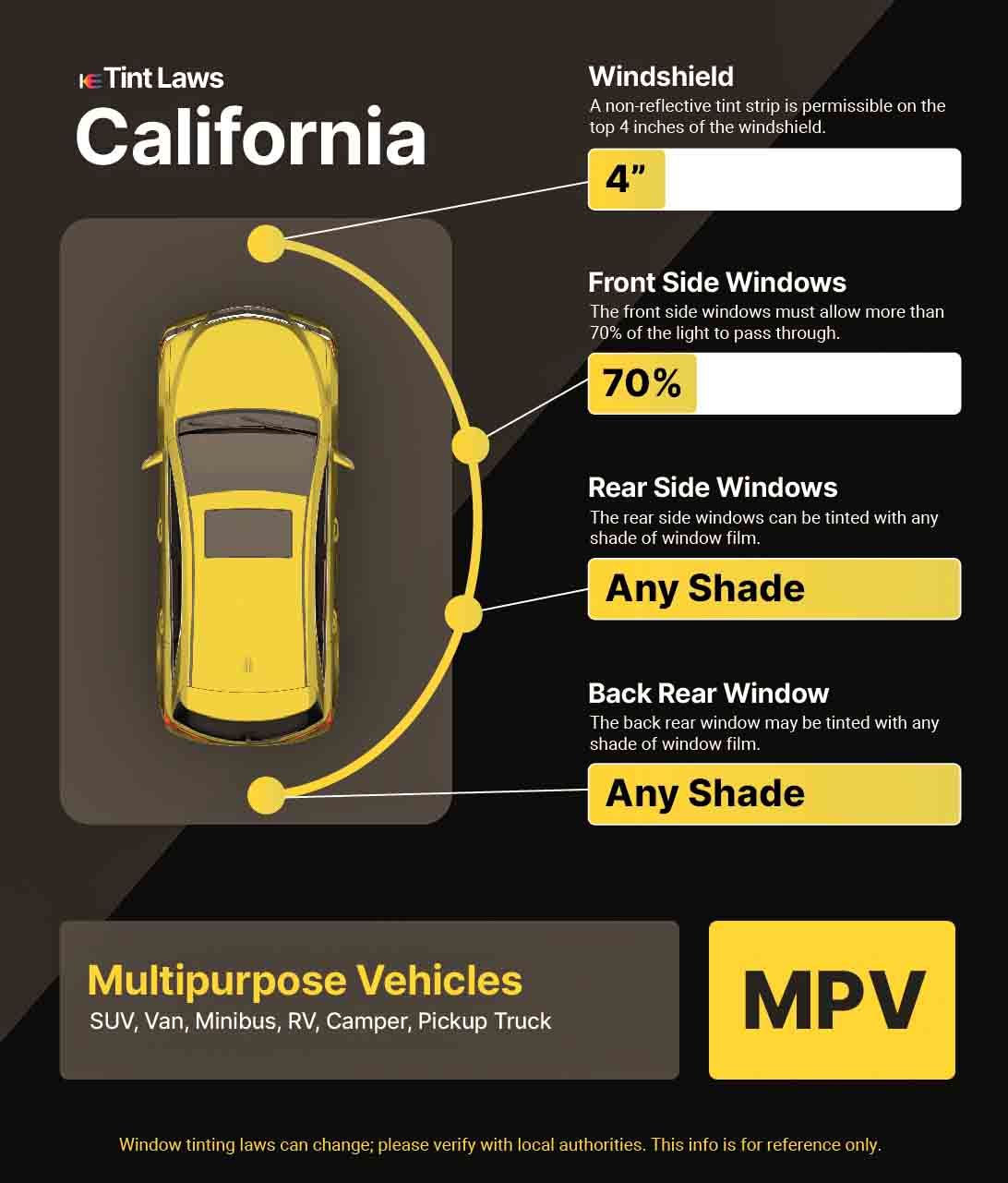
Different vehicles have different tint limits. For example, passenger cars have strict rules compared to SUVs or vans. SUVs can have darker tints on back windows because they are often used for carrying cargo or passengers.
Think about your vehicle type before choosing your tint. A tint that looks good on your friend’s SUV might not be legal on your sedan.
Side And Rear Window Rules
California allows darker tints on side and rear windows than on the front side windows. Rear side windows can have any darkness level, but front side windows must meet the 70% VLT rule. This helps balance privacy and safety.
Have you ever noticed how rear windows on some cars look nearly black? This is usually within legal limits, but always double-check your tint to avoid surprises.
Windshield Tinting Standards
Windshield tinting is the most restricted. Only the top few inches (often called the AS-1 line) can have tint. This small strip is meant to reduce glare while keeping most of the windshield clear for visibility.
Applying tint outside these limits can lead to tickets and even vehicle inspection failures. Stick to the legal zone to keep your windshield safe and street-legal.
Safety Implications Of Window Tint
Window tint affects safety in many ways. It changes how drivers see and react on the road. Understanding these effects helps drivers choose the right tint within California’s laws. Proper tint can protect, but wrong tint may cause problems.
Impact On Driver Visibility
Tints that are too dark reduce how much a driver can see. This limits vision, especially at night or in bad weather. Clear visibility is crucial to avoid accidents. California laws set limits to keep driver vision safe.
Glare Reduction Benefits
Window tint lowers glare from the sun and headlights. Less glare means fewer distractions and eye strain. This helps drivers focus better on the road. Proper tint improves comfort and reduces fatigue during long drives.
Heat And Uv Protection
Tints block heat and harmful UV rays from entering the car. This keeps the interior cooler and protects skin from sun damage. UV protection also helps prevent car upholstery from fading. These benefits add to overall driving comfort and safety.
Emergency Situations And Tint
In emergencies, tint can affect rescue efforts. Dark tints make it harder for responders to see inside the vehicle. This delay can be critical in accidents. California tint laws balance safety with quick emergency access.
Legal Penalties And Enforcement
Understanding the legal penalties and enforcement related to California’s tint law is crucial for every driver. Ignoring these rules can lead to unexpected fines and complications. Knowing what to expect can save you time, money, and stress on the road.
Fines And Citations
If your vehicle’s window tint does not comply with California standards, you risk receiving a citation from law enforcement. Fines typically range from $35 to $250, depending on the severity of the violation and whether it’s a repeat offense.
Besides the monetary penalty, officers may require you to remove or replace the illegal tint within a certain period. Have you ever wondered how strict the police are about tint levels during routine traffic stops? Many drivers find the enforcement more consistent than expected.
Vehicle Inspection Procedures
When you get pulled over for tint issues, officers often use specialized light meters to measure the Visible Light Transmission (VLT) of your windows. These devices provide an accurate reading of how much light passes through your tint, ensuring compliance with the 70% front side window rule.
In some cases, law enforcement may direct you to a designated inspection station. Here, trained inspectors perform a detailed check of your vehicle’s tint and other safety features. If your tint fails, they will issue an official report that serves as a basis for penalties or required corrections.
Appealing Tint Violations
If you believe a tint citation was unfair or inaccurate, you have the right to appeal. This process usually involves presenting your case in traffic court and providing evidence such as tint certification or expert testimony.
Keep in mind that maintaining proper documentation when installing tint can strengthen your appeal. Have you kept receipts or certificates from your tint installer? These documents can prove your tint meets legal standards and potentially dismiss your violation.
Credit: kepler-dealer.com
Choosing The Right Tint Film
Choosing the right tint film for your vehicle in California involves more than just picking a shade you like. You need to balance style, comfort, and legal limits to avoid fines or having to remove the tint later. Understanding the types of tint films available and how to get them installed properly can save you time and money.
Types Of Tint Films
Not all tint films are created equal. Here are some common types you’ll encounter:
- Dyed Film:This is the most affordable option. It blocks sunlight by adding a layer of dye but may fade over time.
- Metalized Film:Contains tiny metallic particles that reflect heat and UV rays. It’s durable but can interfere with GPS and cell signals.
- Carbon Film:Offers a matte finish and blocks heat effectively without signal interference.
- Ceramic Film:The premium choice. It blocks heat and UV rays excellently while maintaining clear visibility and no signal disruption.
Which type fits your daily driving and climate? If you live in a hot area, ceramic might be worth the investment.
Professional Installation Tips
Even the best tint film can look bad or fail if not installed correctly. Choose a professional installer with good reviews and experience with California tint laws.
- Ask if they use high-quality tools to avoid bubbles and wrinkles.
- Check if they provide a warranty—this often signals confidence in their work.
- Make sure the tint complies with California’s Visible Light Transmission (VLT) requirements to avoid legal issues.
Have you ever noticed bubbles on your window tint? That usually means a rushed or amateur job.
Certifications And Labels To Check
Before finalizing your tint, verify its certifications. Certified films are tested to meet safety and legal standards.
- NFRC Label:This indicates official testing for heat rejection and visible light transmission.
- DOT Certification:Required for legal use on vehicles in the U.S. It ensures the film meets federal standards.
- Manufacturer Warranty:Look for clear warranty details printed on the label or packaging.
Ignoring these labels can lead to fines or costly replacements. Are you confident your tint film meets California’s strict rules?
Exemptions And Special Cases
Understanding the exemptions and special cases in California tint law can save you from unexpected fines and hassles. The state recognizes that certain situations require flexibility with window tinting rules. Knowing these exceptions helps you make informed decisions about tinting your vehicle without risking legal trouble.
Medical Exemptions
If you have a medical condition that makes exposure to sunlight harmful, California law allows special window tinting beyond standard limits. You must get a written certificate from a licensed physician explaining the need for extra tinting. This exemption covers conditions like lupus, skin cancer, or photosensitivity disorders.
Once you have the medical exemption, you can tint your windows darker than normally allowed. However, you should always carry the doctor’s note in your vehicle in case a law enforcement officer asks for proof. Have you checked if your condition qualifies? It might be worth discussing with your doctor before applying tint.
Commercial Vehicle Rules
Commercial vehicles, such as trucks and vans, have different tinting rules compared to personal cars. These vehicles often operate under different safety standards and may be allowed darker tints on certain windows. For example, side and rear windows may have fewer restrictions to help drivers manage glare during long hours on the road.
Remember, the front windshield usually has stricter rules, even for commercial vehicles. Reflective or mirrored tints are generally not permitted. If you drive a commercial vehicle, it’s smart to check specific regulations to avoid penalties that could affect your business.
Vintage And Classic Cars
California offers some leniency for vintage and classic cars when it comes to window tinting. These vehicles are often valued for their original appearance, and strict tint laws can alter their aesthetic. Owners of cars that are 25 years or older can apply for a special exemption allowing tint that fits the vehicle’s original style or personal preference.
Having a classic car doesn’t mean you should ignore safety, though. The tint should still allow enough visibility for safe driving. If you own a vintage ride, consider how tinting affects both the look and your ability to see clearly on the road.
Credit: kepler-dealer.com
Maintaining Tint Compliance
Maintaining tint compliance in California goes beyond just installing the right film. It requires ongoing attention to ensure your vehicle stays within legal limits. Staying proactive helps you avoid fines and keeps your driving experience smooth and stress-free.
Regular Inspection Practices
Check your window tint regularly, especially before long trips or after harsh weather. Use a tint meter or visit a professional to measure the Visible Light Transmission (VLT) percentage. This simple step helps you catch any accidental changes early.
Have you ever noticed your tint looking darker or peeling? That’s a sign to inspect it immediately. Regular checks prevent surprises during traffic stops and keep your vehicle compliant with California’s strict rules.
Tint Aging And Replacement
Tint films degrade over time due to sun exposure and wear. Colors may fade, and the film might bubble or crack, affecting both appearance and legal compliance. Don’t wait until the tint is visibly damaged; consider replacement every few years.
Replacing your tint might seem costly, but think about the fines or mandatory removal costs if you’re caught with illegal tint. Keeping your tint fresh ensures you stay within the legal VLT limits and enjoy better visibility while driving.
Keeping Records For Legal Proof
Always keep receipts and certificates from your tint installation or inspection. These documents prove your tint meets California standards if you get pulled over or inspected. A well-organized record can save you hassle and fines.
Have you ever struggled to prove compliance during a traffic stop? Keeping detailed records makes that situation easier. Store digital copies on your phone and paper copies in your glove compartment for quick access.
Frequently Asked Questions
What Is The Legal Tint Limit In California?
In California, the legal window tint limit is 70% light transmission for front side windows. The rear and back windows have no specific limit, allowing for darker tints. However, dual side mirrors are required if rear windows are tinted. Always ensure compliance with state regulations to avoid penalties.
Can I Tint My Windshield In California?
Yes, you can tint your windshield in California, but only the top 4 inches. This is known as the “sun visor strip. ” It helps reduce glare while driving. The rest of the windshield must remain clear to ensure maximum visibility and compliance with state laws.
Are There Medical Exemptions For Tinting?
Yes, California allows medical exemptions for window tinting. Individuals with specific medical conditions can apply for an exemption. This allows for darker tints than typically permitted. A written certification from a licensed physician is required. Always keep documentation in your vehicle to show law enforcement if needed.
What Are The Penalties For Illegal Tinting?
In California, penalties for illegal tinting can include fines and a possible fix-it ticket. The fines vary, but they often start around $25. Drivers may also be required to remove the illegal tint. Compliance with legal tint limits can help avoid these penalties.
Conclusion
California tint law keeps drivers safe on the road. It sets clear rules for window shades. Drivers must follow limits to avoid fines and issues. Knowing these rules helps you stay legal and protected. Always check your vehicle’s tint before driving.
Staying informed means no surprises from law enforcement. Tinting your windows right keeps you cool and safe. Respecting the law supports safer streets for everyone. Keep your ride comfortable and within the legal tint range. Simple steps like these make a big difference.